Hong Kong Air Cargo will start charter freighter flights between Hong Kong International Airport (HKG) and Navi Mumbai International Airport (NMI) on 10 August 2026. The airline confirmed the launch date directly on its website, and the news was first reported by Air Cargo News on 21 July 2026. Flights will depart Hong Kong every Monday, with the return leg from Navi Mumbai operating the same day.
The move gives Hong Kong Air Cargo an early presence at India’s newest international gateway, which only opened to global cargo traffic on 15 July 2026. It also extends the carrier’s South Asian network beyond Chennai and Delhi, its two existing Indian stations, at a time when the airline is actively courting Indian exporters and freight forwarders through a new local sales partnership. The news comes a few days after Cathay Pacific started freighter operations to this airport.
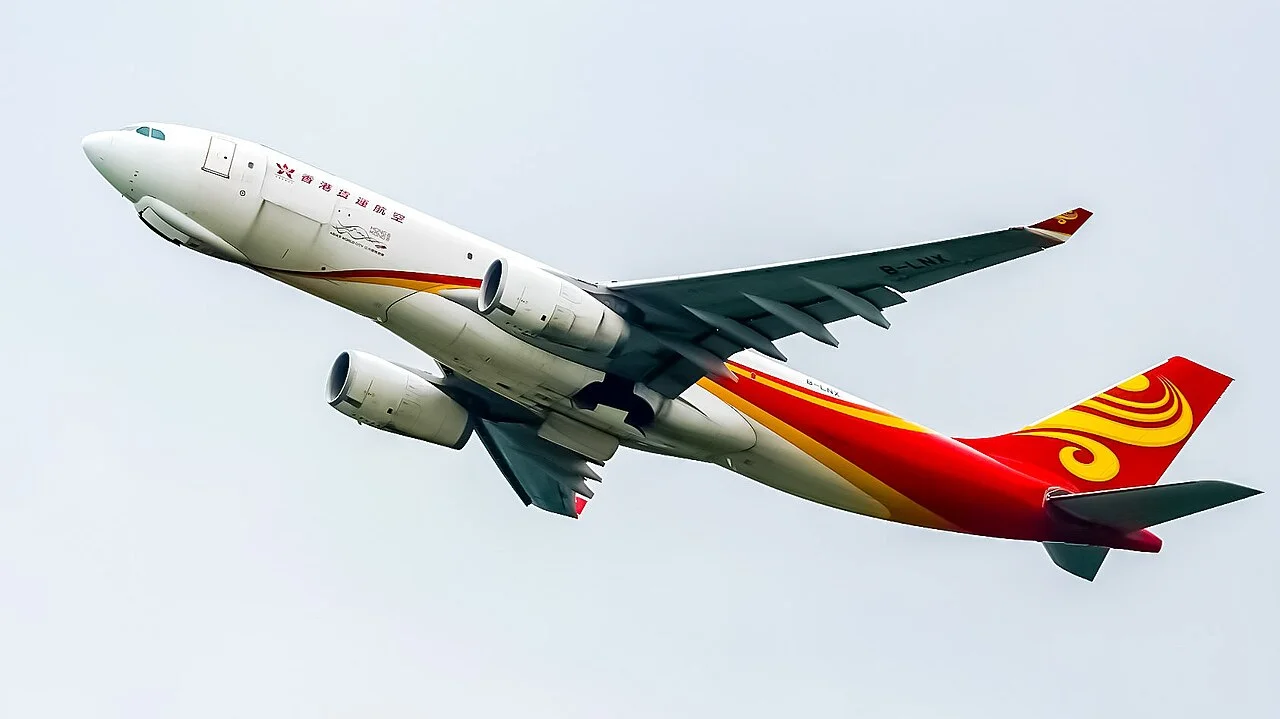
Weekly Monday Charter Links HKG And Navi Mumbai from 10 August
Hong Kong Air Cargo said operations begin on 10 August, with outbound flights leaving Hong Kong on Mondays and inbound flights leaving Navi Mumbai the same day. The airline framed the launch as a strategic entry point into a fast-growing market. “By establishing an early footprint at Western India’s brand-new aviation hub, the route strengthens the airline’s regional network and opens lucrative trade lanes between East and South Asia,” the carrier said in a statement reported by Air Cargo News.
The airline’s own news page confirms the same timeline, listing the launch as charter services to Navi Mumbai from mid-August 2026. A separate India-based outlet, Aryan Age, reported that the service will run as a weekly Monday rotation once operations start. All sources agree on the single weekly frequency at launch, though none has yet confirmed the freighter type assigned to the route.
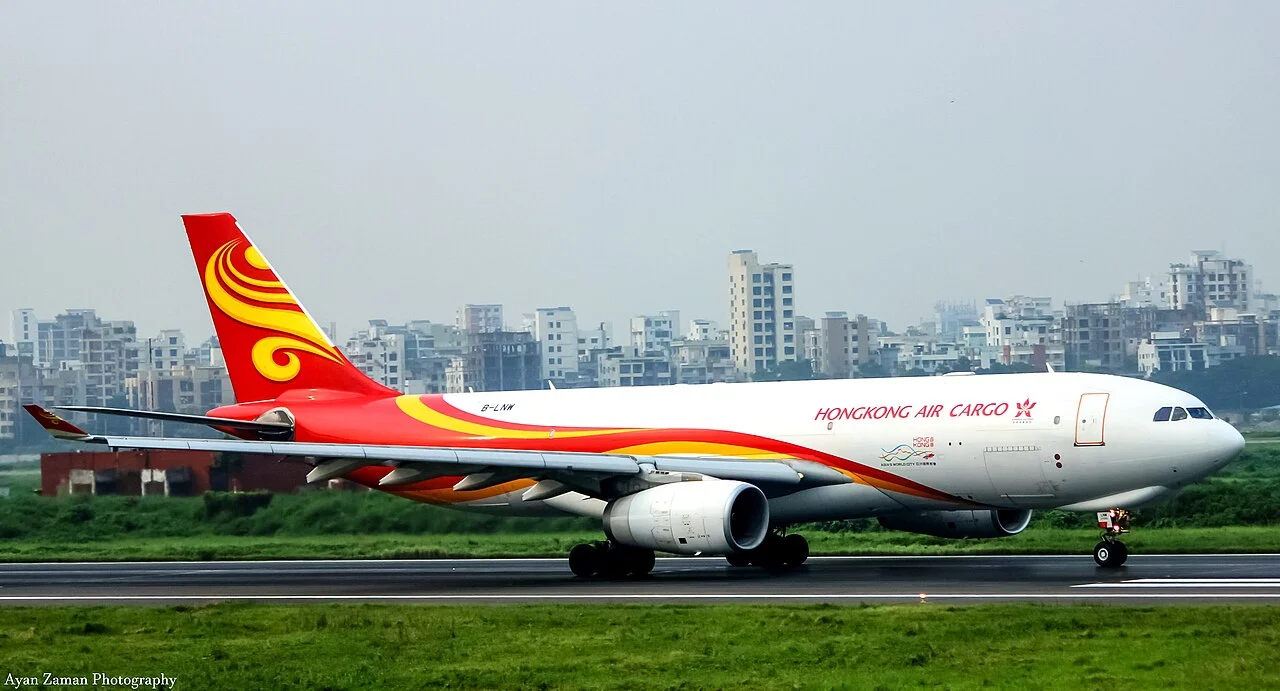
Navi Mumbai International Airport Opens Its Cargo Doors in July 2026
Navi Mumbai International Airport carries the ICAO code VANM and sits in the Ulwe area of Raigad district, on the mainland side of the Mumbai Metropolitan Region. Prime Minister Narendra Modi inaugurated the airport on 8 October 2025, and it began domestic commercial flights on 25 December 2025 with services from IndiGo, Air India Express and Akasa Air. International passenger and cargo operations followed on 15 July 2026.
NMIA Chairman Captain BVJK Sharma announced the international and cargo launch date at the BCBA Logistics Conclave 2026 in Mumbai, where he said the airport was targeting roughly 18 weekly freighter flights from its very first day of international operations. The airport’s cargo terminal spans 33,000 square metres and is built to handle up to 0.8 million tonnes of freight a year once fully operational. Air India Express operated the airport’s first international passenger flight, a three-times-weekly service to Abu Dhabi, on the same day cargo operations began.
The airport is a public-private partnership. Mumbai International Airport Limited, a subsidiary of Adani Airport Holdings Limited, holds a 74% stake, while the City and Industrial Development Corporation of Maharashtra holds the remaining 26%. It was built specifically to ease congestion at Chhatrapati Shivaji Maharaj International Airport (BOM), Mumbai’s older and more constrained hub.
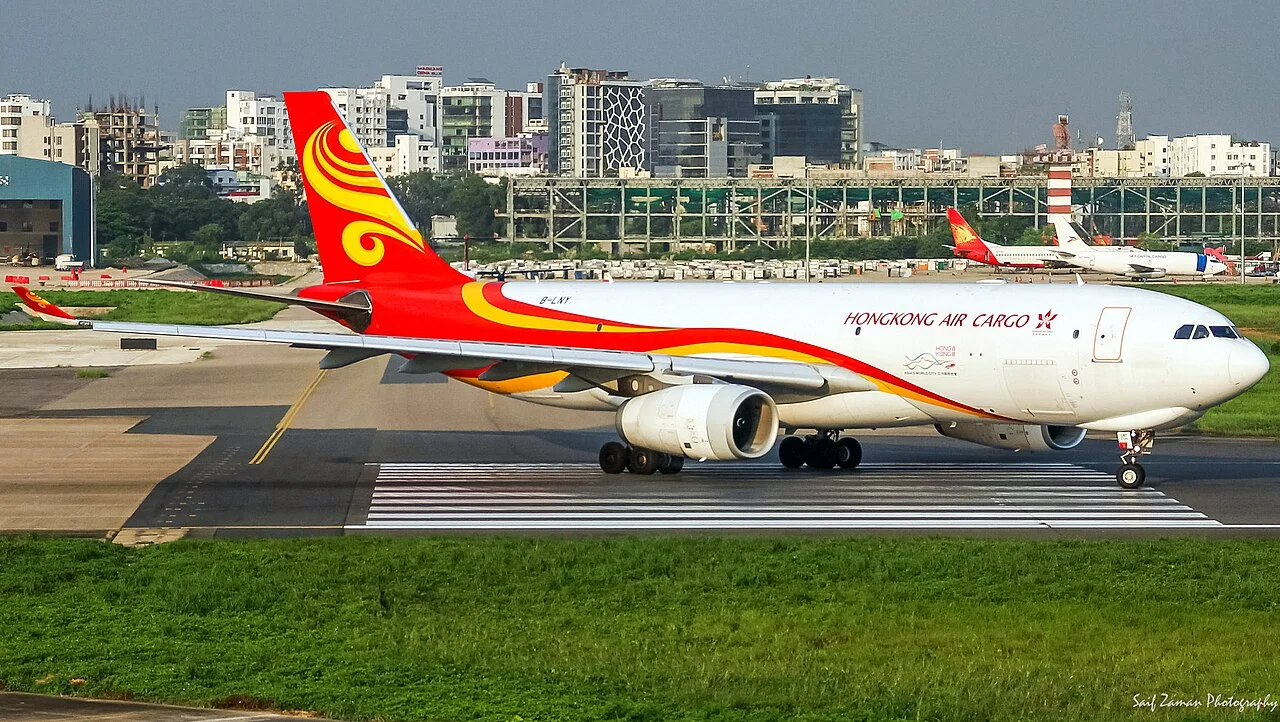
Six-Freighter Fleet Powers Hong Kong Air Cargo’s Regional Expansion
Hong Kong Air Cargo, styled HKC and carrying the IATA code RH, is a wholly owned cargo subsidiary of Hong Kong Airlines. The carrier added its sixth Airbus A330-200 freighter to the fleet in January 2026, giving it the scale to keep expanding into new markets while maintaining existing routes.
The airline’s core fleet and network characteristics include:
- Six Airbus A330-200 freighter aircraft, each converted for dedicated cargo operations
- A route map that already spans Amman, Bangkok, Budapest, Chennai, Delhi, Dhaka, Hanoi, Istanbul, Manila, Shanghai, Singapore and Taipei, according to the airline’s own network page
- A growing set of European points including Milan Malpensa, Liege, Oslo, London Stansted, Birmingham, Glasgow Prestwick, East Midlands and, as of February 2026, Larnaca in Cyprus
- A base at one of the world’s busiest cargo hubs, since Hong Kong International Airport handled 5.07 million tonnes of cargo in 2025, more than 45% of the value of Hong Kong’s total external trade
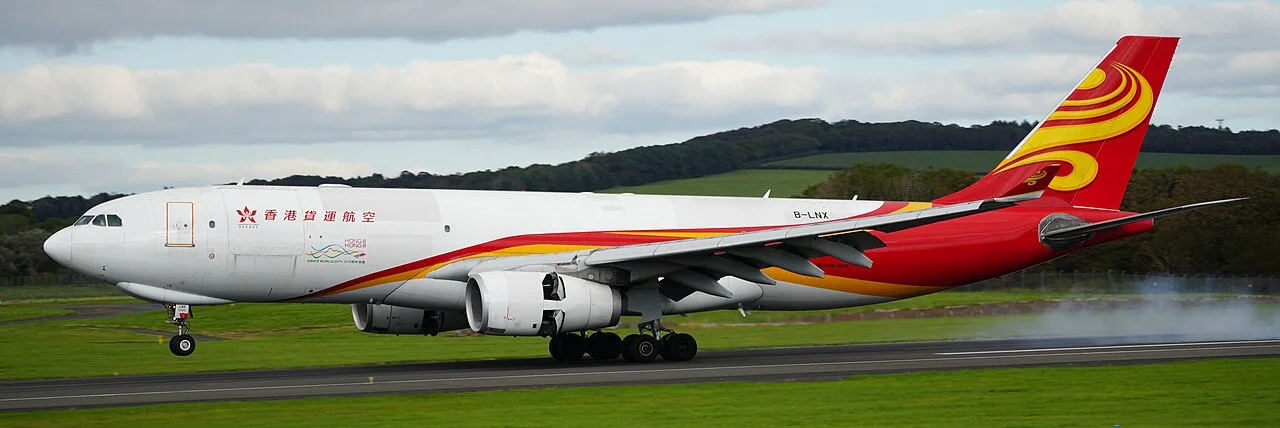
What The Route Means for India-Hong Kong Trade Lanes
Trade between India and East Asia has kept expanding across several sectors, including electronics, telecommunications equipment, pharmaceuticals, automotive components, fashion, perishables and e-commerce shipments, according to Aeroprime’s own market commentary shared alongside the GSSA announcement. A dedicated Hong Kong to Navi Mumbai charter gives shippers in these categories a more direct, and potentially faster, air corridor into Western India’s manufacturing and consumption base than routing indirectly through Chennai or Delhi.
For Navi Mumbai International Airport, the Hong Kong Air Cargo charter is an early signal that the greenfield airport’s cargo positioning is drawing interest from established regional carriers, not only domestic operators still building out their India networks. Since the airport is targeting close to 18 weekly freighter movements from launch, a scheduled or repeat charter presence from an established operator like Hong Kong Air Cargo would mark a meaningful step toward that goal.



.jpg)