India’s domestic air passenger traffic fell to 134.64 lakh (13.46 million) in June 2026, down 1.03 per cent from 136.04 lakh in May, according to monthly data released by the Directorate General of Civil Aviation (DGCA). The dip came during what is traditionally a lean travel season, with June, July and August typically the slowest months for Indian carriers.
Within that shrinking market, IndiGo (6E) pulled further ahead of its rivals, lifting its share of domestic passengers to a record 66.3 per cent. The Air India Group’s share slid to 23.9 per cent from 25.6 per cent a month earlier, while Akasa Air (QP) and SpiceJet (SG) moved in opposite directions, according to the same DGCA report that was cited by The Tribune.
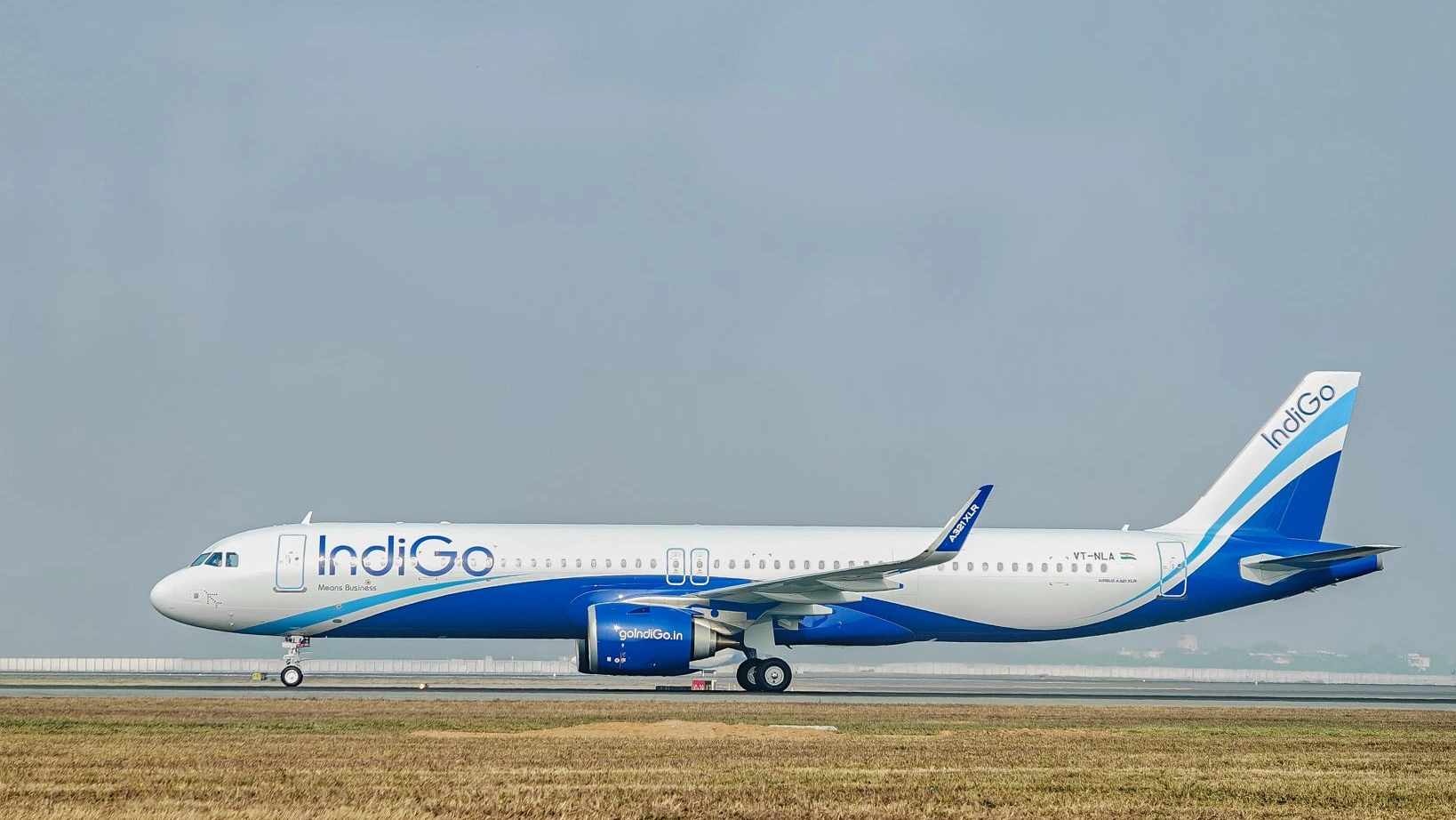
IndiGo’s Market Share Hits 66.3% As Air India Group Falls Below 24%
The market share of India’s largest carrier, IndiGo,’s market share climbed from 64.9 per cent in May to 66.3 per cent in June, extending a lead that already made it India’s dominant domestic carrier. The airline now carries close to two-thirds of every domestic passenger flown in the country.
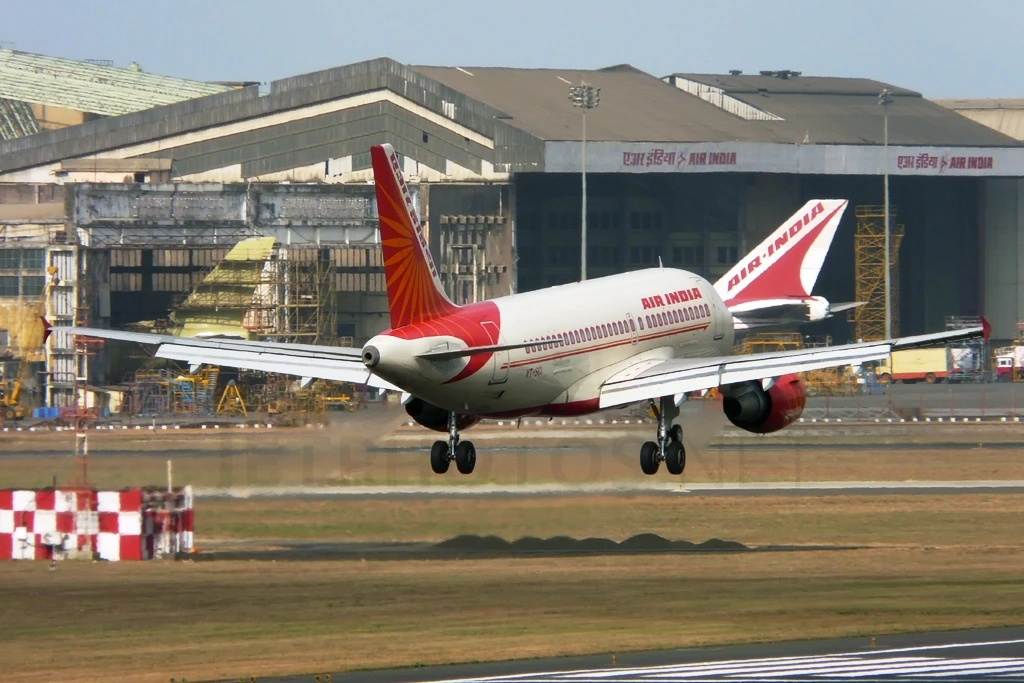
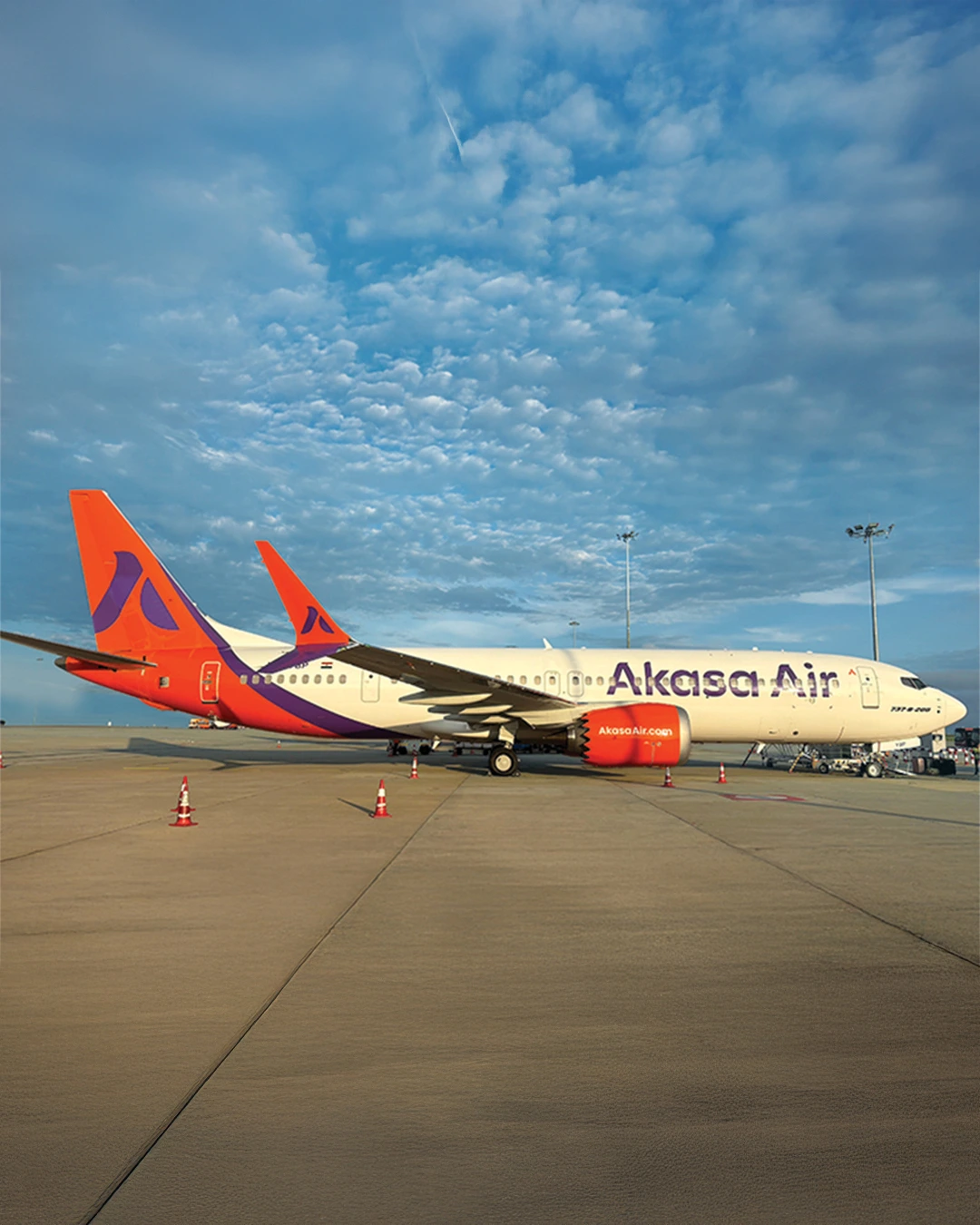
The Air India Group moved the opposite way, with its combined share falling from 25.6 per cent to 23.9 per cent over the same period. Akasa Air improved to 6.4 per cent from 5.8 per cent, while SpiceJet’s share dropped to 1.9 per cent from 2.5 per cent in May.
Smaller regional carriers made up the rest of the market. Alliance Air held 0.4 per cent, Fly91 held 0.4 per cent, Star Air held 0.7 per cent, and IndiaOne Air’s share remained marginal. For the first six months of 2026 combined, IndiGo commanded 64.3 per cent of the domestic market, ahead of the Air India Group at 25.7 per cent and Akasa Air at 5.5 per cent.
Domestic Traffic Dips 1% To 134.64 Lakh Passengers in June
Domestic airlines carried 134.64 lakh passengers in June, a decline from 136.04 lakh in May. DGCA data showed the drop translated to a monthly growth rate of -1.03 per cent.
Even with the June dip, the broader picture for 2026 remained positive. Passengers carried by domestic airlines between January and June 2026 totaled 864.04 lakh, up 1.44 per cent from 851.74 lakh in the same period of 2025.
The seasonal slowdown is consistent with past years, as summer heat and the pre-monsoon period typically reduce leisure travel demand across India. Airlines had also trimmed some network capacity earlier in the year amid rising fuel costs tied to conflict in West Asia.
How Load Factors and On-Time Performance Compared Across Airlines
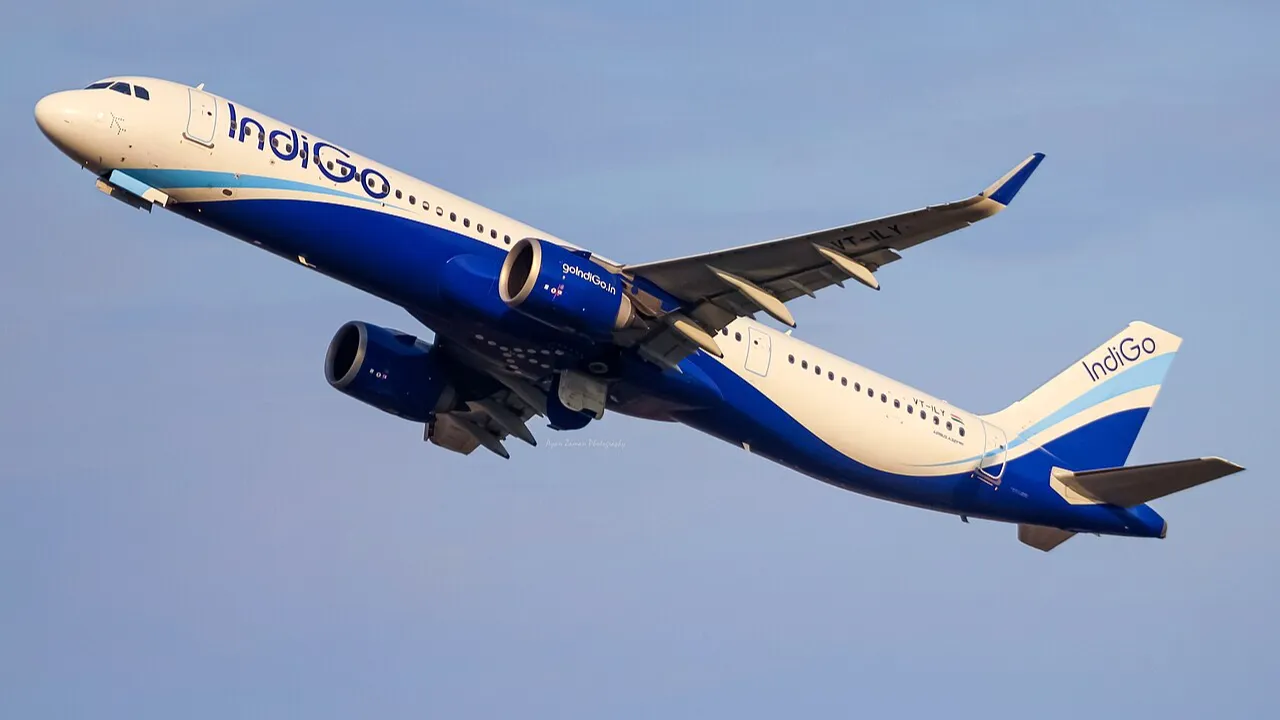
Seat occupancy told a different story than market share. Akasa Air posted the industry’s highest passenger load factor in June at 92.2 per cent, ahead of SpiceJet at 87.8 per cent, the Air India Group at 85.5 per cent and IndiGo at 85.1 per cent.
Smaller carriers lagged behind on this measure. Star Air recorded a 75 per cent load factor, Fly91 recorded 73.2 per cent, Alliance Air recorded 61.7 per cent, and IndiaOne Air recorded 59.3 per cent.
On overall punctuality across India’s ten busiest airports, IndiGo again led the field with an on-time performance (OTP) of 89.4 per cent. The Air India Group followed at 85.9 per cent, Akasa Air at 82.7 per cent, and Alliance Air at 74.7 per cent. Among individual airports, Chennai posted the best OTP at 95.2 per cent, while Ahmedabad recorded the weakest at 76.7 per cent.
SpiceJet’s On-Time Performance Craters To 33.5%, Worst in the Industry
SpiceJet’s operational numbers stood apart from the rest of the industry. The carrier’s OTP fell to just 33.5 per cent in June, by far the lowest of any scheduled domestic airline.
The DGCA reported that 1.18 per cent of all scheduled domestic flights nationwide were delayed by more than two hours during the month. SpiceJet accounted for the highest share of these long delays at 17.31 per cent of its flights, followed by Fly91 at 5.59 per cent and Alliance Air at 2.78 per cent. IndiGo recorded the lowest rate of long delays at 0.55 per cent.
Reactionary delays, where an aircraft arrives late because of a knock-on effect from an earlier flight, accounted for 69 per cent of all delays across the industry. Technical issues and other operational factors each contributed 6 per cent, with the remainder split between air traffic control, weather, passenger handling and airport-related causes.
Cancellations And Compensation: What DGCA’s June Numbers Show
The industry-wide cancellation rate for scheduled domestic flights stood at 0.63 per cent in June. IndiaOne Air recorded the highest cancellation rate at 16.43 per cent, followed by Alliance Air at 6.23 per cent and Fly91 at 6 per cent. IndiGo and Akasa Air tied for the lowest cancellation rate at 0.20 per cent each.
Technical issues were the leading cause of cancellations, accounting for 39.6 per cent of the total, followed by operational reasons at 36.3 per cent and weather disruptions at 20.3 per cent. Passenger complaints across the industry totalled 2,568 in June, equal to 1.91 complaints per 10,000 passengers carried, with baggage-related issues the single largest category at 27.8 per cent of all complaints.
Airlines also compensated passengers affected by denied boarding, cancellations and long delays during the month. DGCA figures show 1,847 passengers were affected by denied boarding, 43,968 by cancellations, and 1,10,273 by delays exceeding two hours, with airlines spending close to Rs 411.43 lakh on compensation and passenger facilitation across these categories.
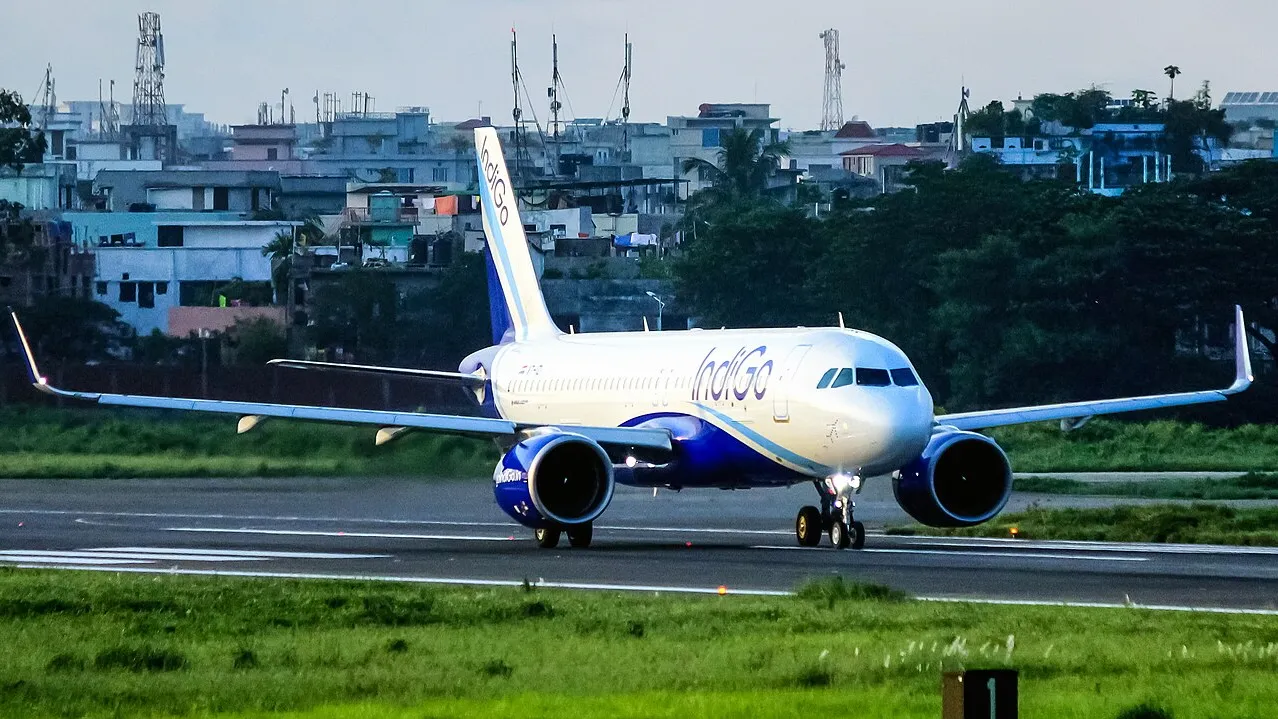
IndiGo’s record 66.3 per cent share continues a climb that accelerated after the 2023 collapse of Go First, when the now-defunct carrier’s grounding pushed IndiGo’s market share past 60 per cent for the first time since 2020. IndiGo has extended that lead steadily since, moving from roughly 61 per cent in mid-2023 to more than 66 per cent three years later.
The pattern in June also mirrors a broader consolidation trend across Indian aviation, in which the country’s domestic market has increasingly narrowed to a two-group contest between IndiGo and the Air India Group, which together carried more than 90 per cent of domestic passengers in June. Akasa Air remains the fastest-growing of the smaller carriers, while SpiceJet’s shrinking share and weak operational metrics point to continued strain at the airline.