Airbus has quietly ceased offering the A319neo to airline customers after years of underwhelming demand for the smallest member of its re-engined single-aisle family. Aviation trade publication FlightGlobal reported on July 20, 2026, that Airbus confirmed it will still build the A319neo if a customer specifically asks for it, but the manufacturer is no longer actively promoting the jet to airlines. The confirmation followed reporting from German outlet aeroTELEGRAPH, which had also flagged the shift on the same day.
The move became visible through a company presentation rather than a formal announcement. A recent Airbus presentation on its single-aisle line-up ran from the A220-100 at one end to the A321neo at the other, with the A319neo notably missing entirely. Airbus had reportedly considered ending the jet as far back as the previous summer, but the July 2026 confirmation marks the first time the manufacturer has acknowledged the decision directly to a trade publication.
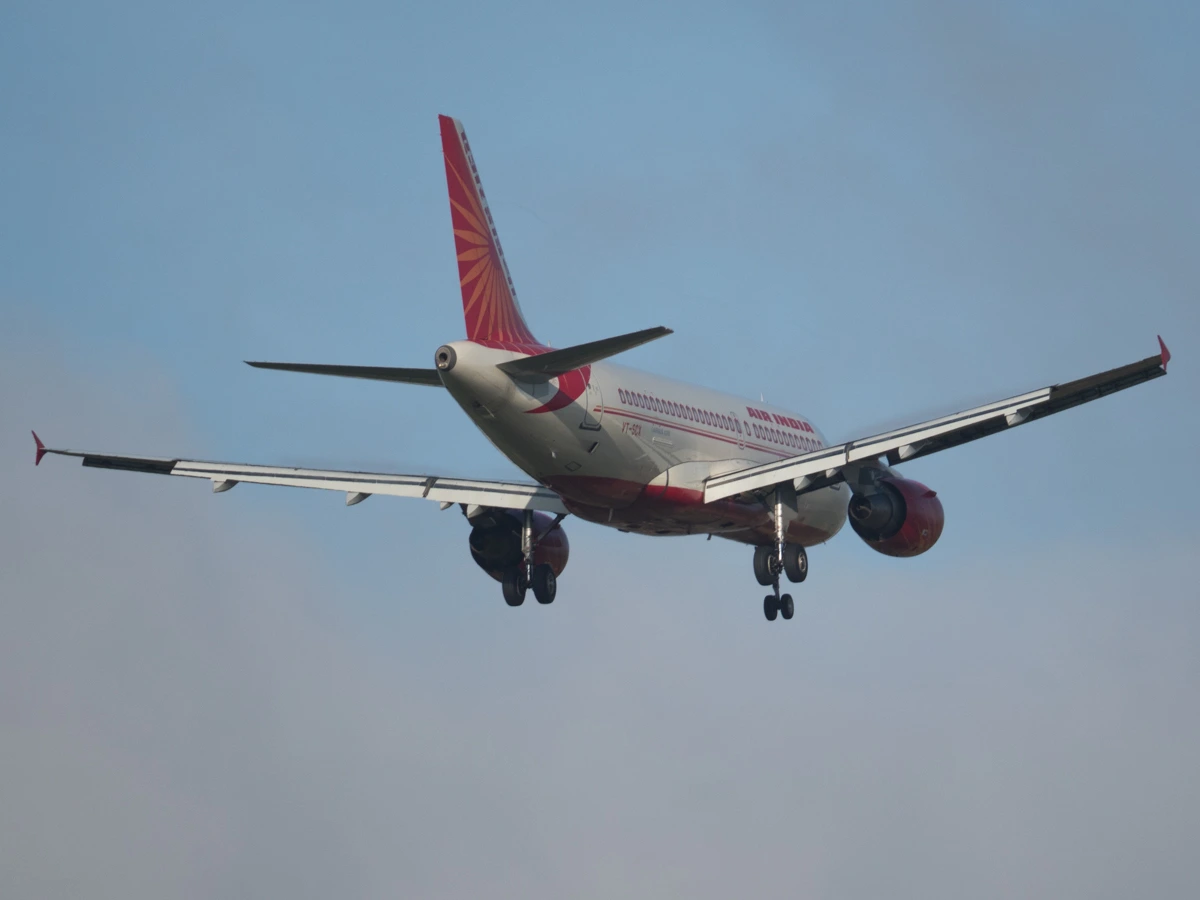
Why The A319neo Failed to Find Buyers
The sales numbers explain the decision on their own. Airbus’s order and delivery data through the end of May 2026 shows just 57 firm commitments for the A319neo, less than 0.5% of all A320neo-family orders. That is a steep fall from the aircraft’s predecessor. The original, conventionally powered A319 accumulated 1,486 orders, representing 18% of all first-generation A320 family sales, a track record that once justified re-engining it into the neo generation.
Geography compounds the weak demand. According to reporting from aeroTELEGRAPH, citing the same Airbus data, the A319neo has struggled to attract interest outside China, whose airlines account for more than half of the aircraft’s total order book, leaving only a small handful of undelivered jets in the global backlog.
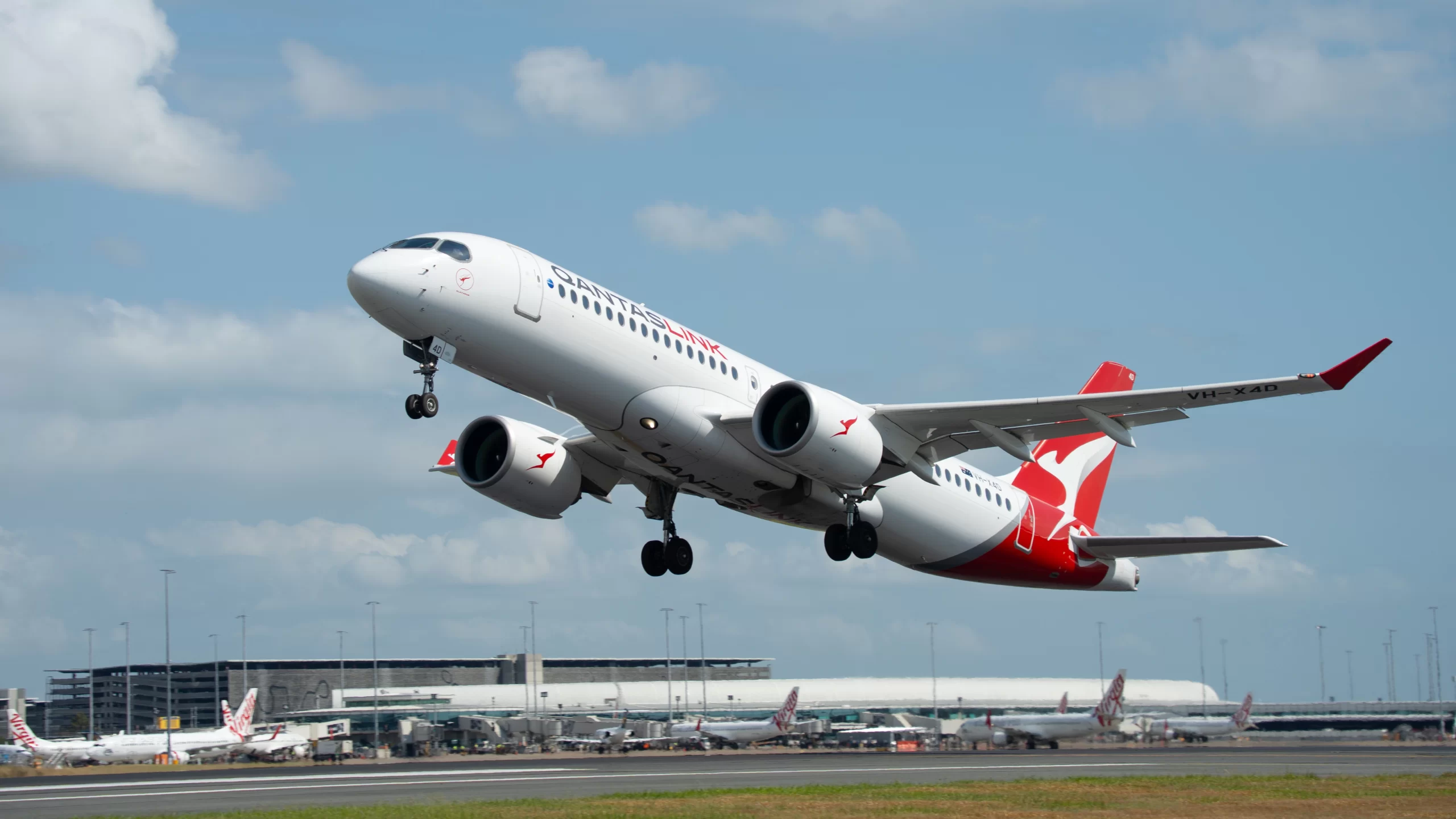
How The Airbus A220 Took Over the A319neo’s Market
The clearest reason for the A319neo’s decline sits inside Airbus’s own product range rather than at Boeing. Breaking down the 100-160-seat market, the manufacturer’s own presentation puts the A319neo’s share at just 3%, compared with 56% for the A220-100 and A220-300, 26% for Embraer’s E-Jet E2 family, and 15% for the Boeing 737 Max 7. Airbus acquired the former Bombardier CSeries programme in 2018 and rebranded it as the A220, a jet that now directly competes for the same 120-to-150-seat segment the A319neo was designed to serve.
Key figures behind the A319neo’s market position:
- 57 firm orders booked for the A319neo since 2019, versus 1,486 for the original A319.
- 3% market share for the A319neo in the 100-160-seat segment, against 56% for the A220 family.
- More than half of the A319neo’s order book comes from Chinese carriers.
- The A319neo offers a 3,700 nautical mile range advantage over the A220-300’s roughly 3,400 nautical miles, one of its few remaining technical edges.
The A319neo is not the first small Airbus narrowbody to lose out this way. The original A320 family included two smaller variants, the A318 and the A319. Airbus’s A318 suffered engine development delays and only 80 were ultimately delivered, so the manufacturer chose not to carry it into the re-engining programme at all, leaving the A319 as the sole small-jet candidate for a neo upgrade a decade later.
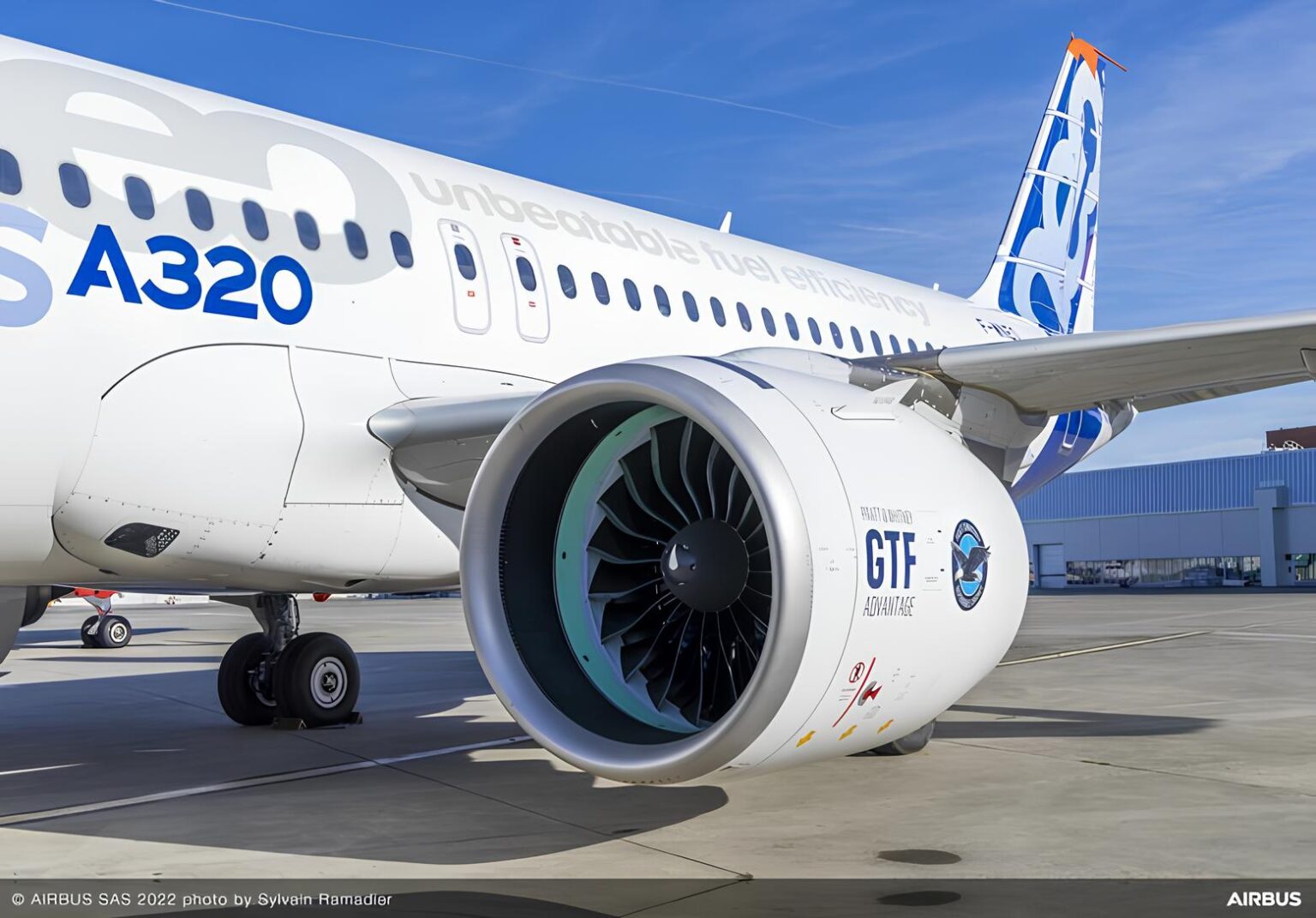
What This Means for the Wider A320neo Family
Sidelining the A319neo frees up manufacturing capacity rather than shrinking it. With the smallest variant no longer competing for production slots, Airbus can direct more of its assembly capacity toward the A320neo and A321neo, both of which continue to sell strongly. The overall A320neo family still carries a substantial backlog, with thousands of aircraft on order across the two larger variants, giving Airbus little incentive to keep chasing scarce A319neo demand when slots could instead serve its best-selling models.
The jet is not disappearing altogether. Airbus confirmed the A319neo remains available in the VIP segment, where it is marketed under the Airbus Corporate Jets brand as the ACJ319neo, a role that has historically kept demand for the type alive even as airline interest faded.
How This Compares with Airbus’s Broader Farnborough Messaging
The A319neo’s quiet exit stands in sharp contrast to the rest of Airbus’s news cycle this week. At the same Farnborough Airshow where this reporting emerged, Airbus was busy closing large widebody deals, including a firmed-up order for six additional A350-1000s from Riyadh Air, taking that carrier’s commitment to 31 aircraft. The two stories sit at opposite ends of Airbus’s product strategy: one reflects a manufacturer expanding capacity for its most successful long-haul jet, the other shows it retiring the least successful version of its core narrowbody family.
The pattern also fits a broader trend already visible on the narrowbody side. Airlines have increasingly chosen to upgauge to larger single-aisle jets rather than operate smaller ones, a shift that has pushed sales toward the A320neo and Airbus A321neo even before the A220 became a factor.
Airbus’s own commercial data suggests the A319neo was squeezed from multiple directions at once: larger Airbus siblings on one side, its own A220 on the other, and Embraer and Boeing regional competitors capturing much of what demand remained.
A Widening A220 Threat to the Rest of the A320 Family
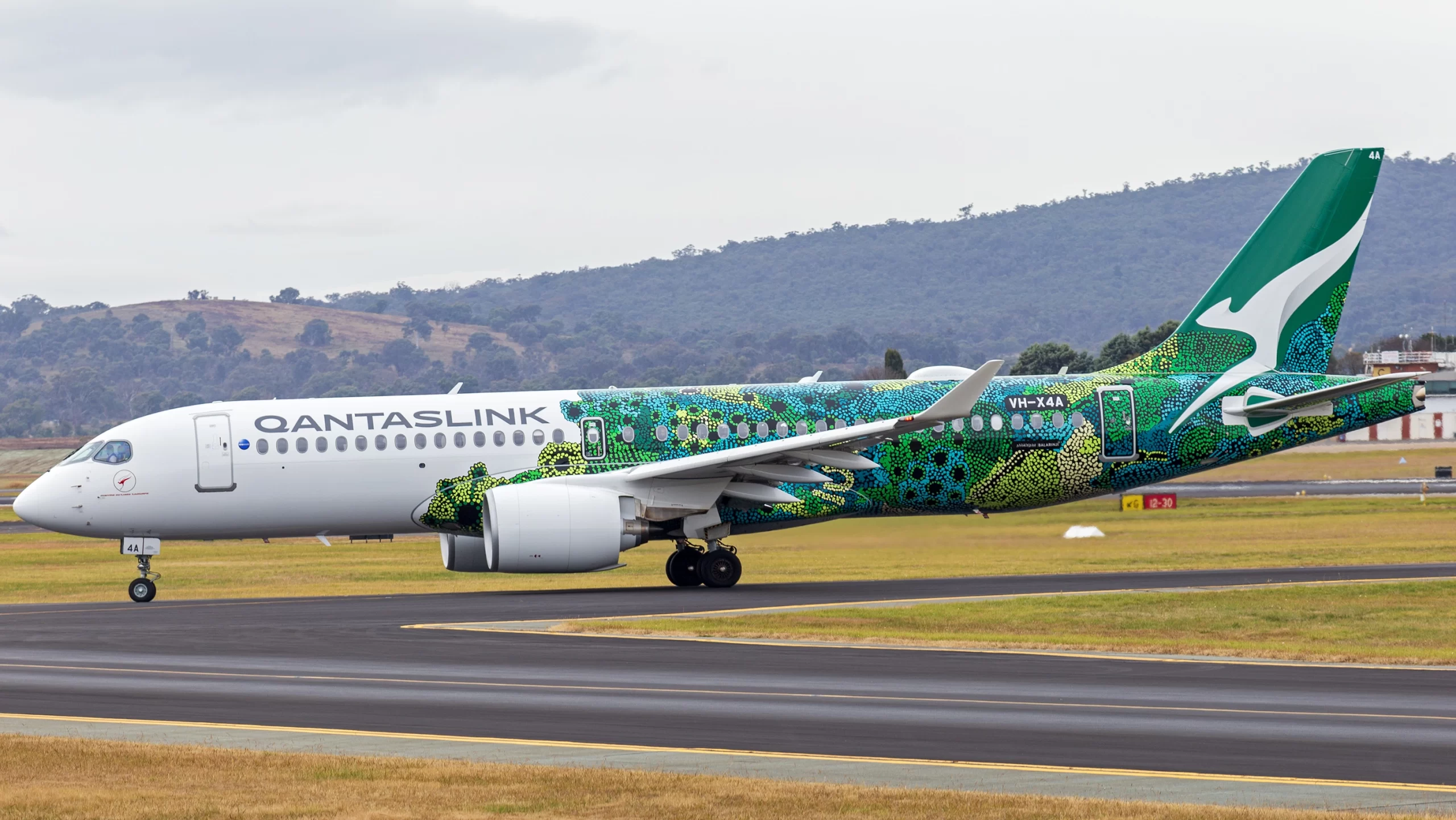
The pressure on Airbus’s smallest jet may not stop with the A319neo. Airbus has separately signalled interest in stretching the A220 further, with industry reporting pointing to a possible A220-500 variant that would push the type’s seating closer to the A320neo’s territory.
If that stretch moves forward, the A220 family would no longer just compete for the smallest end of Airbus’s single-aisle range, it would begin to overlap with the A320neo itself, raising the same internal-competition question that has already ended active A319neo sales.
For now, Airbus has not confirmed a launch decision on the larger A220 variant, but the direction of travel mirrors exactly what happened to the A319neo: a smaller, more efficient sibling gradually taking over territory once reserved for a larger Airbus jet.
What It Means for Airlines and the Narrowbody Market
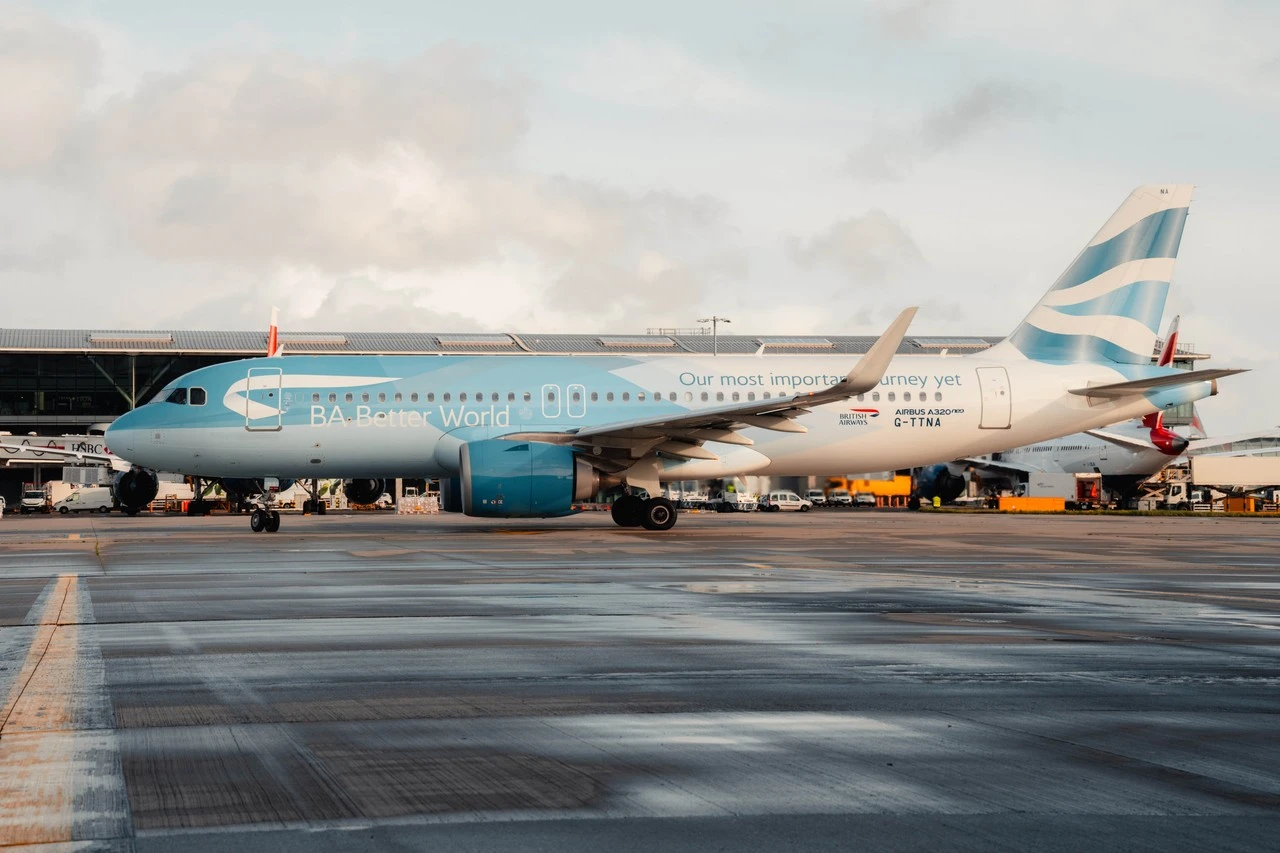
For airlines still weighing small single-aisle jets, the practical message is that the A319neo remains buildable but is no longer a jet Airbus will actively pitch. Carriers wanting a 120-to-150-seat aircraft are more likely to be steered toward the A220-300, which Airbus’s own data shows dominating that segment, or toward larger A320neo-family jets if higher capacity works for their network.
The decision also underscores how thoroughly Airbus’s 2018 acquisition of the former CSeries programme has reshaped its own product line, effectively retiring one of its longest-running aircraft families through internal competition rather than external market pressure.



_Airbus_A220-300_taxiing_at_Canberra_Airport.jpg)