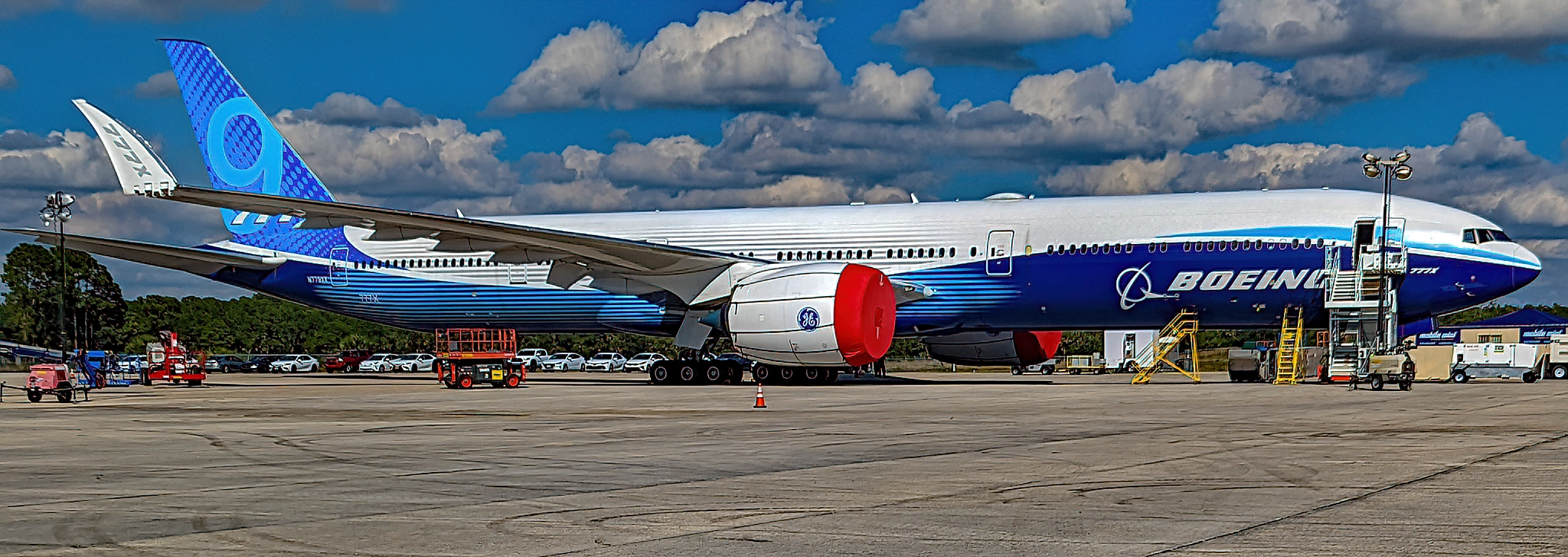
Boeing dismantled one of its earliest Boeing 777-9 airframes rather than complete it for delivery, according to reporting from The Air Current. The aircraft, known internally as WH007, rolled out of Boeing’s Everett, Washington factory in July 2019 partially painted in the colors of launch customer Emirates (EK). It never flew and was quietly torn apart at Paine Field (PAE) in the late summer of 2025.
Boeing confirmed the scrapping in a statement to The Air Current, saying it had decided not to complete one of its “partially assembled” 777-9s. The write-off was folded into the roughly $15 billion in accounting charges Boeing has taken against the 777X program since 2020, including a $4.9 billion reach-forward loss booked on October 29, 2025. That charge pushed the jet’s commercial debut to 2027 and set in motion a costly rework effort now facing around 40 already-built aircraft.
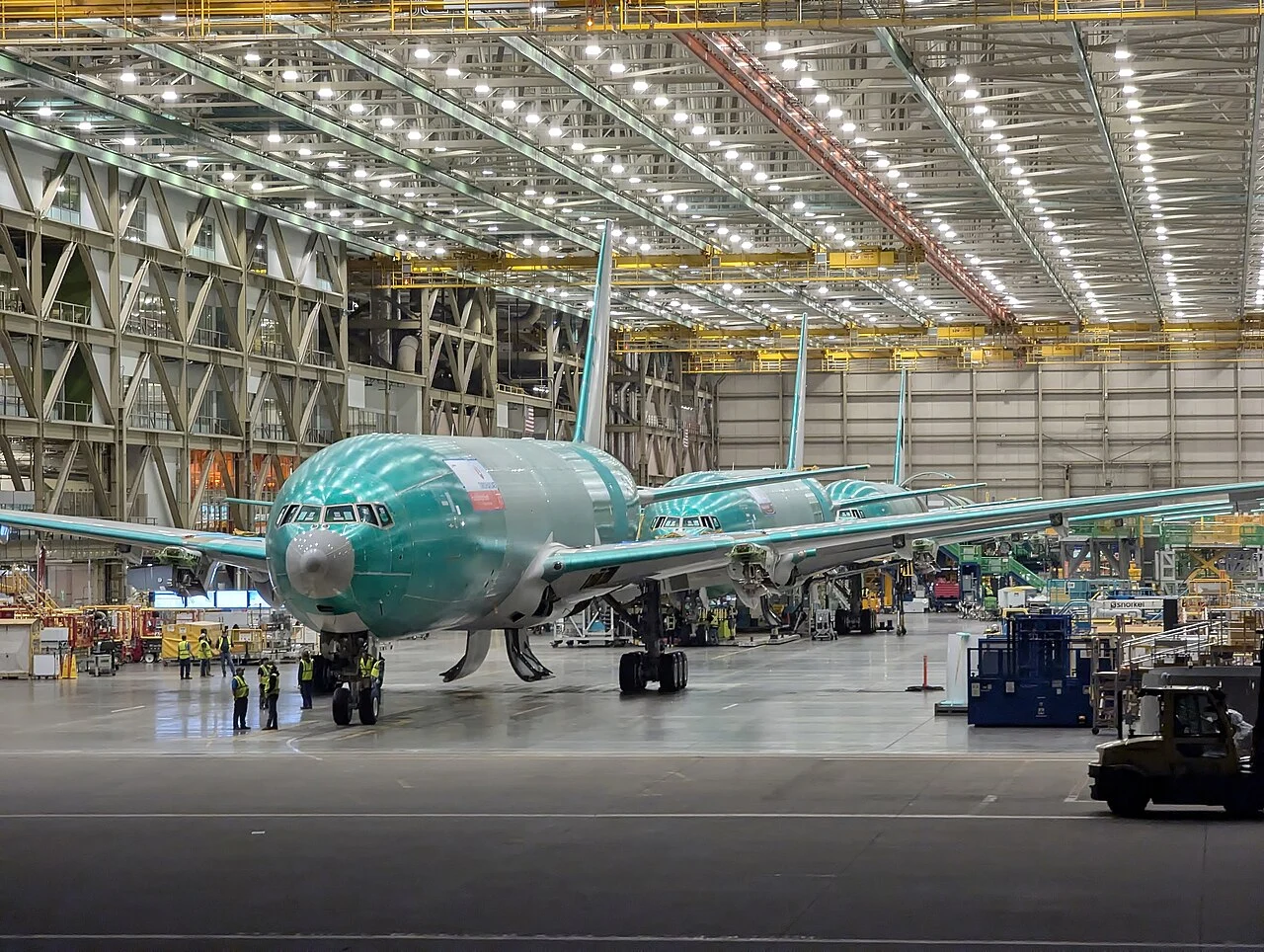
What Happened to Boeing’s Scrapped 777-9 Test Aircraft
WH007 was the seventh 777-9 ever built and was intended for Emirates under registration A6-EZT. The 251-foot jet spent roughly six years parked at Paine Field with weighted blocks hanging from its wings in place of engines. Its folding wingtips wore Emirates livery, but the rest of the fuselage was never painted.
Plane spotters had already noticed the aircraft’s wingtips removed within months of its 2019 rollout, a sign it was being cannibalized for parts even before its formal disassembly. Boeing has not said exactly when in 2025 the teardown was completed. The airline the jet was built for, Emirates, has separately made clear it does not want early-build 777X airframes at any price.

Why Boeing Chose to Scrap the WH007 Airframe
WH007 was built years before the 777-9’s design was finalized, which meant it carried an outdated configuration compared to jets built later in the program. Boeing’s process for fixing that mismatch is known as “change incorporation,” retrofitting already-built aircraft to match the final, FAA-certified standard. Simple Flying reported that the older an airframe, the more extensive that rework becomes.
For a plane as early in the production run as WH007, the math apparently did not work in Boeing’s favor. Scrapping the jet let Boeing avoid pouring further labor into an airframe whose eventual customer, Emirates, had already signaled reluctance to accept it. Boeing has not disclosed the specific cost of completing WH007 versus writing it off.
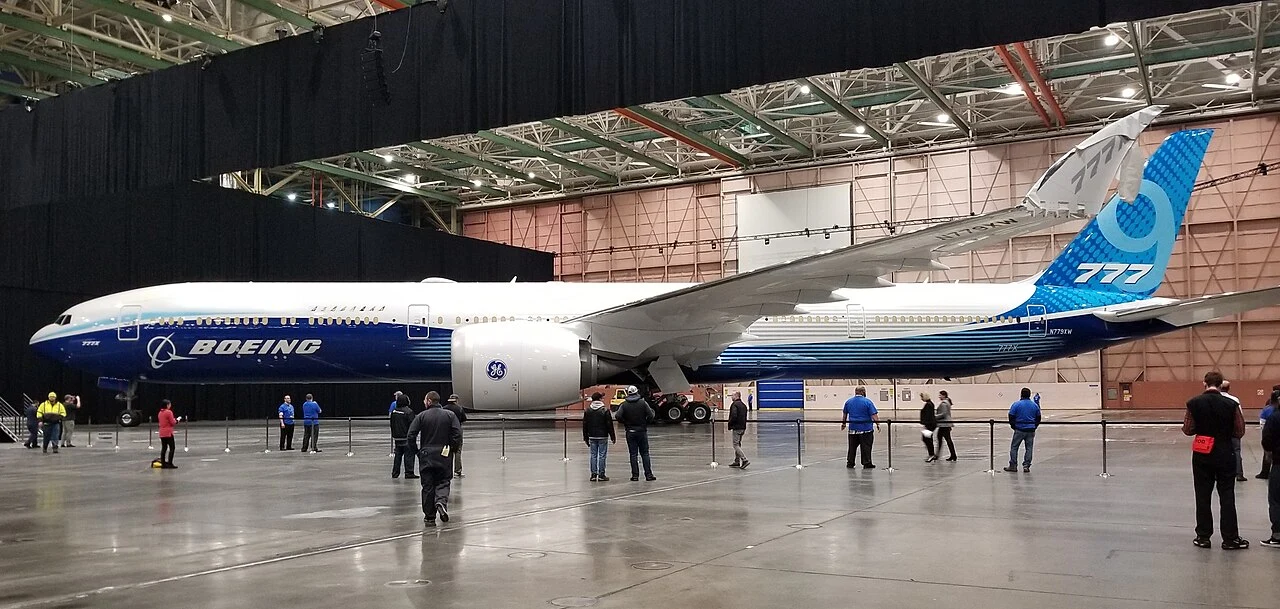
Inside Boeing’s Change Incorporation Challenge
Boeing is heading toward Federal Aviation Administration certification of the 737 Max 7 and posting its best half-year delivery total since 2018, but the 777X rework sits as a separate and expensive problem. The company says the work on its stored 777X fleet will stretch “over the next several years.” According to reporting from Simple Flying and The Air Current, the rework touches multiple aircraft systems, including:
- Flight control software updates
- Engine control software changes
- Wiring routing changes across several systems
- Fuselage and wing-root modifications
- Thrust link assembly retrofits
Boeing has reportedly set aside a former 747 assembly space at its Everett plant as one of several “shadow factory” sites dedicated to this change incorporation work, a strategy the company used previously on the 787 and 737 Max programs. Around 30 to 32 of the roughly 40 built 777-9s are believed to need this kind of retrofit before any airline will accept them.
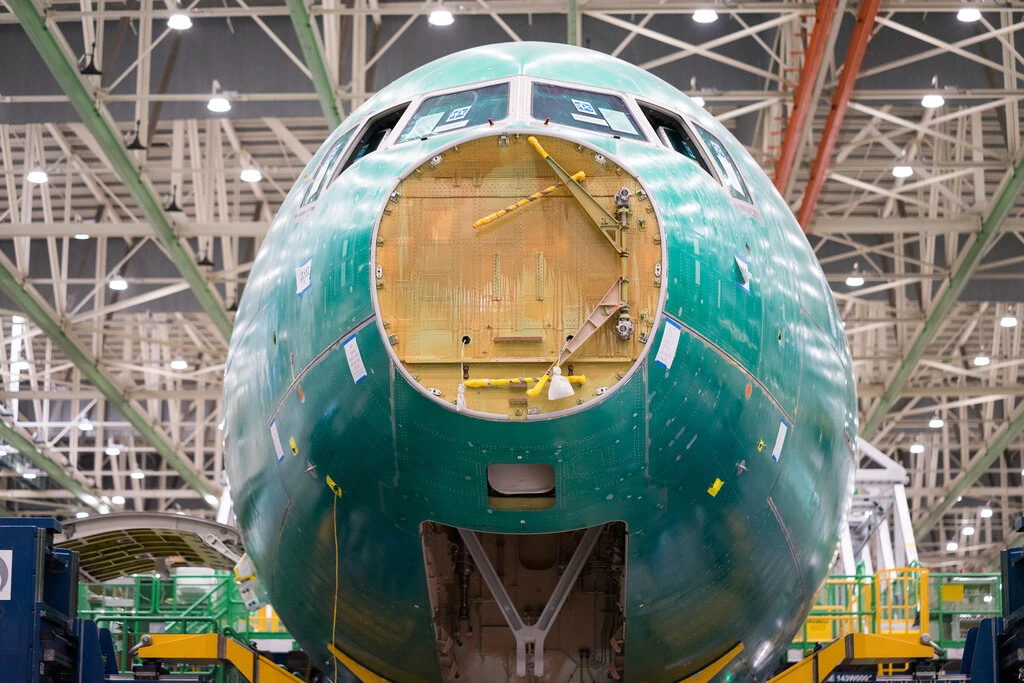
How This Echoes Boeing’s 787 “Terrible Teens” Problem
Boeing has faced a nearly identical situation before. Early-build Boeing 787 Dreamliners assembled before that program stabilized became known industry-wide as the “terrible teens,” and airlines were reluctant to accept them even after Boeing resolved the underlying issues. Boeing eventually sold many of those early Dreamliners at steep discounts, and some never entered service.
One of those Dreamliners, the 17th 787 built, had logged just 13 flight hours before it was broken apart for parts at Roswell Air Center in New Mexico earlier this year. The WH007 teardown suggests Boeing is applying the same lesson to the 777X rather than repeat the costly discounting cycle it went through with the 787.
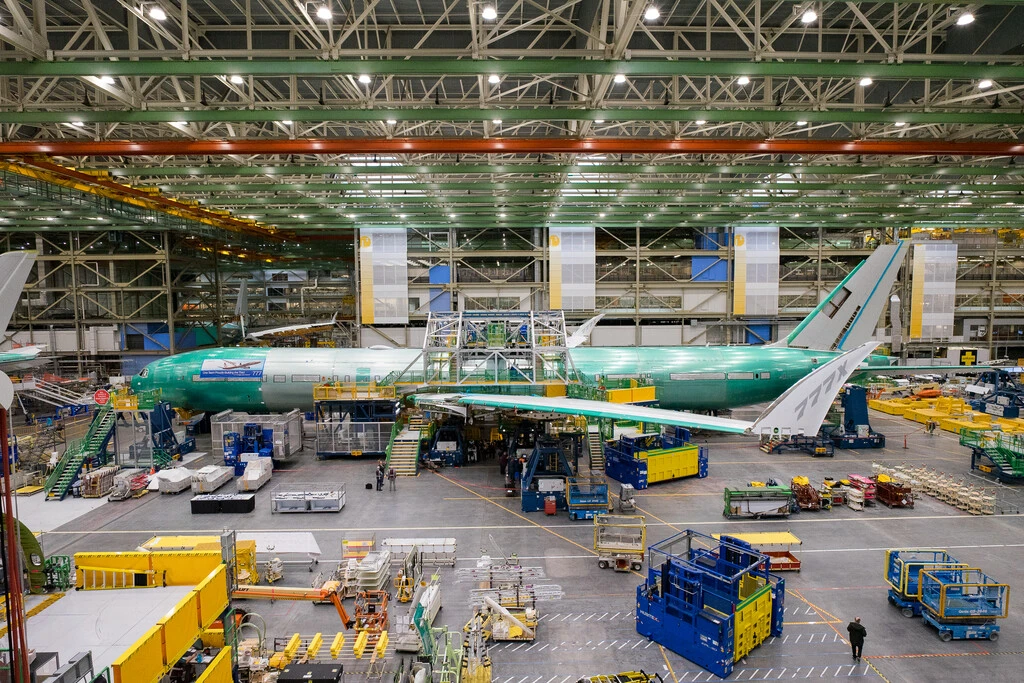
What This Means for Emirates, Lufthansa and the 777X Timeline
Emirates remains the 777X’s largest customer by a wide margin, holding firm orders for 270 aircraft, or roughly half of the entire passenger 777X backlog. Emirates president Sir Tim Clark has repeatedly said the carrier will not accept early-build airframes unless Boeing absorbs the full retrofit cost, and at least one other unnamed carrier has told Boeing the same thing. Qatar Airways and Lufthansa (LH) have reportedly raised similar concerns privately.
Lufthansa remains on track as the 777-9’s launch customer, and the first production-standard aircraft built for the airline completed its maiden flight from Everett in May 2026 with a fully outfitted Allegris business class cabin. Boeing CEO Kelly Ortberg told the Bernstein Strategic Decisions Conference in New York that the company expects to finish its flight test program by the end of the year, aside from extended-range twin-engine operations testing. Boeing is expected to face investor questions on the rework’s cost and timeline when it reports earnings on July 28, 2026.
Bottom Line
Boeing scrapped an early-build 777-9 rather than absorb the cost of bringing it up to current certification standards, a decision that illustrates the scale of the change incorporation effort now facing roughly 40 already-built 777X jets.
The episode closely mirrors Boeing’s earlier struggle with early 787 Dreamliners, and it comes as Emirates and other launch customers push back on accepting older airframes at any price. With the 777-9’s commercial debut still targeted for 2027, seven years behind its original schedule, the rework bill is likely to remain a central storyline for Boeing’s aerospace business well into the decade.


_(cropped).jpg)
.jpg)