Emirates (EK) has confirmed it will not fly the Airbus A380 on five major routes from Dubai International Airport (DXB) throughout August 2026. The affected routes connect Dubai with Glasgow Airport (GLA), Hong Kong International Airport (HKG), Kansai International Airport (KIX) in Osaka, Perth Airport (PER), and Václav Havel Airport Prague (PRG). Schedule data filed with aviation analytics platform Cirium and OAG shows the world’s largest A380 operator has pushed the type’s return on all five routes to September 1, citing the continuing effects of the war in Iran, according to Simple Flying.
The delay affects travelers booked between Dubai and these five cities across Europe, Asia, and Australia during one of the busiest months of the summer travel season. Passengers will fly on Boeing 777-300ER aircraft instead, which carry fewer seats than the superjumbo. Emirates has not withdrawn service on these routes entirely, and the airline still plans to reinstate double-decker flights once conditions allow.
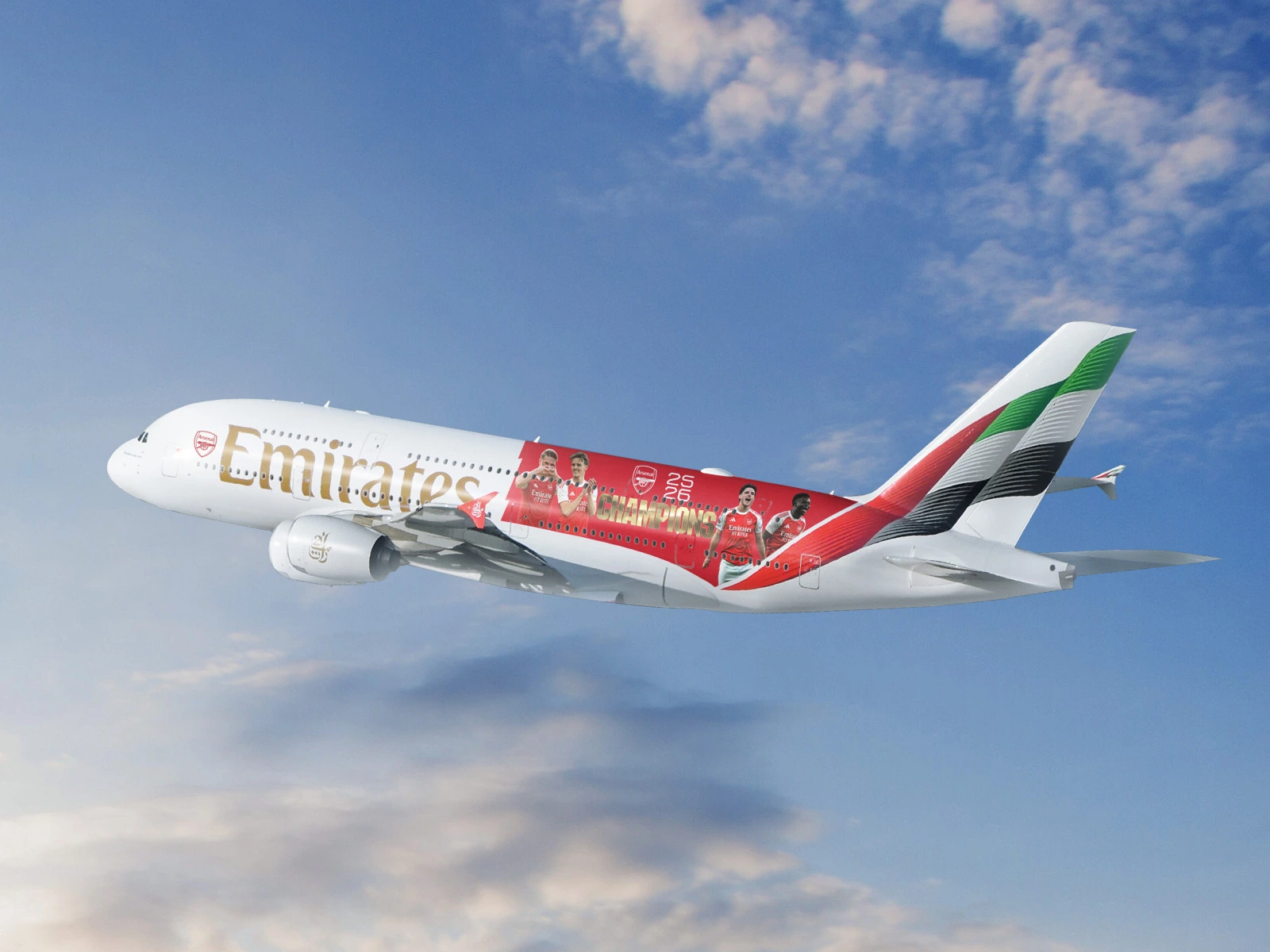
Five Routes Lose A380 Service Through August 2026
Emirates operates all five affected routes daily from its Dubai hub. None of the five currently sees A380 service, and for most of them the aircraft type was originally due to return in August before Emirates pushed the date back again. The delay marks the second or third postponement for several of these routes since the war in Iran began earlier in 2026.
Glasgow has hosted Emirates flights since April 2004, when the airline first launched the route with the Airbus A330-200. Regular A380 service to the Scottish city began in 2019 and returned again in 2023, and the airline previously operated up to two daily A380 flights there, though that frequency was last available in early 2020, according to Simple Flying’s route analysis.
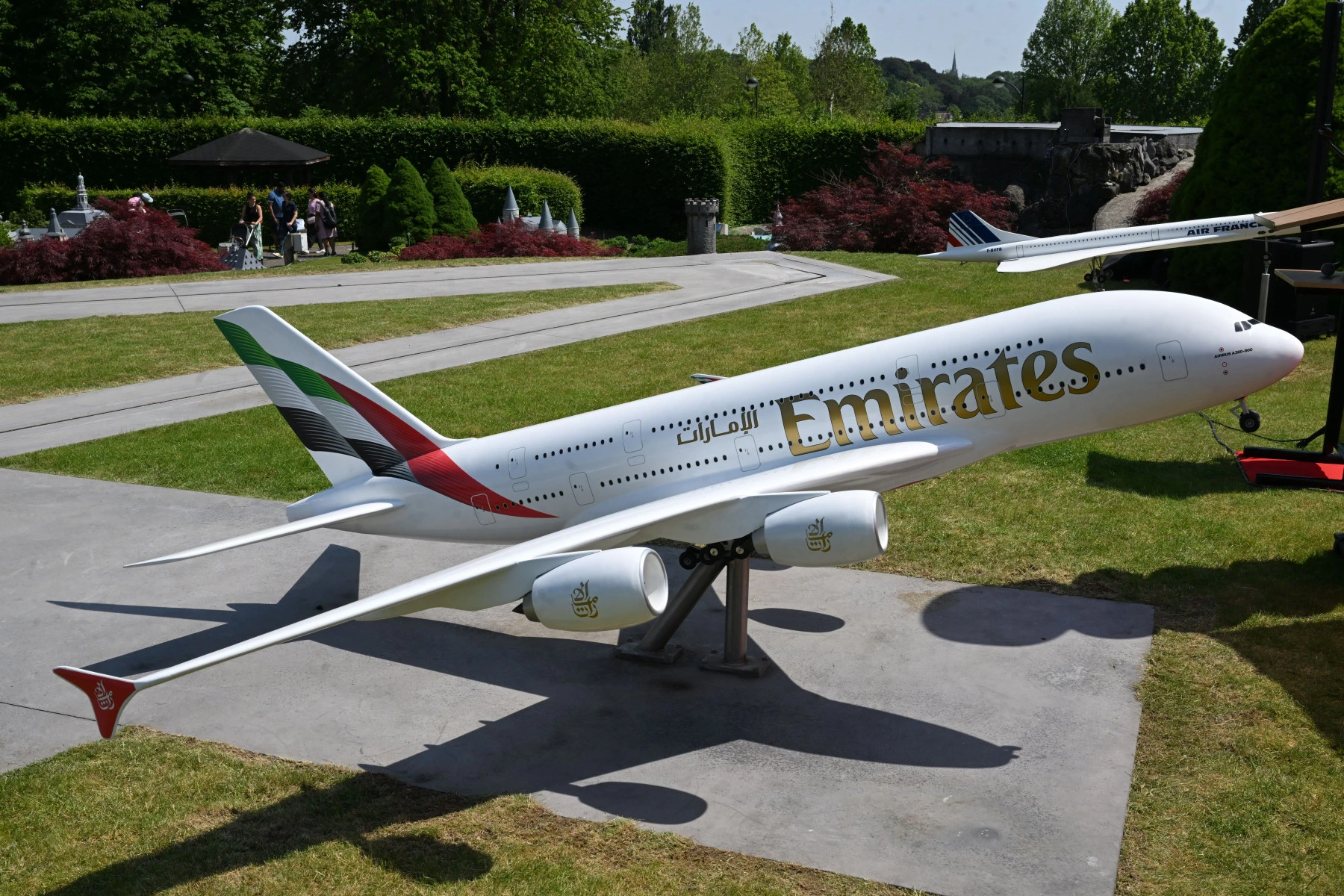
Hong Kong Keeps A380 Access Through a Connecting Flight
Hong Kong (HKG) presents a more complicated picture than the other four cities. Emirates still flies the A380 from Dubai to Hong Kong, but only through a connection via Bangkok Suvarnabhumi Airport (BKK), using fifth-freedom rights between Bangkok and Hong Kong. The aircraft does not currently operate nonstop between the two hubs.
Emirates has scheduled three daily A380 flights to Hong Kong starting October 1, made up of two nonstop services and one routed through Bangkok. Schedule submissions to Cirium show that nonstop A380 frequency to Hong Kong last operated in 2020. The route sits within a broader expansion of Hong Kong International Airport, which opened a new HK$12.9 billion Terminal 2 in May 2026 as part of a wider push toward 120 million annual passengers.
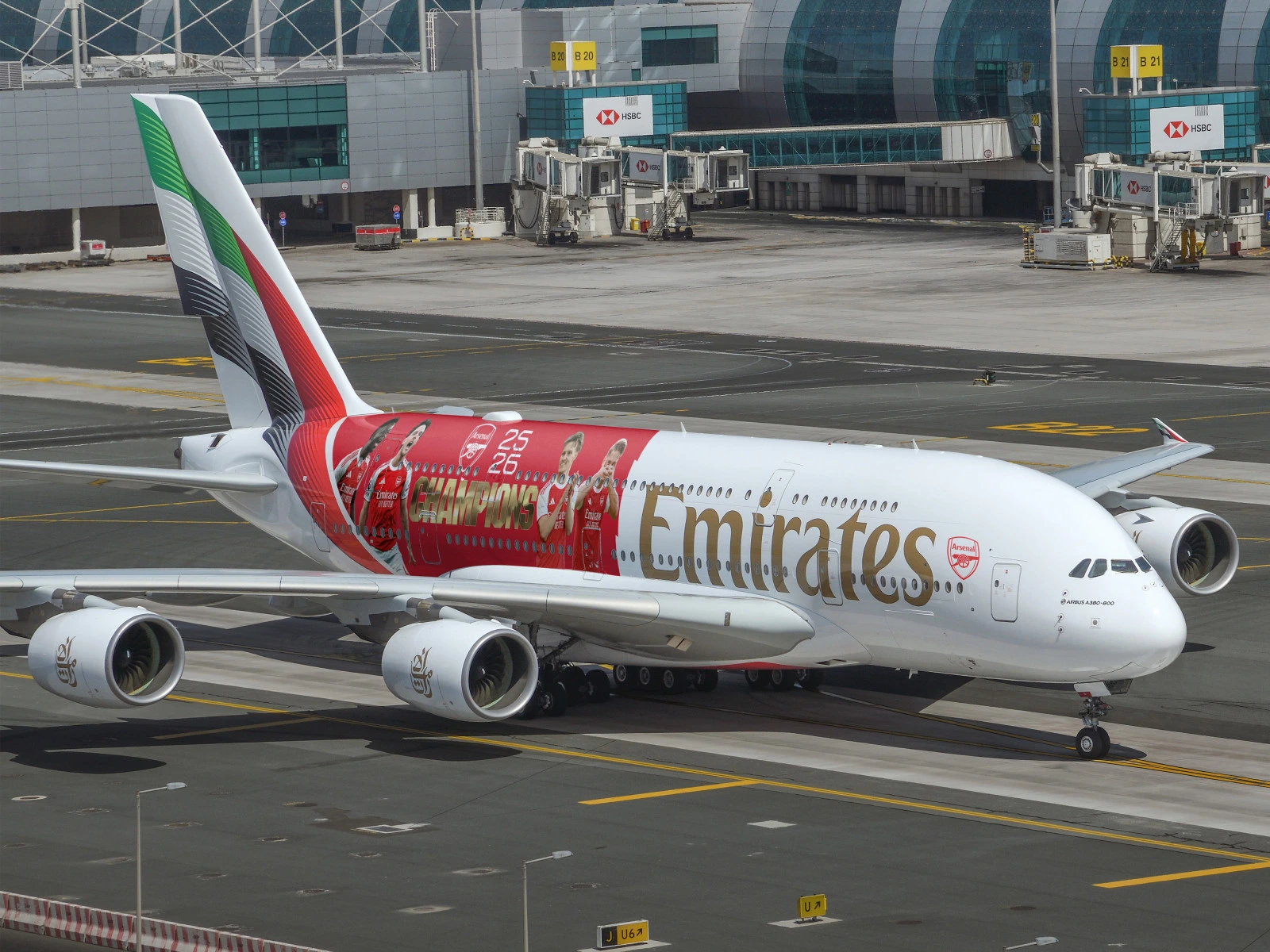
Why The War in Iran Keeps Delaying the Superjumbo’s Return
The war in Iran has disrupted Gulf aviation since it began in early 2026. Euronews reported that more than 11,000 flights in and out of the region were cancelled in the conflict’s first few days, and Emirates and its budget affiliate flydubai briefly halted all operations. The UAE’s General Civil Aviation Authority later confirmed that airspace had returned to normal status, but the disruption to fleet planning has continued for months afterward.
At the peak of the disruption in late March 2026, Emirates had stripped A380 service from 15 routes, and the airline was averaging just 45 daily A380 departures from Dubai in April, a 43% drop compared with the same month in 2025.
Emirates trimmed A380 capacity further in May and June, removing an additional 7% of scheduled superjumbo flights during that period. Some routes, including Copenhagen, were cut on a permanent basis unrelated to the conflict, while Glasgow, Hong Kong, Osaka, Perth, and Prague fall into the temporary, war-related category.
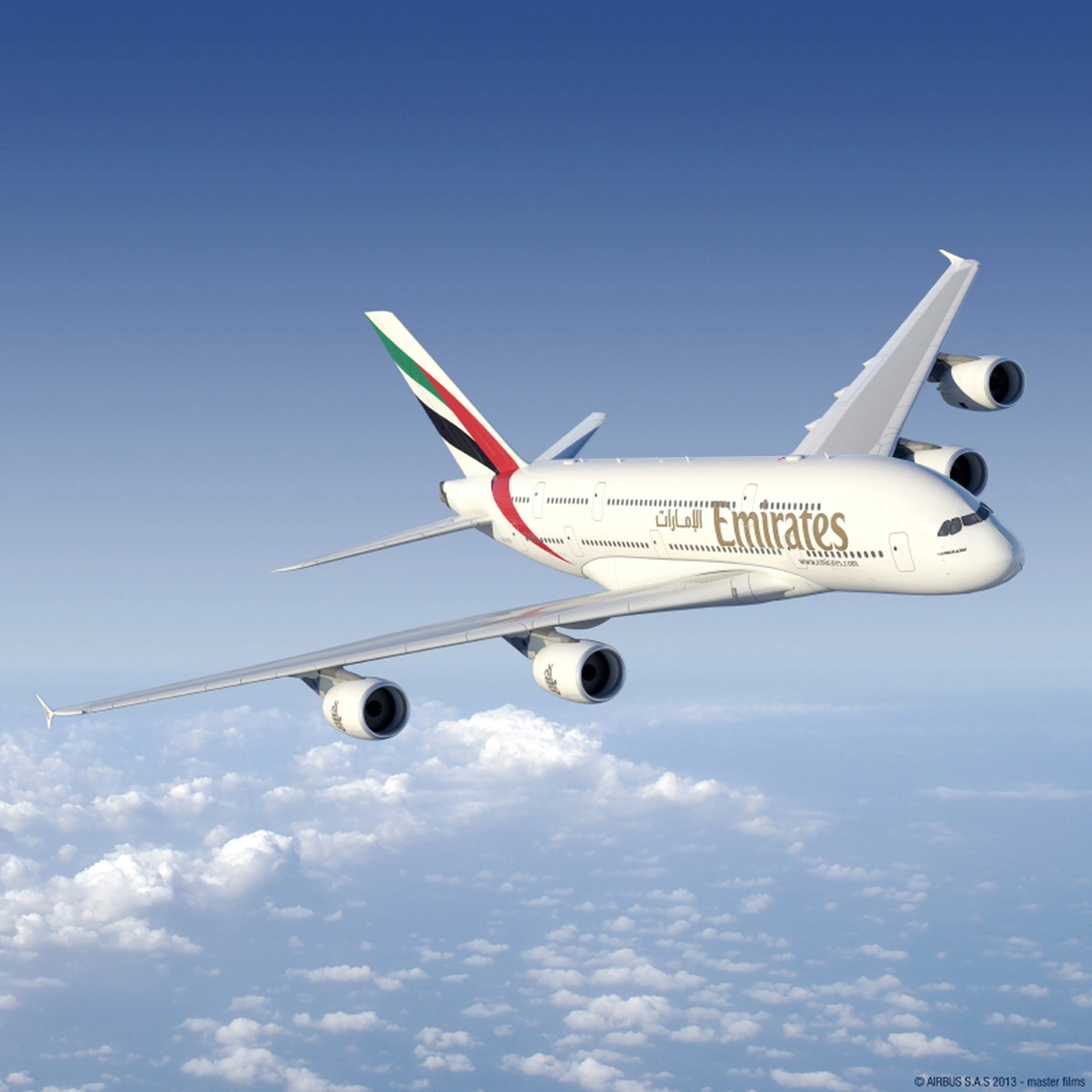
The August suspension is not an isolated event. Emirates cut 16% of its entire June 2026 flight programme in a single scheduling update, withdrawing 480,000 seats and reassigning 286 one-way A380 flights to smaller aircraft across a group of routes that included Glasgow, Munich, Osaka Kansai, Perth, and Washington Dulles.
Emirates separately confirmed it will drop the A380 from its Beijing route entirely from July 2026, replacing the single daily superjumbo flight with two daily Boeing 777-300ER services. Unlike the five routes suspended in August, the Beijing change reflects a permanent network decision rather than a war-related deferral, since the route gains a frequency back even without the larger aircraft.
Emirates plans to operate about 16% fewer A380 flights in July 2026 than a year earlier, with its Australasia network down by more than a quarter and its European A380 flying down almost 23%, according to Cirium data cited by AGBI.
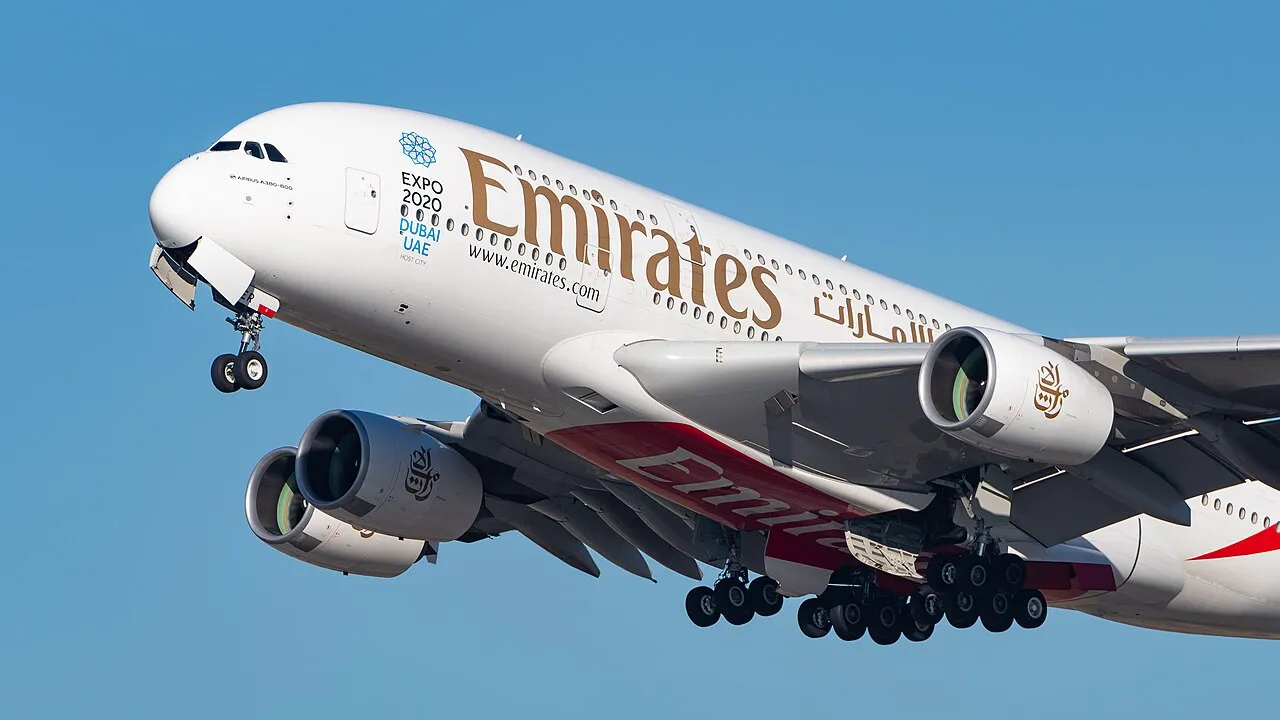
What The A380 Network Could Look Like if Flights Resume in September
If Emirates restores A380 service to all five suspended routes in September as planned, the airline expects to operate 82 daily A380 departures from Dubai, accounting for more than a third of its total activity from the hub, Simple Flying reported. That would represent a rise from the 77 daily A380 departures Emirates operated in September 2025, and the aircraft would serve 53 destinations worldwide under that scenario.
Part of the projected increase comes from routes that have already returned to A380 service after earlier suspensions. The superjumbo resumed flying to Shanghai Pudong International Airport (PVG) in October 2025 and to Guangzhou Baiyun International Airport (CAN) in February 2026.
Emirates also plans additional A380 frequencies to Bangkok, Bali’s Ngurah Rai International Airport (DPS), Singapore Changi Airport (SIN), and Zurich Airport (ZRH), while a planned October launch of A380 service to Delhi is not included in the September projection.
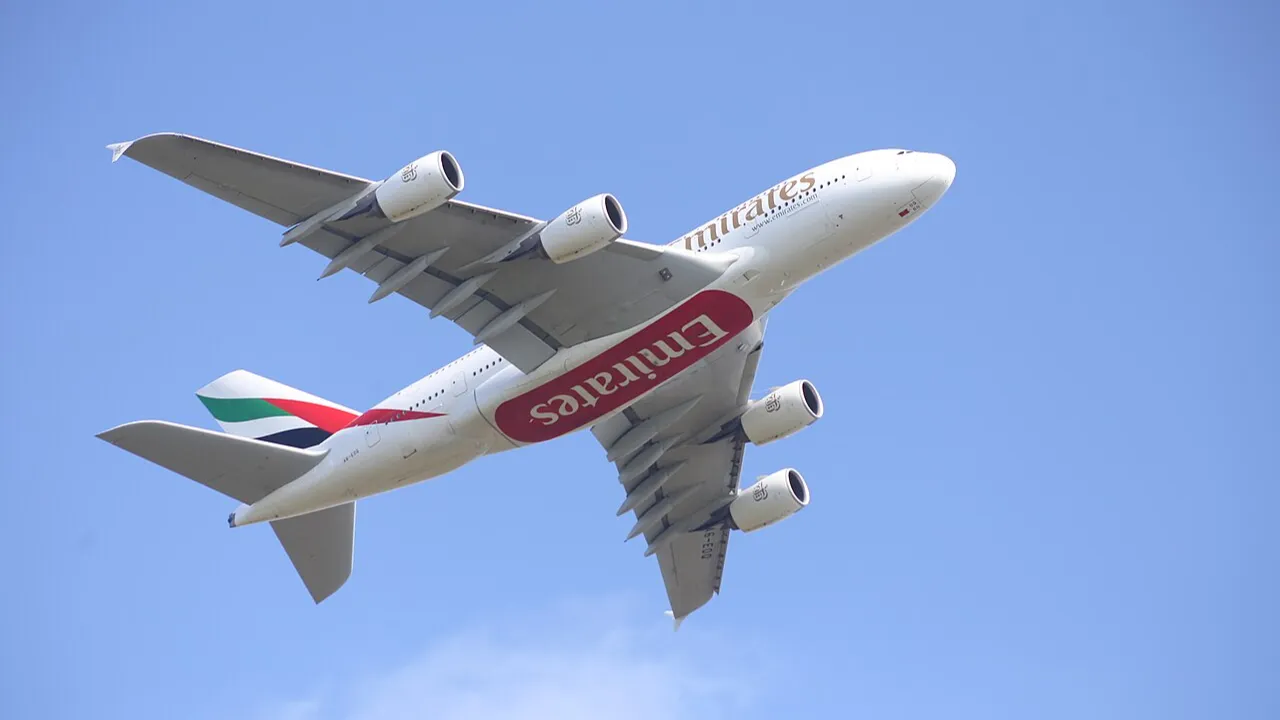
All in All
The airline continues to operate all five routes on a daily basis using the Boeing 777-300ER, so the suspension affects aircraft type and cabin product rather than route availability itself.
Emirates President Tim Clark has indicated the carrier intends to grow its active A380 fleet toward approximately 110 aircraft by the end of 2026, according to Aviation Week, suggesting the airline remains committed to the aircraft over the longer term even as this summer’s schedule remains in flux.