Skytrax has released its 2026 World Airport Awards, naming a certain Asian airport as the top performer among airports handling more than 80 million passengers a year. The category recognises facilities that combine enormous scale with high passenger satisfaction, based on a global survey Skytrax conducted between August 2025 and February 2026. Some of the most popular international airports such as Istanbul Airport (IST), Dubai International Airport (DXB), and London Heathrow Airport (LHR) also make the cut of the ten best airports handling more than 80 million passengers.
The awards, announced on March 18, 2026, during a ceremony in London, are based on questionnaires completed by travellers of more than 100 nationalities. Skytrax runs the survey independently, without funding or involvement from the airports being rated. This particular category matters because it isolates the airports facing the toughest operational test: keeping tens of millions of annual passengers moving smoothly without sacrificing comfort or cleanliness.
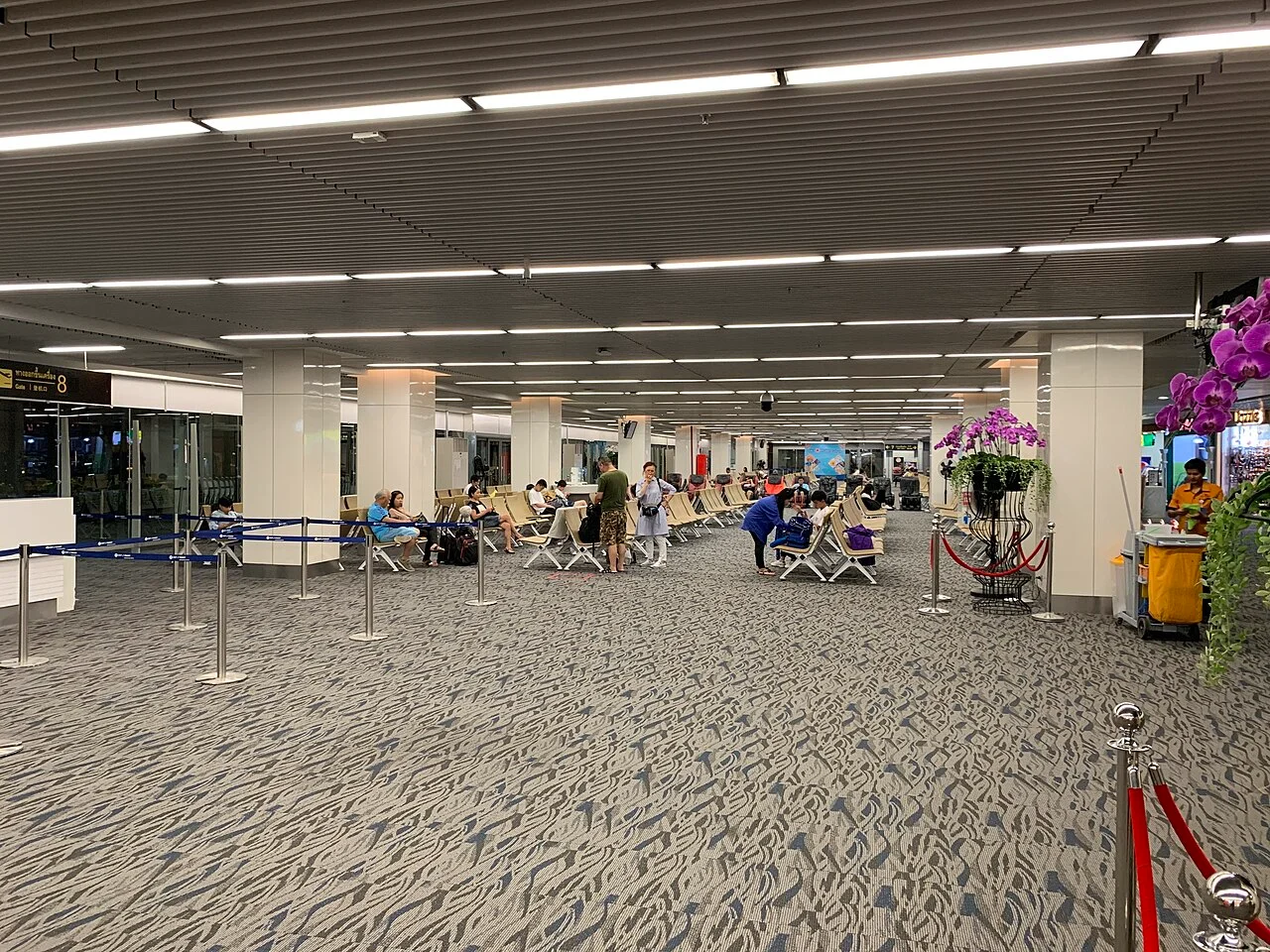

Why This Category Exists: Judging Airports Against Their Own Scale
Skytrax splits its rankings by annual passenger volume because comparing a small regional airport against a mega-hub on raw satisfaction scores would be unfair. The 80-million-plus tier is the busiest bracket Skytrax tracks, sitting above the 70-million and 60-to-70-million tiers that include airports such as Seoul Incheon, Paris Charles de Gaulle, and Singapore Changi. Airports in this top tier face daily passenger volumes that rival small countries’ populations passing through in a single week.
Handling that scale without long queues, lost bags, or worn-down facilities requires constant reinvestment. The airports that made this list have each spent heavily on automation, terminal expansion, and staff training in recent years, according to Skytrax’s own award citations.
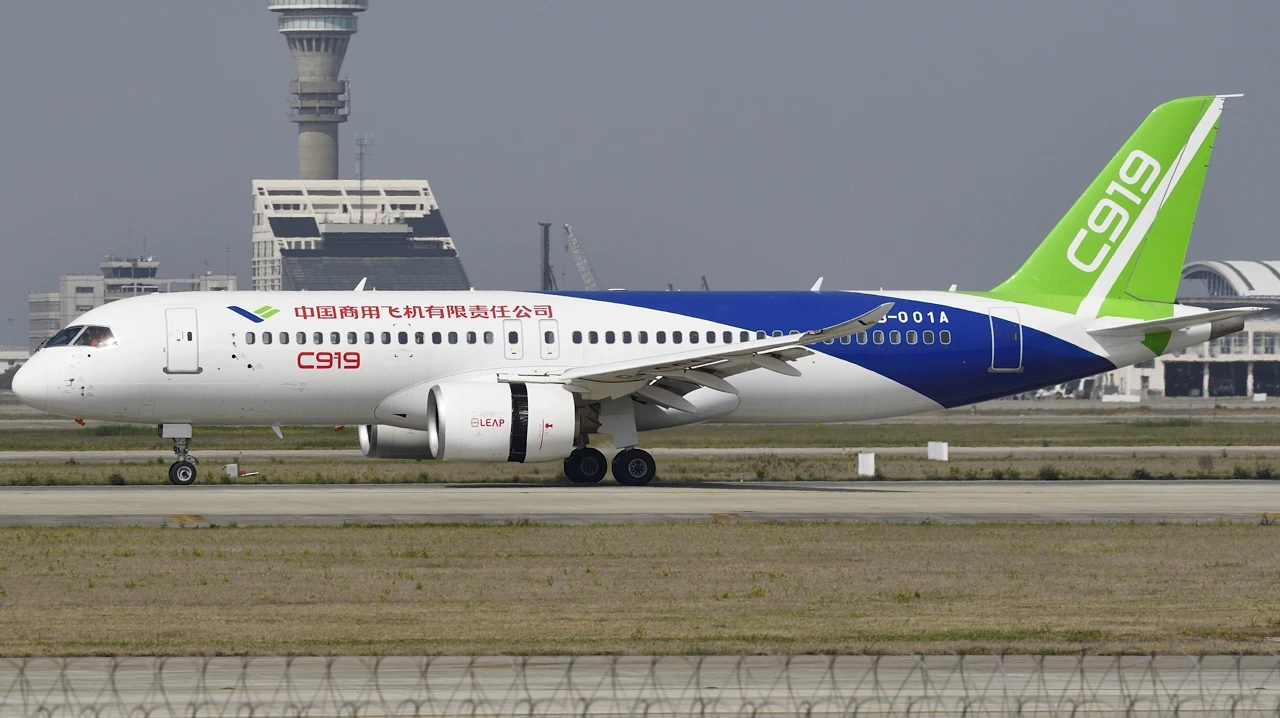

10. Shanghai Pudong International Airport (China)
Shanghai Pudong (PVG) closes out the top 10, capping a remarkable rise from 10th place to 5th in ACI’s global traffic rankings within a single year, driven by 10.7 percent passenger growth in 2025. That growth means that this airport is the category’s biggest climber and reflects China’s continued international travel recovery, eased visa policies, and expanded route connectivity.
Pudong plays a critical role linking East Asia with Europe, North America, and Oceania. Modern terminals and continued technology investment have helped the airport manage its rapid climb without a corresponding drop in service quality, according to Skytrax’s assessment.


9. Chicago O’Hare International Airport (US)
Chicago O’Hare (ORD), which has the highest aircraft movements of any airport on earth, ranks ninth in the category. Separately, ACI data shows O’Hare led the entire world in aircraft movements in 2025, with more than 860,000 takeoffs and landings, ahead of even Atlanta.
O’Hare’s large-scale redevelopment projects have modernised terminal experiences and introduced upgraded amenities in recent years. The airport’s extensive airline network and strategic Midwestern position keep it central to both domestic and international connectivity.
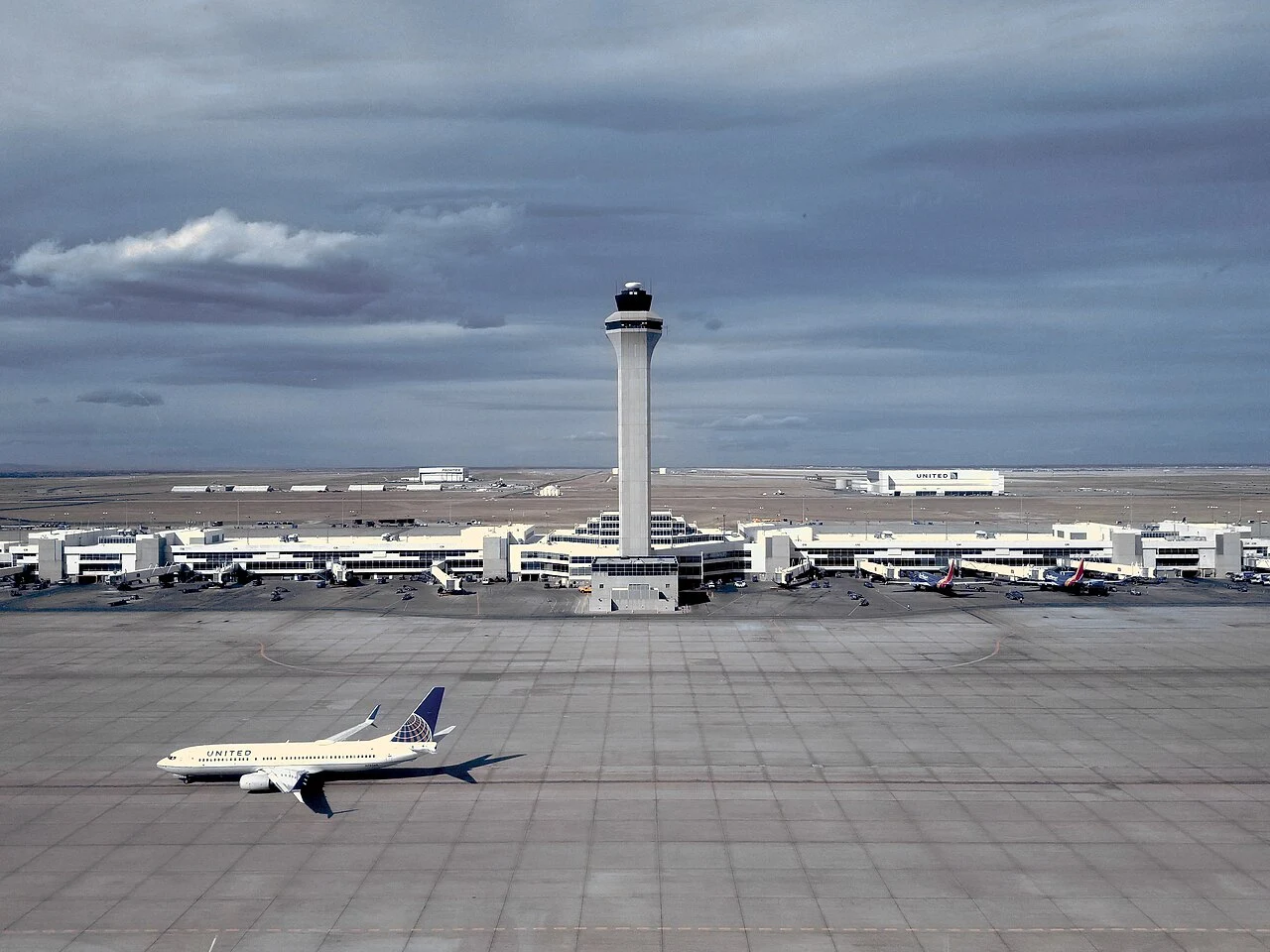

8. Denver International Airport (US)
Denver International Airport (DEN) ranks eighth, continuing its expansion as one of North America’s most important aviation gateways. Recognisable by its distinctive tented roof architecture, Denver offers spacious terminals and extensive runway capacity built to support growing demand.
Passengers point to Denver’s clean terminals, diverse dining options, and ongoing terminal modernisation as strengths. The airport’s strategic location between the eastern and western United States continues to make it a valuable connecting hub for domestic carriers.


7. Hartsfield-Jackson Atlanta International Airport (US)
Atlanta (ATL) ranks seventh in Skytrax’s satisfaction-based category, even though Airports Council International data shows ATL was the world’s single busiest airport by total passenger traffic in 2025, the only airport globally to cross 100 million passengers in a year. That gap between Skytrax’s service ranking and ACI’s raw traffic ranking is one of the more striking findings in this year’s results.
Atlanta’s central US location makes it Delta Air Lines’ primary hub and a key connecting point for domestic and international flights. Despite handling more passengers than any other airport on the planet, Atlanta has maintained strong reliability and ongoing terminal enhancements, according to Skytrax’s citation.
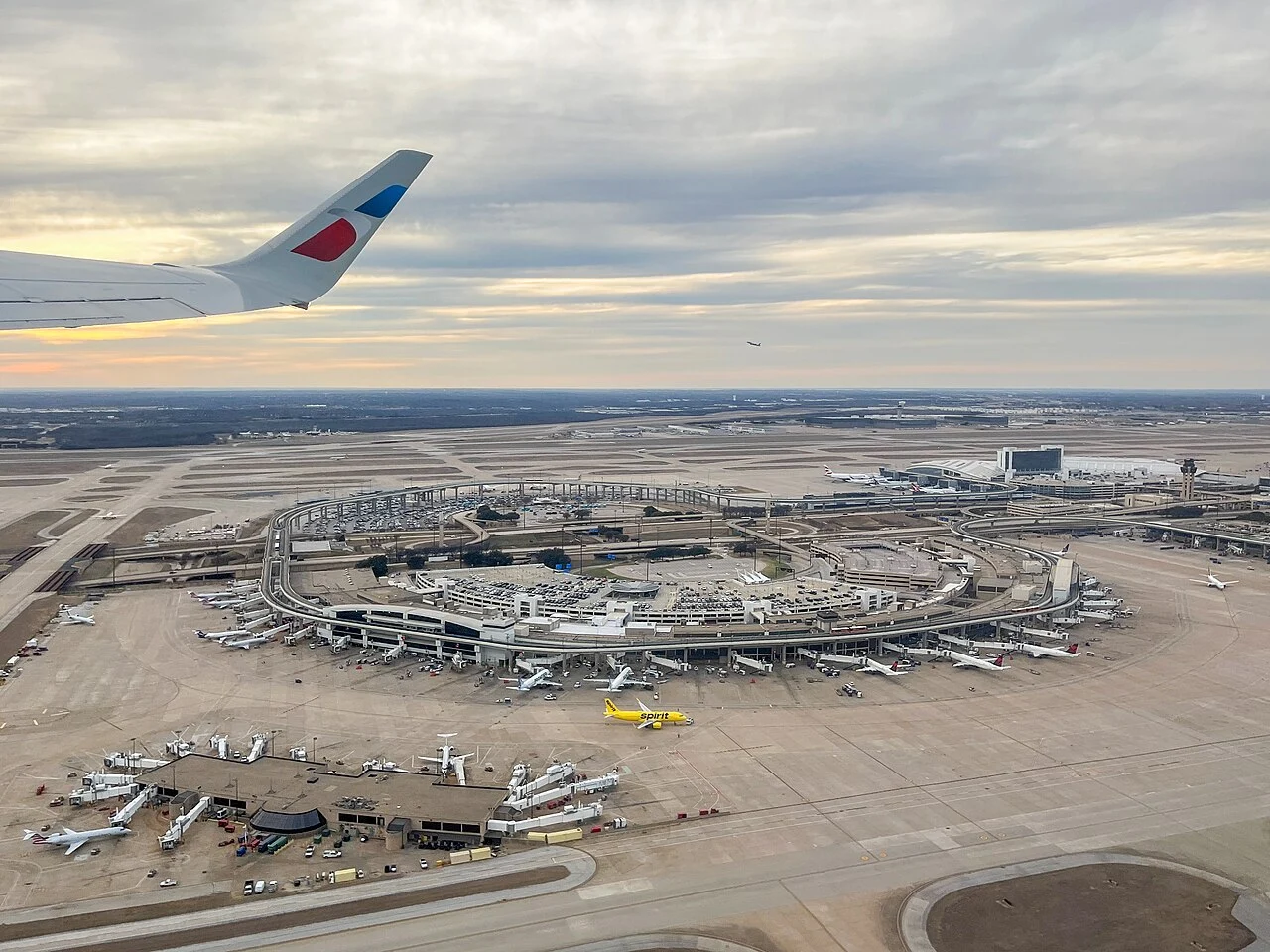

6. Dallas/Fort Worth International Airport (US)
Dallas/Fort Worth (DFW) takes sixth place, remaining one of the largest airports in the world by land area. The Texas hub anchors American Airlines’ domestic network and functions as a critical connecting point across North America.
Passengers frequently praise DFW’s organised layout and internal transport systems, which help travellers move efficiently between its five terminals. Ongoing investments in sustainability initiatives and technology continue to support the airport’s operational performance as it handles growing passenger volumes.
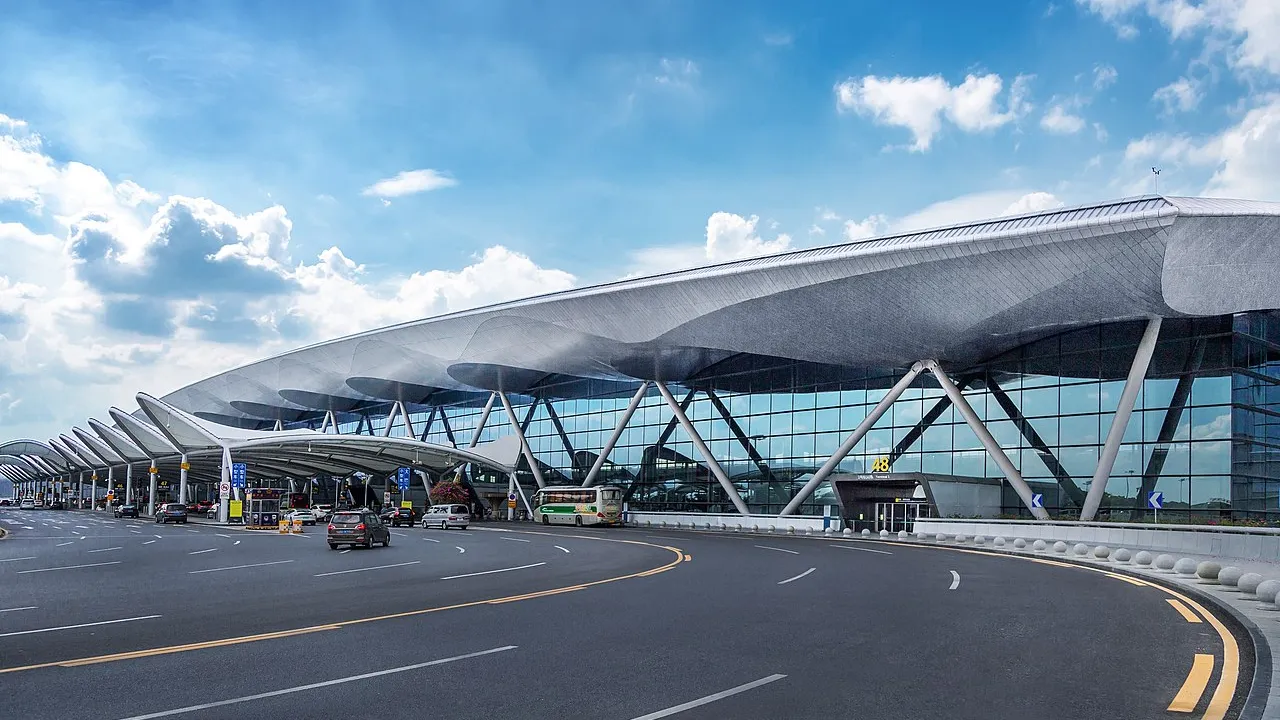

5. Guangzhou Baiyun International Airport (China)
Guangzhou Baiyun ranks fifth, continuing a rapid climb that has taken the airport from outside the world’s top 50 by traffic just a few years ago to a fixture in the top 10. Airports Council International recorded Guangzhou’s 2025 passenger traffic growing 9.5 percent year over year, among the fastest expansion rates of any major hub globally.
The airport functions as southern China’s principal international and domestic gateway, with automation and digital processing systems added specifically to manage that growth. Guangzhou’s importance as a commercial and logistics centre continues to reinforce its position among Asia’s leading airports.
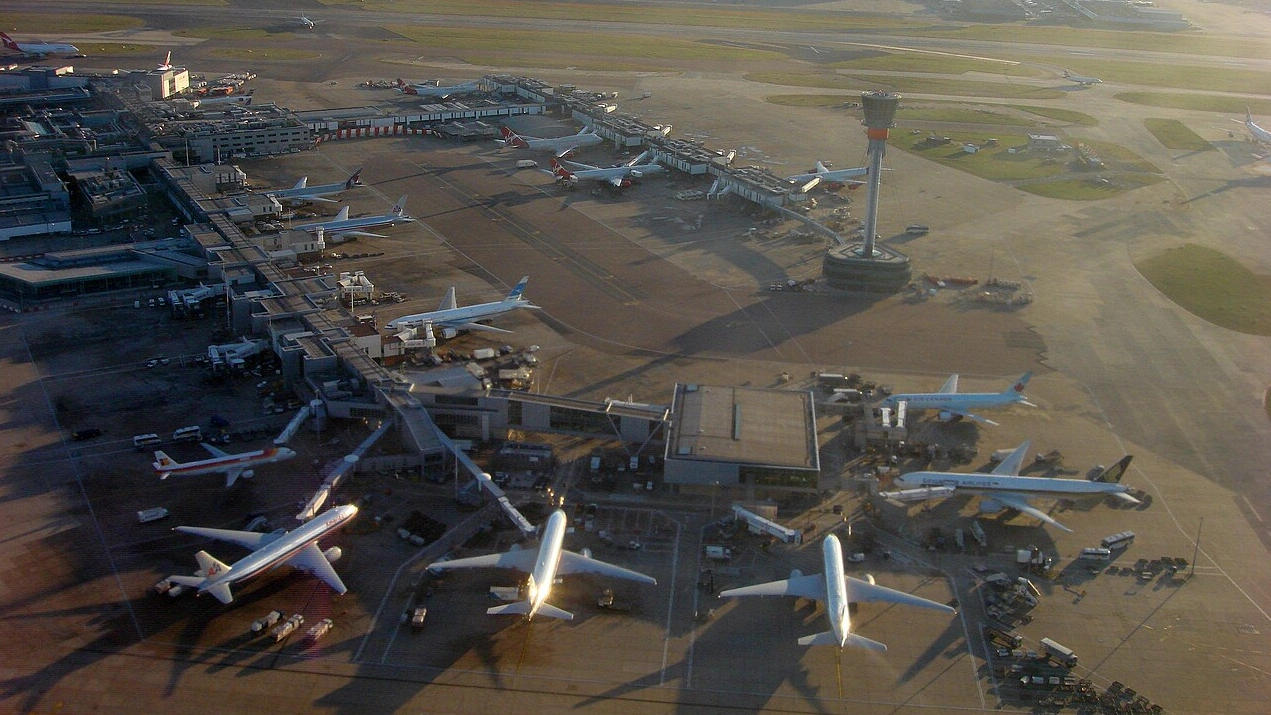

4. London Heathrow Airport (UK)
London Heathrow ranks fourth, retaining its position as Europe’s busiest airport and the United Kingdom’s principal international gateway. Heathrow also won a separate 2026 Skytrax award for World’s Best Airport Shopping, reflecting its retail strength even at near-maximum operating capacity.
Heathrow operates close to its ceiling of roughly 10,500 weekly aircraft movements, leaving little room for additional growth without new infrastructure. Despite that pressure, the airport continues investing in digital innovation and customer service, and its terminals remain popular with business and leisure travellers connecting across Heathrow’s global network. The airport might also get its third runway soon.
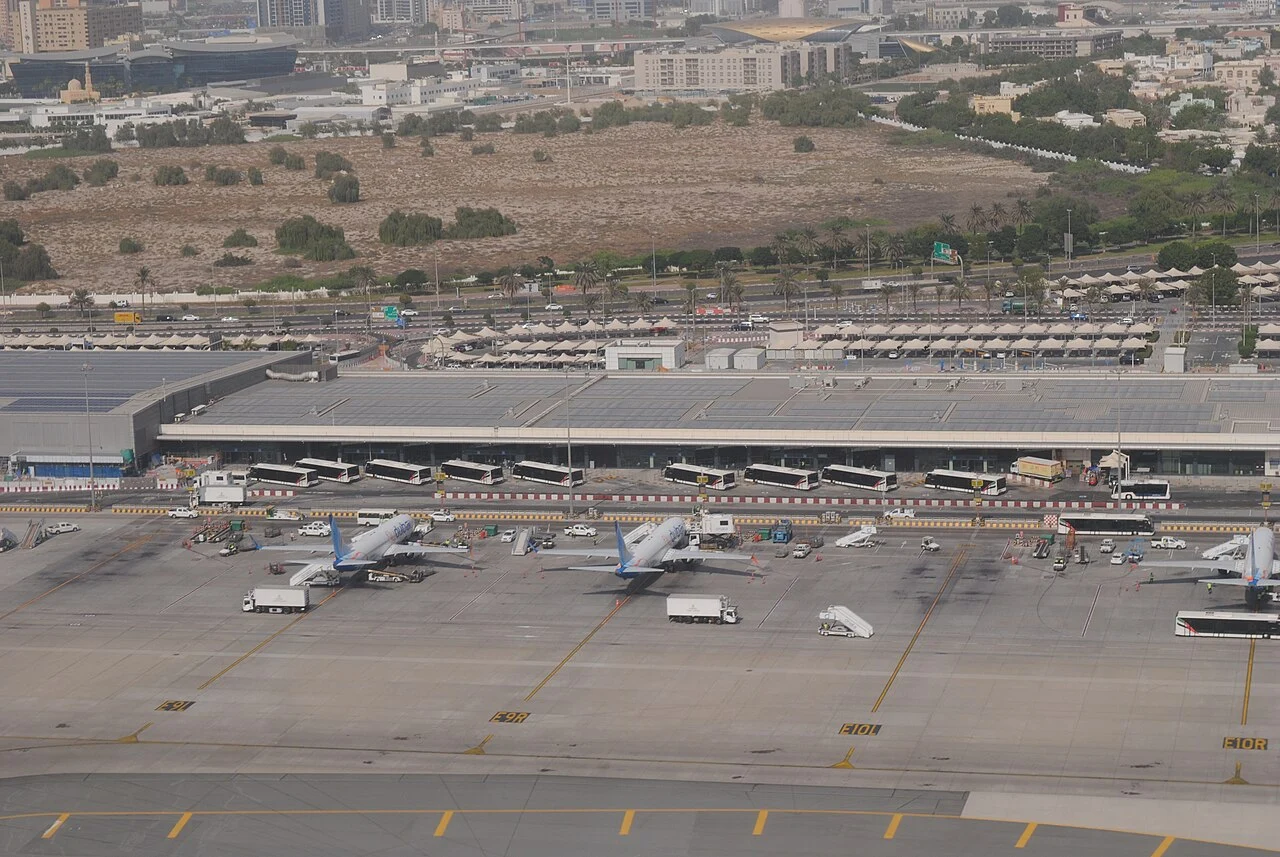

3. Dubai International Airport (UAE)
Dubai International Airport (DXB) takes third place in the category, built on its role as a global transit hub connecting Europe, Asia, Africa, Oceania, and the Americas. According to Airports Council International’s 2025 traffic figures, DXB remains the world’s busiest airport for international passengers specifically, even though its total passenger count sits behind Atlanta’s.
The airport’s luxury retail, premium lounges, and dining options cater to long-haul transfer passengers spending hours between connections. Emirates and flydubai anchor DXB’s operations, and continued technology investment has helped the airport maintain efficiency despite handling extraordinary volumes.
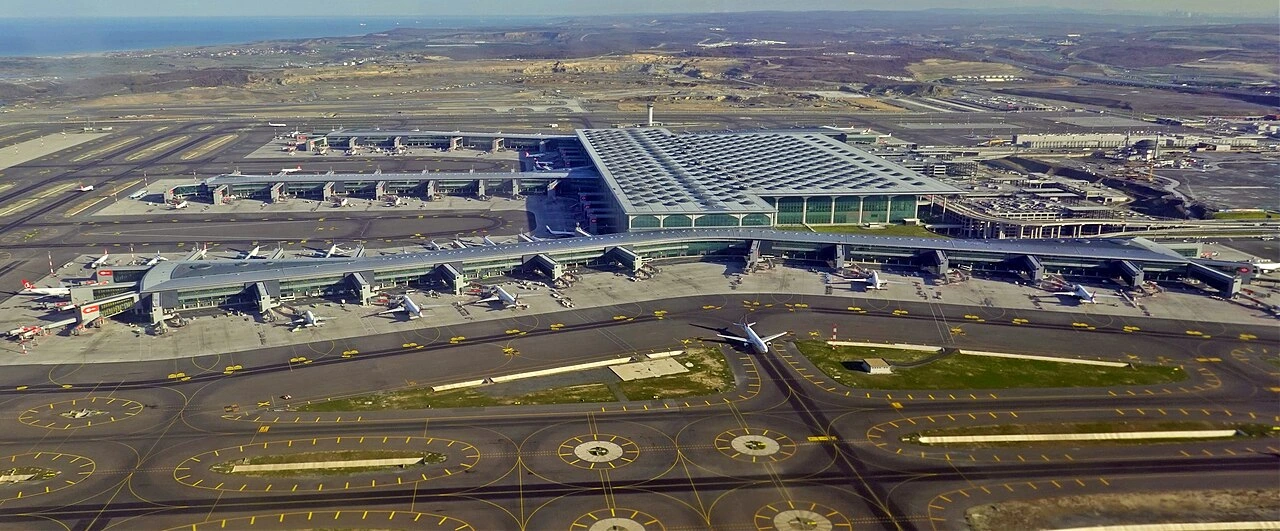

2. Istanbul Airport (Turkey)
Istanbul Airport (IST) ranks second in the 80-million-plus category, reflecting its emergence as one of the world’s most important connecting points between Europe, Asia, Africa, and the Middle East. Built as one of the most ambitious airport projects of the past decade, IST now anchors Turkish Airlines’ global network of more than 120 countries.
Passengers regularly cite the airport’s cleanliness, architecture, and efficient transfer process. Multilingual customer service staff help the airport manage huge transit volumes without the bottlenecks that often accompany rapid growth. Istanbul was also recognised elsewhere in the 2026 awards as the World’s Most Family-Friendly Airport.
_approach_@RJTT_HND_(3438957536).jpg)
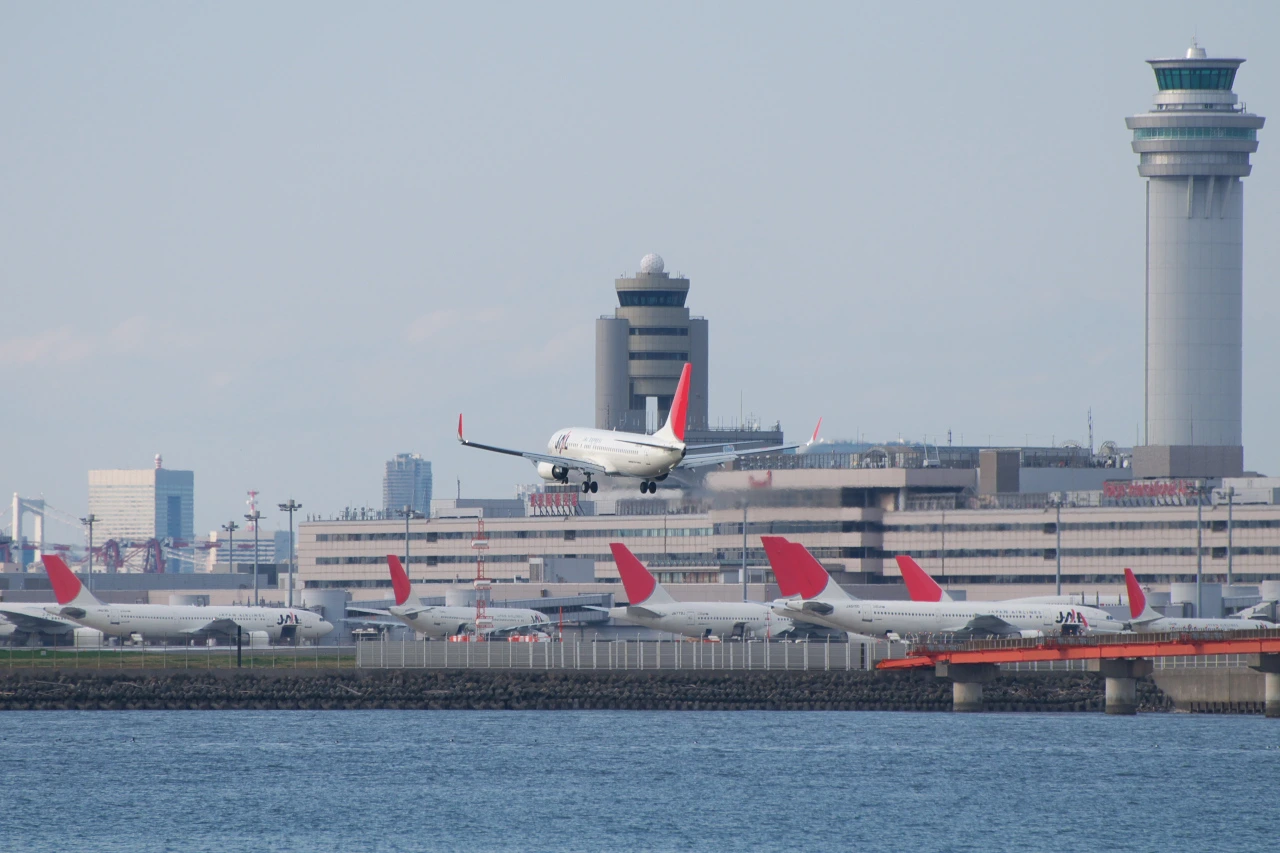
1. Tokyo Haneda Airport (Japan)
Tokyo Haneda (HND) tops the 80-million-plus category for 2026, adding to a run of titles that includes World’s Cleanest Airport for an eleventh consecutive year. The airport also won World’s Best Airport for Passengers with Restricted Mobility and Accessibility Facilities for the eighth straight year, and was separately named World’s Best Domestic Airport.
Haneda’s central Tokyo location gives it an edge many mega-hubs lack, cutting transfer times between the airport and the city centre. Spotless terminals, punctual operations, and multilingual staff consistently draw praise from passengers passing through. The airport’s shopping, dining, and observation deck options add to a passenger experience Skytrax rates as exceptional even at scale.

How Skytrax’s Satisfaction Ranking Compares with ACI’s Official Traffic Numbers
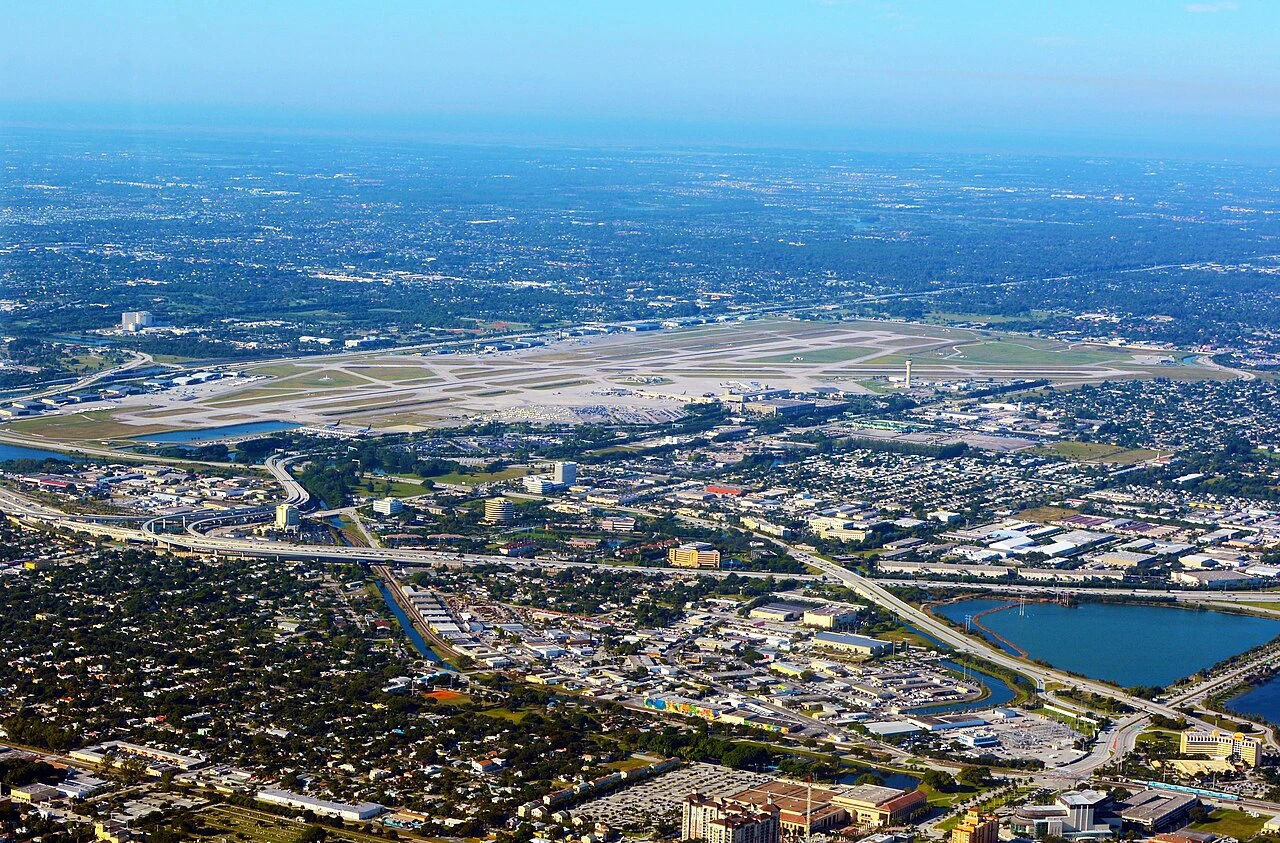
Skytrax’s 80-million-plus list and Airports Council International’s official 2025 passenger rankings cover the same airports but order them very differently, because the two organisations measure different things. ACI ranks purely by passenger volume: Atlanta first with 106.3 million passengers, Dubai second with 95.2 million, and Tokyo Haneda third with 91.7 million. Skytrax, by contrast, ranks airports within this size band by passenger satisfaction, which is why Haneda tops the Skytrax list despite carrying fewer passengers than both Atlanta and Dubai.
The gap is widest for Atlanta, the world’s busiest airport by a wide margin yet only seventh in Skytrax’s satisfaction ranking for its own size category. Istanbul shows the opposite pattern: it ranks eighth in ACI’s traffic table with 84.4 million passengers, yet Skytrax rates it second for service quality among the same group of airports. These divergences illustrate a consistent point in aviation rankings: raw scale and passenger experience do not always move together, and the busiest airport in the world is not necessarily the one travellers rate most highly.

What Makes An 80-Million-Plus Airport Exceptional
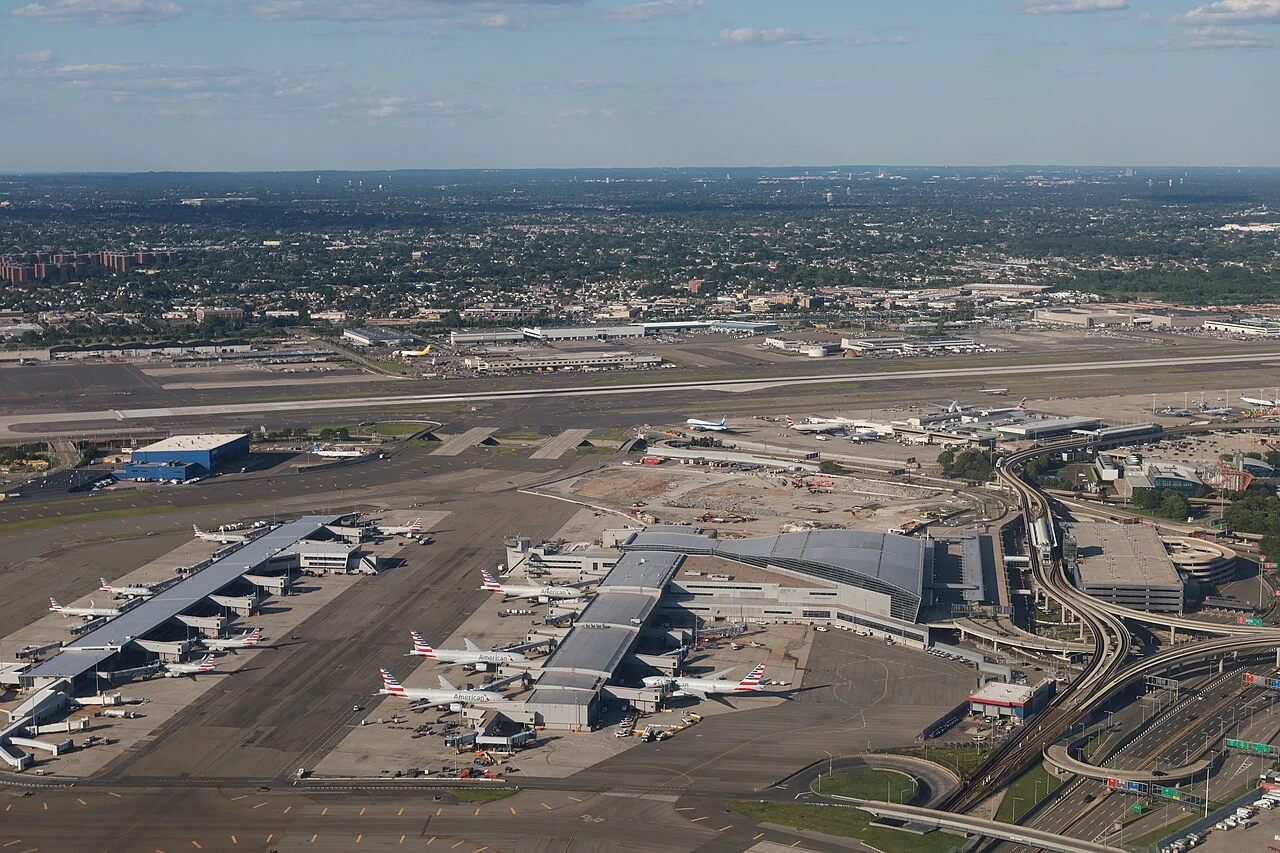
The airports on this list share several recurring traits, according to patterns visible across Skytrax’s award citations:
- Efficient terminal layouts that minimise walking distances
- Fast security and immigration processing supported by technology
- High standards of cleanliness and maintenance
- Wide selection of retail outlets and restaurants
- Reliable baggage handling systems
- Professional, multilingual customer service staff
- Strong public transport connections
- Comfortable lounges and waiting areas
- Continuous investment in expansion and modernisation

Frequently Asked Questions
Which airport ranks first among facilities handling over 80 million passengers in 2026? Tokyo Haneda Airport ranks first in Skytrax’s 2026 category for airports handling more than 80 million passengers annually.
Is Tokyo Haneda also the world’s busiest airport? No. Hartsfield-Jackson Atlanta International Airport is the world’s busiest airport by total passenger traffic, handling 106.3 million passengers in 2025, according to Airports Council International.
What criteria does Skytrax use for these rankings? Skytrax evaluates passenger experience across check-in, security, immigration, transfers, shopping, dining, and overall satisfaction, based on a global survey of travellers from more than 100 countries.
Why do Skytrax’s rankings differ from official passenger traffic rankings? Skytrax measures passenger satisfaction, while Airports Council International measures raw passenger volume. An airport can carry more travellers than a rival while still scoring lower on service quality.