Emirates Airline (EK) has expressed willingness to introduce Airbus A380 services to Hyderabad, according to a release from the Telangana Chief Minister’s Office issued on Saturday, July 11, 2026. Mohammed Sarhan, Emirates’ Vice-President for India and Nepal, made the offer during a courtesy call on Chief Minister A. Revanth Reddy in Hyderabad, the capital of Telangana state, The Hindu Business Line reported. The meeting coincided with Emirates completing 25 years of operations in the city, and Reddy used the occasion to press for more flights, better cargo links, and new maintenance investment.
The Chief Minister welcomed the proposal and asked Emirates to increase its overall flight frequency from Rajiv Gandhi International Airport (HYD). He also invited the airline to expand Maintenance, Repair and Overhaul (MRO) work in Telangana, and to support upcoming greenfield airports at Warangal and Adilabad. Sarhan responded positively to each request, though the release from the Chief Minister’s Office gave no timeline, aircraft configuration, or route detail for any future A380 service.
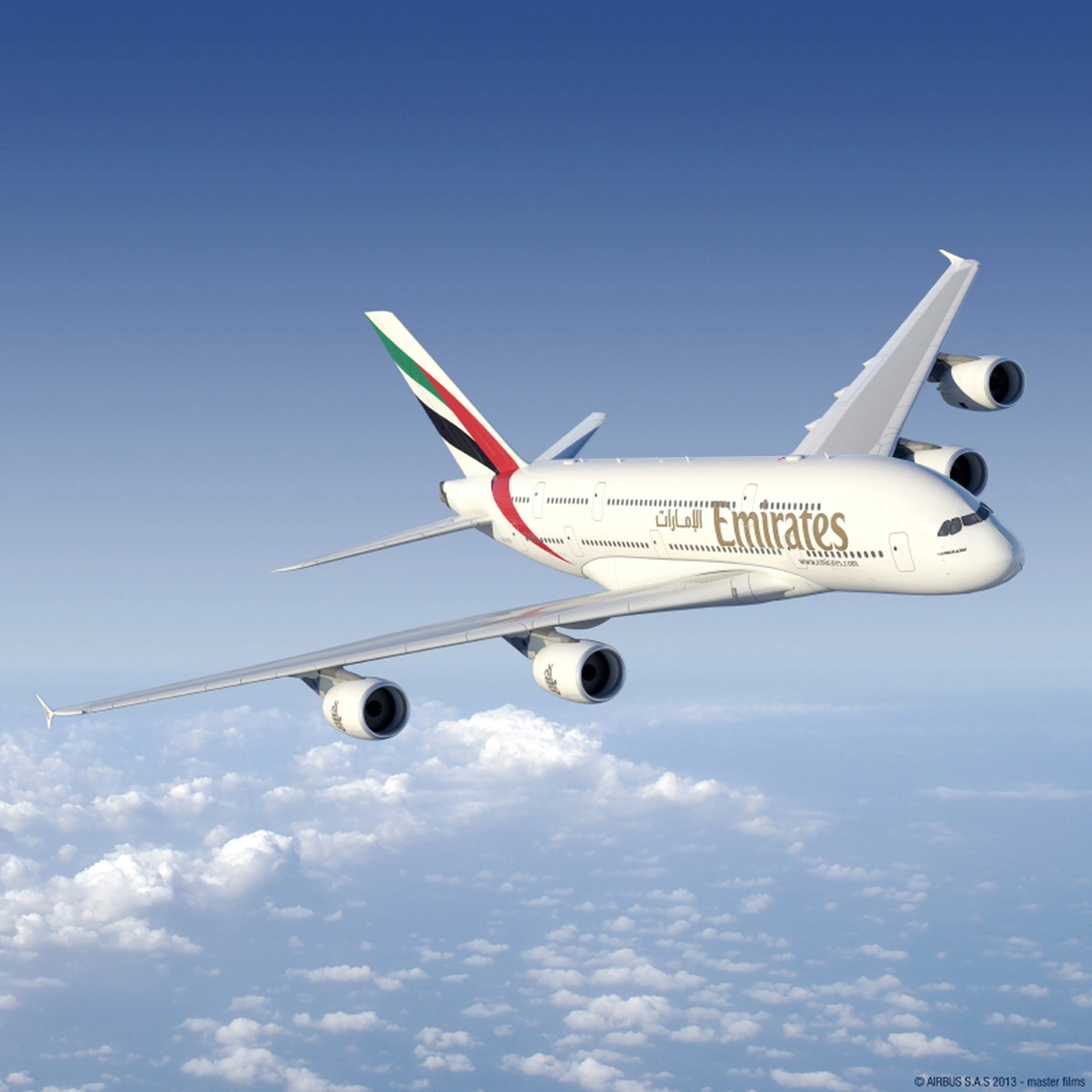
Why Emirates is Eyeing Hyderabad Now
Emirates, which is the largest operator of Airbus A380, added Hyderabad to its network in 2001, one of the airline’s earliest Indian gateways alongside Mumbai and Delhi, according to the carrier’s own published history timeline. That makes the July 2026 meeting a genuine anniversary moment rather than a routine courtesy visit. It also explains why the Chief Minister’s Office framed the conversation as a chance to ask for more, not simply to celebrate the past.
Reddy’s pitch went beyond passenger flights. He highlighted Telangana’s “rapidly growing aviation ecosystem,” pointing to the state’s two new airports under development at Warangal and Adilabad. He asked Sarhan to consider extending Emirates’ MRO footprint to those locations, and separately requested that the airline sponsor athlete training programmes at the newly launched Gachibowli Sports University.
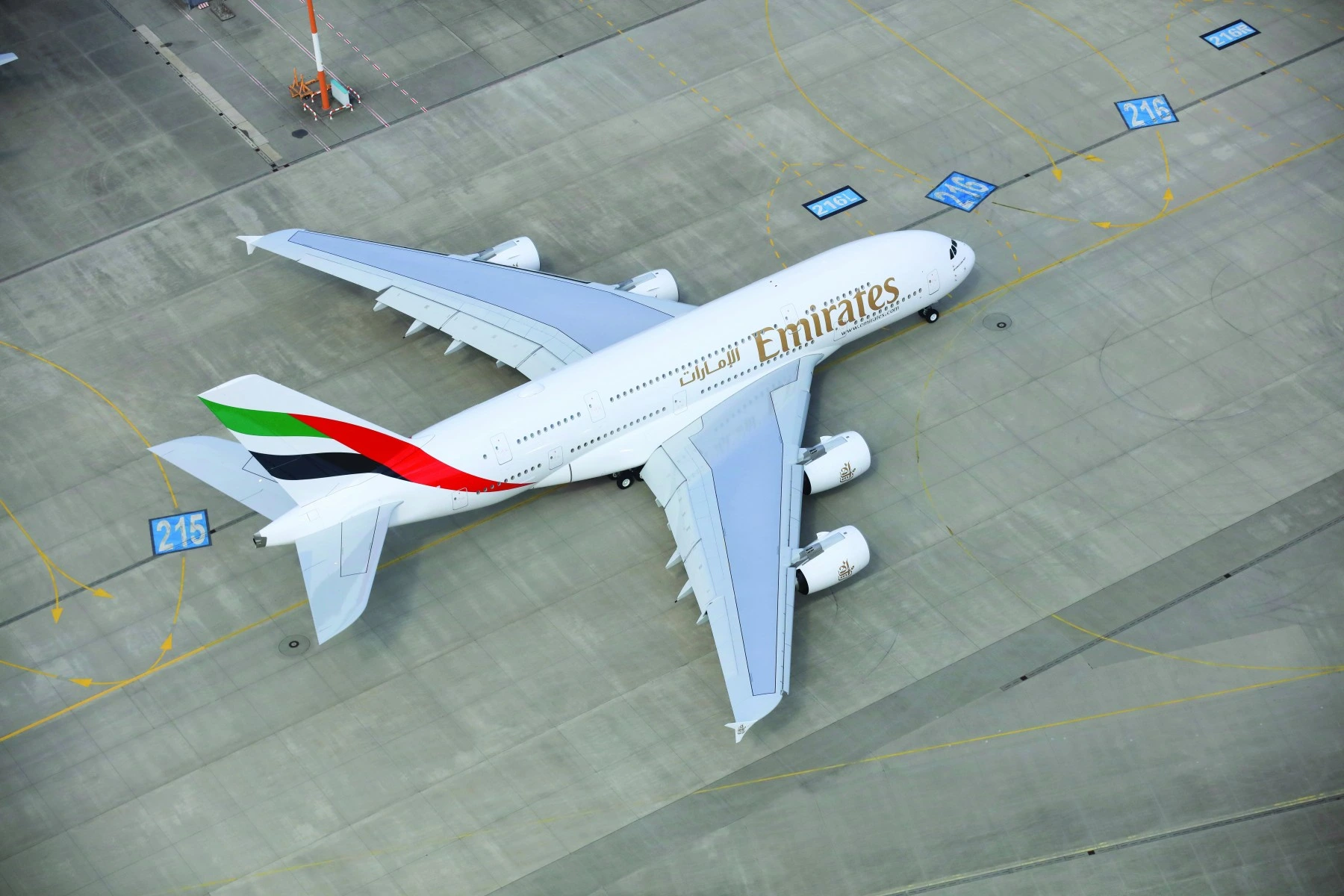
Hyderabad’s Airport Can Already Handle the A380, Even Without a Scheduled Service
Rajiv Gandhi International Airport is not new to the Airbus A380. The airport is compliant to handle Code F aircraft movements, the ICAO classification that covers the A380’s wingspan and undercarriage, and it has received the type on at least one occasion already. In October 2011, an Emirates A380 operating flight EK385 from Bangkok to Dubai diverted to Hyderabad after a technical snag, landing safely with 481 people on board.
The airport’s primary runway, 09R/27L, is long enough for A380 operations, and a second runway opened in 2012 to add operational flexibility. Hyderabad’s wide-body readiness is not a new debate: broader questions about why more Indian airports have not seen scheduled A380 flights have been examined in our earlier reporting on why Indian carriers never received the A380, which cites runway length, taxiway width, and gate size as recurring obstacles. Hyderabad, unlike several other Indian airports, already clears that bar.
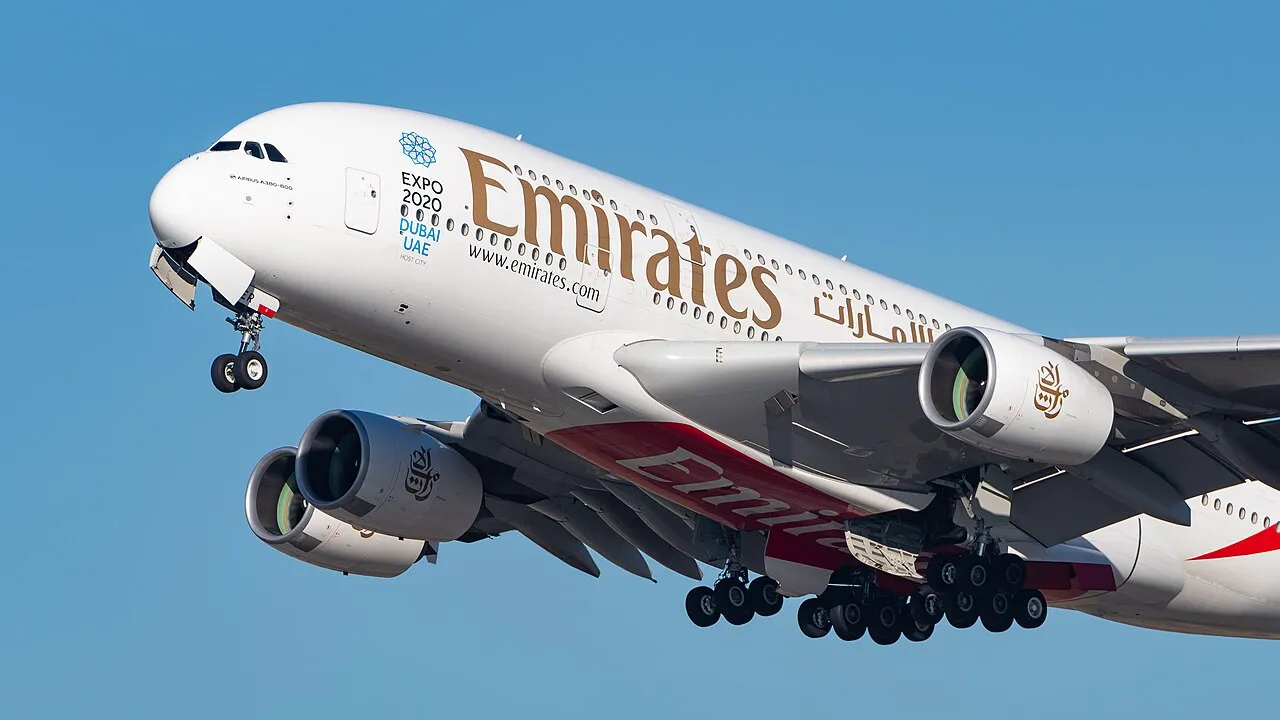
Today, Emirates serves Hyderabad three times daily using its high-capacity Boeing 777-300ER, seating close to 354 to 436 passengers depending on configuration. That places Hyderabad among Emirates’ busier Indian routes by frequency, even without the A380 in the mix.
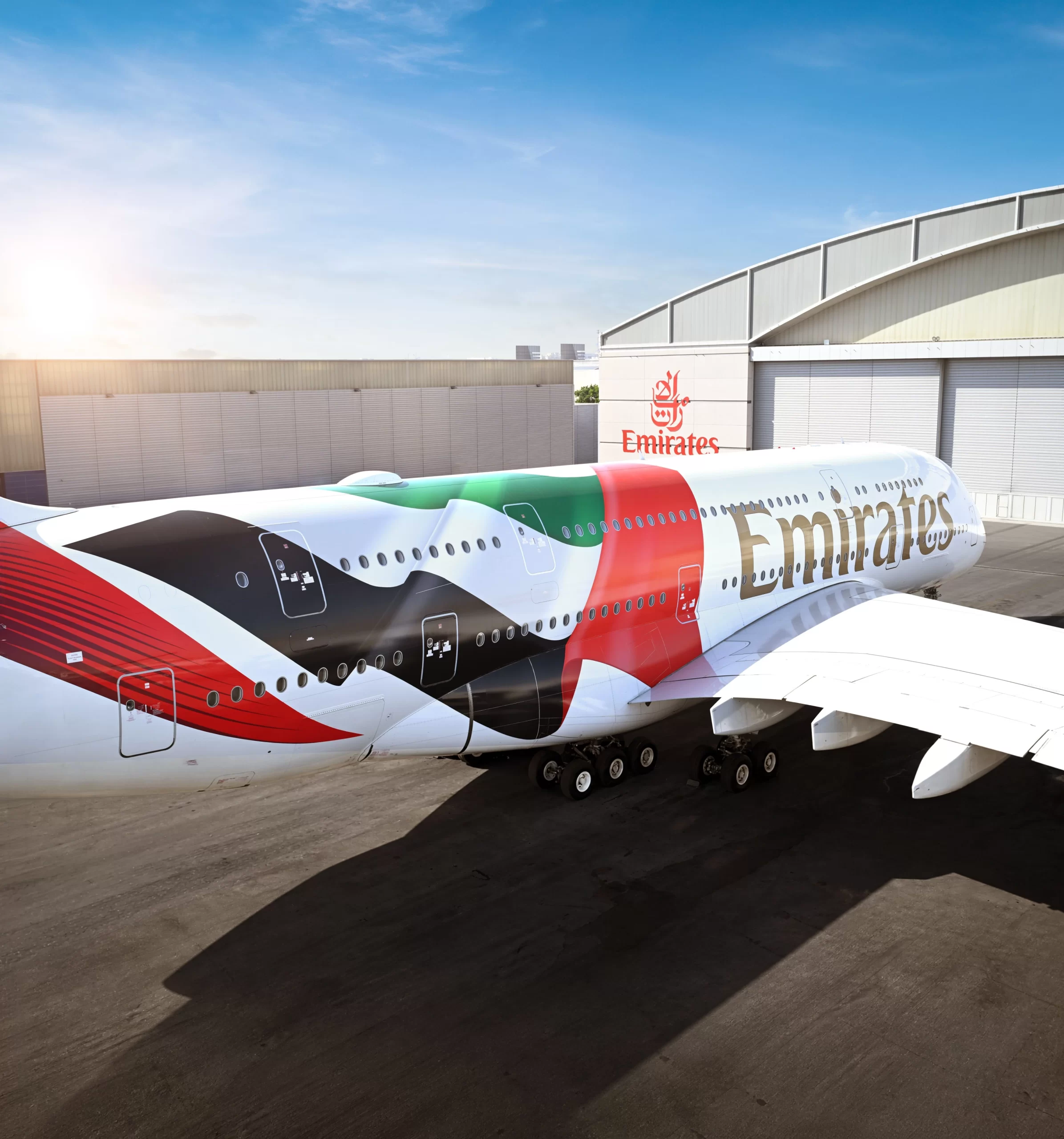
If Emirates does eventually deploy the A380 on the Dubai-Hyderabad route, passengers can expect the same aircraft the airline already flies to Mumbai, Bengaluru, and, from October, Delhi. Emirates’ A380 fleet typically operates in one of several configurations across its network. Key features passengers associate with the type include:
- Four cabin classes on most routes: First, Business, Premium Economy, and Economy
- An onboard shower spa available to First and Business Class passengers on select aircraft
- A dedicated onboard lounge for First and Business Class travellers
- Seating capacity ranging from roughly 468 to 615 passengers, depending on configuration
- Four engines, a feature that gives the aircraft added redundancy on long sectors
Whether Hyderabad would receive a premium four-class layout, similar to Delhi’s planned configuration, or a higher-density two-class layout, similar to some of Emirates’ shorter regional A380 routes, remains unknown. Emirates has not indicated which version of the aircraft it would consider for the route.
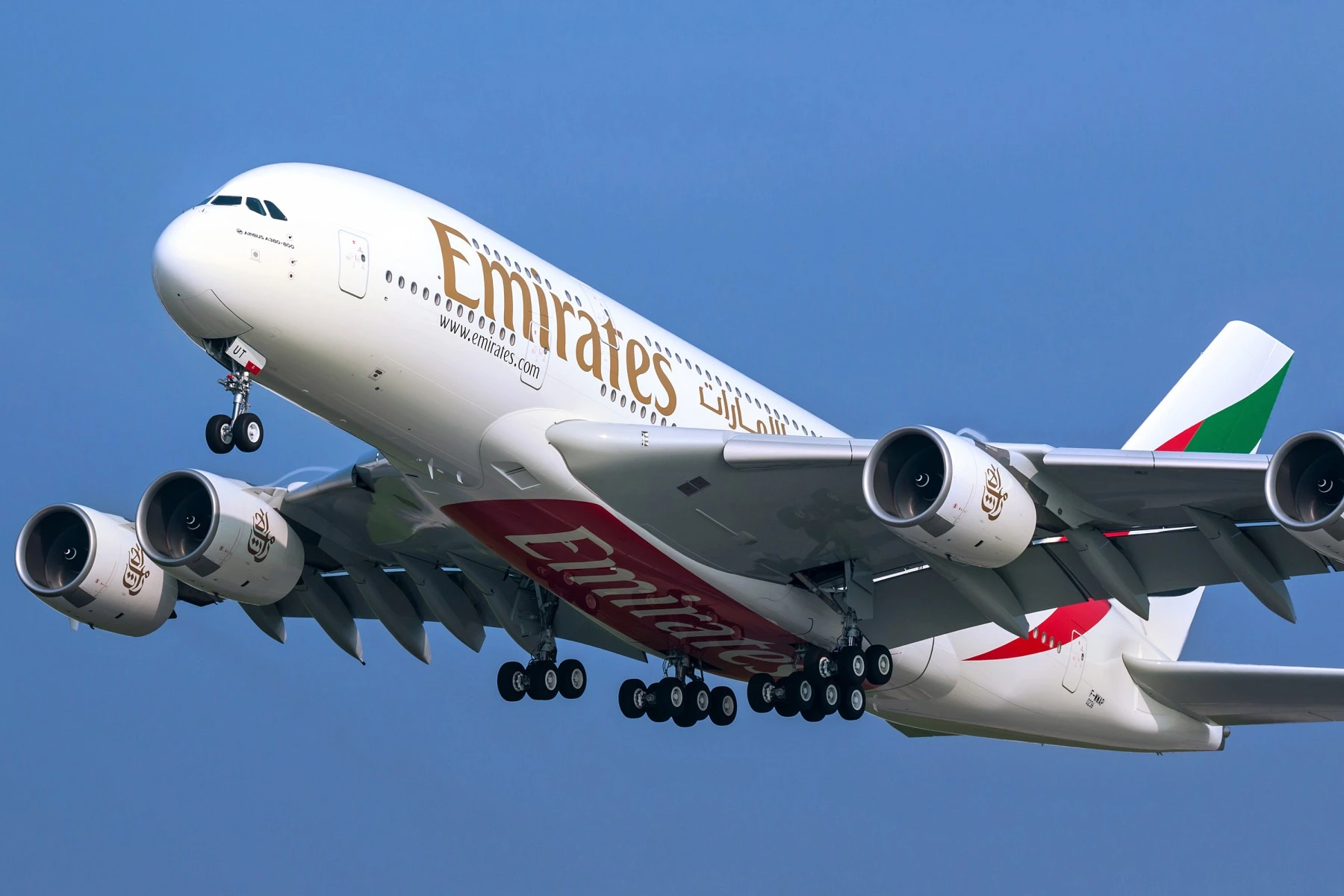
Comparing The Hyderabad Proposal with Emirates’ Confirmed Delhi A380 Launch
On July 9, 2026, Emirates formally announced it will introduce the A380 to Indira Gandhi International Airport (DEL) from October 25, 2026, operating as flights EK512 and EK513 in a four-class configuration. That move makes Delhi the airline’s third A380 destination in India, joining Mumbai and Bengaluru, which already receive the aircraft.
Adnan Kazim, Emirates’ Deputy President and Chief Commercial Officer, said the Delhi announcement reflects strong demand, noting it is “an honour to expand our A380 footprint in the country.” No equivalent commercial statement, flight number, or launch date has been issued for Hyderabad. The Telangana meeting produced a verbal expression of willingness from Sarhan, not a confirmed schedule from Emirates’ headquarters in Dubai.
MRO, New Airports, And Sporting Ties were Also Discussed
Beyond the A380 request, the meeting touched on three other areas. Reddy asked Emirates to extend its Maintenance, Repair and Overhaul operations toward Telangana’s upcoming airports at Warangal and Adilabad, offering full government support for the necessary facilities. He also raised Hyderabad’s existing MRO ecosystem, where Airbus has separately worked with GMR Aero Technic to build authorised maintenance capability at the city’s airport.
The Chief Minister additionally asked Emirates to sponsor athlete training programmes at Gachibowli Sports University, a recently launched facility in Hyderabad. Sarhan’s positive response to these requests was reported alongside the A380 discussion, though, as with the aircraft proposal, no financial commitment or programme detail was disclosed.