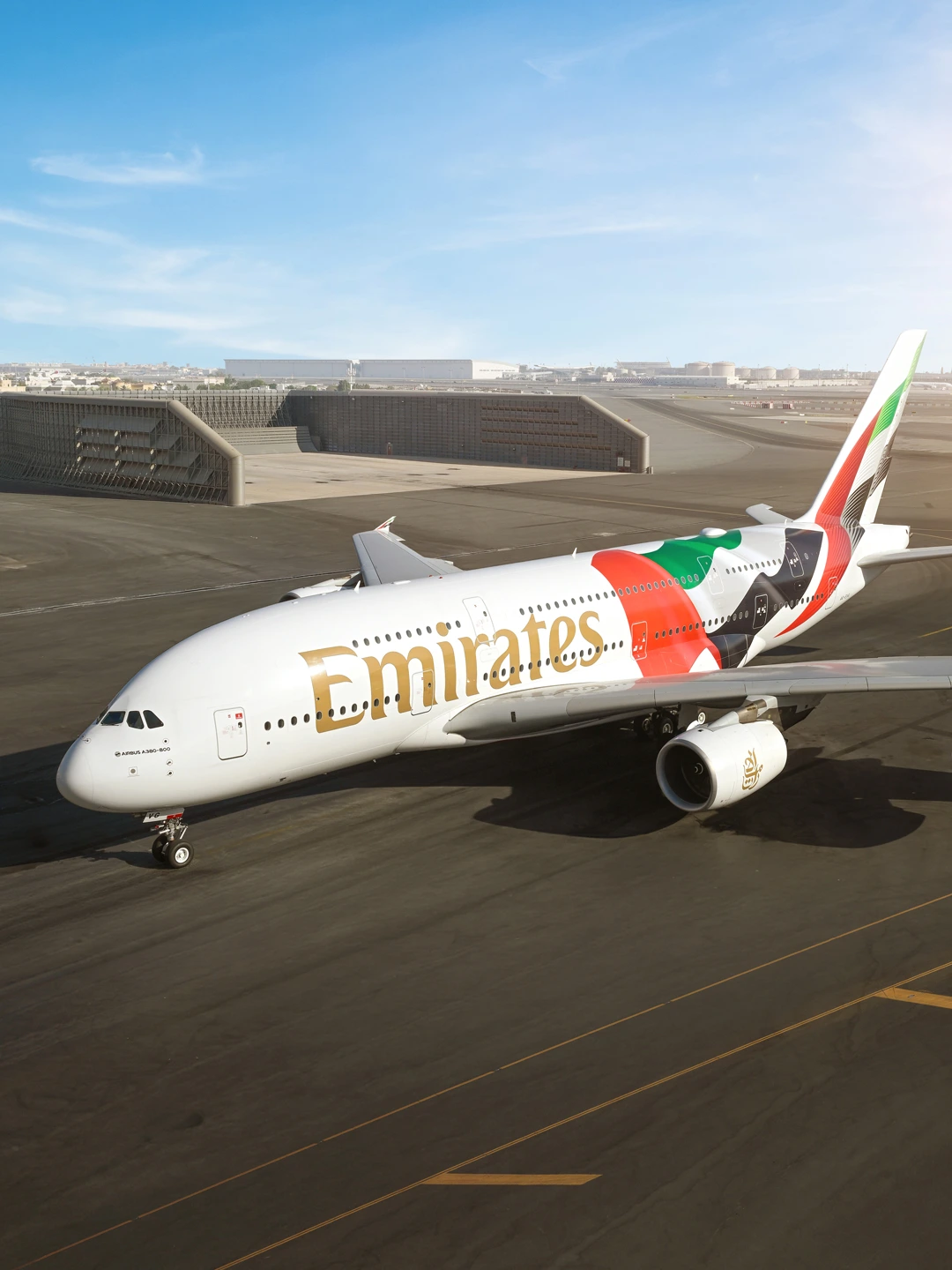
Emirates (EK) is set to fly its Airbus A380 to London nine times a day once winter 2026/27 begins. The airline will keep six daily A380 rotations to London Heathrow Airport (LHR) and add two extra daily A380 flights to London Gatwick Airport (LGW), lifting Gatwick from one to three daily superjumbo departures from 25 October 2026, Simple Flying reported. The change restores Emirates’ double-decker frequency to London to a level last seen consistently in 2023, before regional disruptions forced cuts through parts of 2025 and 2026.
The move matters because London is Emirates’ single most important international market. Dubai International Airport (DXB) sits at the centre of the airline’s hub-and-spoke model, and the Dubai-London corridor carries some of the heaviest connecting traffic in its entire network. Nine daily A380 flights place London well ahead of any other Emirates destination for superjumbo frequency.
Gatwick Returns to Three Daily A380 Flights from 25 October
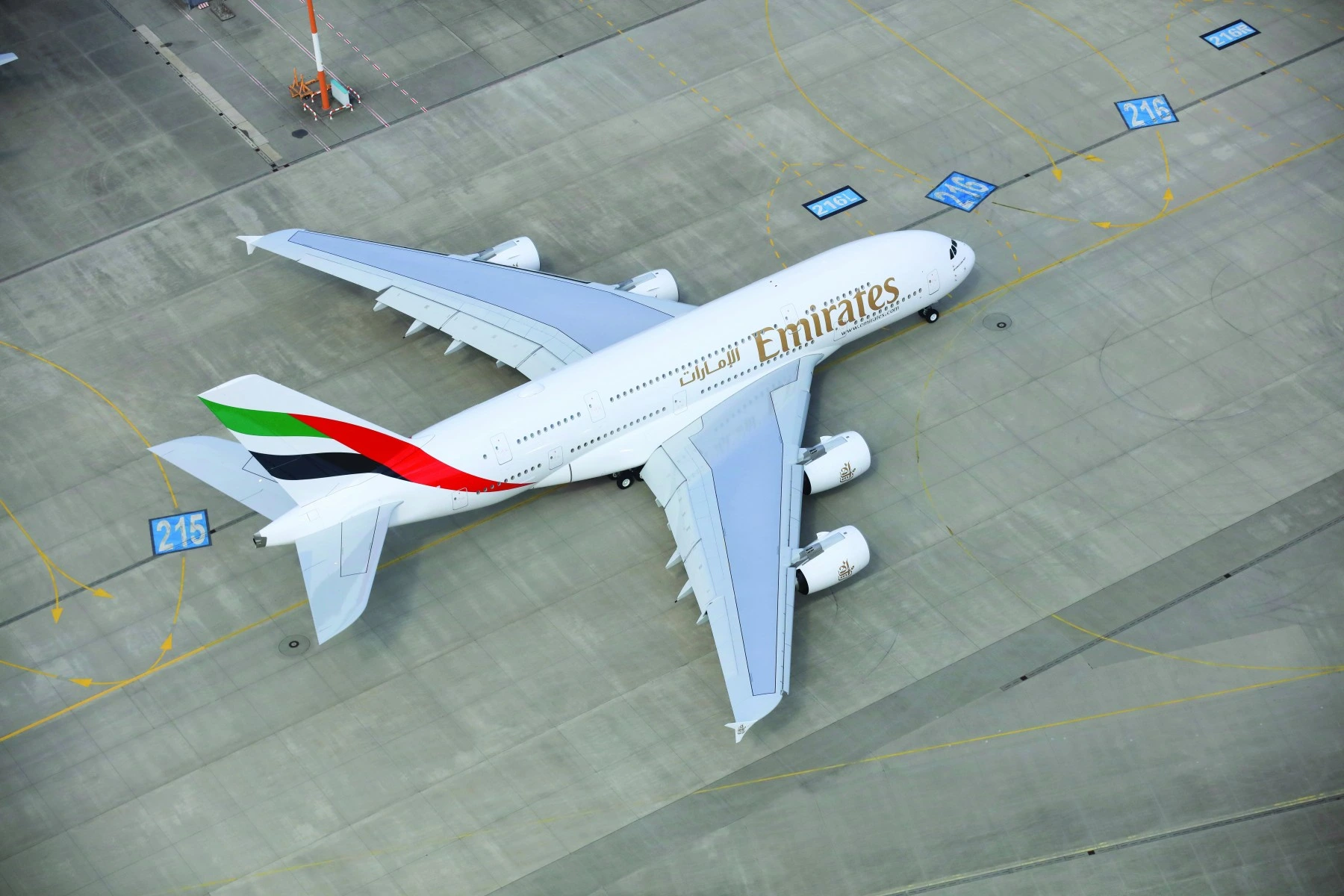
Schedule filings reviewed by AeroRoutes show Emirates planning four daily DXB-LGW rotations from 25 October 2026, three of them on the Airbus A380 and one on the Airbus A350-900. This is a reversal from earlier in 2026, when Emirates had cut Gatwick’s A380 service to just one daily departure for February and March. Gatwick ranked as Europe’s 10th busiest airport by scheduled capacity in 2024, according to OAG.
Two of the three daily Gatwick A380 flights will use Emirates’ high-density, two-class configuration, which seats 615 passengers without a first-class cabin. Gatwick’s November 2026 capacity is projected to rise 18% year-on-year, its strongest month on record for the route. Jonny Macneal, Head of Aviation Development at Gatwick, welcomed the airport’s wider growth, saying new airlines and “major frequency increases” mean passengers get more choice.
The Gatwick build-up did not happen all at once. Emirates first restored a fourth daily Gatwick flight on 8 February 2026, using the Airbus A350-900, which took the airline’s combined London operation to 12 flights a day across three airports.
Heathrow Holds its Six Daily A380 Departures
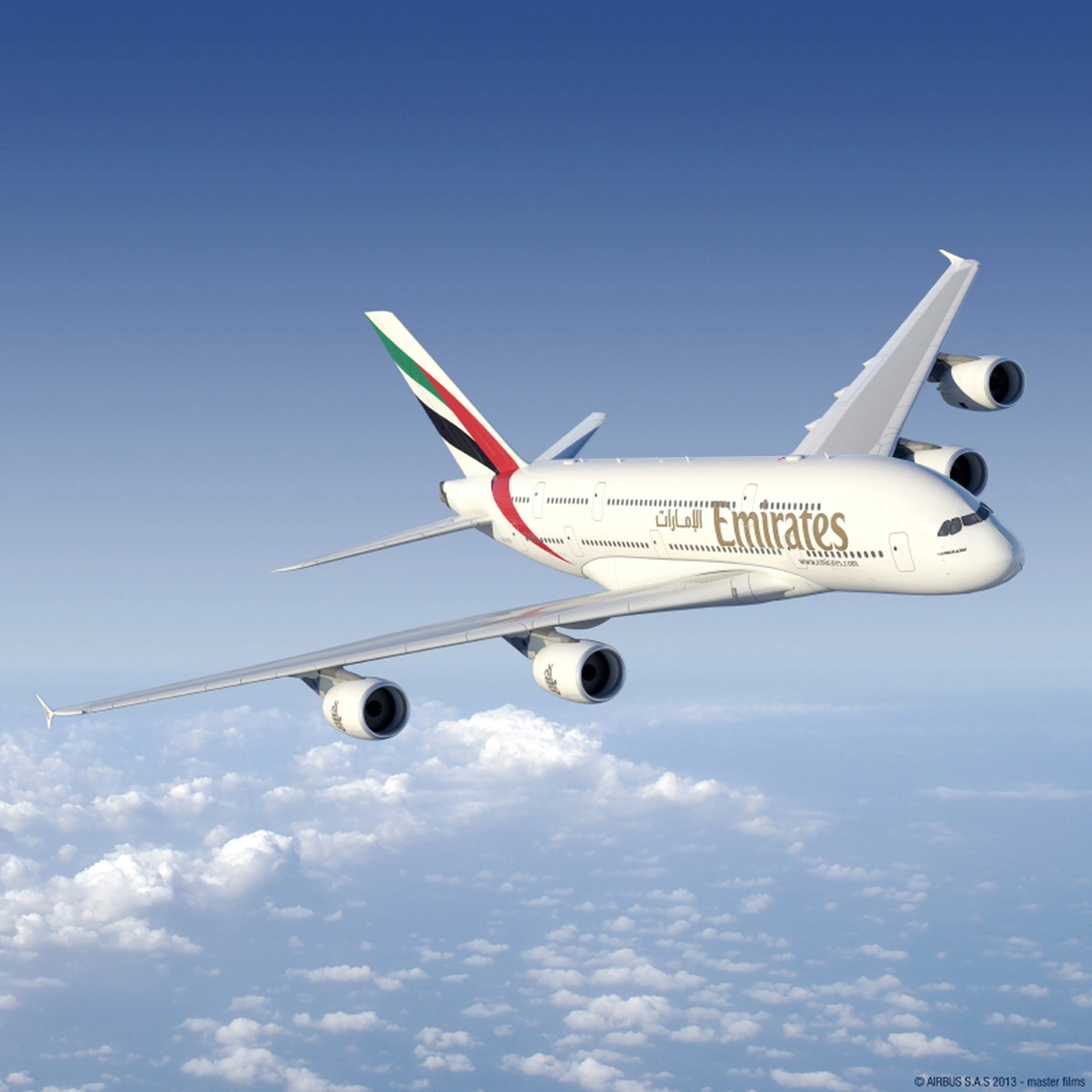
Heathrow remains Emirates’ single busiest A380 route in the world. The carrier has flown six daily A380 rotations to Heathrow for years, a frequency that briefly dipped to five in June and early July 2026 because of reduced flying tied to the conflict in Iran.
Emirates restored the full six-times-daily schedule on 1 July 2026, though the Boeing 777-300ER filled in for some A380 rotations during the transition period.
The dip was not isolated to Heathrow. Emirates withdrew the A380 from several European and North American routes in June 2026 alone, including Copenhagen, Munich, and Manchester, as it managed a wider 16% cut to its June flight programme.
Heathrow’s importance to Emirates meant it kept priority even as other routes lost superjumbo capacity. The airline’s UK operation as a whole has stayed its largest national market for the A380 by a wide margin.
Nine Daily Flights: How Emirates’ London Math Adds Up
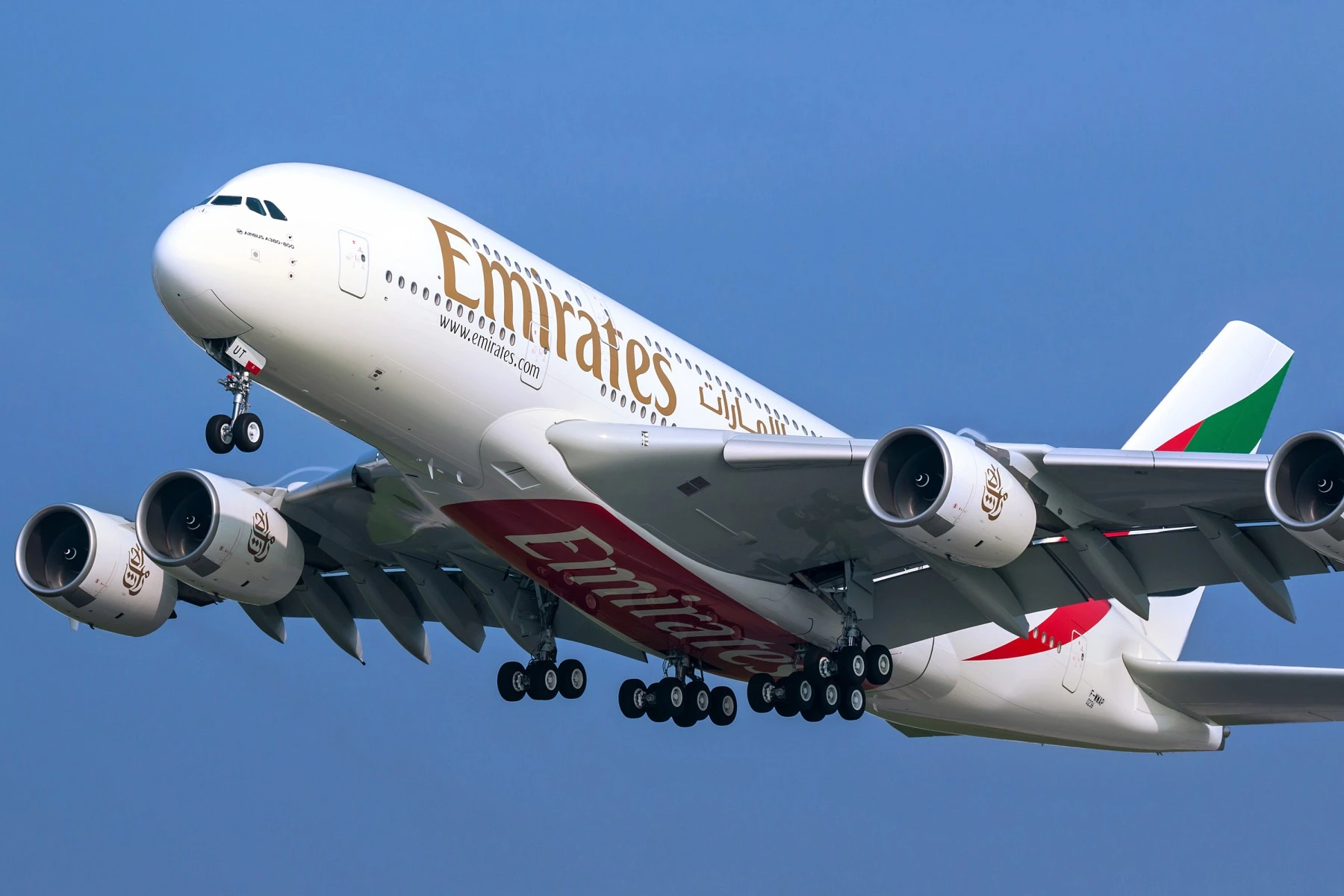
Add Heathrow’s six daily A380 flights to Gatwick’s three, and Emirates reaches nine total daily superjumbo departures to London from 25 October 2026. That figure matches the level Emirates operated in August 2023, before Middle East disruptions and shifting demand patterns forced repeated schedule revisions through 2025 and 2026. The UK will account for more than one in six of all Emirates A380 departures worldwide from Dubai once the winter schedule is in place.
London Stansted Airport (STN) adds further context, though it sits outside the nine-flight A380 count. Emirates serves Stansted with the Boeing 777-300ER rather than the A380, and that route has also seen frequency changes tied to the same regional pressures. Counting Stansted, Emirates’ three London airports combine for a substantial share of its total UK departures.
The nine-daily figure also reflects a broader recovery narrative. FlightRadar24’s Gulf Airline Recovery Index put Emirates’ overall flight recovery above 85% by late May 2026 compared with pre-conflict levels. Rebuilding London’s A380 frequency to its prior peak is one of the clearest signals that the airline sees demand normalising on its most important international corridor.
Why Emirates is Doubling Down on the Superjumbo
The A380’s economics depend heavily on connecting passengers rather than pure London-Dubai traffic. Simple Flying’s analysis of 2023 data found that 57% of Emirates customers travelling from London connected onward through Dubai to other destinations. India was the leading connecting market from London, followed by Australia, Pakistan, and Thailand.
That connecting model explains why Emirates can justify nine daily 500-plus-seat aircraft on one city pair. Dubai functions as the pivot point between Europe and destinations across Asia, Africa, and Oceania that would otherwise require indirect routings.
London’s status as a major origin-and-destination market on its own, combined with this connecting traffic, gives Emirates confidence to deploy its highest-capacity aircraft type at this frequency.
Emirates remains the world’s largest A380 operator, with roughly 118 aircraft in its fleet according to Planespotters.net data, of which the large majority stay active.
The airline first introduced the A380 to Heathrow in December 2008, its second A380 route worldwide after Dubai-New York JFK. London has anchored Emirates’ superjumbo strategy for close to two decades.