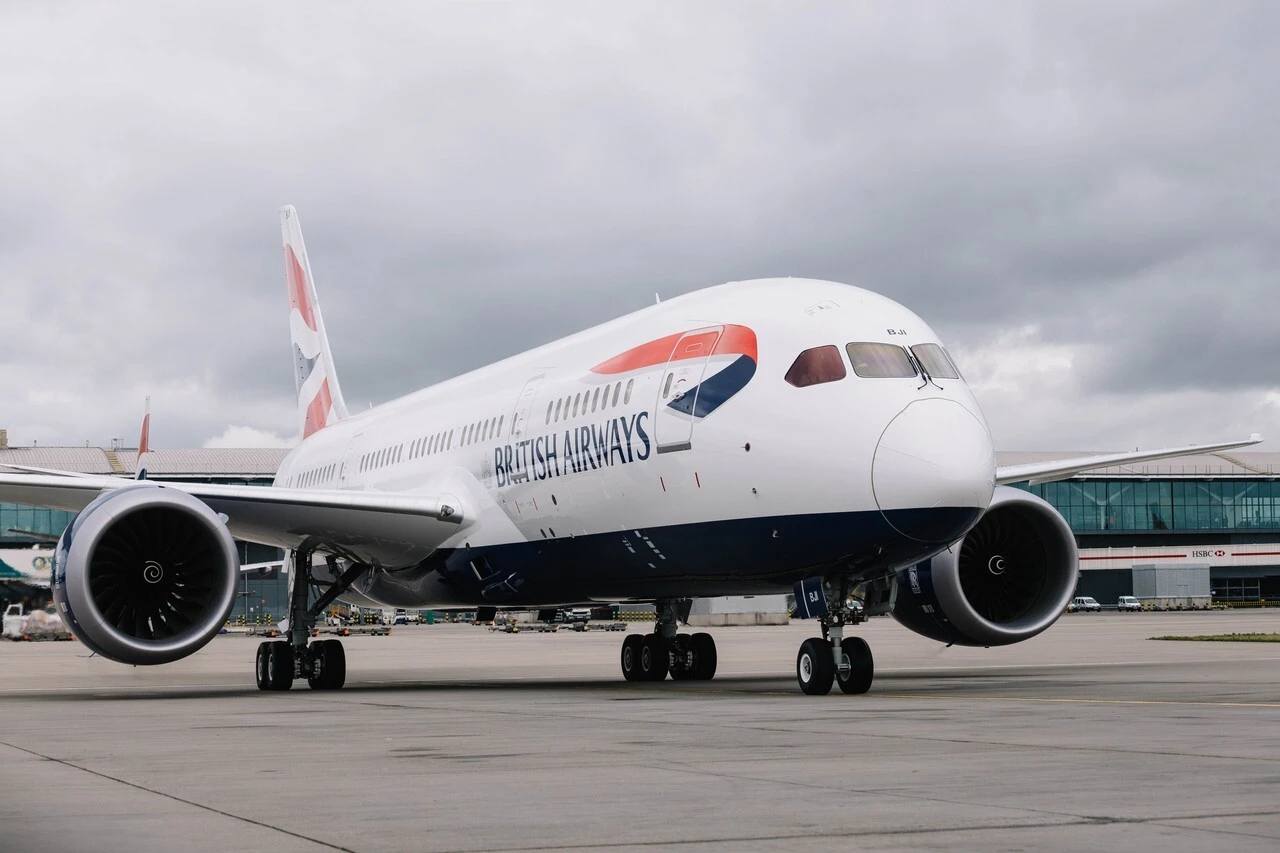
A passenger’s smartphone caught fire on a British Airways (BA) flight on Thursday as it was taxiing for take-off at Tokyo Haneda Airport (HND). None of the 211 passengers and crew on board were injured, according to Japan’s transport ministry, Bangkok Post reported. Cabin crew put out the flames with an onboard fire extinguisher.
A crew member reported smoke coming from the cabin to the ministry’s Tokyo airport office at around 1.10pm. The aircraft returned to its parking stand as a precaution. It departed for London once safety checks were completed.
How The Fire Started and Was Put Out
The smartphone is believed to have belonged to a passenger, according to the transport ministry’s Tokyo airport office. The device caught fire while the aircraft was taxiing, before it had left the ground. Crew members responded quickly with an extinguisher to bring the fire under control.
The aircraft’s return to the stand allowed staff to carry out safety checks before departure. These checks confirmed the aircraft was fit to continue its journey. The flight eventually departed for London after the delay.
This precautionary return is standard practice whenever a fire involves a lithium-ion device, because crews are trained to treat these fires as a risk of reignition rather than a one-off event. That is one reason the aircraft did not simply taxi on to the runway after the flames were out.
Why Lithium-Battery Fires Are Becoming More Common
Fires and smoke incidents involving lithium-ion batteries in smartphones and power banks have increased in recent years. Devices can ignite if a battery is damaged, defective, or overheats during charging. Once a lithium-ion cell overheats badly enough, it can enter a chemical reaction known as thermal runaway, which is difficult to stop once it begins.
Japan’s transport ministry tightened its own rules around these risks in April, limiting passengers to two power banks per flight. The rules also ban passengers from using or charging power banks while on board.
These restrictions reflect a wider pattern across the aviation industry, where regulators in several countries have introduced similar limits on power banks and other lithium-battery devices in cabin baggage. The goal is to reduce the number of fires that start mid-flight or during ground operations, when access to extinguishing equipment is more limited.
How This Compares with British Airways’ Other Recent Phone Fire
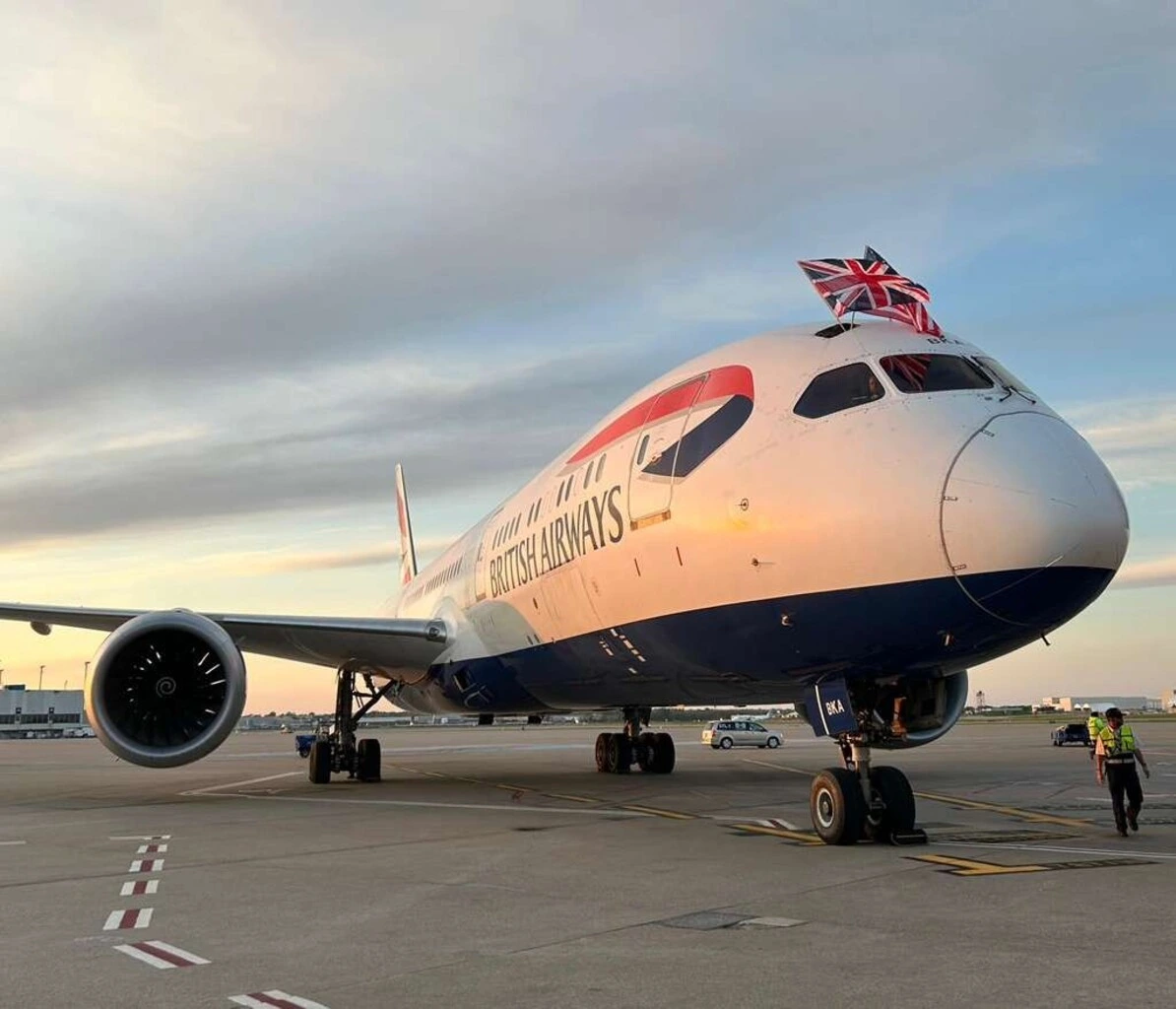
This is not the only lithium-battery fire to affect British Airways recently. Days earlier, a mobile phone caught fire on BA271, a Boeing 787-9 Dreamliner flying from London Heathrow Airport (LHR) to Harry Reid International Airport (LAS) in Las Vegas.
That fire started at a window seat in row 37 after a faulty charger caused the phone’s lithium-ion battery to ignite. Cabin crew fought through passengers who had jumped into the aisle before reaching the row with fire extinguishers. In a statement reported by Global News, the airline said, “The safety of our customers and crew is the highest priority”, after the flight landed safely in Las Vegas.
The Las Vegas incident left some scorching inside the cabin, while the Tokyo fire was put out quickly enough that no cabin damage was reported. Harry Reid International Airport confirmed the Las Vegas flight’s pilots had called in an alert, a detail not mentioned in the airline’s own statement on that incident. The Federal Aviation Administration said it would investigate the Las Vegas fire.
Both incidents involved a passenger’s personal device rather than an item carried by the airline. Both also ended with the aircraft completing its journey rather than being grounded for repairs. The clearest difference is timing: the Tokyo fire broke out on the ground while taxiing, giving crew more options than they would have had at cruising altitude over the Atlantic.
What This Means for Passengers
Air traffic control audio revealed the crew coordinating an emergency response as the flight diverted toward Nevada. According to reports cited by People, one of the pilots informed controllers that the aircraft was making “an emergency arrival into Las Vegas” after a fire broke out in the cabin.
The crew later identified the source of the incident as “a mobile phone,” adding that it had “scorched the inside of the cabin.” As the aircraft neared landing, the pilots requested extensive support from emergency responders positioned at the airport.
In further radio communications, the pilot asked for “maximum assistance” on arrival, requesting that all available personnel help deplane passengers in a controlled manner. The crew explained that they were “trying to keep the panic to a minimum in the cabin” while managing the situation.
Airlines generally allow personal electronic devices like smartphones in the cabin, since this lets crew respond quickly if something goes wrong. Most aviation regulators require spare lithium batteries and power banks to be carried in hand luggage rather than checked bags, for the same reason.
Passengers showing signs of battery trouble are advised to report this to crew immediately, since lithium-ion cells that have entered thermal runaway can reignite without warning even after appearing to go out. Swelling, discoloration, unusual heat, or a burning smell are all signs worth flagging right away. Catching a problem early gives crew the best chance of containing it before it spreads.
