A man was found dead inside the landing gear compartment of an Air Arabia Maroc (3O) Airbus A320 after it landed at London Gatwick Airport (LGW) on Tuesday, June 16, 2026. Emergency services responded at approximately 11:45 BST, shortly after the aircraft, registered CN-NMH, arrived from Tangier Ibn Battouta Airport (TNG) in Morocco, completing Air Arabia Maroc Flight 3O102, according to AeroTime.
Sussex Police confirmed they are investigating the man’s death and will prepare a report for HM Coroner. Gatwick Airport said its teams supported both the police and the coroner following the discovery. AeroTime further said that the man had not been publicly identified, and authorities have not released details on how he gained access to the aircraft before departure.

What Happened at Gatwick
Flight 3O102 covers approximately 1,100 miles (1,770 km) between Tangier and Gatwick and typically takes around three hours, Simple Flying reported. The aircraft departed Tangier at roughly 6:23 AM local time and landed at Gatwick around 11:45 AM.
The body was discovered by ground staff shortly after the aircraft came to a stop. A Gatwick spokesperson said in a statement:
“A body was found and our teams subsequently supported Sussex Police and the coroner. Our thoughts are with everyone affected…”
Air Arabia Maroc also issued a statement confirming the incident. The airline said: “An incident was identified upon the arrival of Air Arabia Maroc Flight 3O102 from Tangier to London Gatwick on 16 June 2026, and the relevant authorities were immediately notified,” according to Simple Flying, which cited the airline’s statement to AeroTime.
The aircraft’s scheduled return flight to Tangier was delayed following the discovery.
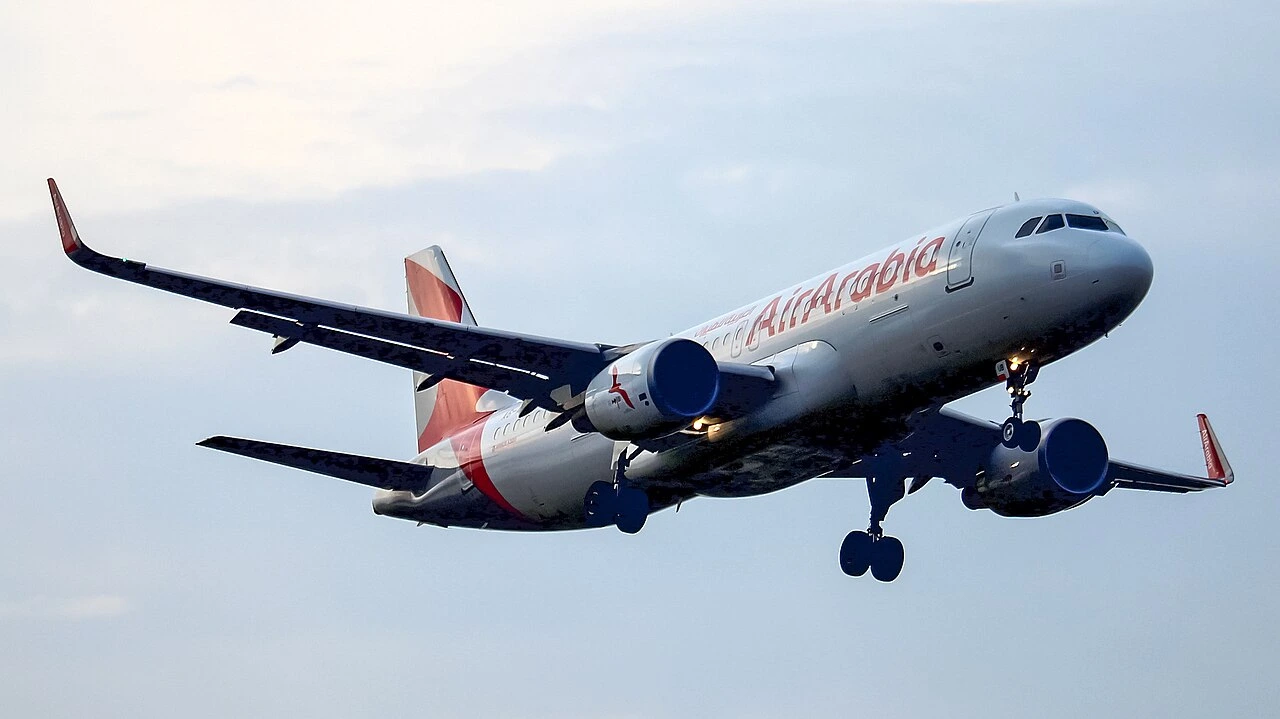
Why Wheel Wells Are Extremely Dangerous
According to Simple Flying,aircraft landing gear bays are not designed, pressurized, or insulated for human occupancy. Commercial jets typically cruise between 30,000 and 40,000 feet (9,144 to 12,192 meters), where outside air temperatures fall to between approximately -58°F and -85°F (-50°C and -65°C), .
Several factors make wheel wells lethal to stowaways, and these include:
- Reduced atmospheric pressure at cruising altitude can cause hypoxia, a condition caused by inadequate oxygen reaching body tissue, which can lead to confusion, loss of consciousness, and death.
- Extreme cold at altitude puts stowaways at risk of fatal hypothermia.
- The landing gear retracts into the wheel bay shortly after takeoff, creating a serious risk of crush injury as the wheels, struts, and hydraulic components move into the confined space.
- Stowaways who lose consciousness or lose their grip risk falling from the bay during the flight or as the gear extends before landing.
Historical data underline how rarely people survive the attempt. A Civil Aerospace Medical Institute study found that 96 people are known to have stowed away in aircraft wheel wells worldwide between 1947 and 2012, of whom only 23 survived, according to the BBC, cited by Simple Flying. A separate FAA-linked dataset covering 1947 to mid-2015 documented 113 wheel-well stowaway attempts on 101 flights, resulting in 86 deaths, a fatality rate of roughly 76%, according to Wikipedia’s sourced summary of FAA stowaway research says.
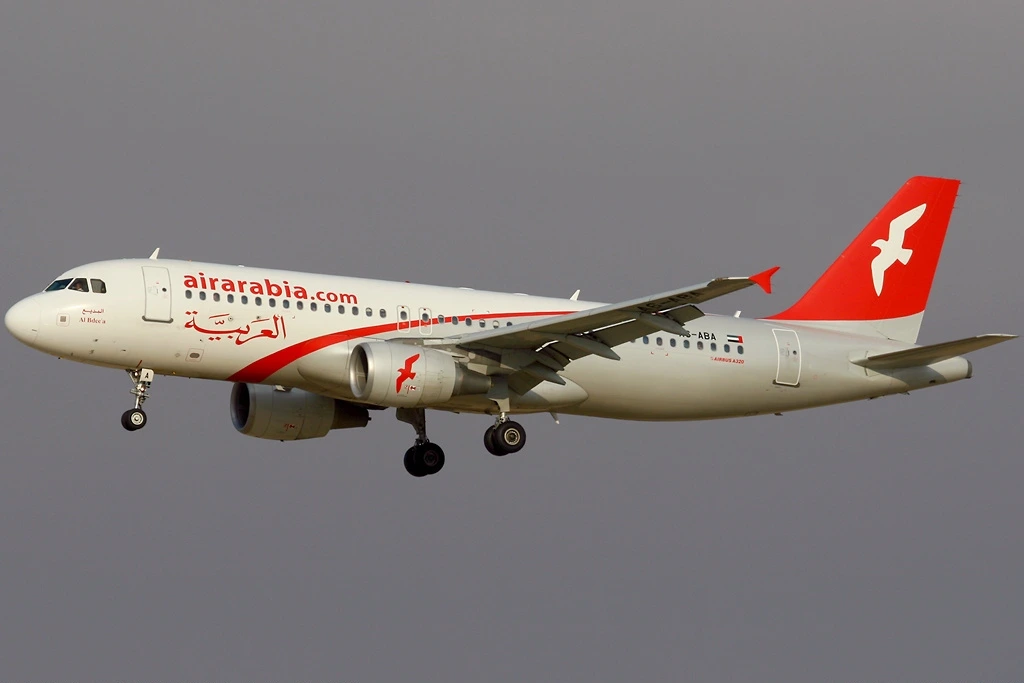
Not Gatwick’s First Wheel-Well Death
This is not the first time a body has been found in an aircraft’s undercarriage after arriving at Gatwick. In December 2022, a man’s body was discovered in the landing gear of a TUI flight that had arrived at Gatwick from Banjul, the capital of The Gambia, according to the BBC.
The recurrence at the same airport highlights the difficulty airports worldwide face in fully securing aircraft from unauthorized boarding before departure, particularly at gates and remote stands where ground access can be harder to monitor than at jet bridges. Most documented wheel-well stowaway cases originate from airports in regions where individuals are attempting to reach Europe or North America, often as a route around standard immigration controls, a pattern consistent with the Tangier-to-Gatwick case.
Survivals, while rare, are documented elsewhere. A stowaway was found alive in the wheel well of a Cargolux freighter that landed at Amsterdam Schiphol Airport (AMS) from South Africa in January 2022. In December 2024, a person was found alive in the undercarriage of an aircraft that had arrived in Paris from Algeria. Outcomes appear to depend heavily on flight duration, cruising altitude, and how securely the individual is positioned within the bay.
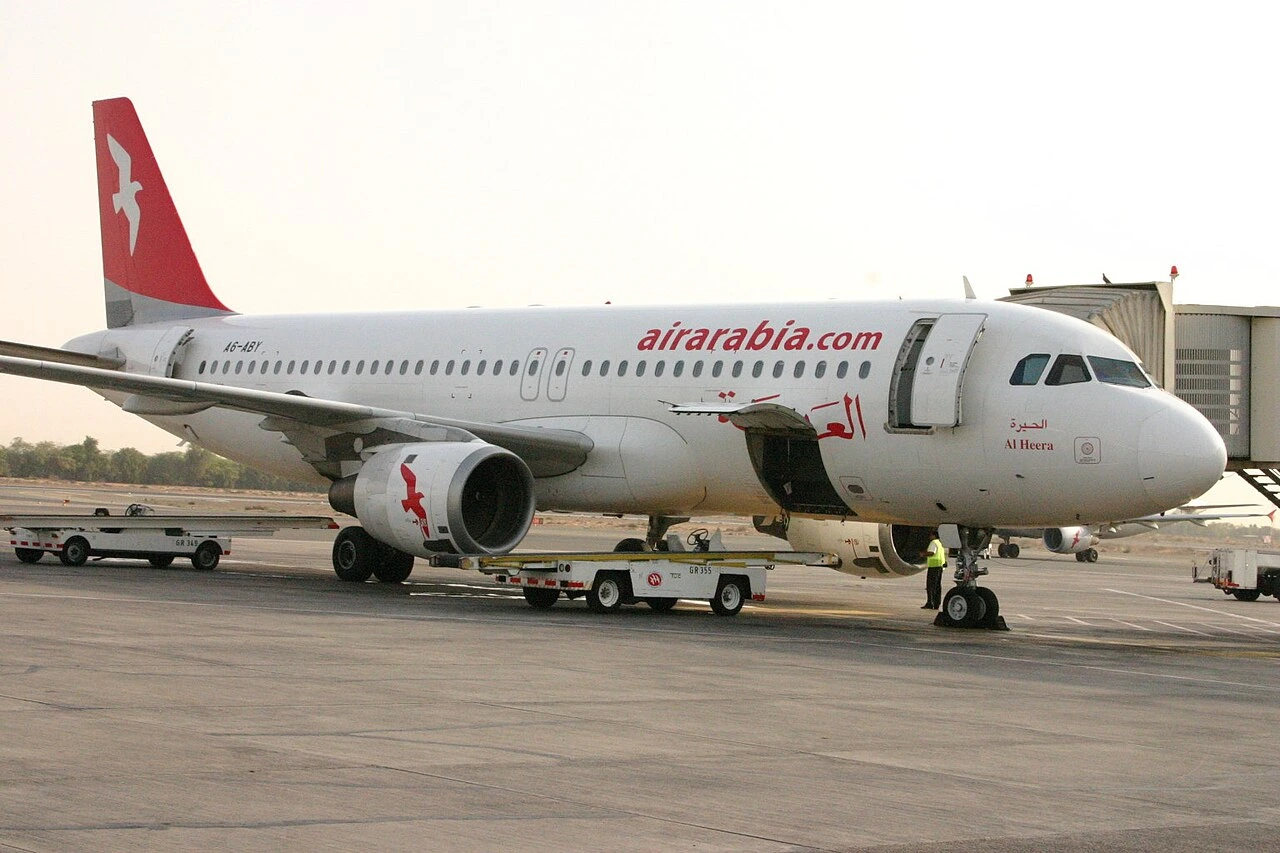
Air Arabia Maroc and the A320 Family
Air Arabia Maroc is the Moroccan low-cost subsidiary of the UAE-based Air Arabia group, operating scheduled routes between Morocco and destinations across Europe and North Africa from bases including Tangier, Casablanca, Fès, and Nador. The carrier currently operates ten Airbus A320s.
The Airbus A320 family is among the most widely flown commercial aircraft series in the world. More than 19,000 aircraft have been ordered and over 12,000 delivered since the type entered service in 1988.
A320-family jets operate thousands of short- and medium-haul flights daily, making incidents involving the type statistically more likely to make headlines simply due to the scale of its global operation, rather than any specific design vulnerability tied to this case.
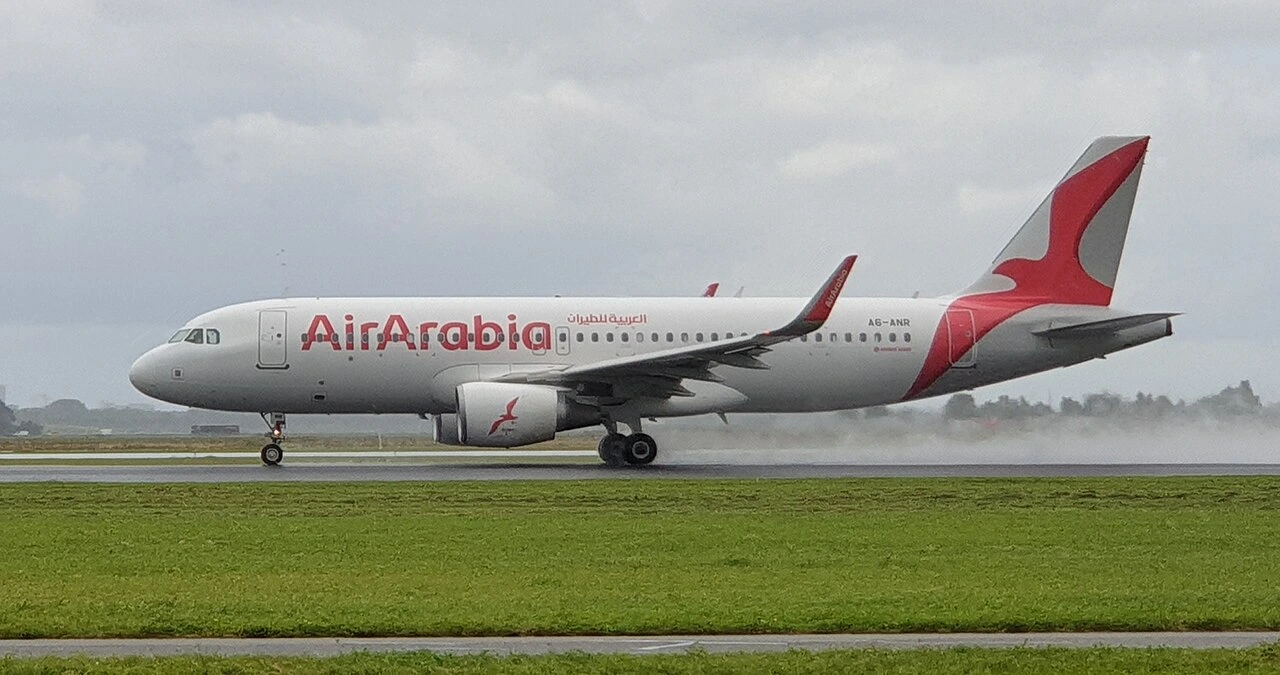
What Happens Next
Sussex Police said their investigation remains ongoing and that a formal report will be submitted to HM Coroner to determine the circumstances of the man’s death. Authorities have not said whether the case is being treated as linked to human smuggling or unauthorized migration, and the man’s identity and nationality had not been confirmed as of publication.
Airports and airlines typically respond to such incidents by reviewing perimeter security, access control procedures, and airside monitoring at the departure airport involved, in this case Tangier Ibn Battouta. Aviation regulators and airport operators continue to treat wheel-well stowaway cases as a standing area of concern despite their rarity, given the near-certainty of serious injury or death.
_-_MSN_5889_-_VGHS.jpg)
_Airbus_A320-214_MSN-5423_VGHS.jpg)

.jpg)
