Japan Airlines (JAL) and its subsidiary Japan Transocean Air (JTA) announced their international flight frequency plan for fiscal year 2026 on January 29, 2026. The plan covers route additions, frequency increases, and aircraft upgrades across Asia, Europe, Oceania, and North America, effective from March 29, 2026.
The announcement follows a broader strategy by JAL to grow its international network while improving the quality of its onboard product. Total international flight operations will increase to 101% compared to the previous year, driven by the launch of two new routes and additional capacity on high-demand corridors.
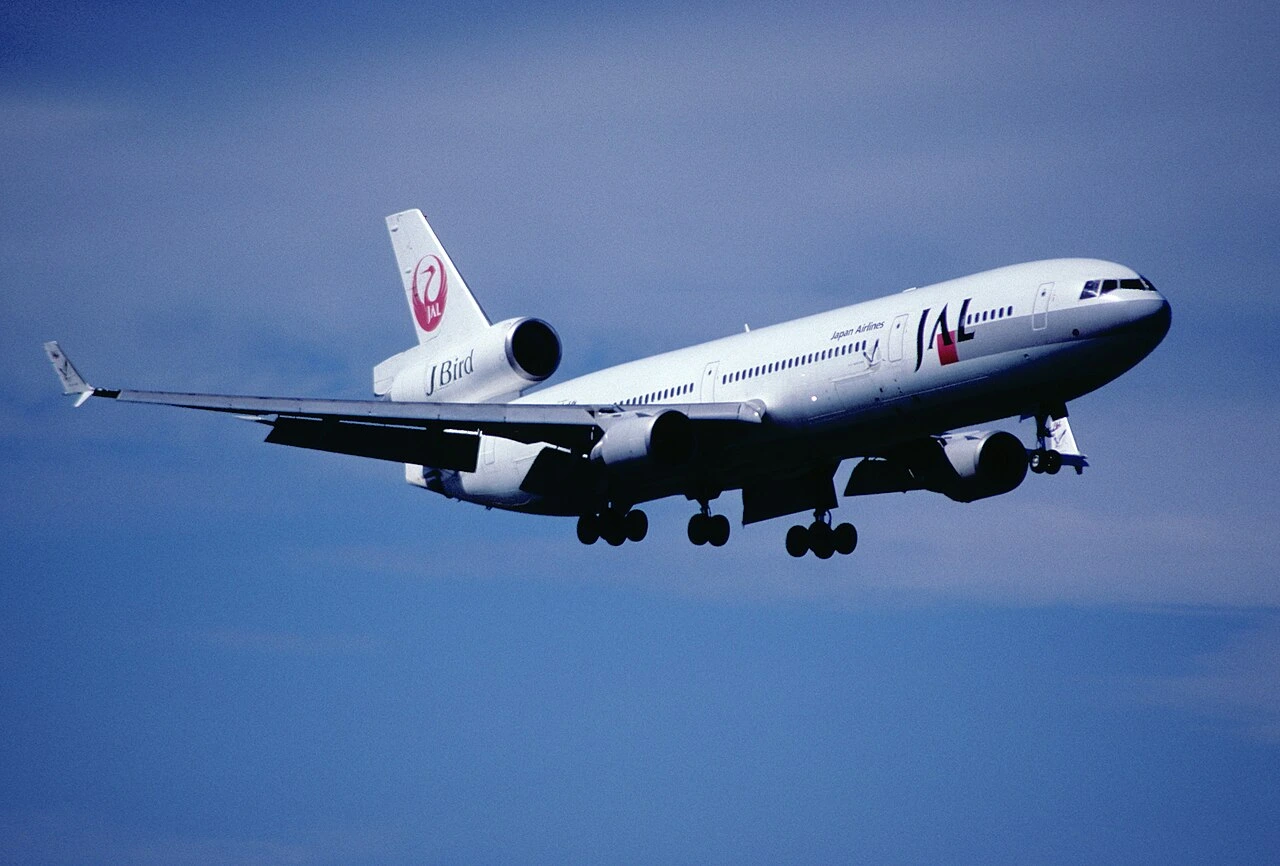
JAL’s New International Routes for FY2026 Include Delhi and Taipei
The most significant additions to JAL’s international network in FY2026 are the Tokyo Narita International Airport (NRT)–Indira Gandhi International Airport (DEL) route and the Okinawa Naha Airport (OKA)–Taiwan Taoyuan International Airport (TPE) route operated by JTA.
JAL launched non-stop service between Tokyo Narita and Delhi on January 17, 2026, complementing its existing Haneda–Delhi service. The route operates with codeshare partnerships with IndiGo (6E) (which is India’s largest airline) and American Airlines (AA) (a carrier that has one of the largest fleet in the world), enabling seamless connections across India and North America.
This Delhi route brings the total number of JAL routes between Narita and India to two, alongside the existing Narita–Bengaluru (BLR) service. JAL has operated scheduled services to Delhi since May 4, 1965, marking over 60 years of Japan–India air connectivity.
On the JTA side, the Okinawa Naha–Taipei Taoyuan route marks JTA’s first-ever international flight, launching in February 2026. This route supports growing inbound travel demand between Japan’s southern islands and Taiwan.
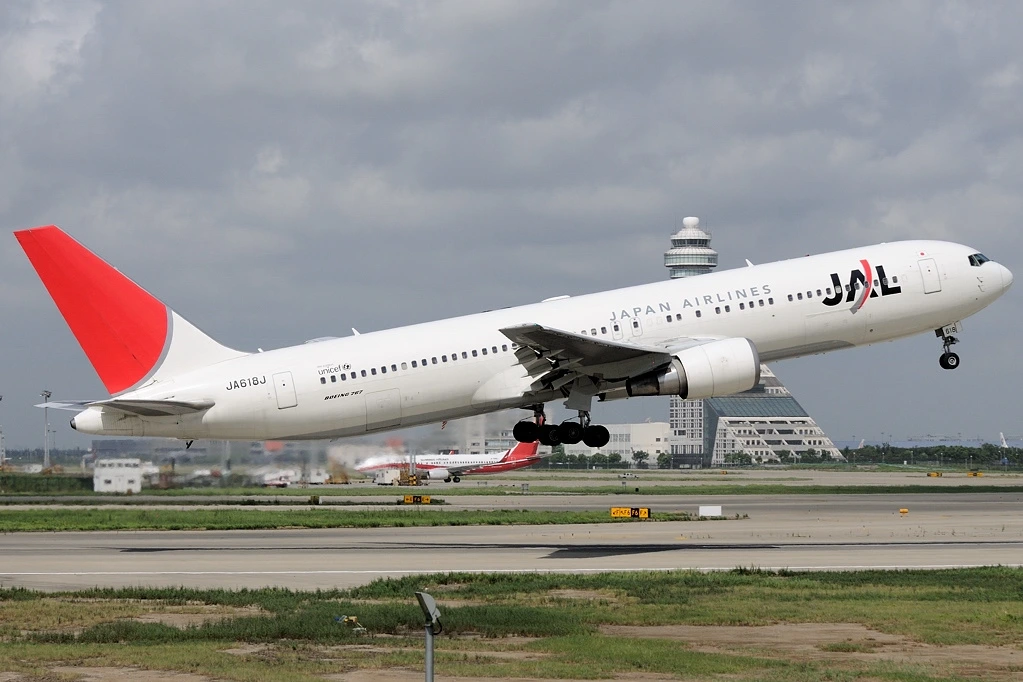
JAL’s Honolulu Route Boost
The Honolulu routes represent JAL’s most prominent capacity push for FY2026. Extra flights and aircraft upgauging using the Boeing 777-300ER will be added during Golden Week and the year-end/New Year holiday period. The number of flights operated with the larger 777-300ER has increased more than fourfold compared to the previous year.
While the Boeing 777-300ER is deployed on these routes, First Class service under the JAL SUITE brand will be available, offering passengers a premium travel option on one of the airline’s most popular leisure corridors. The 2026 JAL Honolulu Marathon is scheduled for Sunday, December 13, 2026, further driving demand on this route.
Beyond the peak holiday periods, JAL’s broader summer schedule also adds capacity on Honolulu routes from other Japanese cities. Nagoya Chubu Centrair International Airport (NGO)–Honolulu will increase from four to seven weekly flights between June 29 and September 2, operated by the Boeing 787-9.
Osaka Kansai International Airport (KIX)–Honolulu and Osaka Kansai–Los Angeles International Airport (LAX) will also rise from five to seven weekly flights during July and August, also using the 787-9.
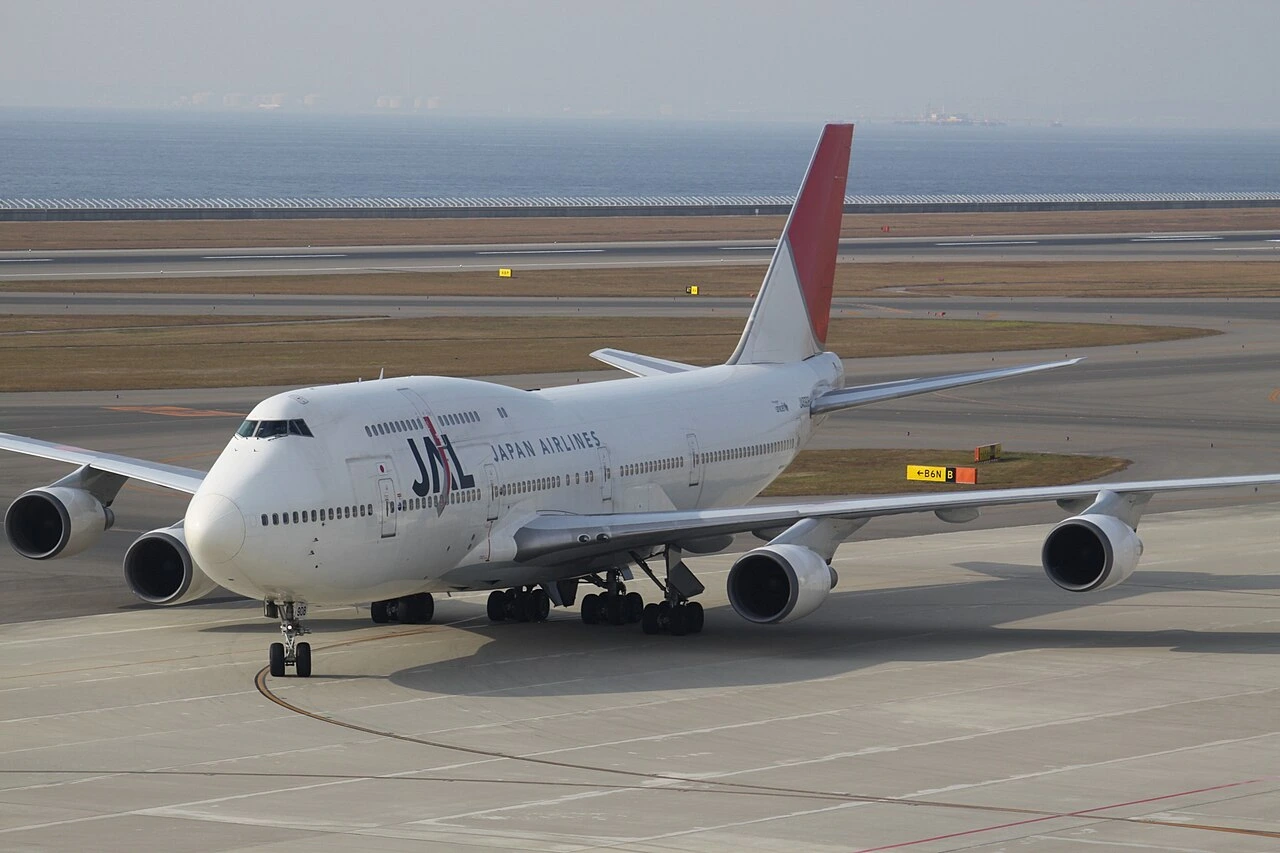
JAL’s Summer 2026 Frequency Increases Across Key International Routes
JAL’s Northern Summer 2026 schedule, effective March 29, 2026, introduces frequency increases across multiple long-haul and regional routes. These changes affect services from Tokyo Haneda International Airport (HND) and NRT, as well as from KIX and NGO.
Key frequency increases in the Summer 2026 schedule, as noted by AeroRoutes include:
- Tokyo Haneda–Helsinki Airport (HEL): Temporarily increases from five to seven weekly flights in June, operated by the Boeing 777-300ER.
- Tokyo Narita–Taipei Taoyuan: A second daily frequency added for the entire summer season.
- Tokyo Narita–Honolulu Daniel K. Inouye International Airport (HNL): Increases to two daily flights during late April and early May peak periods.
- Tokyo Narita–Bangalore Kempegowda International Airport (BLR): Rises from three to seven weekly flights from September 1, 2026.
- Tokyo Narita–San Diego International Airport (SAN): Increases to seven weekly flights from September 1, 2026.
These adjustments reflect demand-driven capacity changes and fleet optimization across JAL’s major hubs. Paris Charles de Gaulle Airport (CDG) retains daily frequency, though aircraft will alternate between the Airbus A350-1000 and the Boeing 777-300ER, rather than operating solely with the A350-1000.

JAL’s Boeing 787-9 Business Class Upgrade
Alongside its network changes, JAL is undertaking a significant inflight product upgrade. In February 2026, Japan Airlines and Boeing announced a joint agreement to upgrade the interiors and in-flight connectivity on eleven 787-9 Dreamliners. The modifications will be performed by Boeing.
The need for this retrofit stems from a long-standing inconsistency in JAL’s 787-9 business class product. Currently, JAL’s 787-9 fleet operates two distinct business class configurations:
- Sky Suite II (Apex Suites): A 2-2-2 configuration fitted on approximately ten aircraft. These seats are widely regarded for their spaciousness and high privacy, and are ranked among the world’s top business class products.
- Sky Suite III (Safran Aries): A reverse herringbone 1-2-1 layout on the remaining aircraft. While every seat has direct aisle access, these seats are notably narrow compared with other reverse herringbone products and are generally viewed as less competitive in terms of comfort.
This disparity has resulted in an inconsistent premium experience across different routes. The retrofit programme aims to standardise interiors across the 787-9 fleet and introduce a new unified business class seat. JAL has not yet confirmed which specific seat product will be installed.
JAL also holds ten orders for new 787-9s, which will feature the same updated interior standard. The first of these new deliveries is expected in the first quarter of 2027, meaning the first retrofitted aircraft will likely enter service in late 2026 or early 2027.
JAL’s Domestic Upgrades and New Services
JAL’s international developments sit alongside a set of domestic changes that also took effect in 2026. Japan Airlines renewed its domestic services beginning April 1, 2026, updating its JAL app, airport lounges, and inflight products across Japan.
First Class service was introduced on selected flights on the Osaka Itami Airport (ITM)–Sapporo New Chitose Airport (CTS) route. The airline also expanded Boeing 787-8 operations on the Tokyo Haneda–Ishigaki and Miyako routes from July 17 to August 31, 2026.
JAL’s activity in 2026 also extends beyond passengers. We previously reported that Japan Airlines Cargo (JALCARGO) and East Japan Railway (JR East) launched JAL de Hako-byun on January 13, 2026 — an intermodal freight service combining the Shinkansen high-speed rail network with JAL’s international air cargo operations. A trial shipment from Sendai to Singapore in October 2025 demonstrated operational feasibility ahead of the commercial launch.



.jpg)
_taxiing_at_London_Heathrow_Airport.jpg)