JetBlue Airways (B6) has announced the discontinuation of 10 routes across its network, pruning services from Manchester-Boston Regional Airport (MHT), Bradley International Airport (BDL) in Hartford, Newark Liberty International Airport (EWR), and Orlando International Airport (MCO), Simple Flying reported.
The cuts reflect a 10-route pullback that shows how aggressively the airline is pruning flying that does not meet its expectations — and notably, several of these markets carried healthy traffic over the past year. The move arrives in the same month JetBlue announced 11 new routes from Fort Lauderdale-Hollywood International Airport (FLL), a juxtaposition that speaks volumes about the carrier’s present strategic calculus.
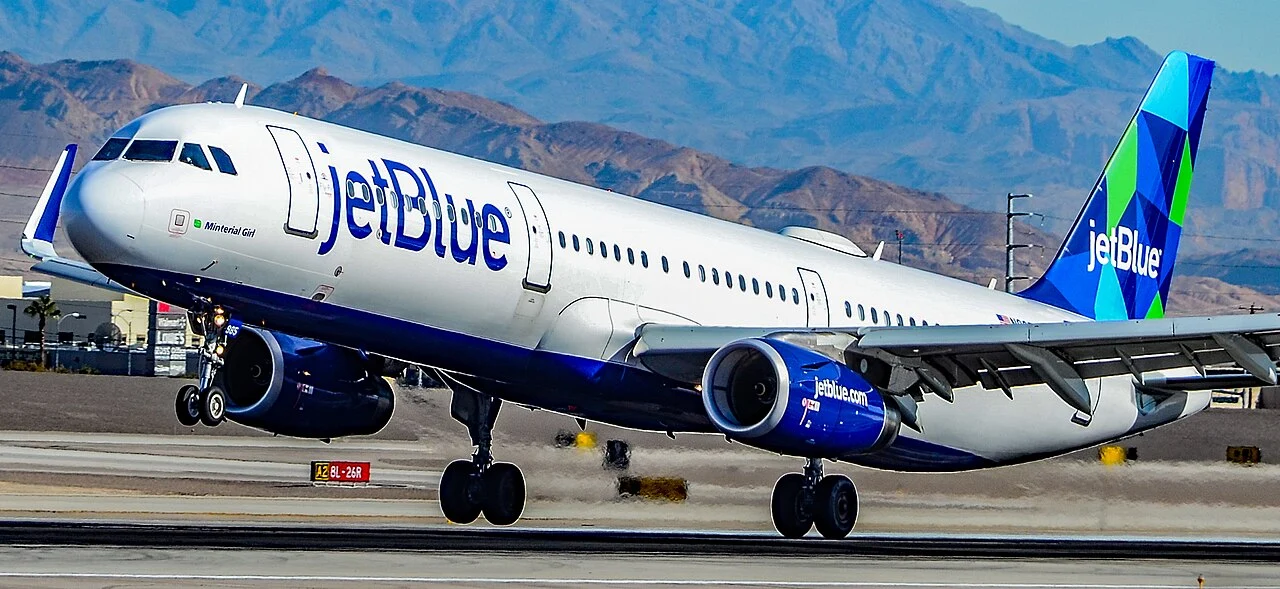
The Full List of JetBlue Route Cuts and What They Reveal
JetBlue is ending service entirely at Manchester-Boston Regional Airport (MHT), removing its three remaining routes. The carrier only returned to Manchester last year, but the experiment has not lasted long. An internal staff announcement cited by Simple Flying was unambiguous:
“We’ll be ending service to Manchester effective July 8. Manchester was just added in 2025 and has not performed to expectations. Customers in the area will continue to have access to JetBlue through nearby New England BlueCities, including Boston, Portland, and Worcester.”
The complete table of routes being cut, together with their 12-month load factors and primary competitors, is as follows:
| Route | 12-Month Load Factor | Key Competitors |
|---|---|---|
| Hartford (BDL) – Tampa (TPA) | 87.3% | Breeze Airways, Southwest Airlines |
| Manchester (MHT) – Fort Lauderdale (FLL) | 67.9% | None |
| Manchester (MHT) – Fort Myers (RSW) | 78.7% | Breeze Airways |
| Manchester (MHT) – Orlando (MCO) | 79.8% | Southwest Airlines |
| Newark (EWR) – Aruba (AUA) | 84.4% | United Airlines |
| Newark (EWR) – Cancún (CUN) | 84.6% | United Airlines |
| Newark (EWR) – Punta Cana (PUJ) | 87.4% | Arajet, United Airlines |
| Newark (EWR) – Santo Domingo (SDQ) | 85.0% | Arajet, United Airlines |
| Newark (EWR) – Tampa (TPA) | 83.3% | United Airlines |
| Orlando (MCO) – San José, Costa Rica (SJO) | 76.5% | Frontier Airlines, Southwest Airlines, Volaris |
The cuts are not all from weak-looking routes, at least not by load factor alone. Hartford–Tampa and Newark–Punta Cana recorded 87% load factors over the past 12 months, well above JetBlue’s network average of 82%. The issue is likely not whether JetBlue could fill the seats, but whether it could fill them at fares high enough to make the route worthwhile.
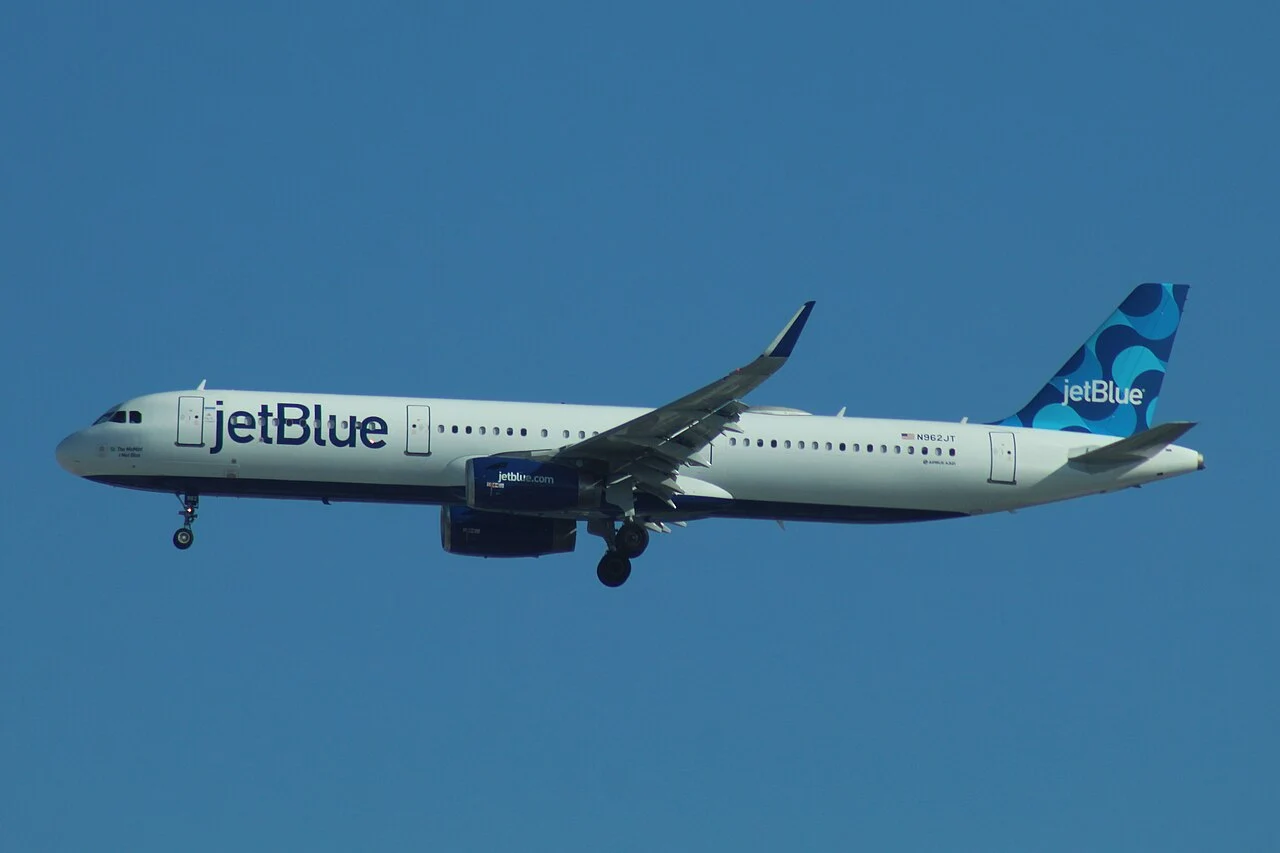
Why High Load Factors Alone No Longer Save Routes for JetBlue
The seeming paradox of cutting routes that passengers fill at above-average rates resolves itself once yield enters the equation. Most of these routes face strong nonstop competition. In Hartford–Tampa, JetBlue was up against Southwest Airlines and Breeze Airways. In Orlando–San José, it faced strong low-cost carrier competition from the likes of Frontier Airlines and Volaris. Meanwhile, at Newark, the airline was competing directly against United Airlines at one of the most powerful hubs in the country.
In such markets, JetBlue can attract passengers but cannot extract pricing power from them. JetBlue may have been able to attract passengers, but not necessarily the right mix of high-yielding passengers. That distinction — full seats versus profitable seats — sits at the heart of the airline’s current network philosophy.
The most strategically revealing cuts are at Newark. JetBlue’s presence there has always been somewhat unusual because its primary New York base is across the Hudson at John F. Kennedy International Airport (JFK). Newark gives JetBlue access to another huge New York-area catchment, but it is also expensive, congested, and dominated by United. For a carrier trying to simplify its network and chase profitability, that is a difficult combination. The internal staff announcement put it plainly:
“A big part of these changes is tied to Newark, where several routes simply have not performed the way we need them to.”
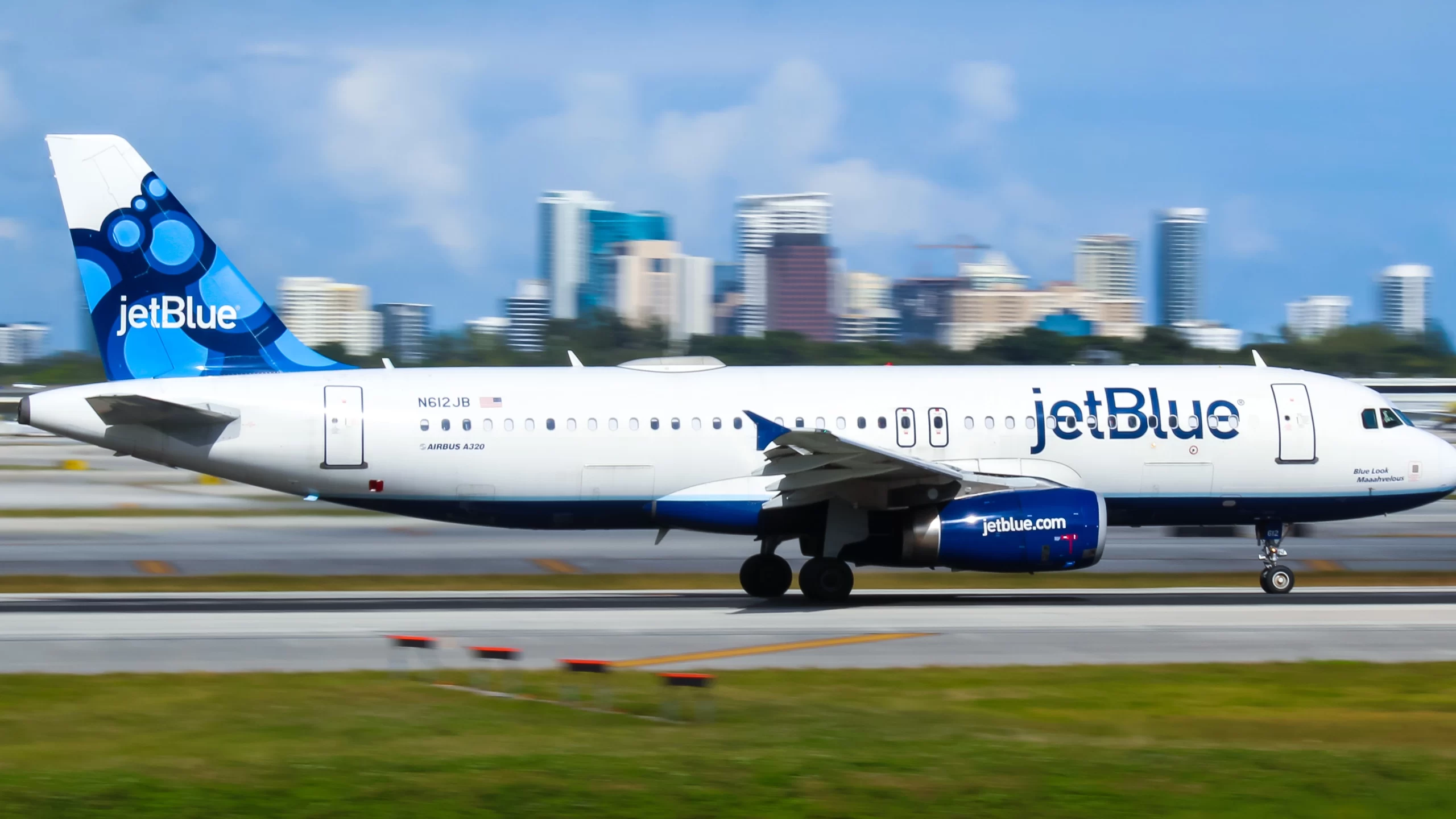
Why JetBlue Expands in Florida While It Retreats Elsewhere
The answer to why JetBlue builds in one city while burning bridges in another lies in the collapse of Spirit Airlines (NK). Spirit Airlines ceased all operations on May 2, 2026, cancelling every scheduled flight without warning and stranding thousands of passengers across its network. The carrier, which relied heavily on Fort Lauderdale-Hollywood International Airport (FLL) as its primary hub, collapsed after surging jet fuel costs — driven by the ongoing conflict in Iran — made continued operations financially impossible.
Fort Lauderdale and San Juan are both JetBlue focus cities, and JetBlue is the largest airline in both cities, offering an extensive route network. These two cities have also been among Spirit’s busiest markets, meaning travelers there may experience significant disruption from the sudden loss of service.
The expansion adds 27 daily flights, pushing JetBlue’s Fort Lauderdale operation to nearly 130 daily departures this summer — more than 75% above its 2025 levels and the largest schedule the airline has ever run from the airport.
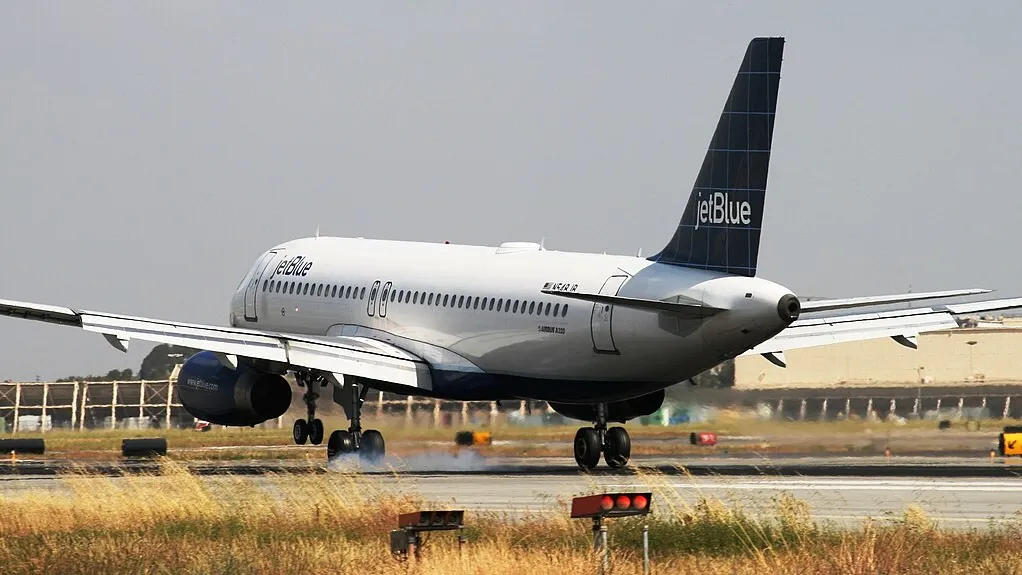
What Smaller Outstations such as Hartford and Manchester Can Expect?
Hartford is worth watching next. JetBlue is only cutting one route in this round, but Tampa International Airport (TPA) is not the only change. The airline is already ending its route to Fort Myers’ Southwest Florida International Airport (RSW) in June, and the remaining JetBlue routes from BDL face growing competition from Breeze Airways as it builds out its base there.
The Manchester experience offers the starkest cautionary note. With an unbelievably poor load of just 29.2%, New York JFK Airport to Manchester, New Hampshire filled the fewest seats of any JetBlue route in the 12 months to January 2026.
The route, which operated daily on the 162-seat Airbus A320, existed between June and September 2025. Only around 47 seats were filled per flight, and two-thirds of passengers connected to another flight at JFK. The airline returned to Manchester only to discover, quickly, that connecting traffic does not produce the unit economics that justify the flying.



_(2420771510).jpg)