Nepal’s civil aviation regulator has approved Shree Airlines for international operations in 2026, marking a pivotal shift in the country’s airline market and network ambitions. The decision enables the Kathmandu-based carrier to expand beyond domestic and regional charters into scheduled cross-border services.
The approval, issued by the Civil Aviation Authority of Nepal (CAAN), that came after the airline conducted a test flight in Kolkata (a flight that comprised of 15 people, including 8 technicians from the authority), reflected a broader policy push to strengthen international connectivity, diversify airline competition, and capitalize on rising outbound and inbound travel demand across South Asia and the Middle East.
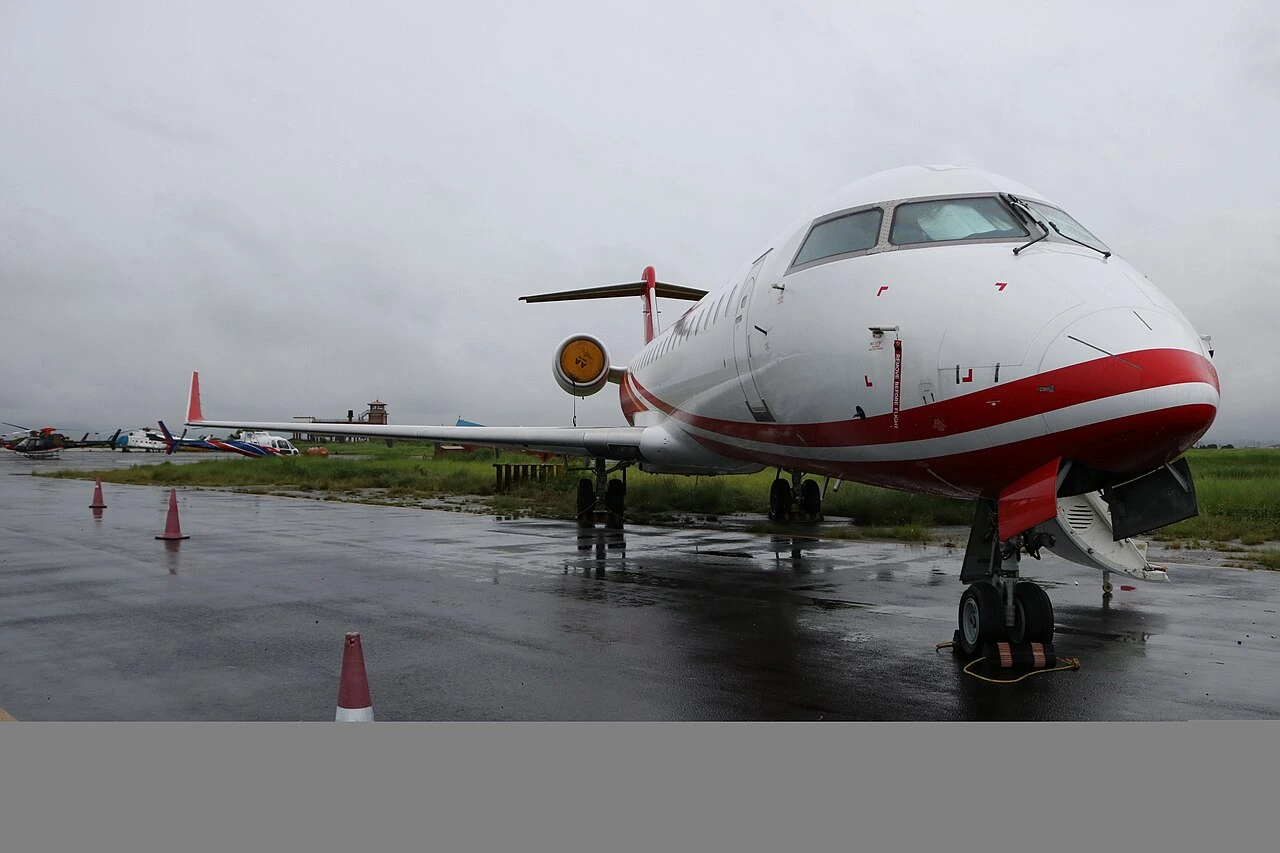
Shree Airlines International Approval signals Nepal Aviation Expansion 2026
Nepal’s aviation sector, which has been said to be a “survival mode” as the rise in jet fuel prices following the Iran war, granted Shree Airlines the right to initiate international routes after evaluating its fleet readiness, safety compliance, and financial standing.
However, skeptics feel that since even Nepal Airlines (RA), which has signed agreements with 42 nations but in “paper only”, Shree Airlines expansion might also feel such hurdles.
Nevertheless, a Nepalese carrier’s strategic attempt to reduce reliance on a narrow pool of international operators, is taken to be a good sign. By enabling additional Nepali carriers to fly abroad, policymakers aim to stabilize fares and improve route frequency.
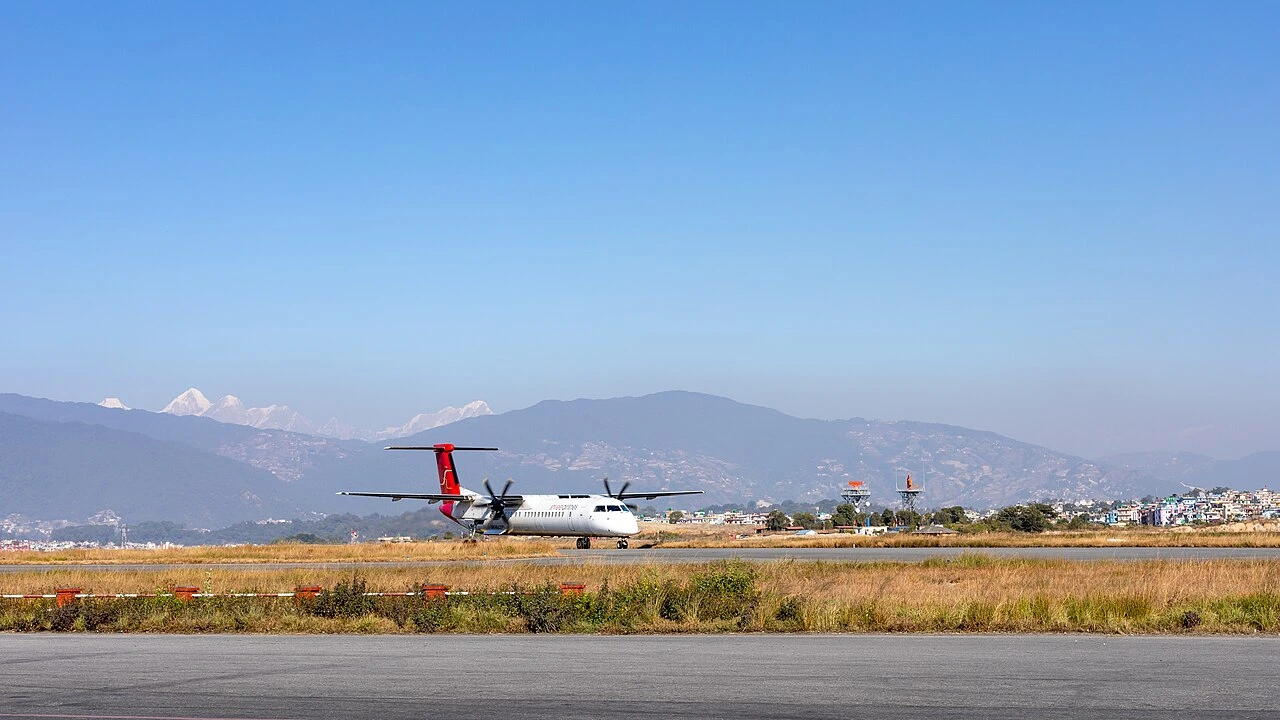
Shree Airlines fleet Strategy and Readiness for International Routes
Shree Airlines currently operates a mixed fleet that includes regional jets such as the Bombardier CRJ700 and Bombardier CRJ200, primarily deployed on domestic trunk routes. The carrier has seventeen aircraft in total: Shree has 17 aircraft:
- seven are Canadian Dash-800s
- two CRJ-200s
- six Russian MI helicopters
- two B3E helicopters
According to Tourism Info Nepal, the carrier is looking to deploy the Dash 800s on its international routes, though the carrier might also want to opt for fleet modernization if it wants to remain competitive on high-density regional routes.
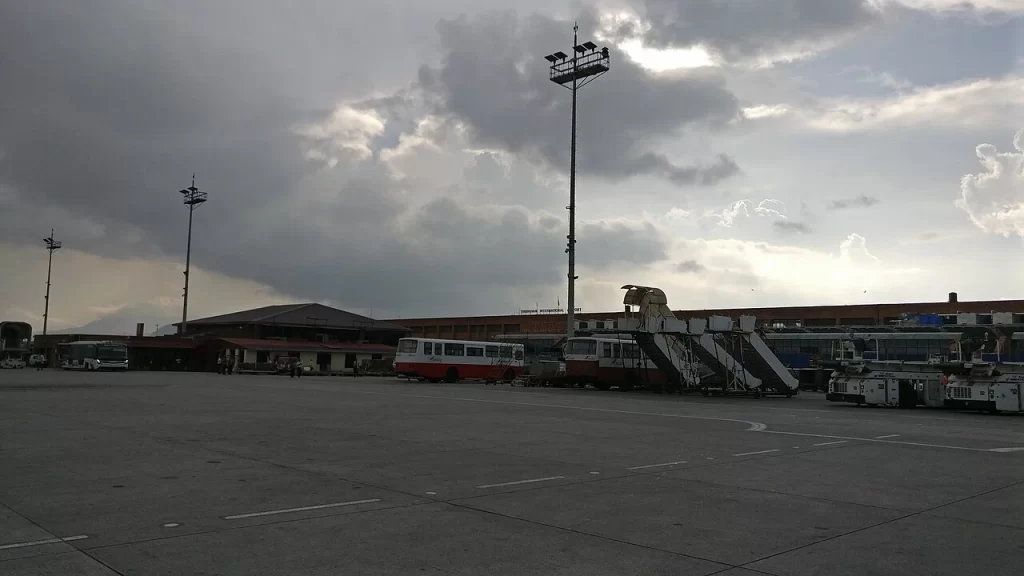
Kathmandu Tribhuvan International Airport (KTM) Capacity and Operational implications
All initial international services are expected to originate from Tribhuvan International Airport (KTM), Kathmandu, Nepal’s primary aviation gateway that during the Gen-Z protests found itself approached by 2,000 protestors that wanted to burn it down. KTM continues to handle the overwhelming majority of the country’s international traffic despite ongoing congestion challenges.

The airport’s slot constraints and infrastructure limitations remain a critical bottleneck. However, authorities believe that incremental airline participation can still improve connectivity without immediately overwhelming capacity.
Government-led modernization initiatives and parallel development of alternative airports aim to gradually redistribute traffic. These include operational scaling at Gautam Buddha International Airport – an airport that is looking to conduct fifth-freedom flights to boost its operations and Pokhara International Airport.
Shree’s Target International Routes
Shree Airlines is expected to prioritize short- to medium-haul destinations with strong labor and tourism demand. Likely initial markets include Gulf hubs and key South Asian cities such as Delhi or Mumbai, where Nepali carriers traditionally maintain high passenger volumes.
After securing its Air Operator Certificate (AOC) for international services, Shree Airlines is preparing to broaden its footprint across the South Asian aviation market. In parallel with its international ambitions, the airline is also moving ahead with plans to launch an Initial Public Offering (IPO), expected to be priced at a premium of Rs. 200 per share.
The airline will compete with established operators such as Nepal Airlines, as well as foreign carriers that dominate Nepal’s international sector. Market entry will require competitive pricing, reliable scheduling, and strong distribution partnerships.
According to regional aviation data cited by multiple industry reports, demand for Nepal–Middle East routes continue to outpace supply during peak travel cycles. This demand gap presents a viable entry window for new operators.

Regulatory Oversight and Safety Compliance in Nepal Aviation
It would be fair to say that the carrier will not be looking for long-haul operations because it doesn’t have aircraft in its fleet for such services. The Civil Aviation Authority of Nepal (CAAN) has emphasized that international approvals remain contingent on strict safety oversight.
Nepal’s aviation sector has faced prolonged scrutiny, including restrictions in certain jurisdictions due to safety concerns, and has been barred from the European airspace. Expanding internationally therefore carries both opportunity and reputational risk for emerging carriers.
Economic and Tourism impact of Nepal Aviation Expansion 2026
The inclusion of new international operators is expected to:
- stimulate tourism inflows and improve outbound travel efficiency
- Increased seat capacity that could help moderate airfare volatility
- align aviation capacity with national tourism targets
Additionally, enhanced connectivity supports cargo movement, which remains an underdeveloped yet critical segment of Nepal’s aviation economy, which generates close to a billion dollars in Nepal’s GDP.
According to Managing Director and Spokesperson of Shree Airlines, Anil Manandhar, who was quoted in Kantipur, the airlines previously had “only been allowed to operate ‘non-scheduled charter’ flights in the international sector“: “Now we have received permission to operate regular international flights”. The
“The company has already sent a formal letter to the Nepal government on Monday, initiating the necessary ‘designation’ process for flights to India and Bangladesh. According to a senior official of the Ministry of Culture, Tourism and Civil Aviation, in the next process, the ministry will recommend Shree Airlines for India and Bangladesh as per the bilateral air services agreement. The recommendation will be forwarded through the Ministry of Foreign Affairs and the embassies of the respective countries.”
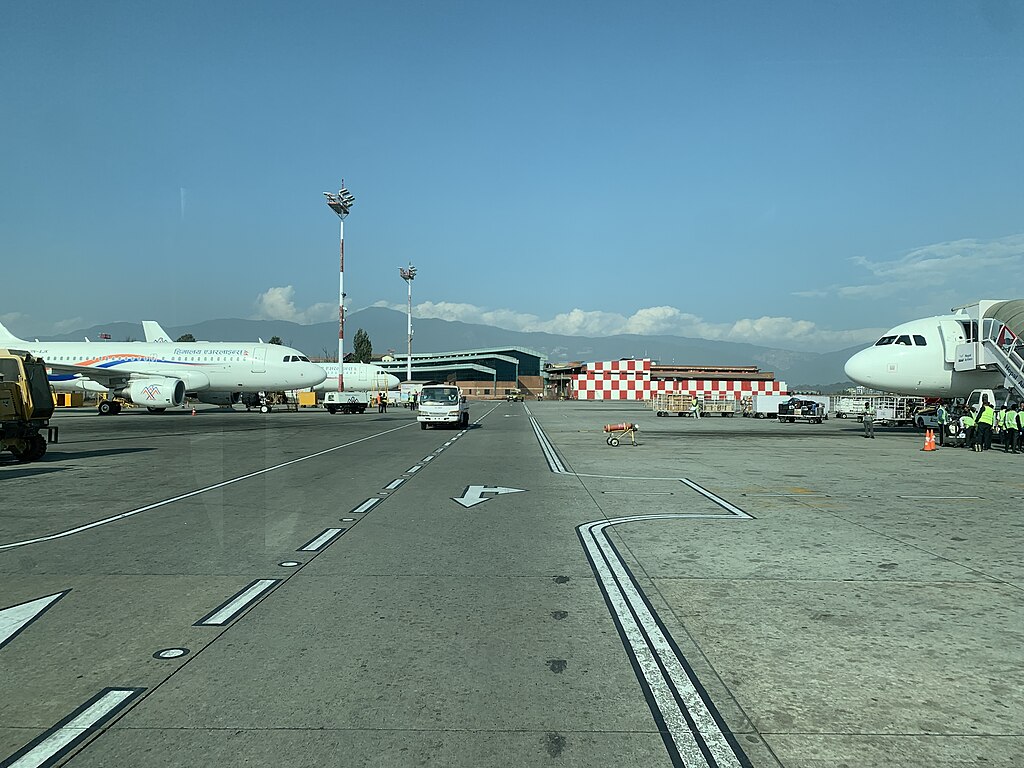
Photo:Chainwit|Wikimedia commons|
All in All
Despite regulatory progress, structural constraints such as infrastructure limitations and bureaucratic hurdles persist across Nepal’s aviation ecosystem. In such a time, Shree Airlines’ transition into international markets will serve as a test case for Nepal’s broader aviation reform agenda.


_Taking_off_from_Tribhuvan_International_Airport_(TIA)-070A2292.jpg)


