Nepal Airlines Corporation (RA) has issued a public apology after a social media post by the carrier incorrectly depicted Jammu & Kashmir as part of Pakistan, triggering widespread backlash in India and beyond.
The state-owned airline, which already faces problems in expansion, acknowledged the error within 24 hours of the post going viral, attributing the misrepresentation to an unintentional “cartographic inaccuracy.” The episode has since drawn scrutiny over internal review processes for airline marketing and route-network materials, and is a bad episode at a time when the carriers of the nation are already in “survival mode”.
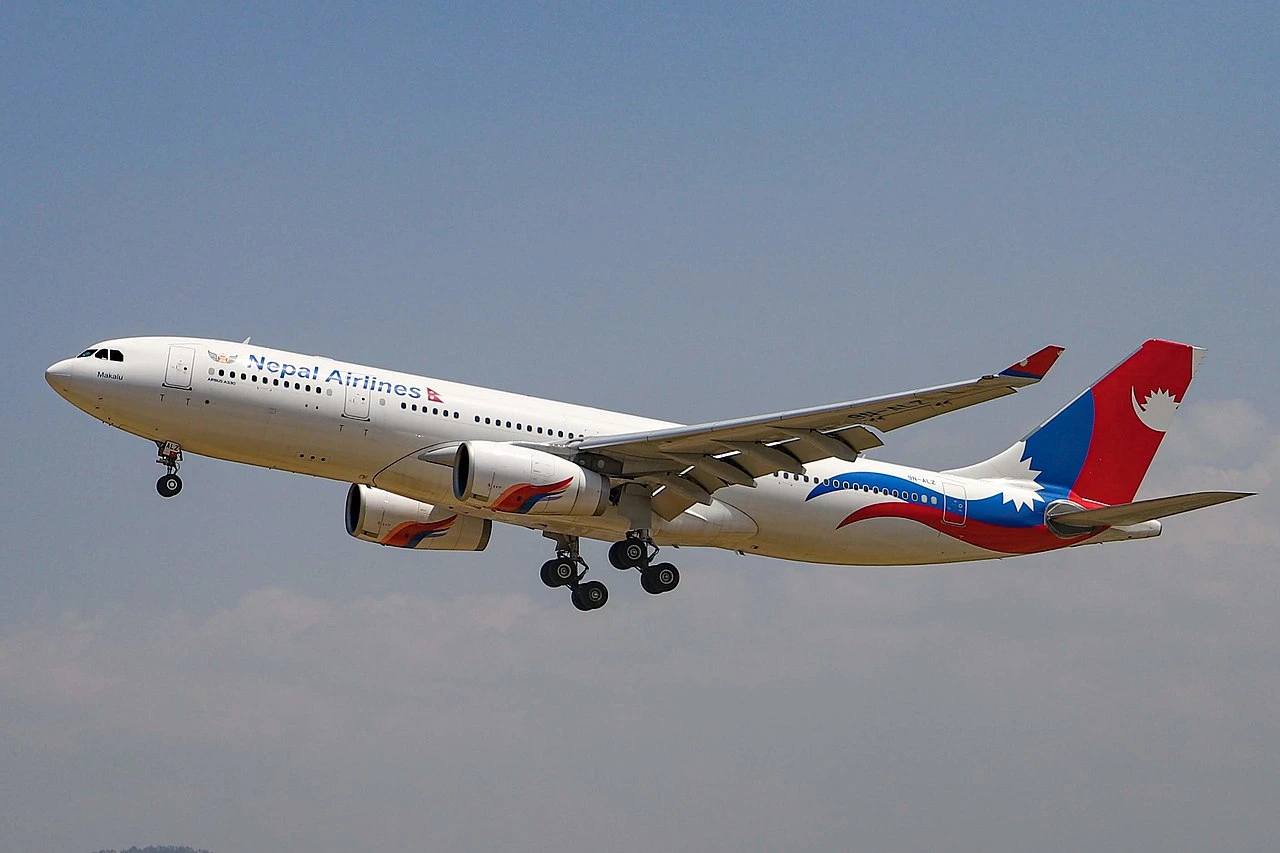
Nepal Airlines (RA) Social Media Map Error Triggers Diplomatic Sensitivities
The controversy began when Nepal Airlines shared a route map on its official social media channels, intended to highlight its international network. Observers quickly noted that the map depicted the entire region of Jammu & Kashmir outside Indian territory, aligning it instead with Pakistan.
The post rapidly gained traction, particularly among Indian users, many of whom flagged the error and demanded corrective action.
According to reporting by India Today, the map circulated widely across platforms, amplifying criticism and prompting calls for accountability:
Soon, the hashtag #BoycottNepalAirlines began trending, with users urging the Ministry of External Affairs (MEA) and the Aviation Ministry to lodge a diplomatic protest with Nepal. Several users highlighted how India, over the decades, kept Nepal’s economy breathing by giving jobs to lakhs of Nepalis, giving it trade access, fuel, funding power projects, and providing disaster relief.
The scale of the backlash reflected not only public sentiment but also the broader geopolitical sensitivity attached to cartographic depictions in South Asia.

Airline issues formal apology citing “unintentional cartographic inaccuracy”
Nepal Airlines moved swiftly to contain the fallout by removing the post and issuing a formal apology. In its statement, the airline described the depiction as an inadvertent mistake and emphasized that it did not reflect any political stance. Here’s the apology issued out by the airline in full:
In a report published by India Today, the airline stated that the error arose from the use of an incorrect graphic and assured that “necessary checks” would be implemented to prevent similar incidents. The wording of the apology sought to balance accountability with reassurance, a common approach in aviation crisis communication.
The airline did not specify whether the map was sourced internally or from a third-party design provider, leaving open questions about its content verification protocols.
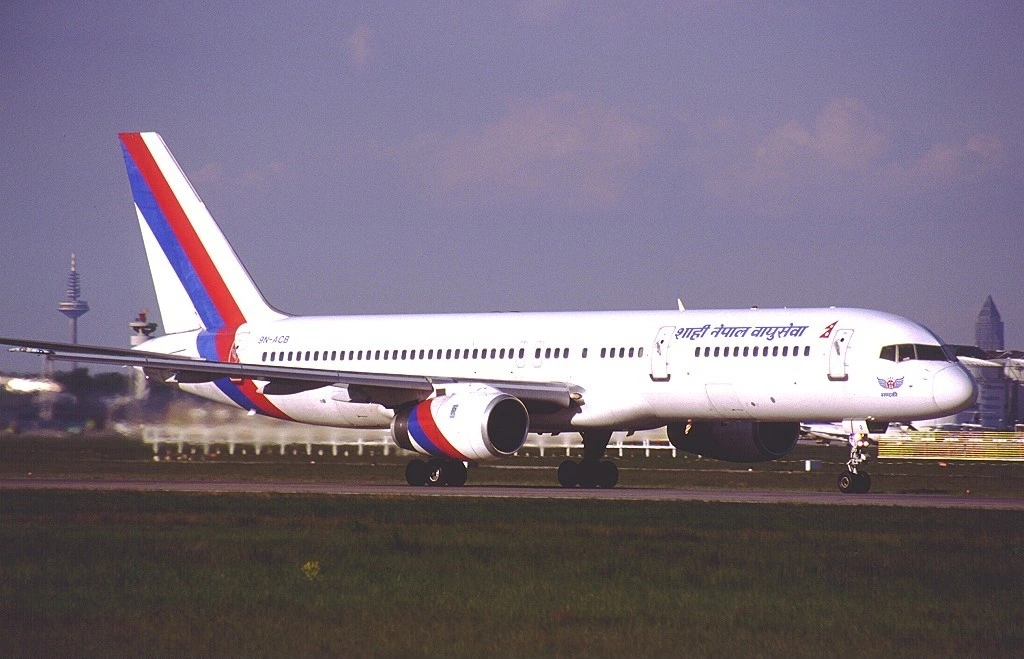
Aviation Industry Faces Recurring Challenges with Politically Sensitive Maps
This is not isolated event in the aviation sector. Last year, the Israel Defense Forces (IDF) revised a graphic that portrayed the Jammu and Kashmir region as part of Pakistan and triggered backlash on Indian social media. The controversy began when the IDF shared a map outlining Iran’s purported missile reach, but the visual incorrectly placed Jammu and Kashmir outside India’s borders.
Lieutenant Colonel Nadav Shoshani, the IDF’s international spokesperson, later addressed the issue, admitting that the team had inadvertently used an incorrect world map while illustrating security threats linked to Iran. He also thanked Indian social media users for bringing the mistake to their attention.
Last year, Air Canada (AC) also issued an apology after discovering that the in-flight entertainment maps on several Boeing 737 MAX aircraft failed to display Israel, instead labeling the area as “Palestinian territories.” The issue, first reported by a passenger, affected around 40 aircraft and was traced to map data supplied by a third-party provider.
The airline disabled the map feature immediately and worked to correct the error, stating that the configuration did not align with its policy of displaying only city names. A corrected version of the maps was then scheduled to be installed across the fleet.
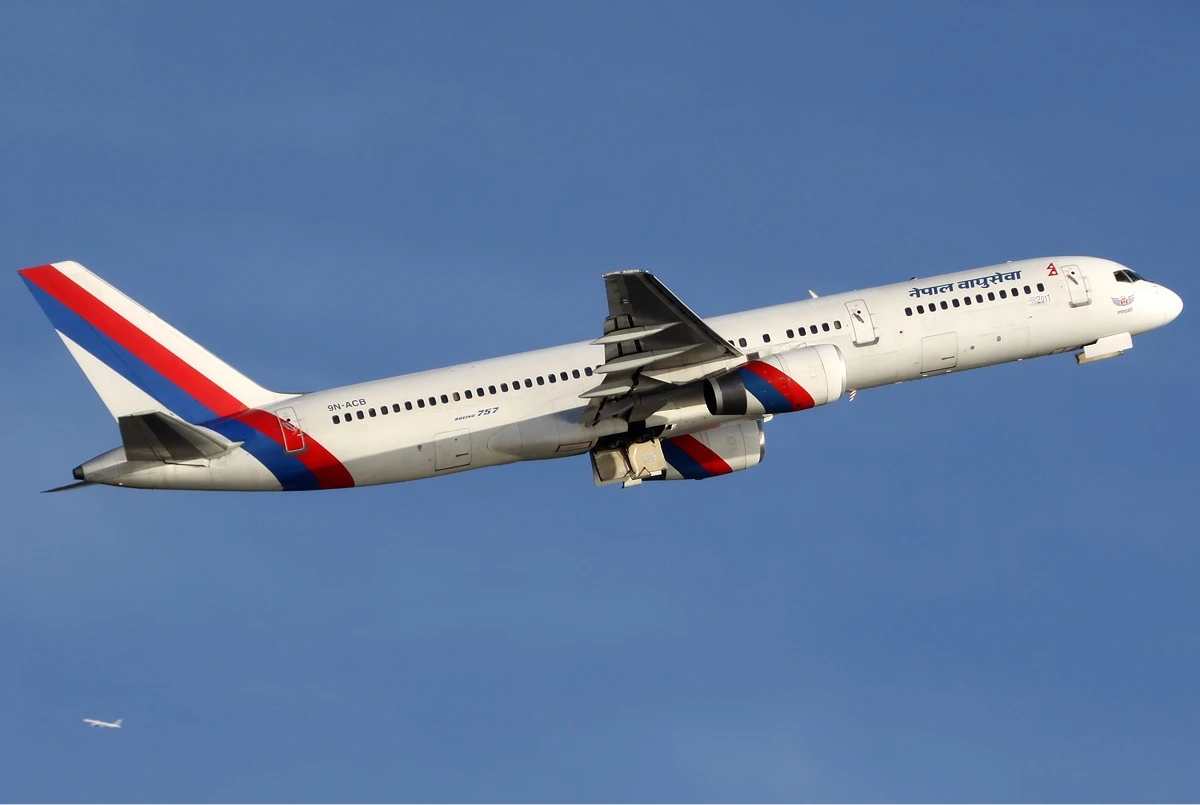
Nepal Airlines’ Response Highlights Reputational Risks in Digital Communications
The rapid escalation of the controversy of Nepal Airlines’ depiction, coupled with the cases we discussed above, highlights the reputational risks airlines face in the digital era. Social media platforms amplify errors at unprecedented speed, often outpacing traditional crisis-response mechanisms.
While the issue was resolved quickly through an apology, it carries broader implications for aviation ties between India and Nepal. India remains a critical market for Nepal Airlines, both in terms of passenger traffic and regional connectivity.
Any perception of political insensitivity, even if unintended, can affect public perception and, by extension, commercial performance. There are 42,000 Nepalese soldiers that serve in the Indian army. The remittance figures (to Nepal) from India are only second to Qatar, with estimates showing that there might be around three to four million Nepalese workers in India.
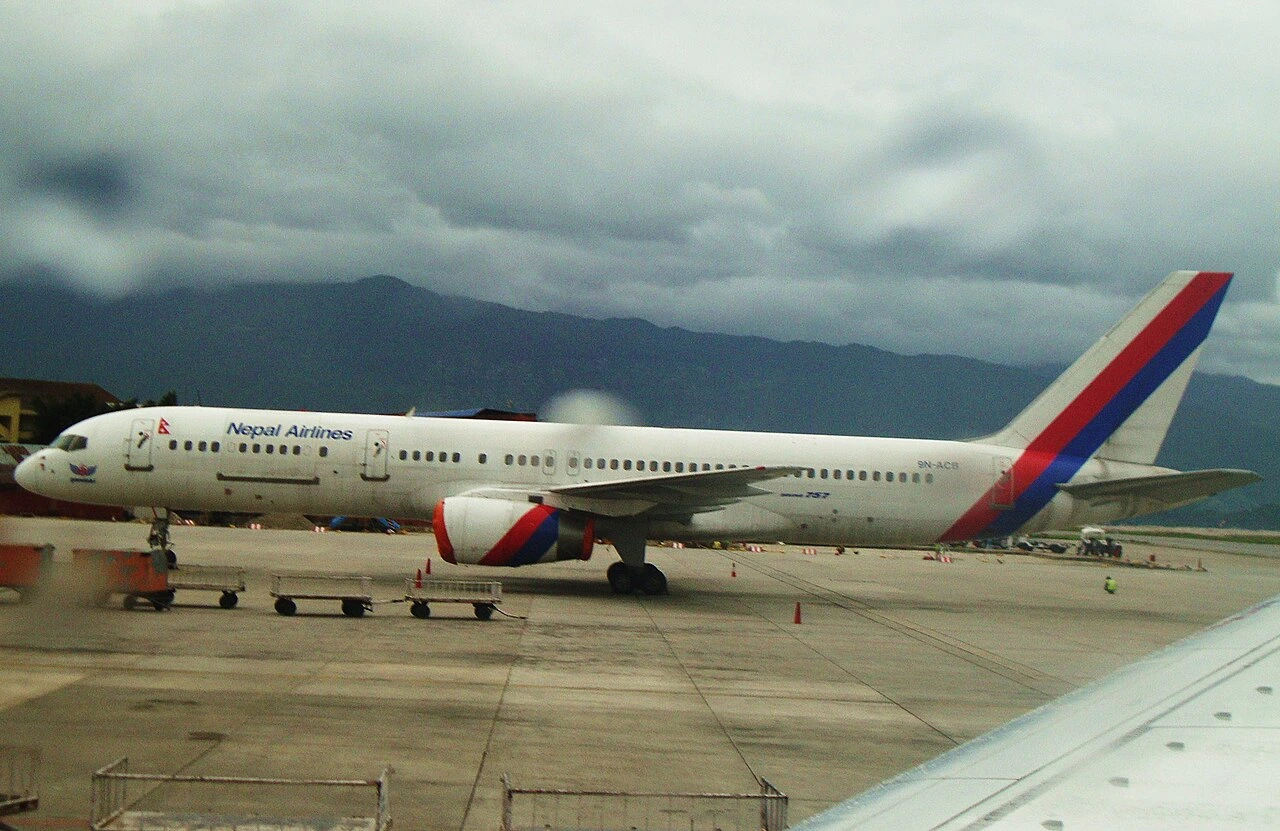
All in All
In operational terms, the incident did not disrupt flights or network planning. However, its symbolic impact was disproportionately large, demonstrating how non-operational aspects of aviation—such as branding and communication—can carry significant weight.
As airlines expand their digital presence, the margin for error continues to shrink. What might once have been a minor oversight can now escalate into an international controversy within hours.
For Nepal Airlines, the lesson is clear: precision in representation is as critical as precision in operations.