United Airlines (UA) has tightened access to its Polaris Lounges across the United States, effective 14 April 2026, excluding premium passengers from Singapore Airlines (SQ) and most Star Alliance partners. The move affects key hubs including San Francisco, Newark, and Los Angeles, and is aimed at alleviating chronic overcrowding, Mile Lion reported.
Under the revised policy, only select joint venture partners—such as ANA, Lufthansa Group carriers, and Air New Zealand—retain access, while other premium passengers are redirected to United Club or third-party lounges.
United Airlines Polaris Lounge Policy: What Has Changed?
United Airlines’ sweeping revision to Polaris Lounge access rules fundamentally alters a long-standing Star Alliance benefit. Previously, any First or Business Class passenger departing on a long-haul Star Alliance flight from a Polaris-equipped airport could access the lounge. Under the updated framework, access is now restricted to a narrow group of partner airlines, primarily those within United’s joint venture ecosystem.
This effectively removes eligibility for carriers such as Singapore Airlines, Turkish Airlines, and Air India, even for long-haul premium passengers. The following table gives us an outline:
| Airline | First Class Access | Business Class Access | Key Conditions |
|---|---|---|---|
| Air New Zealand | — | Yes | Polaris access granted |
| ANA | Yes (+1 guest) | Yes | Full access retained |
| Austrian Airlines | — | Yes | Basic & Flex fares only |
| Brussels Airlines | — | Yes | Basic & Flex fares only |
| ITA Airways | — | Yes | Standard access |
| SWISS | Yes (+1 guest) | Yes | Basic & Flex fares only |
| Lufthansa | Yes (+1 guest) | Yes | Basic & Flex fares only |
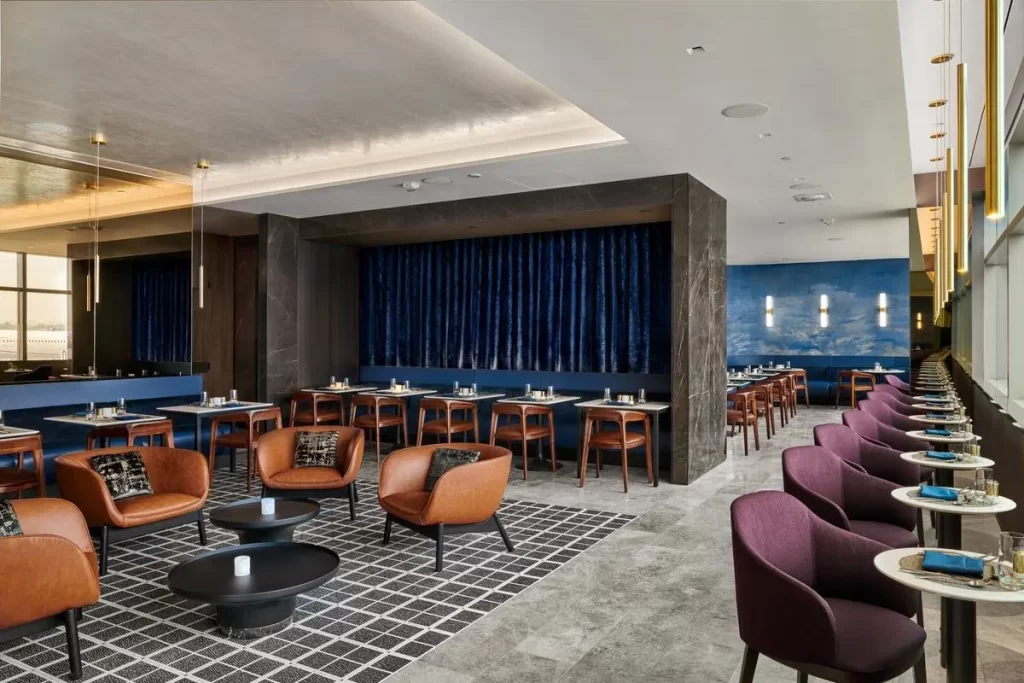
All remaining Star Alliance passengers will be rerouted to a United Club or an alternative lounge designated by their airline. This represents a clear step down in the premium ground experience. Polaris Lounges feature:
- private shower suites
- quiet rooms
- à la carte dining
- barista-prepared coffee
- full-service cocktail bars
whereas United Clubs offer a far more limited setup, typically comprising buffet-style food and packaged snacks. While alcohol is available, higher-end spirits and wines are generally offered at an additional cost.
Impact on Singapore Airlines Passengers Across US airports
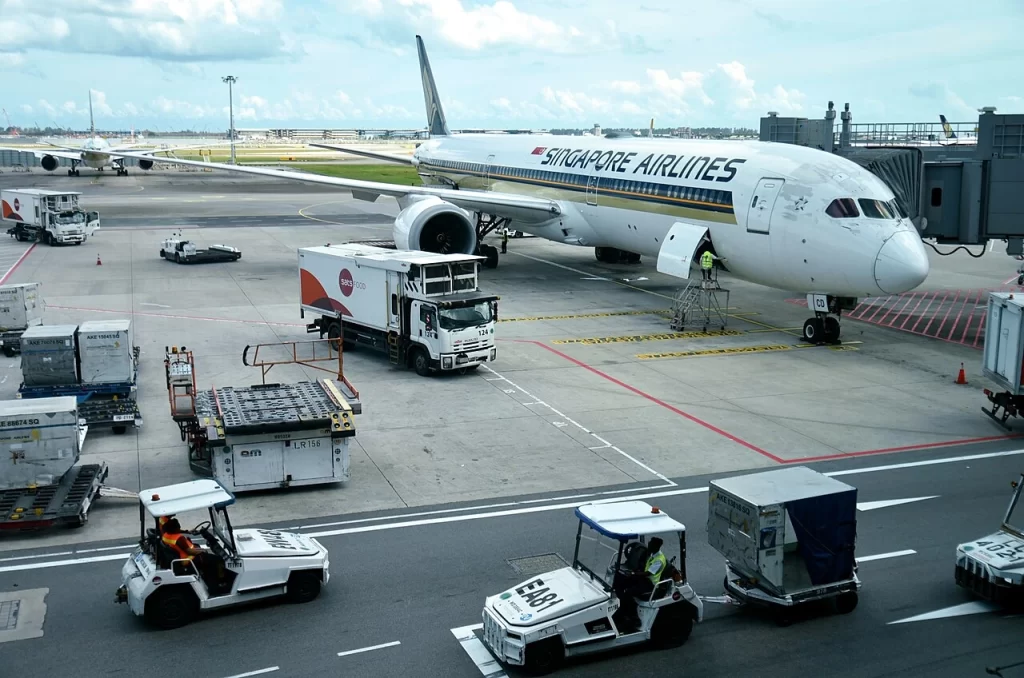
The change disproportionately affects Singapore Airlines customers departing from the United States, particularly at San Francisco International Airport (SFO), San Francisco, where Polaris Lounge access was previously viable, and where an Air India deadhead pilot was found with marijuana, prompting a notice to Air India, which is undergoing leadership change.
Singapore Airlines Business Class passengers could historically access Polaris facilities at SFO, which offered full-service dining, shower suites, and rest areas.
However, the airline has already transitioned its SFO operations to the A Gates, assigning passengers to the Air India Maharaja Lounge instead. This facility, while new, is significantly smaller and lacks premium amenities such as showers.
At Newark Liberty International Airport (EWR), Newark and Los Angeles International Airport (LAX), Los Angeles, Polaris Lounges are located in separate terminals from Singapore Airlines departures, making access impractical even before the rule change. Here’s a complete list of clubs that Singapore Airlines now uses across its US destinations:
| Airport | Lounge |
|---|---|
| EWR | Lounge & Co |
| JFK | Virgin Clubhouse |
| JFK | Capital One Lounge |
| JFK | Air India Maharaja Lounge |
| LAX | Star Alliance Lounge |
| SEA | The Club at SEA |
| SFO | Air India Maharaja Lounge |
As a result, the policy shift formalizes what was already a logistical limitation at most US gateways, leaving SFO as the primary casualty.

Why is United Airlines restricting Polaris Lounge Access?
United’s decision to clamp down on Polaris services reflects mounting pressure on premium infrastructure across United’s hub network. Polaris Lounges have experienced sustained overcrowding due to increased premium cabin capacity and partner airline traffic.
Industry observers note that United is simultaneously expanding premium offerings—including transcontinental Polaris services and tiered “basic business class” fares—which further strain lounge capacity.
Recent on-ground reports indicate wait times exceeding two hours for dining at peak periods, underscoring the operational strain. By limiting access to joint venture partners, United is effectively prioritizing revenue-aligned customers while preserving the exclusivity of its flagship ground product. A similar sentiment was echoed by Nick Allis in National Today:
“While this change to Polaris Lounge access rules for Star Alliance partners isn’t terribly surprising, considering the state of overcrowding at airport lounges around the country, it is nevertheless unfortunate news for most Star Alliance premium passengers who can no longer access these desired spaces.”
What This Means for Star Alliance and Premium Travellers
United’s decision introduces a structural shift within the Star Alliance framework, weakening one of its key value propositions—seamless premium benefits across member airlines.
While the move may enhance the Polaris Lounge experience for eligible passengers, it simultaneously erodes consistency for frequent flyers relying on alliance-wide privileges. United Airlines has recalibrated Polaris Lounge access in favour of exclusivity and operational efficiency, but at the cost of alliance cohesion.
For Singapore Airlines and similar carriers, the impact is both practical and symbolic, reinforcing the growing divergence between alliance membership and actual customer experience. As airlines increasingly monetise ground services, access to premium lounges is no longer a universal entitlement—but a carefully rationed commodity.

.jpg)
