A flight attendant employed by Alaska Airlines (AS) was recently observed wearing an “ICE OUT” pin while on duty aboard a flight departing from Seattle-Tacoma International Airport (SEA). The incident has triggered scrutiny over uniform compliance and the airline’s stance on political expression in operational environments.
The accessory, which conveys a political message opposing U.S. Immigration and Customs Enforcement (ICE), appears to conflict with Alaska Airlines’ established uniform policy. While the airline allows certain approved pins, politically motivated messaging remains explicitly restricted under its guidelines.
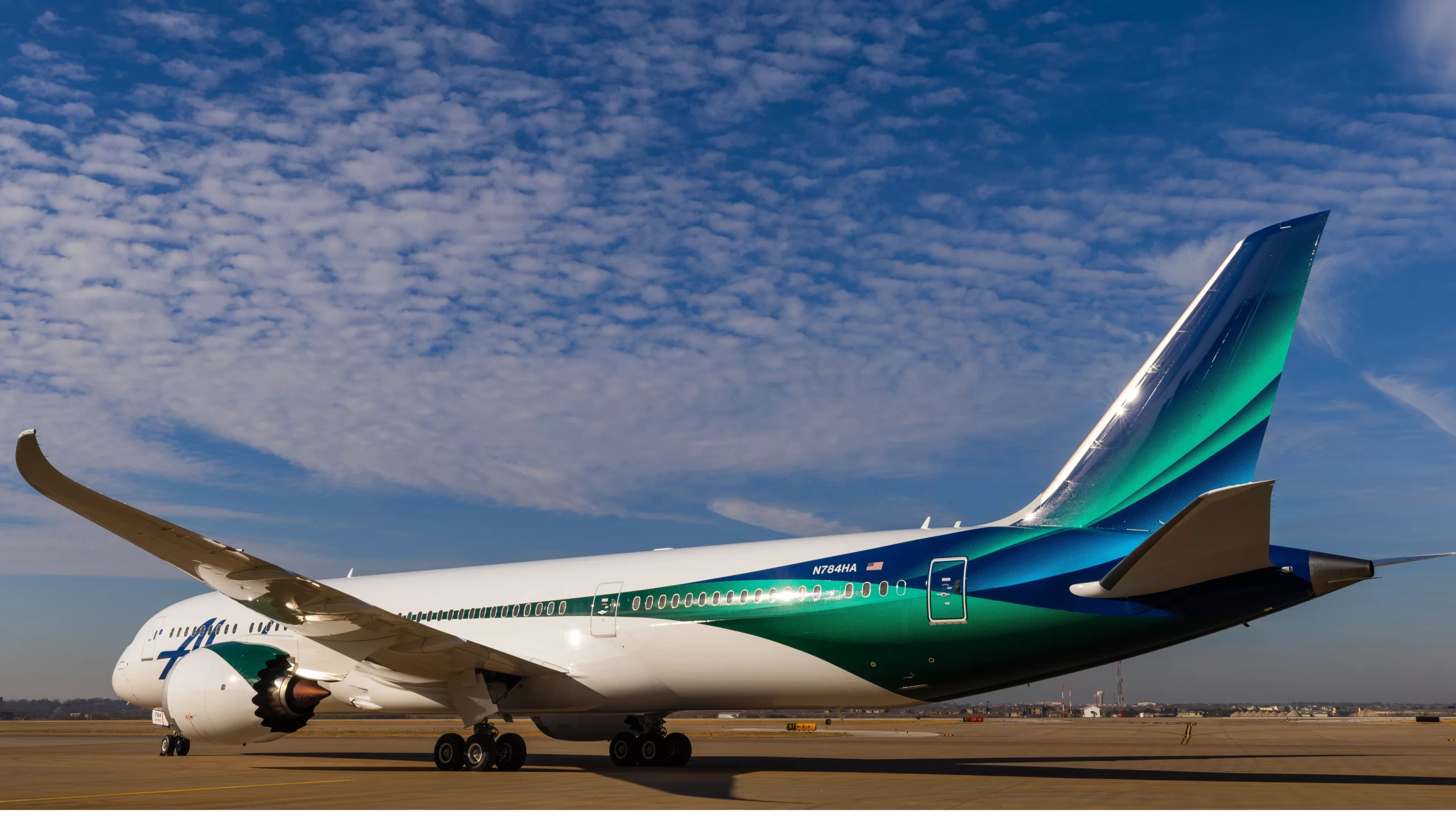
Alaska Airlines Uniform policy and permitted accessories
Alaska Airlines maintains structured guidelines governing crew appearance to preserve professionalism and neutrality in the cabin. Permitted items include:
- Pronoun identification pins
- Union-affiliated pins approved under agreements with the Association of Flight Attendants (AFA)
- Select company-issued or purchased accessories
However, the policy draws a clear boundary against political advocacy symbols, particularly those unrelated to company-sanctioned or identity-based expression, View From the Wing reported.

Why Political Expression in Aircraft Cabins is Problematic
The aircraft cabin is a controlled, non-neutral environment where passengers have limited autonomy. Unlike public spaces, individuals onboard cannot easily disengage from interpersonal interactions.
Flight attendants exercise authority over passengers. There is also a risk risk escalation if passengers challenge crew expression. This asymmetry introduces operational risks, particularly when political views are visibly displayed by authority figures.
Airlines such as Alaska Airlines serve a diverse demographic base spanning multiple political and cultural perspectives. Maintaining neutrality is therefore critical to sustaining trust and brand consistency.
Visible political messaging may alienate segments of the customer base, create perceived bias in service delivery, or undermine the airline’s neutral brand positioning. Even when unintended, such displays can blur the distinction between individual opinion and corporate stance.

Limitations of symbolic messaging in complex policy debates
The “ICE OUT” slogan represents a simplified position within a highly complex policy domain. Immigration enforcement in the United States encompasses economic, legal, and humanitarian dimensions.
Airlines operate within tightly regulated frameworks where crew authority is essential for safety compliance. Introducing political elements into this environment may compromise perceived impartiality.
While Alaska Airlines has not issued a public statement on this specific case, its existing policies provide a clear framework. Approved accessories are permitted within defined limits, whereas political messaging remains outside acceptable boundaries.
The incident underscores a broader industry challenge: balancing individual expression with the operational necessity of neutrality, safety, and professionalism in commercial aviation