Only a few days ago the possibility of Air Canada’s (AC) service agents going to strike surfaced. Unifor Local 2002, the labor union that was representing Air Canada’s service agents, was looking for “respect, safety, and fairness for the workers who keep Canada flying.” After all, the carrier had posted a net income of $186 million. Cathay Pacific (CX), on the other hand, had a revenue of HK$54.309 billion, in the first half of 2024, which was “a year-on-year increase of 9.50%; the profit reached HK$3.651 billion, an increase of 1.1% compared with the same period last year“, reported European Central Station. Against a backdrop of such events, Cathay Pacific is set to grant over 6.2 weeks of pay to employees for 2025.
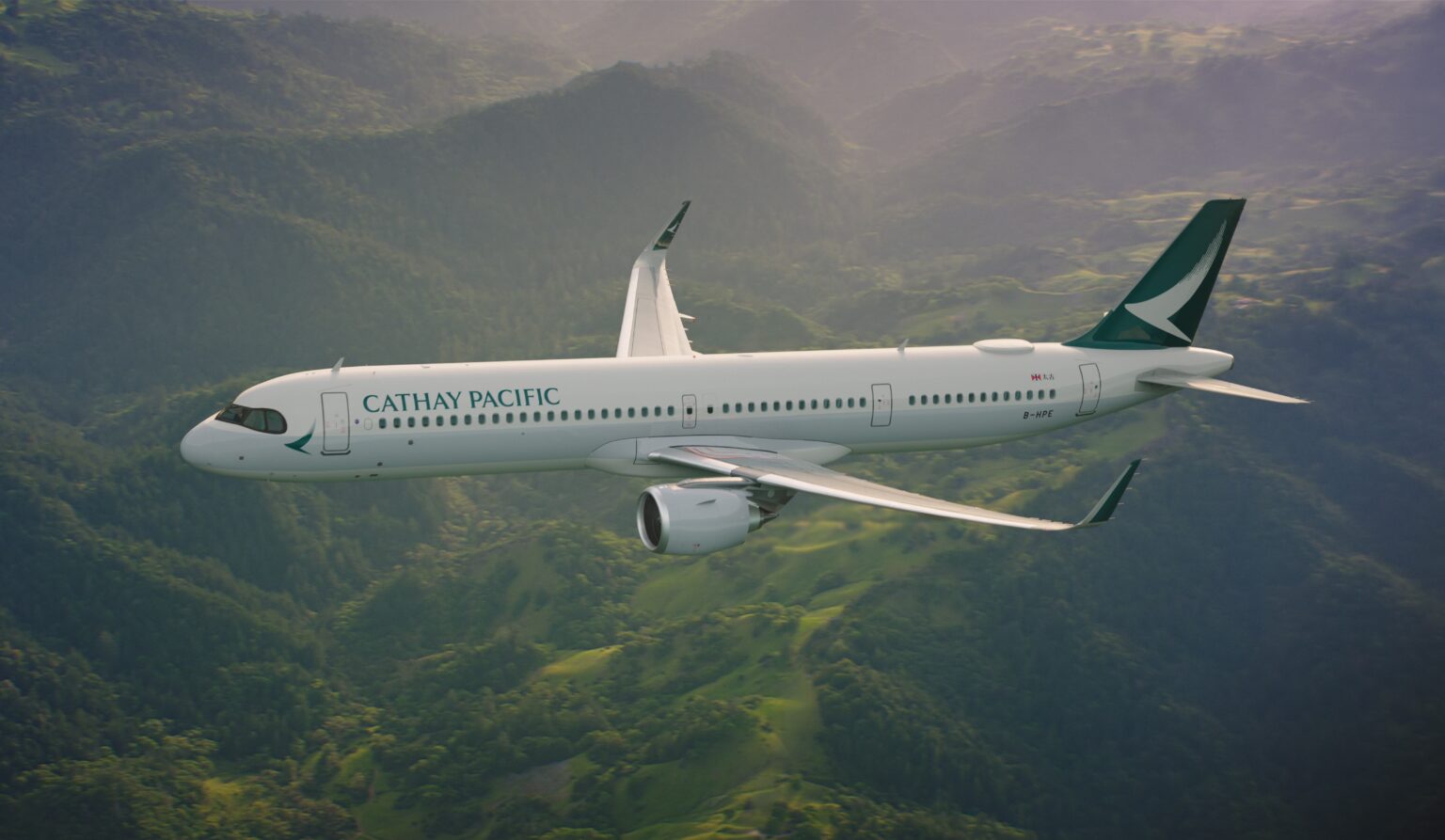
According to The Standard, this meaningful shift in its approach to employee compensation comes under this Hong Kong based carrier’s Profit Share Scheme. The airline informed staff that it anticipates a profit-sharing payout for 2025 that will be slightly higher than the 6.2 weeks of pay awarded for 2024, despite a larger workforce following extensive post-pandemic rebuilding. The disclosure came in a letter circulated to eligible employees by Chief Executive Officer Ronald Lam Siu-por, framing the bonus as a recognition of both financial performance and customer satisfaction improvements.

Profit-sharing Payouts at Cathay Pacific
The COVID-19 pandemic marked the most challenging period in Cathay Pacific’s history, during which employees across the organization worked collectively to support the company through unprecedented disruption. In recognition of this commitment, Cathay introduced a Special Appreciation Reward in 2022, granting eligible employees up to six weeks of pay in acknowledgment of their sustained efforts throughout the pandemic period.
Building on this recognition, the airline subsequently launched a Profit Share Scheme (PSS) covering the 2023–2025 financial years, designed to allow employees to participate directly in the company’s recovery and future success. Alongside the Special Appreciation Reward paid in 2023, the scheme represents an additional mechanism to reward employees as Cathay rebuilds its operations following the crisis.
Cathay’s profitability and corresponding employee payouts have shifted notably in the immediate post-pandemic period. Below is a concise table of officially reported figures under the carrier’s profit-sharing mechanisms:
| Year | Profit-Sharing Payout | Context |
|---|---|---|
| 2023 | ~7.2 weeks of pay | First full payout under new scheme, record net profit after multi-year losses. |
| 2024 | ~6.2 weeks of pay | Slight reduction amid workforce growth, but solid financial results. |
| 2025 | >6.2 weeks (expected) | CEO lam indicates a higher payout reflective of improved results and customer metrics. |
Why Cathay Pacific’s Profit-Sharing Matters Now
Cathay Pacific reported a modest 1% rise in full-year net profit to HK$9.89 billion for 2024, its second consecutive annual profit following years of substantial losses during the global travel downturn.
CEO Ronald Lam has linked the profit-sharing payouts to both financial results and broader operational indicators, such as customer satisfaction scores, which in 2025 are expected to trigger a 7% multiplier under the scheme’s structure.
The following numbers give us a cue of the passengers handled by the carrier:
| Metric | Cathay Pacific | HK Express |
|---|---|---|
| Passengers carried in 2025 | 28.87 million | 7.91 million |
| Year-on-year growth (2025) | 26.5% | 29.7% |
| Share of Cathay Group passengers | ~80% | ~22% |
| Passengers carried in December 2025 | ~2.74 million | ~0.78 million |
| December year-on-year growth | 21.8% | 24.1% |
| Business model | Full-service carrier | Low-cost carrier |
| Role within group | Long-haul and premium-focused | Short-haul and leisure-focused |
Reference: South China Morning Post
The same source also reported the following figures:
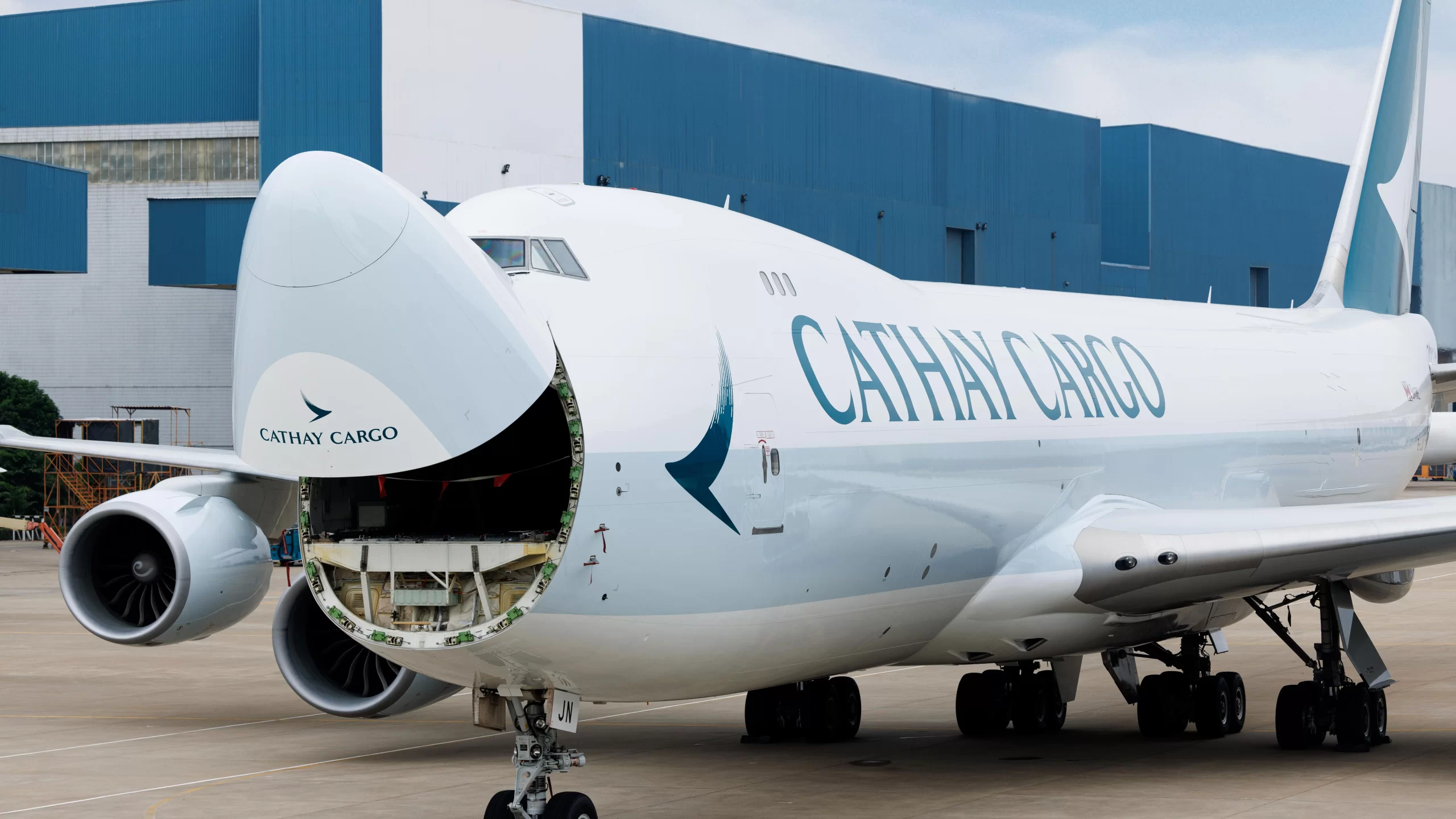
“Hong Kong welcomed 49.89 million tourists in 2025, an increase of 12 per cent from the previous year. Cathay Cargo also carried more than 1.67 million tonnes of goods last year, a 9.4 per cent year-on-year increase. In December, the cargo volume grew by 6 per cent to about 152,000 tonnes from the same period last year”.
Hong Kong Regulations Don’t Impose Upon Cathay to Share its Profits
Under Hong Kong employment law, employers and employees may agree upon discretionary bonus and profit-sharing arrangements, but there is no statutory requirement for airlines to provide profit-linked pay. According to Community Legal Information Center, there is “no legal requirement under the Employment Ordinance for employers to pay end of year payments, including bonuses and double pay“.
We have to note that Cathay Pacific’s “Profit Share Schemes” came after it secured a HK$5 billion rescue package backed by the Hong Kong government in 2020 as the pandemic severely disrupted its operations. The airline went on to record a net loss of HK$6.6 billion in 2022.
However, as travel demand rebounded after the pandemic, the carrier reported an 85 percent increase in revenue to HK$94.5 billion, supported by higher passenger volumes and stronger fares. According to a report published in Bangkok Post in 2024, operating profit rose to HK$5.1 billion, more than tripling from the previous year and exceeding the airline’s earlier record of HK$4.1 billion set in 2010.