Ireland’s largest low-cost airline, Ryanair (FR), now confronts the threat of €5,000 (£4,300) in daily fines unless it ceases certain marketing and pricing tactics on its website that a Belgian commercial court has deemed unlawful, reported Reuters. The ruling, delivered on 28 January 2026, stems from a legal challenge initiated by the Belgian consumer association Testachats, backed by European consumer network Euroconsumers, and has wide implications for ticketing transparency across Europe.
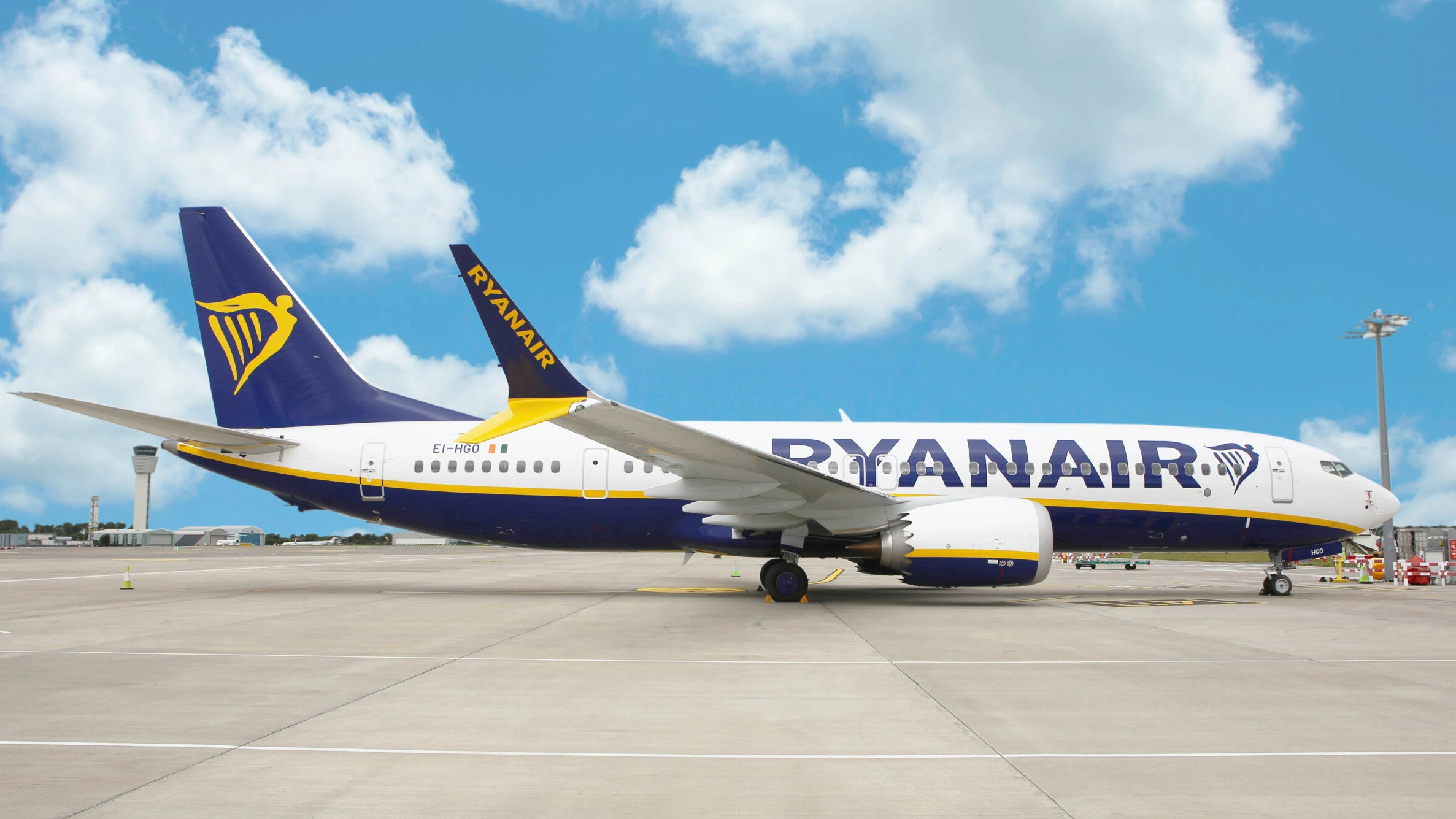
The court decision mandates that Ryanair halt specific tactics — such as artificially induced scarcity messages and misleading discount claims — within three months or face penalties capped at significant sums. The judgment followed months of scrutiny into Ryanair’s digital sales and pricing model, which relies on very low headline fares augmented by ancillary fees.
Ryaniar’s Legal Ruling Details
The Brussels Commercial Court concluded that several of Ryanair’s online practices violate Belgian and broader EU consumer protection law. The judge identified four practices as “illegal” because they impair price transparency and mislead customers during the booking process.
Key banned practices include:
-
False scarcity warnings that suggest flights are nearly full, with messages such as “only 5 seats left at this price“, as quoted by A News.
-
Misleading discount displays based on fictitious reference prices.
-
Bundled fare presentations that obscure individual component pricing.
-
Failure to show checked baggage prices separately for outbound and return segments.
Jean-Philippe Ducart, a Testachats spokesperson, told AFP that the court’s decision aims to force Ryanair to display clear individual prices early in the booking process to allow meaningful comparisons between airlines. “Several aspects of Ryanair’s booking process are currently unclear or misleading,” he said.
Beyond the fines, the court has explicitly tied compliance timelines to improving transparency, not just cosmetic changes. If Ryanair fails to implement required adjustments, each violation could incur a €5,000 daily penalty.
Ryanair’s Response
Despite the ruling against certain practices, Ryanair praised parts of the decision that upheld aspects of its policy. Reuters reported that the parts of the decision that uphelds Ryanair’s policy included:
- charging for large cabin luggage
- charging parents to book a seat beside their children
The same source reported that Ryanair Chief Marketing Officer Dara Brady welcomed the ruling, arguing that it reaffirmed the legality of the airline’s cabin baggage policy and was consistent with previous decisions by courts in Italy, Germany, Spain and the European Union.
Ryanair has nevertheless filed a notice of intent to appeal certain aspects of the judgment. Consumer groups, meanwhile, have indicated that they do not intend to challenge the portions of the ruling that were decided in their favour.

Around the end of 2024, Ryanair, and four other carriers were fined €179 million by Spanish Ministry of Consumer Affairs for “abusive practices such as charging extra for hand luggage or reserving adjacent seats for accompanying disabled persons and children“, reported Euronews.
When the news broke out, Minister Pablo Bustinduy was quoted as having told the press that ‘no company, no matter how big or powerful, is above the law‘ and that ‘there can be no business models based on the violation of consumer rights or abusive practices‘.
Where does Ryanair go from here?
Marco Scialdone, Head of Litigation at Euroconsumers, described the Belgian court decision as a “decisive win for market transparency,” adding that airlines must “no longer rely on misleading price tactics, fake discounts or hidden costs to drive sales.”
Testachats spokesman Jean-Philippe Ducart told AFP that the organization plans to hold talks with the airline that generated much free publicity during its latest spat with Elon Musk over The Big Idiot Sale, stressing that improving transparency remains its top priority.
According to the consumer group, Ryanair employs tactics that pressure customers and limit their ability to carefully compare fares with those offered by competing airlines.
Ducart was quoted in The Times of Malta to have said:
“We want prices to be clearly displayed, with each service listed separately. Consumers have the right to be properly informed, without manipulation, so they can make decisions in full knowledge of the facts,”
For Ryanair, any attention it gets is a good one – after all the carrier once claimed that it was likely to charge passengers to go to a lavatory. Maybe it would need to do so, if it doesn’t change some of its policies and incurs a fine of 5,000 Euros per day.