A few weeks ago, Ryanair (FR), the biggest budget carrier in the world, began a public spat with Elon Musk after its CEO claimed that it wouldn’t be adding Starlink in its fleet, citing additional fuel costs. The public jibes between Musk and O’Leary led to “The Idiot Sale”.
While Ryanair is a budget carrier and has no-frills service, legacy carriers have begun active installation or are operating flights equipped with Starlink Wi-Fi, while many others are in advanced rollout phases. Let’s have a look at all the airlines that have installed Starlink Wi-Fi so far in 2026? Let’s find out.
North American Carriers with Starlink
Three carriers in North America have installed Starlink. Let’s have a look at these.
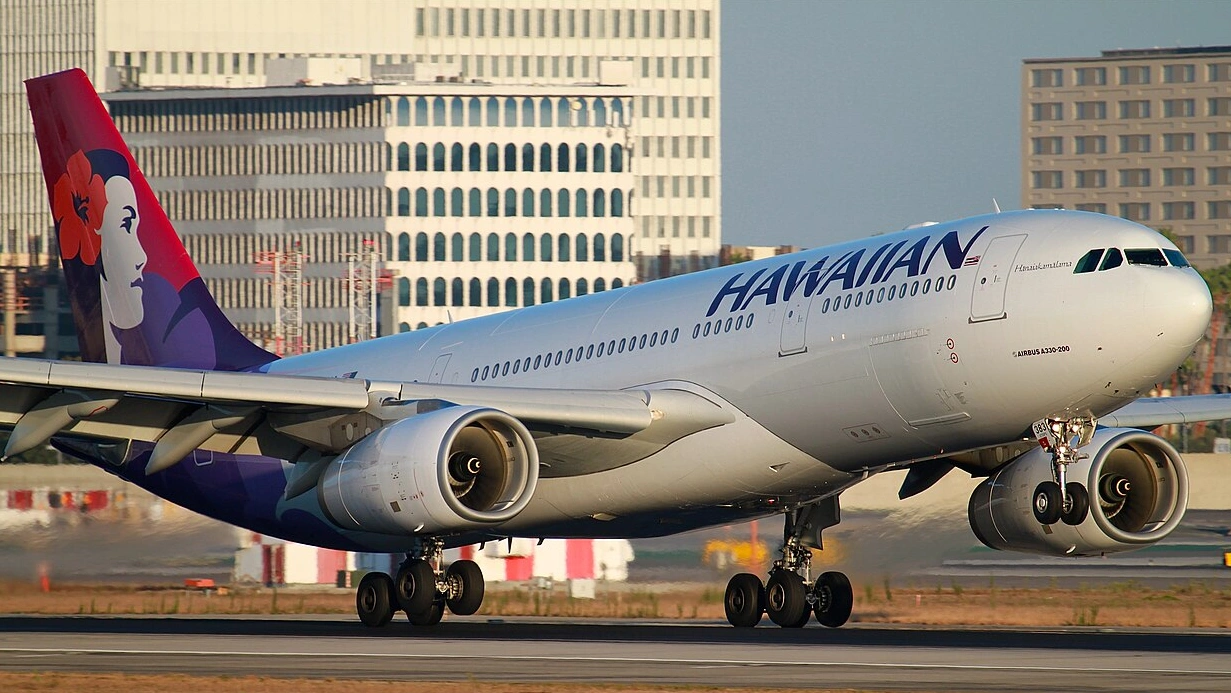
Hawaiian Airlines
Hawaiian Airlines, which is the first major U.S. carrier to debut Starlink in February on its Airbus A321neo aircraft. The carrier was the first major U.S. airline to introduce Starlink hardware on board and has completed installation across its 24 Airbus A330 aircraft.
United Airlines
WestJet
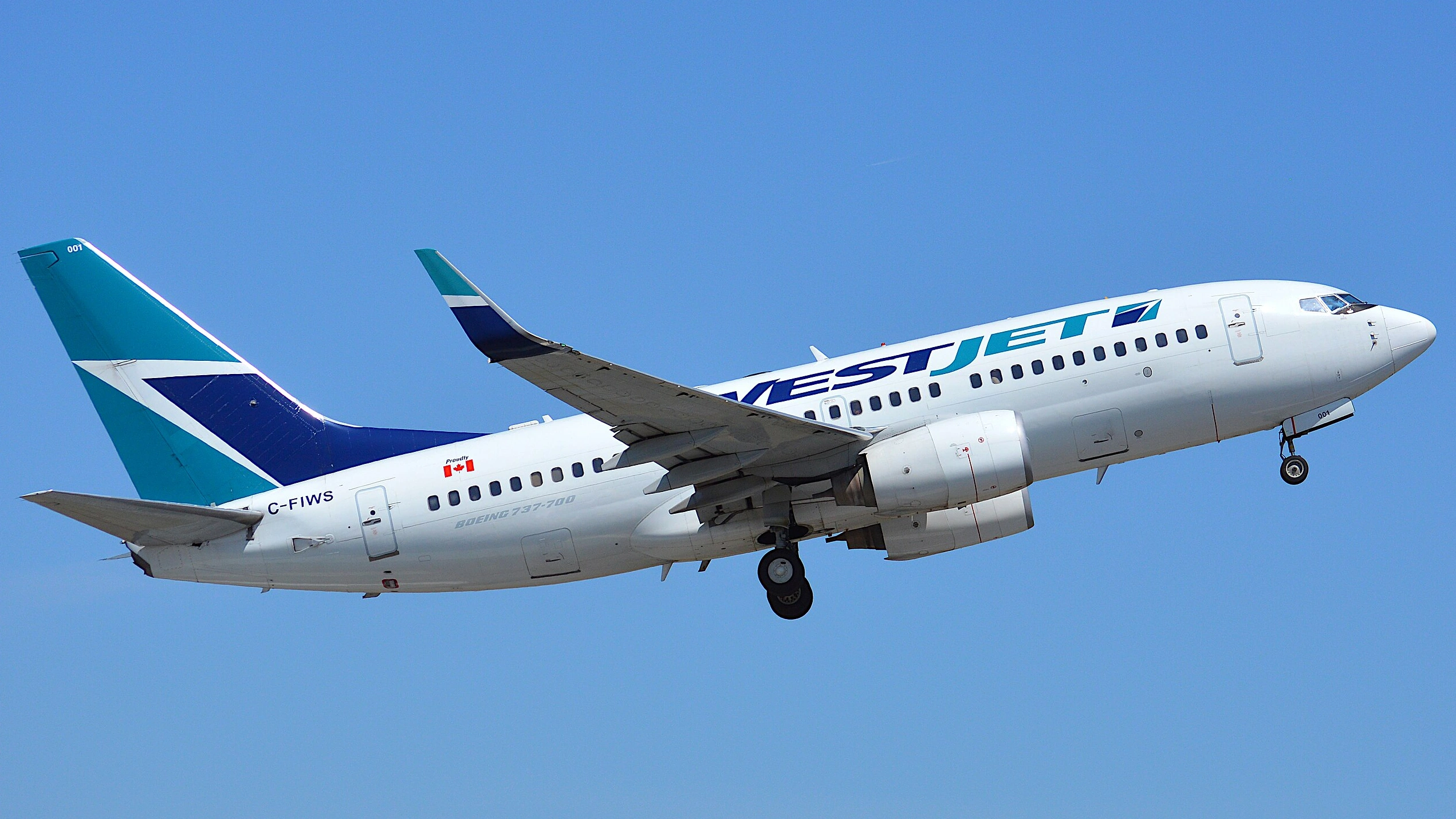
WestJet partnered with Canadian telecom company TELUS to install Starlink satellite Wi‑Fi across its Boeing 737 fleet As of October 2025, WestJet announced that 100 of its 737 aircraft are equipped with Starlink‑powered Wi‑Fi, making it the largest Boeing 737 Starlink‑equipped mainline fleet globally.
Alaska Airlines
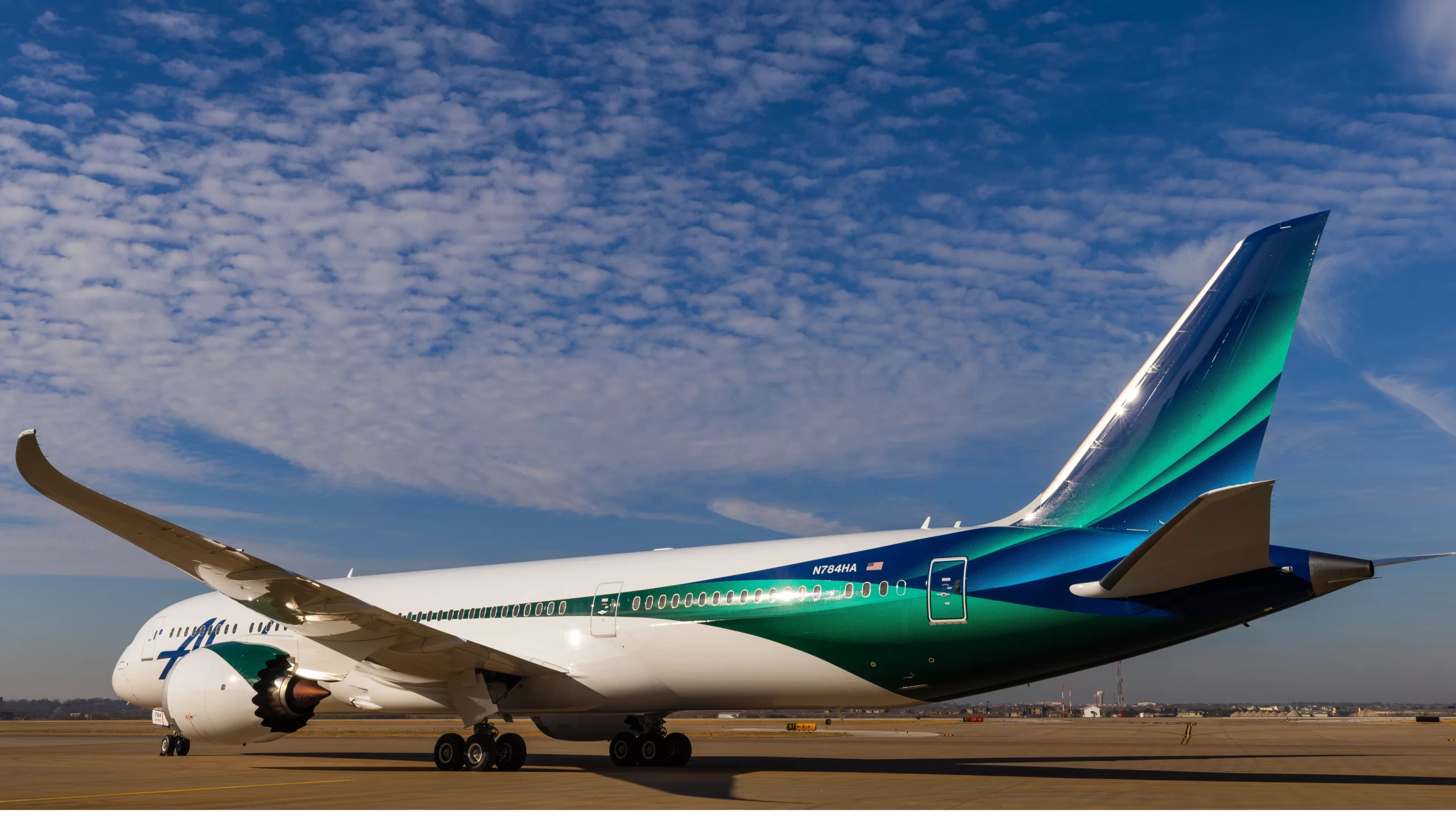
Alaska Airlines has confirmed that it will roll out Starlink satellite‑based Wi‑Fi across its entire fleet, beginning installations in 2026 and targeting fleet‑wide completion by 2027. The carrier will offer Low-latency connectivity with speeds of up to 500 Mbps, supporting streaming, gaming, work, and multiple devices.
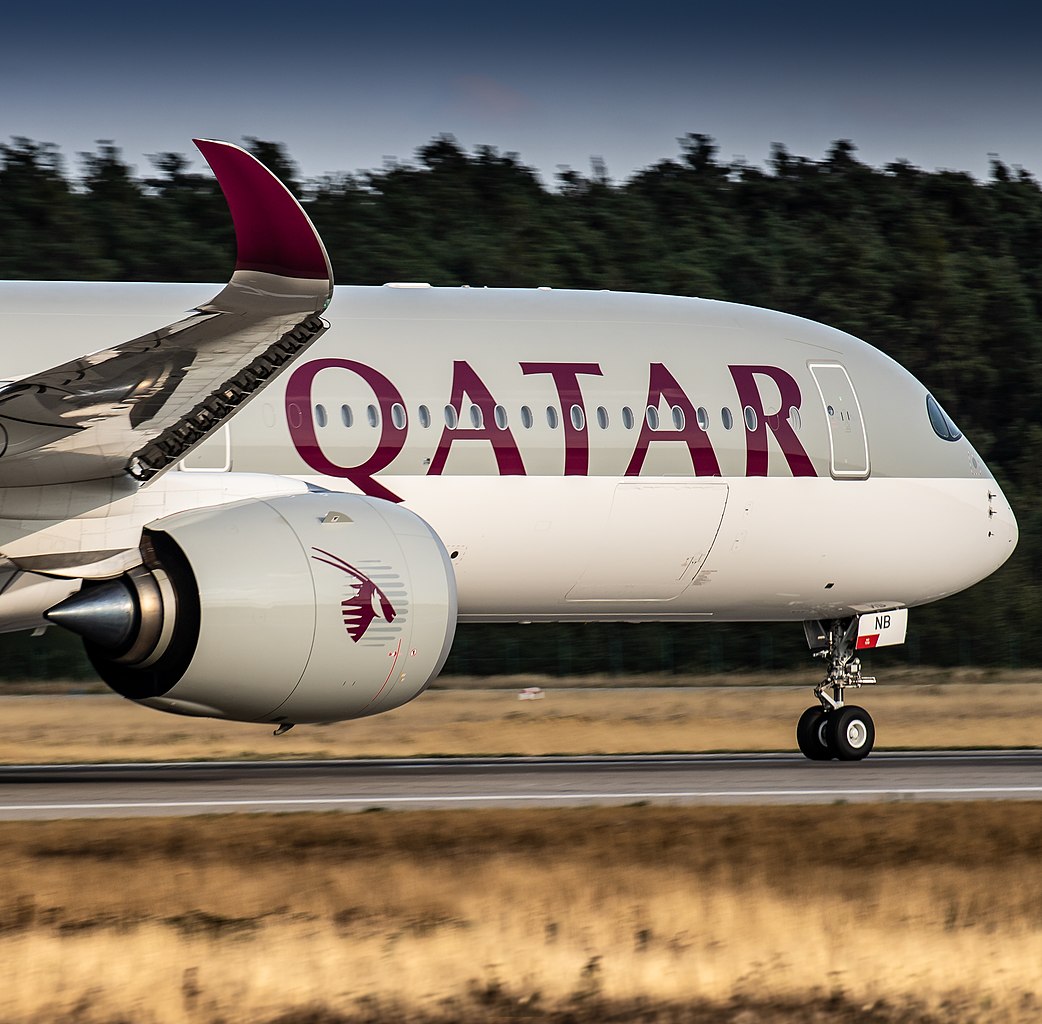
Middle East Leaders: Qatar Airways, Emirates, and flyDubai
Qatar Airways
In the Middle East, Qatar Airways (QR), has been a pioneer in scaling Starlink adoption among long-haul carriers. As of January 7, 2026, the airline operates nearly 120 widebody aircraft with Starlink installed, covering more than 58% of its widebody fleet across Airbus A350, Boeing 777, and Boeing 787 aircraft.
Since the service launched in October 2024, Starlink connectivity on Qatar Airways has been used by more than 11 million passengers, including over 10 million passengers in 2025 alone. That figure represents nearly half of all airline passengers worldwide who accessed Starlink Wi-Fi during 2025, underlining the airline’s dominant share of global Starlink usage in commercial aviation.
Emirates
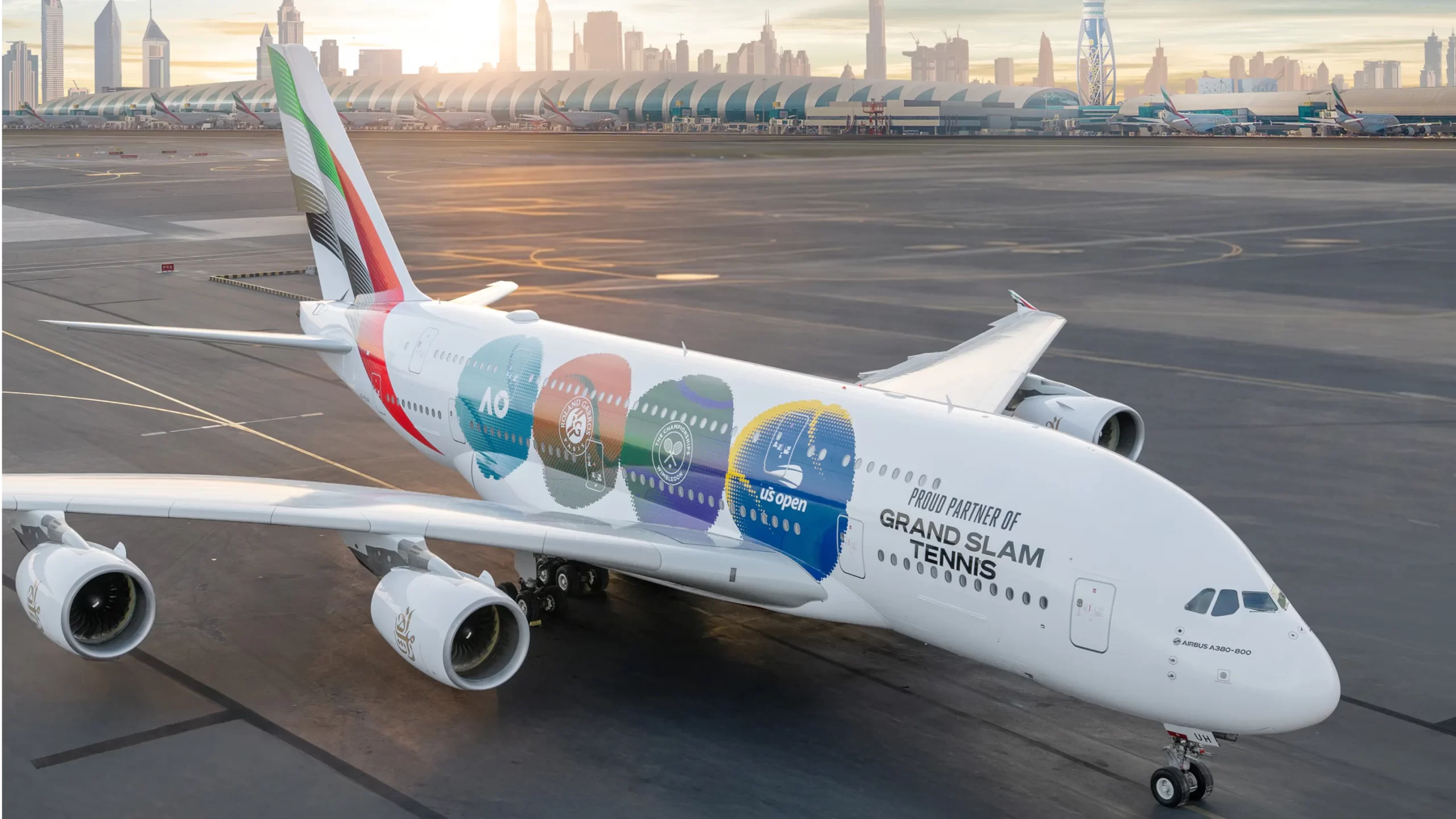
Emirates will install Starlink system on 232 aircraft and reported that the installation would begin in November 2025 and scheduled to conclude by mid-2027. The carrier said that the first commercial Emirates flight equipped with Starlink will operate on a Boeing 777-300ER immediately following the Dubai Airshow.
Emirates plans to retrofit approximately 14 aircraft with Starlink per month. Airbus A380 installations are scheduled to this month, marking the introduction of the world’s first Starlink-equipped A380 shortly thereafter.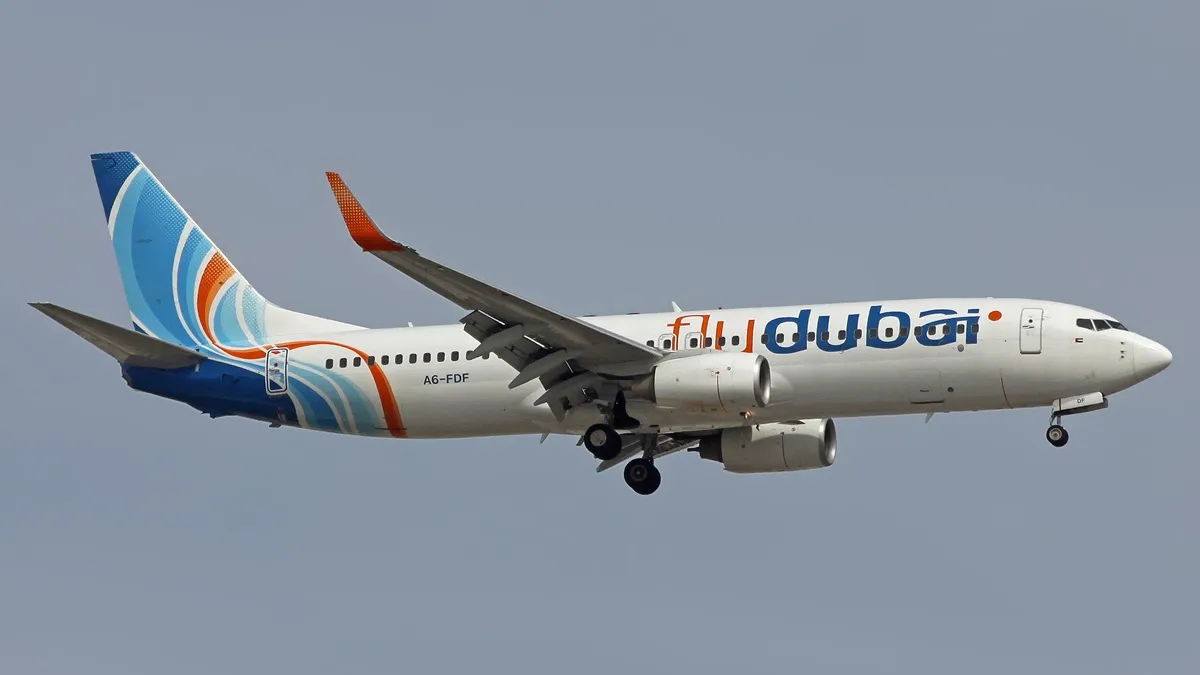
Photo: airliners.net | Wikimedia Commons
flydubai
At the Dubai Airshow 2025, flydubai designated Starlink as the airline’s inflight connectivity provider. flydubai will begin installing Starlink across its Boeing 737 fleet in 2026, with plans to equip 100 aircraft during the year, covering the majority of its fleet. The high-speed connectivity will support HD streaming, video calls, gaming, and simultaneous use across multiple devices, with Starlink available on flights serving more than 100 destinations.
European Carriers with Starlink
Several European carriers have either completed initial Starlink deployments or are actively rolling them out across portions or all of their fleets:
-
airBaltic (BT) was one of the first European airlines to offer free Starlink Wi-Fi on its Airbus A220-300 aircraft, deploying service as early as February 2025.
-
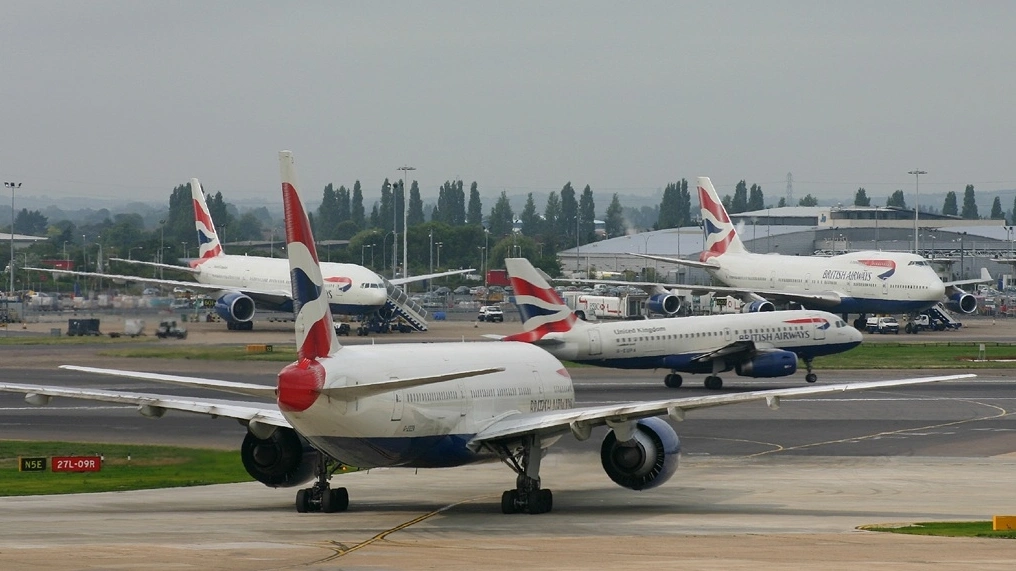
International Airlines Group (IAG) has announced plans to equip more than 500 aircraft across its airlines — including British Airways (BA), Aer Lingus (EI), Iberia (IB), LEVEL, and Vueling (VY) — with Starlink high-speed Wi-Fi beginning in 2026.
-
Virgin Atlantic (VS) will begin installing Starlink on Boeing 787, Airbus A350, and Airbus A330neo aircraft from 2026, targeting complete rollout by the end of 2027.
-
SAS Scandinavian Airlines (SK) has initiated phased rollouts
-
British Airways (BA) announced its intention to adopt Starlink in 2026 as the carrier shifts from traditional Ku‑band satellite services to a low‑Earth‑orbit broadband solution. The decision forms part of IAG’s wider Starlink strategy, which aims to equip over 500 aircraft across several airlines.

- Air France (AF)’s initial installation phase began in summer 2025, targeting regional aircraft such as Embraer E190s and Airbus A220s, with approximately 30% of the fleet expected to be equipped by late 2025. The airline aims to achieve full fleet coverage by the end of 2026.
- Lufthansa (LH): Under the plan announced in January 2026, Starlink broadband Wi‑Fi will be gradually introduced across the group’s approximately 850 aircraft beginning in the second half of 2026, with full fleet equipage targeted by 2029.
Carriers in Asia and Oceania with Starlink
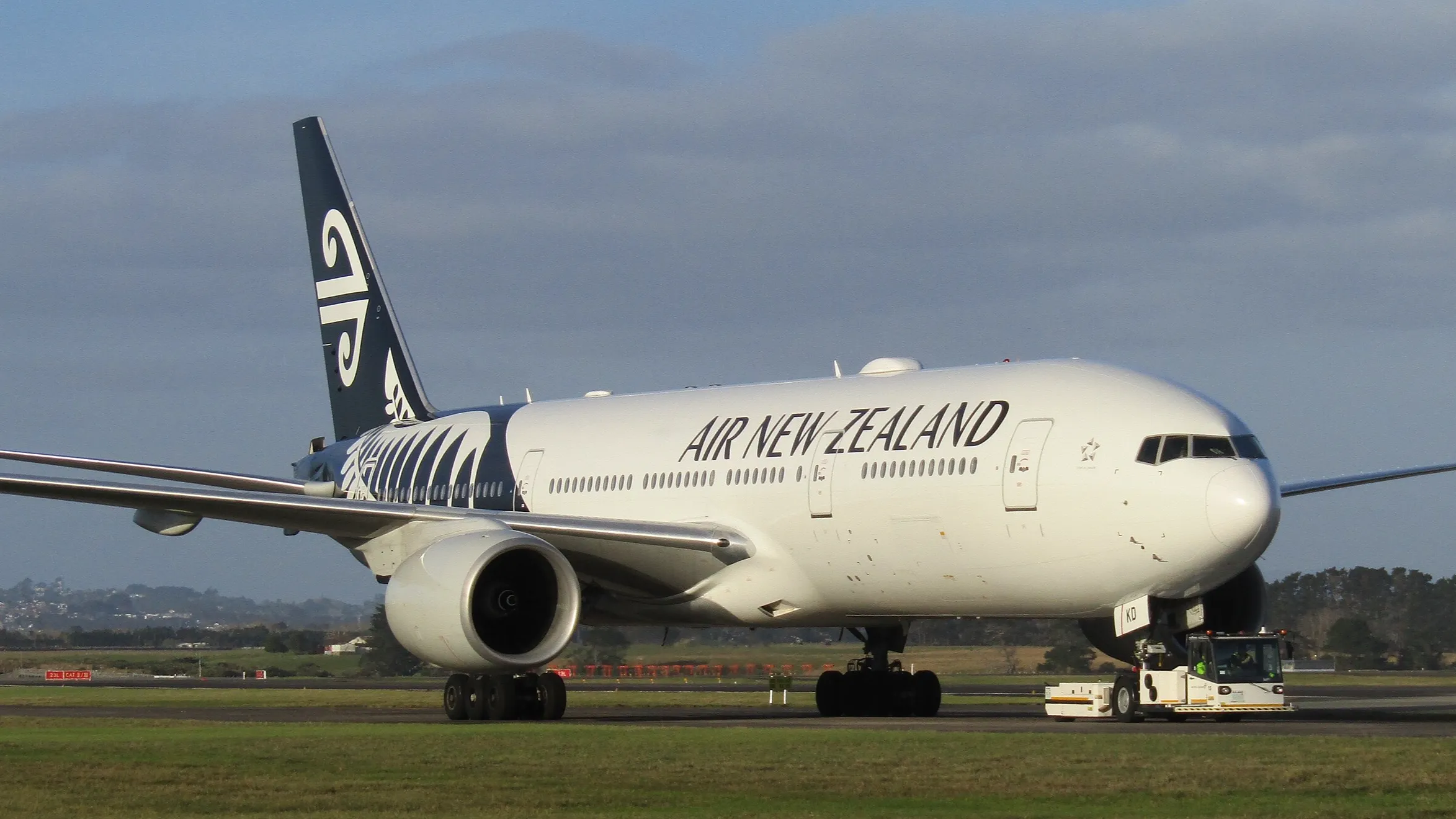
Air New Zealand
In June 2025, Air New Zealand began real‑world trials of Starlink on two domestic aircraft — an Airbus A320 passenger jet (registered ZK‑OXE) and an ATR regional aircraft. The airline initially announced plans to trial Starlink as early as late 2024, fitting the service on both ATR‑type turboprops and narrow‑body jets for an initial 4‑to‑6‑month evaluation period to assess performance in real‑flight conditions before any broader rollout decisions.
Air New Zealand’s trial represents one of the first instances of Starlink being tested on regional and narrow‑body aircraft in commercial service, including the use on a turboprop type, which is still relatively rare in the industry.
Hanjin Group Airlines: Korean Market Adoption
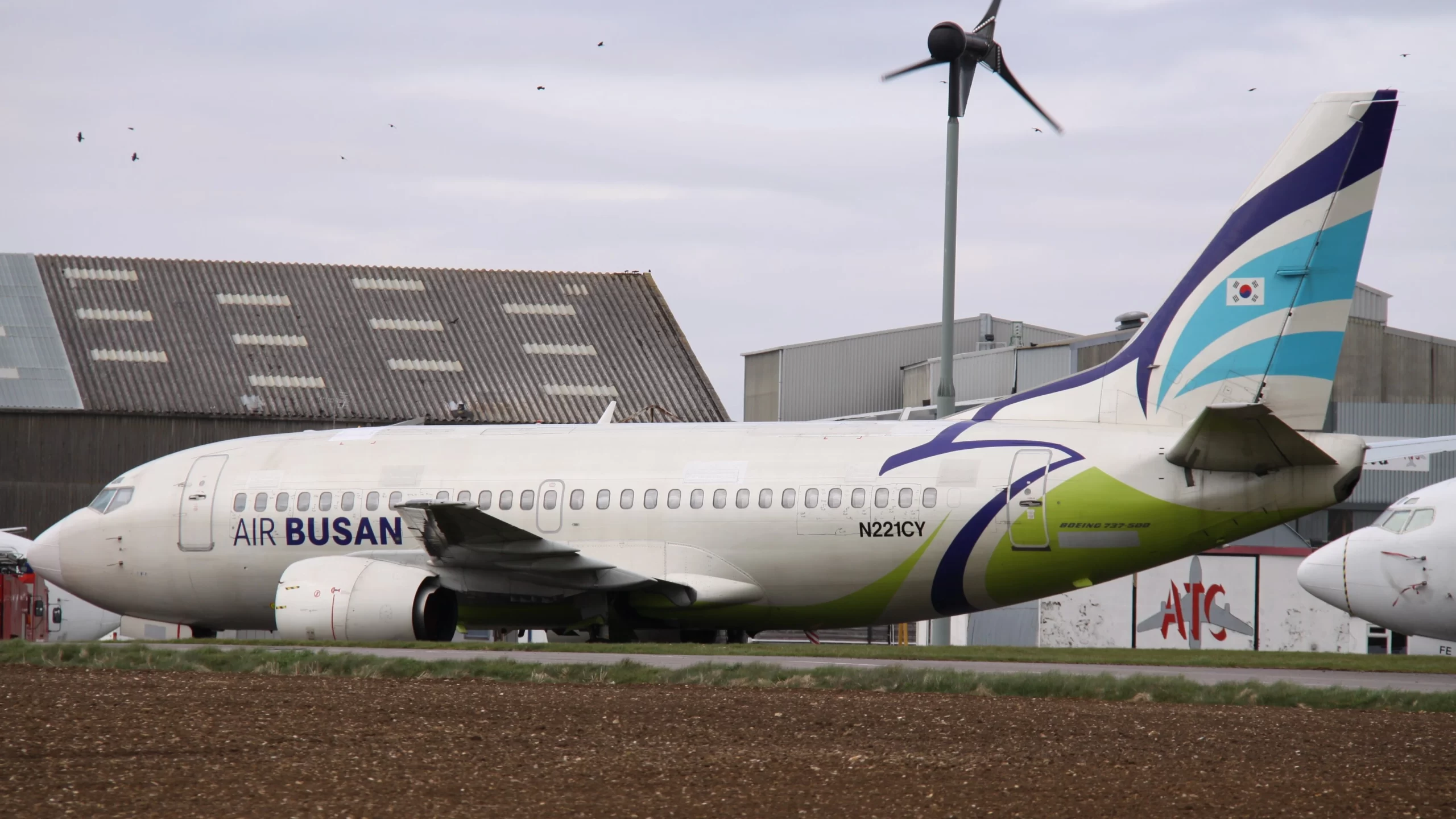
In December 2025, the Hanjin Group [that recently banned the use of power bank in its flights] comprising Korean Air (KE), Asiana Airlines (OZ), Jin Air (LJ), Air Busan (BX), and Air Seoul (RS), announced coordinated plans to install Starlink across their respective fleets, starting installation and testing in late 2025.
Starlink deployments are expected to begin as early as Q3 2026, with rollout schedules varying by carrier and aircraft type. Korean Air, for example, intends to complete fleetwide installation by the end of 2027.

.jpg)
.jpg)


.jpg)

.jpg)