On January 24, 2026, international commercial aviation experienced major disruptions as several global carriers suspended or rerouted flights to and over the Middle East, including destinations such as Dubai International Airport (DXB), Tel Aviv’s Ben-Gurion Airport (TLV), Riyadh’s King Khalid International Airport (RUH) and others, Reuters reported. This came amid escalating geopolitical tensions between the United States and Iran, which had intensified after public statements by U.S. leadership about potential military actions, raising fears of broader regional conflict and prompting airlines to reassess their operational safety protocols.
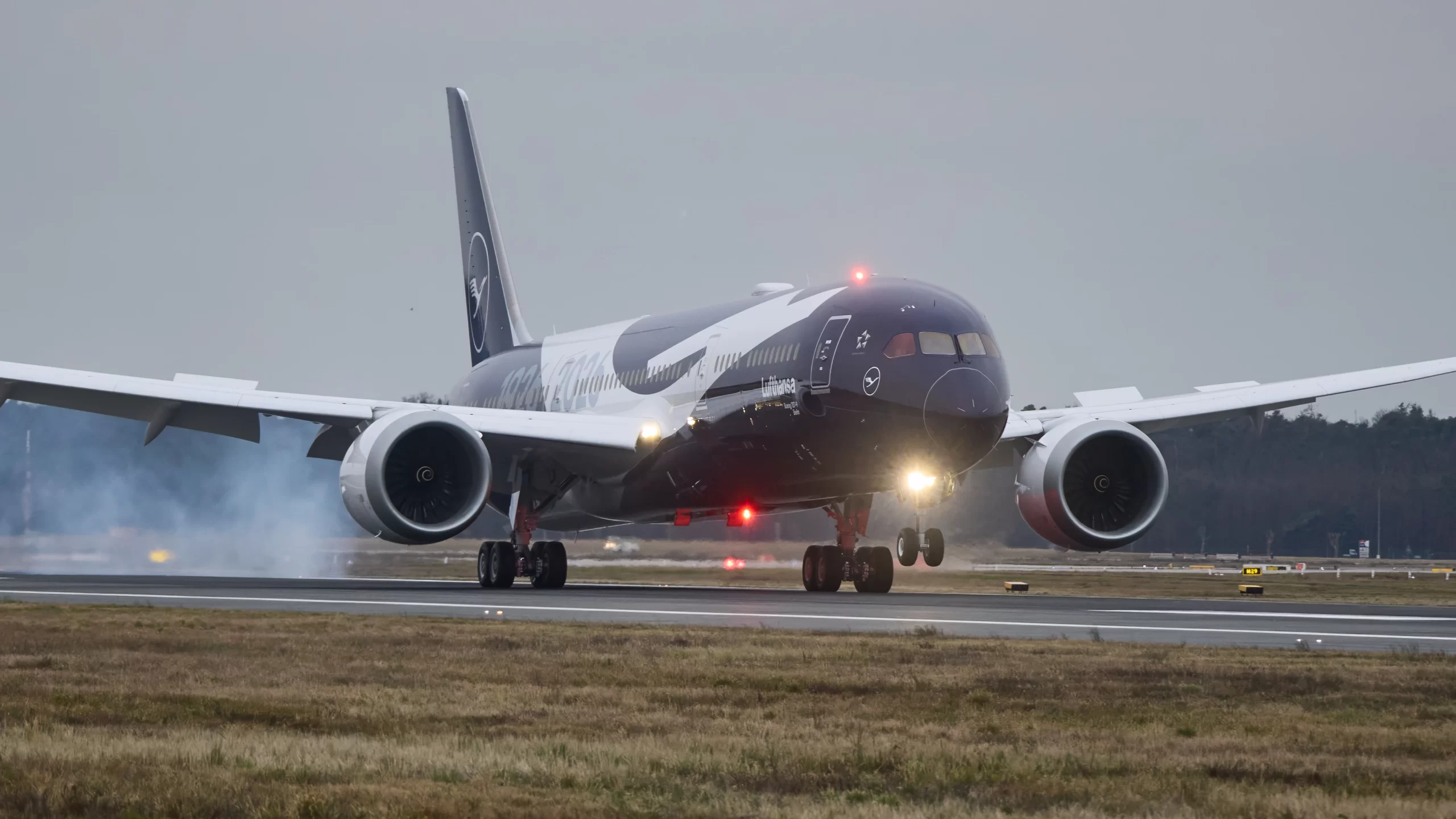
Which Airlines Have Suspended Flights to Iran—and What Happens Next
Airlines and Routes Affected by the Disruptions in Iran: KLM, Air France, Lufthansa
The current situation has forced airlines to undertake rapid network adjustments, often within hours of official governmental advisories. Airlines such as KLM explicitly cited geopolitical “precautionary” measures to avoid airspace over Iran, Iraq, Israel, and several Gulf states, leading to cancellations of services including Amsterdam–Tel Aviv and Amsterdam–Dubai:
“As a precaution, given the geopolitical situation, KLM will not fly through the airspace of Iran, Iraq and Israel and will not fly over several countries in the Gulf region….This means KLM will not fly to Dubai, Riyadh, Dammam and Tel Aviv until further notice..”
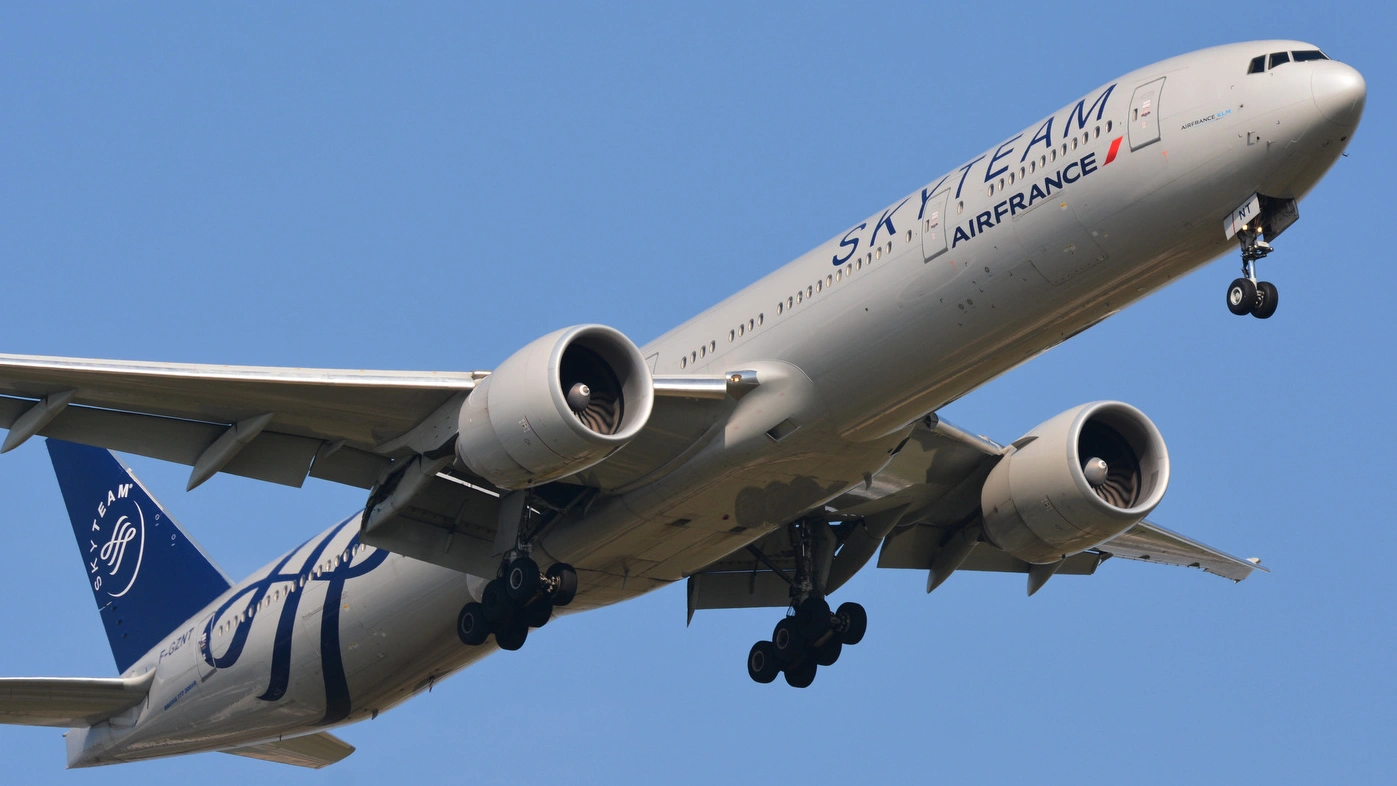
Air France, in turn, announced that it temporarily suspended its service to Dubai, citing continuous real-time monitoring of geopolitical developments to maintain “the highest level of safety and security” for passengers and crew. In its statement issued to AFP, the French flag carrier said:
“Due to the current situation in the Middle East, the company has decided to temporarily suspend its service to Dubai,.. (we are) constantly monitoring the evolution of the geopolitical situation in the territories served and overflown by its aircraft….Air France is monitoring the situation in real time and will provide further updates on its flight schedule,”
According to Gulf News, Lufthansa has suspended all services to and from Tehran through March 29. The same source also reported that Austrian Airlines, which operates under the Lufthansa Group umbrella, has also halted Tehran flights, with operations not expected to resume before February 16. In addition, the airline group intends to avoid Iranian airspace altogether, instead routing flights through an alternative corridor over Iraq from January 20.
Geopolitical Context Influencing Airline Decisions
Geopolitical analysts underscore that these aviation disruptions reflect underlying tensions between the United States and Iran. Public remarks by U.S. leadership about deploying naval and military assets toward the Gulf region triggered heightened alerts among international carriers, as Trump was quoted in The Financial Times as having said:
“We have a lot of ships going that direction, just in case . . . I’d rather not see anything happen, but we’re watching them very closely”

US President Donald Trump, after whom the Plam beach Airport might be renamed, suggested he might intervene in Iran, posting online that assistance was imminent as Iranian authorities moved forcefully to suppress the largest anti-government protests in several years. The situation later appeared to stabilise when Trump moderated his public stance following sustained diplomatic pressure from Arab and Israeli leaders, though numbers quoted in AlJazeera say that:
- The death toll had reached at least 4,519 [numbers based on Human Rights Activists News Agency]
- 26,300 people have been arrested.
- At least 5,000 people had been killed in protests
General Abolfazl Shekarchi was quoted by the same source Tehran would not hold back if the tables were turned:
“Trump knows that if a hand of aggression is extended toward our leader, we will not only sever that hand, and this is not a mere slogan……But we will set their world on fire and leave them no safe haven in the region.”

All in All
Turkiye Today reported that British Airways and Swiss International Air Lines halted operations to Tel Aviv, while Air Canada (AC), which recently solved the biggest gold heist in Canada, cancelled four flights scheduled to land in Israel on Friday, while United Airlines, the carrier with the largest fleet in the world, suspended its services to Israel.
The same source also revealed that:
Ben Gurion Airport (TLV) in Israel saw a suspension of international flights until at least Friday morning
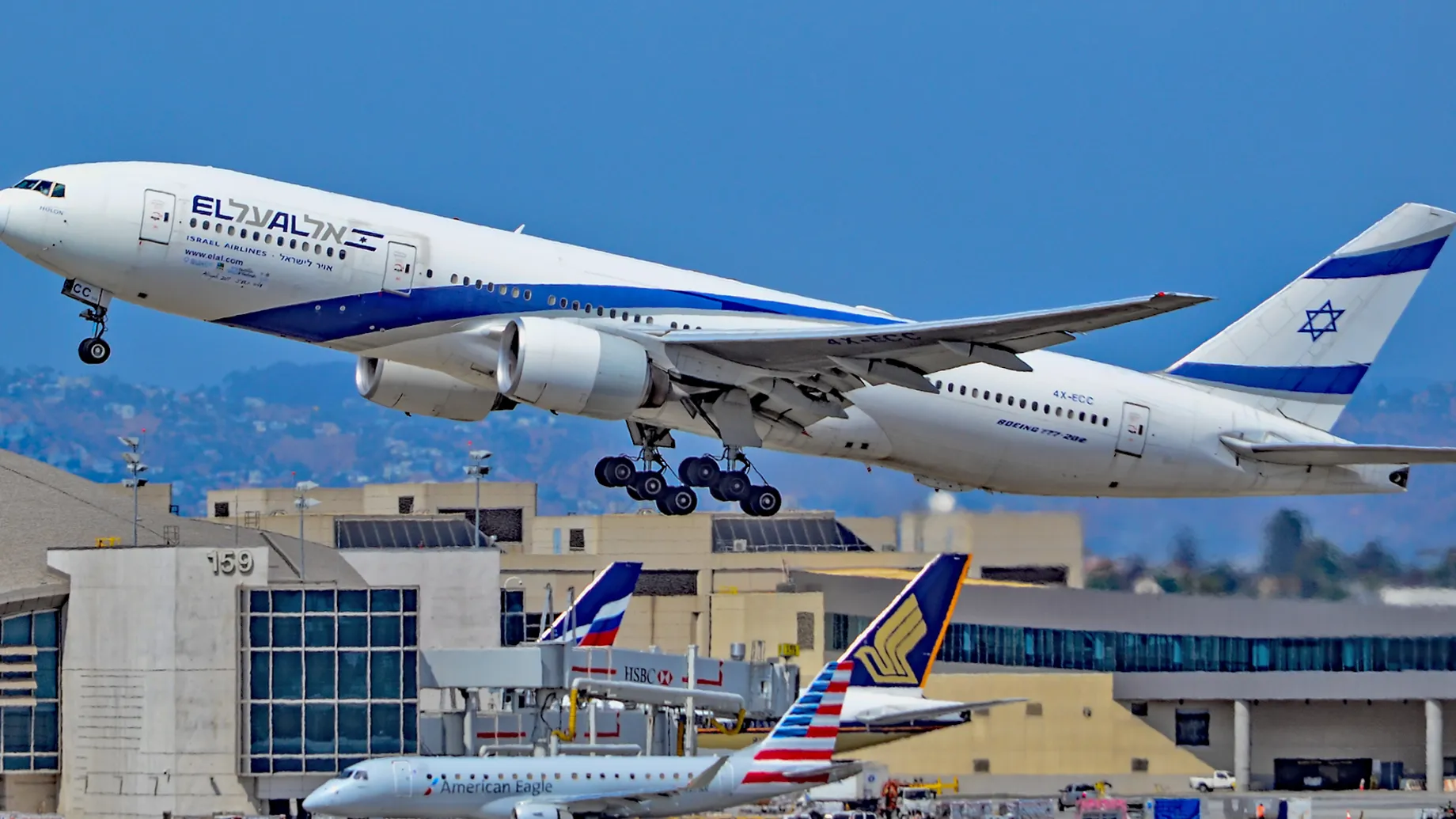
The national airline, El Al, announced an indefinite pause of its operations, and domestic flights within Israel were also temporarily halted,
whilst also announcing that
Foreign Minister Hakan Fidan cautioning against Israel’s intent to launch military action against Tehran:
“I hope they find a different path, but the reality is that Israel, in particular, is looking for an opportunity to strike Iran,”

_F-GZNT_-_Air_France_KLM.jpg)
_s-n_30833_%22Holon%22_(38141416862).jpg)