Qatar Airways (QR) has slashed its United States flight programme by 49% in the second quarter of 2026 compared with the same period a year ago, eliminating more than 1,300 departures across its 11 American gateways, Simple Flying reported. After the Iran war, which has already seen casualties of twenty aircraft in Iran alone and led to airlines from Korea cut down some of their routes, triggered the closure of Qatari airspace on 1 March 2026, it debilitated Doha Hamad International Airport (DOH)’s operations, forcing the carrier into a phased, corridor-dependent restart that has proven far slower than a simple return to schedule.
Qatar’s cuts are not uniform. April absorbed the most severe reductions — a 70% drop in US flights — while May and June show progressive improvement. Even so, schedule data cited by Simple Flying shows Qatar Airways will still operate at approximately 25% below its pre-disruption capacity by the close of Q2.
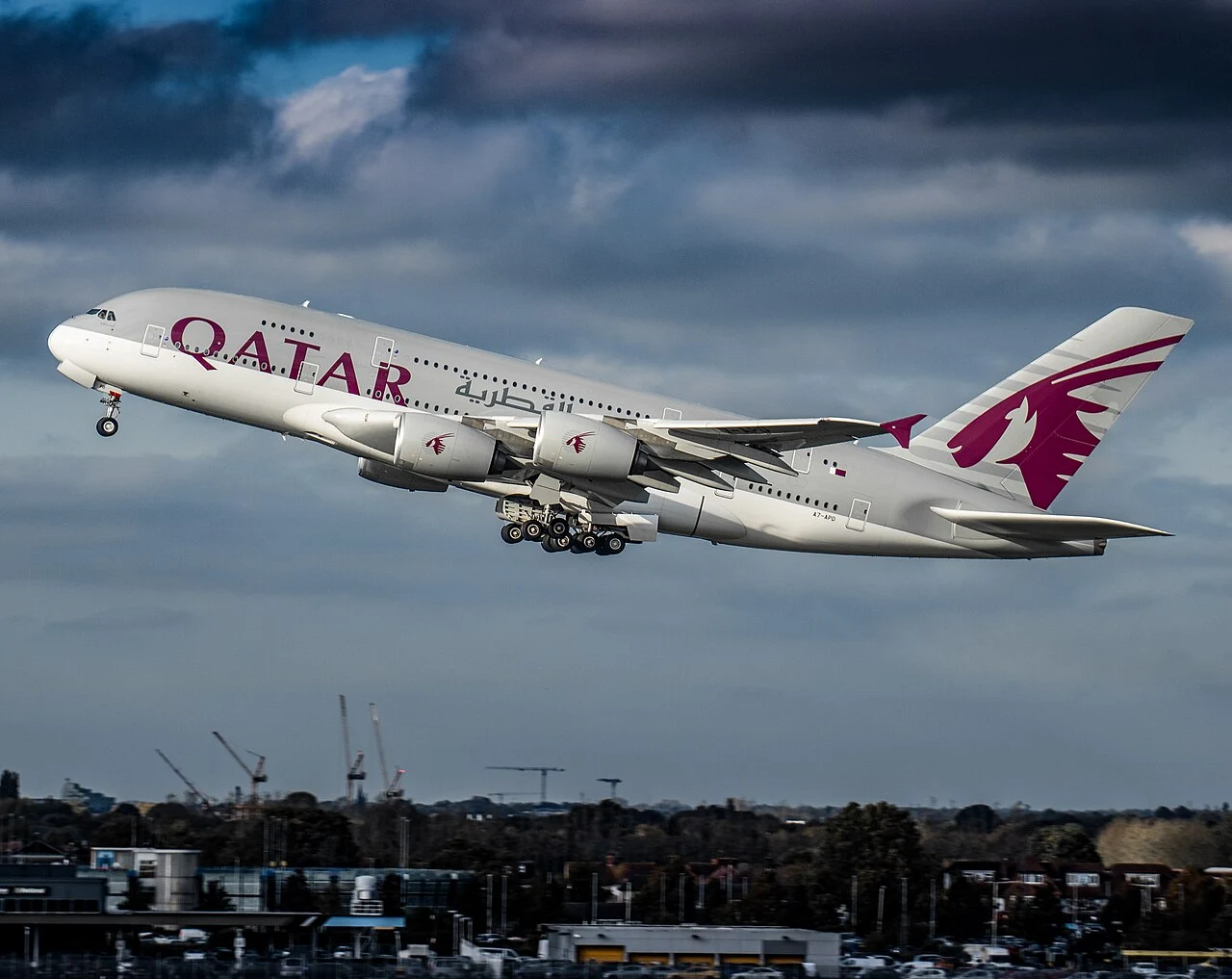
What Caused Qatar Airways’ Unprecedented US Network Reduction?
The immediate trigger of Qatar’s reduced capacity on US routes was the escalation of the US–Israel conflict with Iran in early March 2026. In an Al Jazeera report published on March 6, 2026, Qatar’s Ministry of Defence confirmed the country had been struck by 14 ballistic missiles and four drones fired from Iran in a single week. Qatar initially closed its airspace on 1 March 2026 after the US–Israeli military campaign, codenamed Operation Epic Fury, triggered retaliatory Iranian strikes across the Gulf.
More than 2,000 flights were cancelled at Doha’s Hamad International Airport in the first week of the conflict alone. The Qatar Civil Aviation Authority (QCAA) subsequently implemented a phased reopening for authorised commercial, evacuation, and cargo flights through designated corridors rather than unrestricted airspace, a constraint that continues to define Qatar Airways’ operational envelope as of early May 2026.
The Iran–Israel escalation led to Iran and Iraq airspace closures and Gulf NOTAMs that affected approximately 70% of Qatar Airways’ network. Qatar — a US ally hosting Al Udeid Air Base (which is one of USAF’s largest bases outside the US)— negotiated bilateral exemptions with Oman and the UAE for southern flight corridors, but Saudi–Iran tensions blocked full access to eastern routes.
This meant that even once limited operations resumed, the airline could not simply reinstate long-haul routes from Doha at will; every flight required QCAA authorization and had to route through a narrow set of approved corridors.
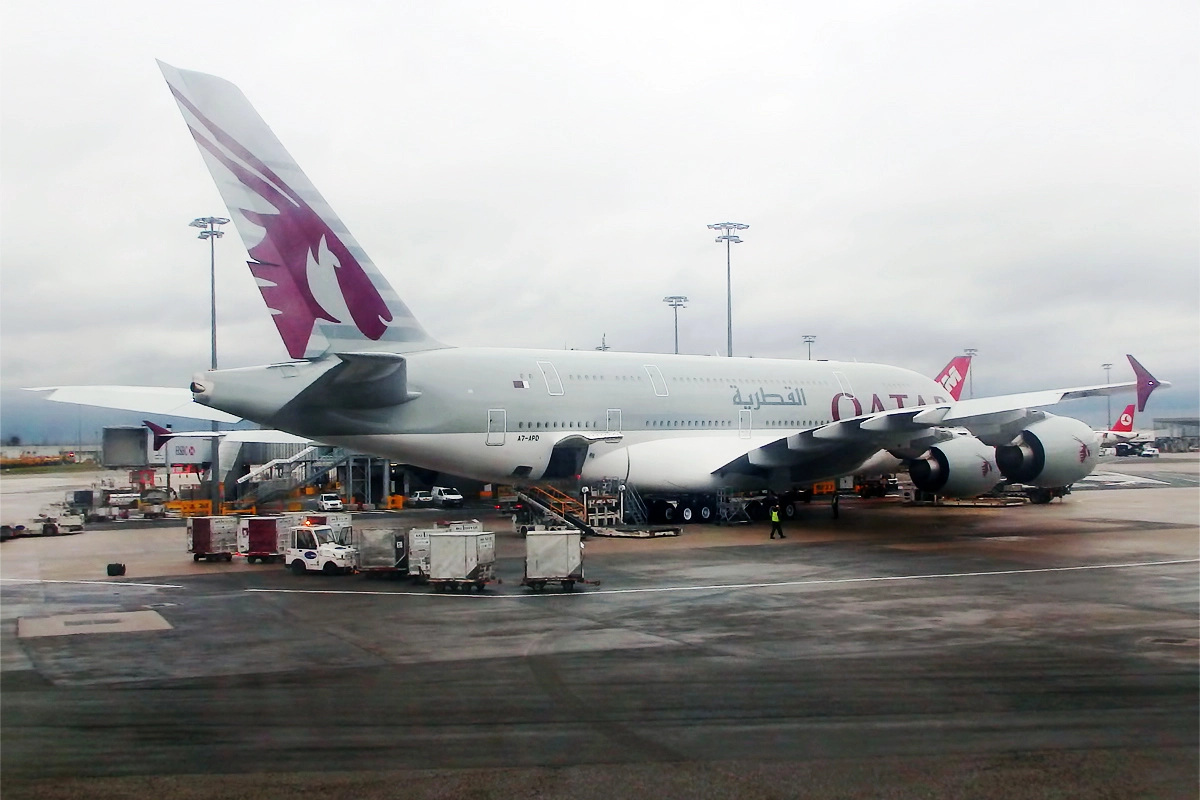
Q2 2026 By the Numbers: April’s 70% Cut, And A Slow June Rebuild
Schedule data analysed by Simple Flying presents a granular picture of the recovery’s trajectory. Qatar Airways’ US flights in Q2 2026 have been cut by 49% compared with the same quarter last year, with more than 1,300 flights removed from its 11 destinations across the US.
The sharpest cuts fell in April as Qatar remained at the centre of Middle East conflict, with the schedule gradually improving through May and June. Qatar already operates some of the longest A350 routes between Doha (DOH) – Dallas/Fort Worth (DFW) and Doha (DOH) – San Francisco (SFO).
The quarterly breakdown is as follows:
Data: Simple Flying
Qatar Airways has been explicit that the rebuild is being staged. The airline said its revised schedule would gradually increase flights to and from Doha to more than 120 destinations by mid-May, across its network. A later network update said Qatar Airways is targeting the expansion of services to more than 150 destinations from June 16, with the updated schedule valid through September 15. The June 16 target is confirmed by Qatar Airways’ own official press release, and represents the carrier’s most substantive public commitment to a near-full restoration of its global footprint.
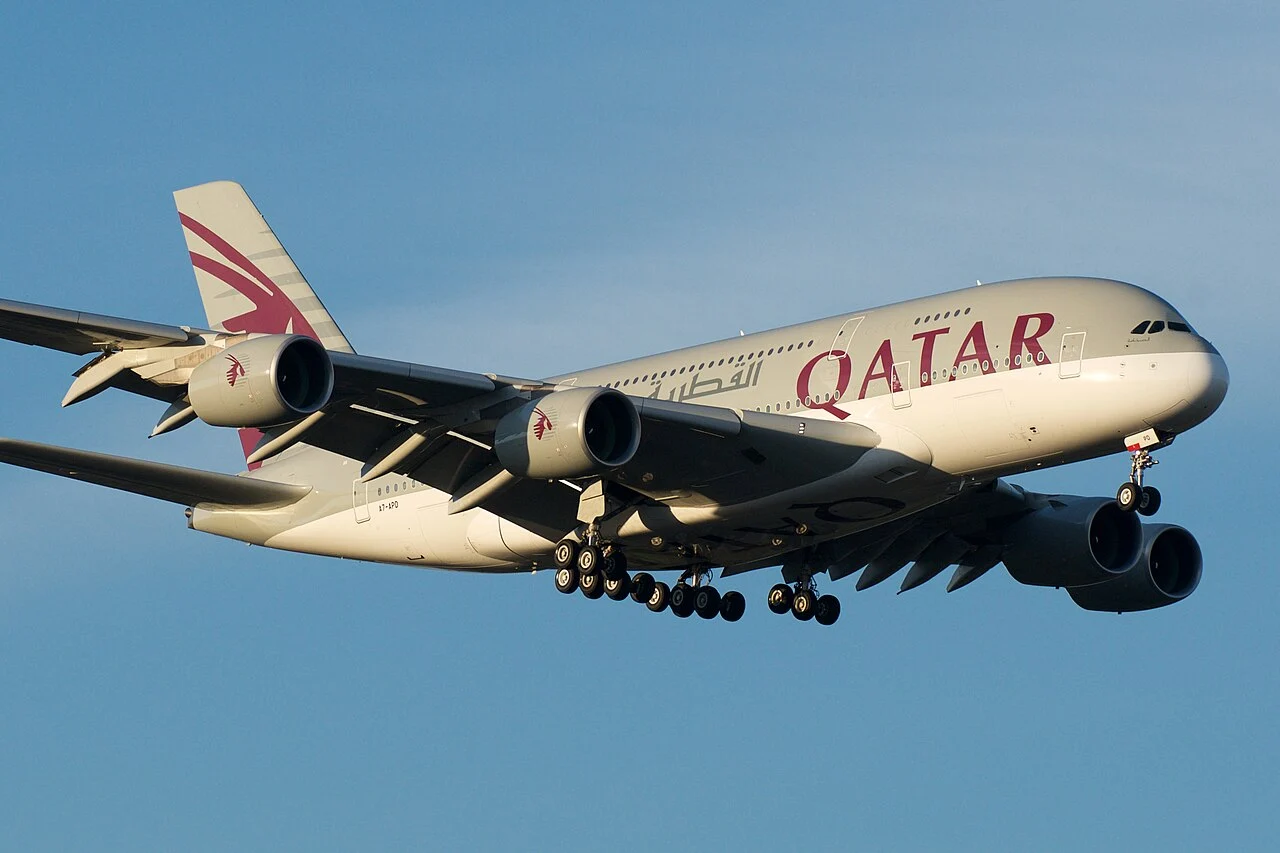
Which of Qatar’s US Gateways Were Protected and Which Were Deprioritised
Qatar Airways operates 11 US destinations, and the distribution of cuts reveals a deliberate hierarchy of strategic importance. The route cuts have not been evenly distributed across the 11 US destinations. Qatar Airways has prioritised its largest and most strategically important gateways first, typically destinations that are oneworld bases and where it operated greater than daily frequencies last year.
The per-destination data is as follows:
| US Destination | Q2 2025 Flights | 2025 Frequency | Q2 2026 Flights | Q2 2026 Status |
|---|---|---|---|---|
| New York John F. Kennedy International Airport (JFK) | 464 | 18x weekly | 316 | Daily to 18x weekly |
| Dallas/Fort Worth International Airport (DFW) | 364 | 2x daily | 214 | Daily to 2x daily |
| Washington Dulles International Airport (IAD) | 328 | 10x–14x weekly | 184 | 5x–12x weekly |
| Miami International Airport (MIA) | 260 | 10x weekly | 194 | Daily to 10x weekly |
| Chicago O’Hare International Airport (ORD) | 182 | Daily | 150 | 4x weekly to daily |
| Seattle-Tacoma International Airport (SEA) | 182 | Daily | 88 | 3x weekly to daily |
| Houston George Bush Intercontinental Airport (IAH) | 182 | Daily | 86 | Returned May 1; 5x–daily |
| Los Angeles International Airport (LAX) | 182 | Daily | 44 | Returns June 7 |
| San Francisco International Airport (SFO) | 182 | Daily | 38 | Returns June 11; 6x weekly |
| Boston Logan International Airport (BOS) | 182 | Daily | 30 | Returns June 16; daily |
| Hartsfield-Jackson Atlanta International Airport (ATL) | 182 | Daily | 22 | Returns June 12; 4x weekly |
| Total | 2,690 | — | 1,366 | — |
Qatar Airways returns to its regular schedule of 18 weekly flights at John F. Kennedy International Airport during the course of the quarter. Atlanta and Boston sit at the opposite end of the prioritisation spectrum. Atlanta has only 22 Q2 flights because it is not due back until June 12, while Boston is not due to return until June 16. San Francisco and Los Angeles also show steep quarterly reductions.

_@_LHR,_2018-10-04.jpg)
_(2).jpg)
.jpg)