Singapore Airlines (SQ) will permanently close its SilverKris Lounge at Ninoy Aquino International Airport (MNL), Manila, on 15 June 2026, ending an 11-year tenure in Terminal 3. The closure follows the airport’s decision to redevelop the space as part of ongoing terminal redevelopment work, a move that has also forced Cathay Pacific (CX) to shut its own lounge at the same facility, MileLion reported.
The lounge will continue operations until Sunday, 14 June 2026, running its standard split hours of 4:30 a.m. to 9:00 a.m. and 11:00 a.m. to 6:00 p.m., before shuttering permanently the following day. Eligible Singapore Airlines passengers will subsequently be redirected to the newly opened First Meridian Lounge, also situated on Level 4 of Terminal 3.
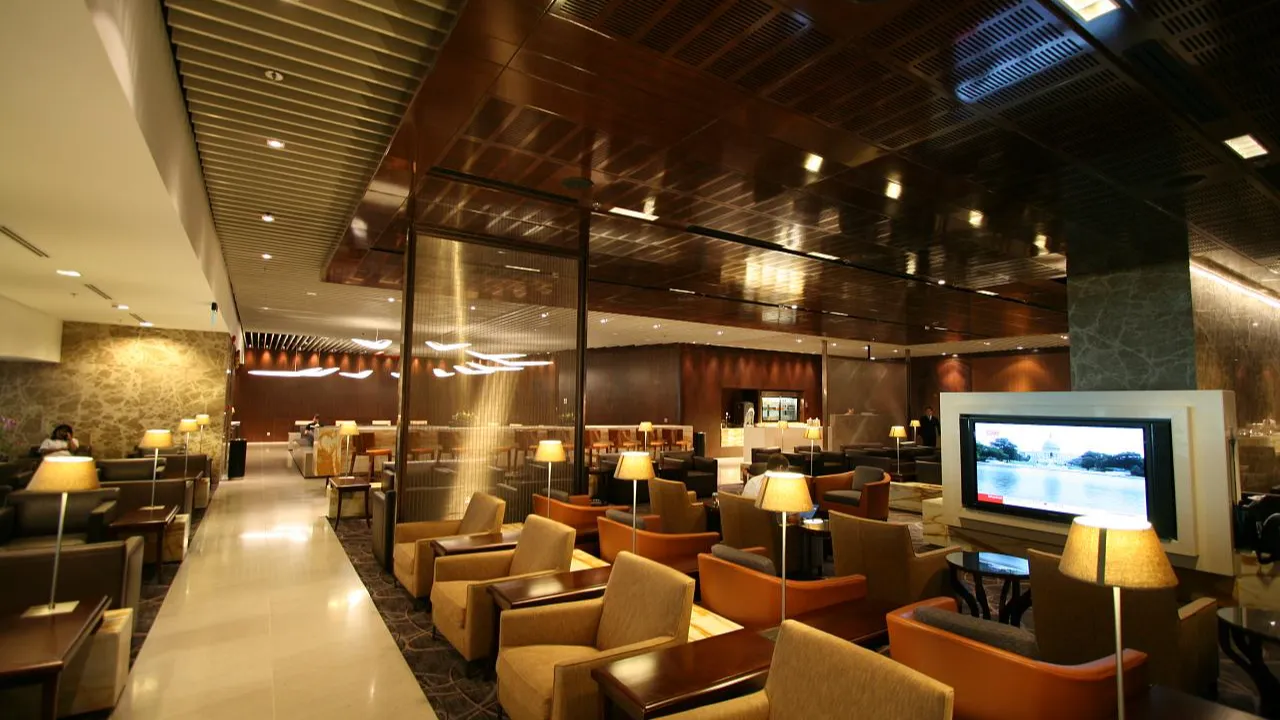
Why Singapore Airlines Is Closing the SilverKris Lounge in Manila
The immediate reason for the closure is institutional rather than commercial. New NAIA Infrastructure Corp. (NNIC), the private operator that assumed management of Ninoy Aquino International Airport in recent years, has been executing an ambitious overhaul of Terminal 3’s facilities. As part of its overall plan to optimize terminal capacity and improve passenger movement, NNIC has implemented multiple operational changes at NAIA, including terminal reassignments for several international carriers beginning March 29, 2026.
The redevelopment has claimed lounge space that airline tenants cannot retain. In a formal statement quoted in Mile Lion, a Singapore Airlines spokesperson confirmed:
“The Singapore Airlines (SIA) SilverKris Lounge at Ninoy Aquino International Airport (NAIA) Terminal 3 in Manila, the Philippines, will cease operations from 15 June 2026. This is due to airport redevelopment works that involve the space where the lounge is located. SIA apologises to all customers for any inconvenience this may cause.”
Crucially, the airline has indicated that the closure is not a commercial retreat, but a displacement by airport infrastructure decisions. The scale of NAIA’s transformation is considerable: Philippine authorities recently awarded a ₱16.06-billion (approximately $270 million) contract to a joint venture of Japan’s Taisei Corp. and D.M. Consunji, Inc. to build an underground station at Terminal 3 as part of the $488-billion Manila Subway project currently under construction. These interconnected infrastructure programs make space reconfigurations at the terminal both inevitable and, from the airport authority’s perspective, non-negotiable.
What Passengers Will Find Inside the First Meridian Lounge
With the SilverKris Lounge’s closure, Singapore Airlines has directed eligible passengers to the First Meridian Lounge, a newly opened facility on Level 4 of NAIA Terminal 3. A preview by KasKasan Buddies describes the lounge as featuring “gorgeous illuminated archways, private work pods, a massive wine display, a live teppanyaki station, and even a dedicated game room and kids’ playroom.”
Access to the First Meridian Lounge will be available to passengers departing on Singapore Airlines or Star Alliance flights across the following eligibility tiers:
- First Class (with one guest)
- Business Class
- Premium Economy or Economy Class with Solitaire PPS Club, PPS Club, KrisFlyer Elite Gold, Star Alliance Gold, or qualifying Virgin Australia Velocity status (with one guest, all must be on the same flight)
One notable consequence of the transition is that Solitaire PPS Club members flying on Scoot will no longer have lounge access from Manila, as was previously permitted under the SilverKris Lounge’s access rules. All guests must be travelling on the same departing flight as the eligible passenger, per Star Alliance lounge access policy.

Cathay Pacific’s Manila Lounge Has Also Closed
Singapore Airlines is not alone in losing its lounge to NAIA’s redevelopment. Cathay Pacific (CX) has confirmed the permanent closure of its Manila lounge, with the facility shutting on 31 May 2026 following the carrier’s last flight departure from NAIA. In a formal statement, the airline said:
“As part of the ongoing terminal redevelopment at Ninoy Aquino International Airport (NAIA), our Cathay Pacific Lounge in Manila will permanently close on 31 May 2026 following the last Cathay Pacific flight departure from NAIA. While we have endeavoured to extend the timeline for the lounge’s closure, regrettably we have been unable to do so.”
The Cathay Pacific lounge was widely regarded as one of the more distinguished outstations in the carrier’s network. It was known for its signature noodle bar and its residential-style design by acclaimed designer Ilse Crawford, making its closure a considerable loss for discerning travellers transiting Manila.
Several online reports suggest that the airport authority intends to open its own premium lounges at Terminal 3, with the intention of charging airlines for every passenger they direct to each facility — a structural shift in the lounge economics at NAIA.
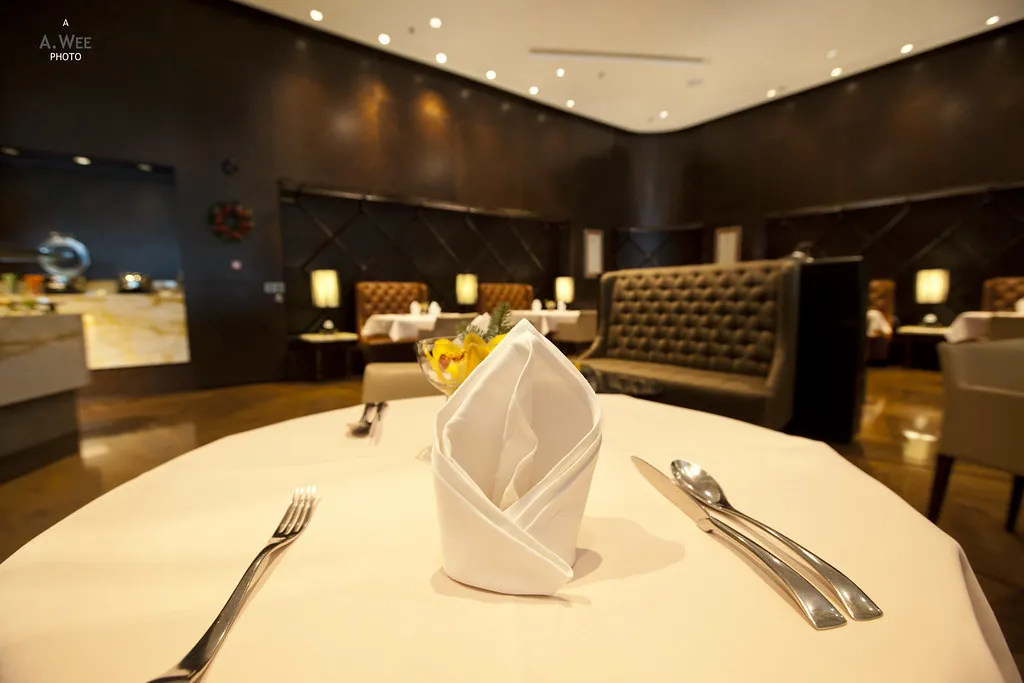
What The Manila Lounge’s Absence Means for Star Alliance Travellers
The SilverKris Lounge in Manila held a function within the Star Alliance network that extended well beyond Singapore Airlines’ own passengers. It was the only Star Alliance lounge at Ninoy Aquino International Airport, meaning that Star Alliance Gold cardholders and Business Class passengers on any Star Alliance carrier could access it, regardless of which member airline they were flying.
With the SilverKris Lounge gone, that centralised, alliance-wide facility disappears from NAIA Terminal 3. The First Meridian Lounge will serve Singapore Airlines passengers and those on Star Alliance flights, but the broader network implications — particularly for travellers on carriers that previously benefited from the SilverKris facility without maintaining their own terminal lounge — remain to be seen.
The redevelopment of NAIA Terminal 3 appears to be shifting the lounge landscape from airline-operated facilities to airport-managed premium spaces, a model with different access economics and potentially more restrictive eligibility conditions.