Campbell Wilson, the New Zealand-born Chief Executive Officer of Air India (AI), has resigned from his role in New Delhi, stepping down before the completion of his term while serving a notice period as Tata Group initiates a global search for his successor. The resignation has been on the line for quite a while.
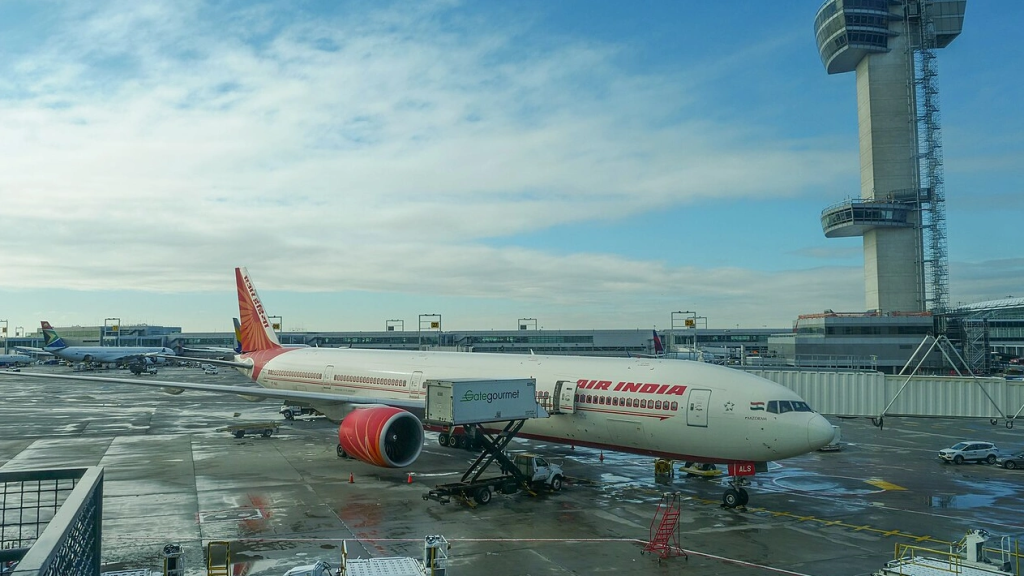
https://upload.wikimedia.org/wikipedia/commons/thumb/8/81/Air_India-_Boeing_777-300_-_VT-ALS_%28Quintin_Soloviev%29.jpg/1280px-Air_India-_Boeing_777-300_-_VT-ALS_%28Quintin_Soloviev%29.jpg
The resignation comes amid sustained financial losses, regulatory scrutiny, and operational setbacks—including a fatal 2025 crash, which was one of the deadliest in India.
Air India (AI): Carrier Overview and Strategic Context
| Attribute | Details |
|---|---|
| Airline Name | Air India |
| IATA Code | AI |
| Ownership | Tata Group (majority), Singapore Airlines (25%) |
| Headquarters | New Delhi, India |
| CEO (Outgoing) | Campbell Wilson |
| Appointment Year | 2022 |
| Fleet Size | ~191 aircraft |
| Aircraft Orders | 500+ aircraft on order |
| FY2024–25 Loss | ₹98.08 billion (~$1.05 billion) |
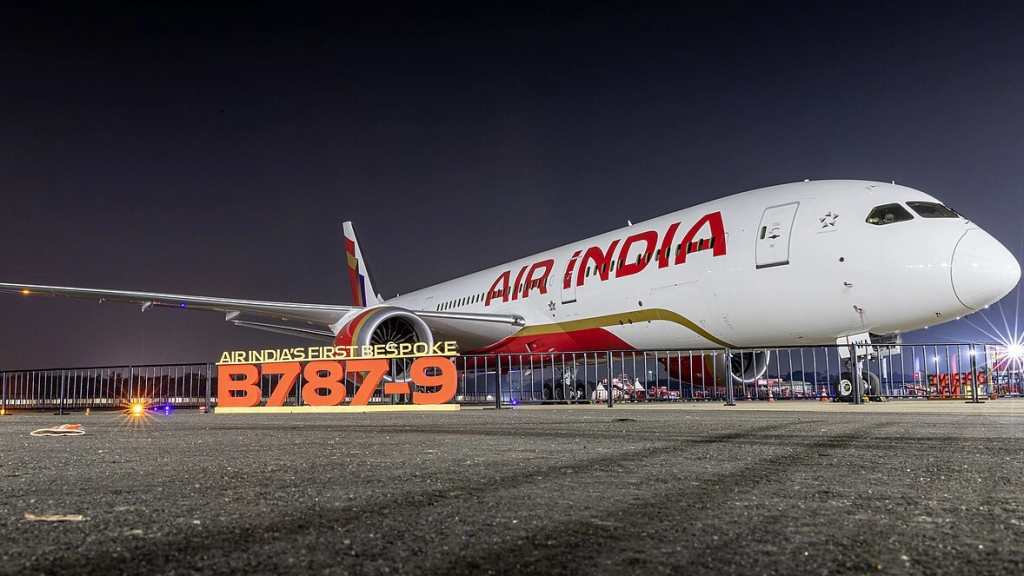
Photo: Wikimedia Commons, Sunil Nath
https://upload.wikimedia.org/wikipedia/commons/thumb/9/94/Air_India_B789.jpg/1280px-Air_India_B789.jpg
Why Did Air India CEO Campbell Wilson Resign?
The precise reason for Wilson’s resignation has not been officially disclosed by either Air India or Tata Group, reflecting a controlled communication strategy during a sensitive transition. However, the words of Chandrasekaran, chairman of the Air India’s majority stakeholder, the Tata Group, was quoted in Reuters to have said that there were challenges that Wilson and Air India faced along the way:
“It is also worth acknowledging the numerous external challenges navigated by the Air India team, including prolonged post-COVID supply chain constraints that have impacted delivery of new aircraft and retrofit programs as well as major geopolitical and other headwinds..”
However, multiple authoritative reports point to a convergence of structural and operational pressures. Key contributing factors to Wilson’s exit include:
- Persistent financial losses: The airline has continued to report significant losses despite privatization, including ₹98.08 billion in FY2024–25.
- Regulatory scrutiny and safety lapses: Authorities flagged multiple violations, including aircraft operating without proper certification and lapses in safety checks, with Reuters reporting that Air India had 0.26 incidents per 1000 flights at the start of 2025 and this had increased to 1.09 per 1000 flights in January 2026.
- 2025 fatal crash fallout: A Boeing 787 crash in Ahmedabad killed approximately 260 people, intensifying scrutiny and reputational damage
According to a Reuters report, the resignation occurs “amid ongoing financial losses and regulatory scrutiny,” underscoring the systemic nature of the airline’s challenges.
According to a report published in Fortune India,
“…only about 7,000 aircraft were delivered in the six-year period from 2019 through 2024—far below the prepandemic trajectory, which, if it had continued, would have resulted in about 12,000 aircraft over that same time frame. That’s essentially a shortfall of 5,000 aircraft, representing a significant gap for airlines like Air India seeking to expand their fleets and capitalize on market opportunities.”
Leadership Transition and Tata Group’s Succession Search
Wilson is currently serving a notice period—reported to be approximately six months—while the airline searches for a successor to lead the next phase of its transformation .

The leadership change follows earlier indications that Tata Group had already begun evaluating potential replacements, reflecting internal concerns about turnaround pace.
A new CEO could recalibrate operational priorities but there are rough times in aviation: budget airlines in Korea have cut routes, United Airlines (UA) increased check-in baggage fees, and Air India’s biggest domestic rival*, Indigo, upped their fuel surcharges.
*Here’s a table that show’s how Air India compares to its rival:
| Month / Year | Airline | Market Share (%) | Notes / Change |
|---|---|---|---|
| January 2023 | Air India | 25.4 | One year after Tata Group acquisition |
| January 2023 | IndiGo | 54.6 | — |
| February 2026 | Air India | 27 | Slight increase from Jan 2023 |
| February 2026 | IndiGo | 63+ | Swelled by more than 10% since Jan 2023 |
.jpg)
All in All
While Wilson’s tenure delivered structural groundwork, the next CEO will inherit a complex mandate requiring operational discipline, financial stabilization, and reputational recovery. Wilson was a highly qualified person with the following credentials:
| Category | Details |
|---|---|
| Name | Mr. Wilson |
| Education | Master of Commerce (1st Class Honours) in Business Administration, University of Canterbury, New Zealand |
| Career Start | Management Trainee at Singapore Airlines (SIA), New Zealand, 1996 |
| International Assignments | Canada, Hong Kong, Japan |
| Scoot CEO (1st Term) | Founding CEO, 2011–2016 |
| SIA Senior VP Sales & Marketing | Oversaw Pricing, Distribution, eCommerce, Merchandising, Brand & Marketing, Global Sales, and overseas offices |
| Scoot CEO (2nd Term) | April 2020 – present |
He was extremely buoyant while joining the Indian flag carrier and said that he was “honour to be selected to lead the iconic Air India “. He further said that Air India was:
“…at the cusp of an exciting journey to become one of the best airlines in the world, offering world-class products and services with a distinct customer experience that reflects Indian warmth and hospitality. I am excited to join Air India and Tata colleagues in the mission of realising that ambition.”