Air Canada (AC), confirmed on July 6, 2026, that it is halting or delaying eight routes between Canada and the United States this fall and winter. The changes affect flights from Toronto Pearson International Airport (YYZ), Toronto, Montréal–Trudeau International Airport (YUL), Montreal, Ottawa, and Québec City. The airline cited high jet fuel costs and softer demand for cross-border travel, according to CBC News.
Three routes to the American Midwest will be cancelled for a second consecutive winter, three seasonal Florida routes will start in December instead of October, and two previously suspended New York JFK services will not return at all this winter. The cuts follow similar reductions made earlier this year by Air Canada, WestJet, and Air Transat after jet fuel prices spiked during the Iran war.
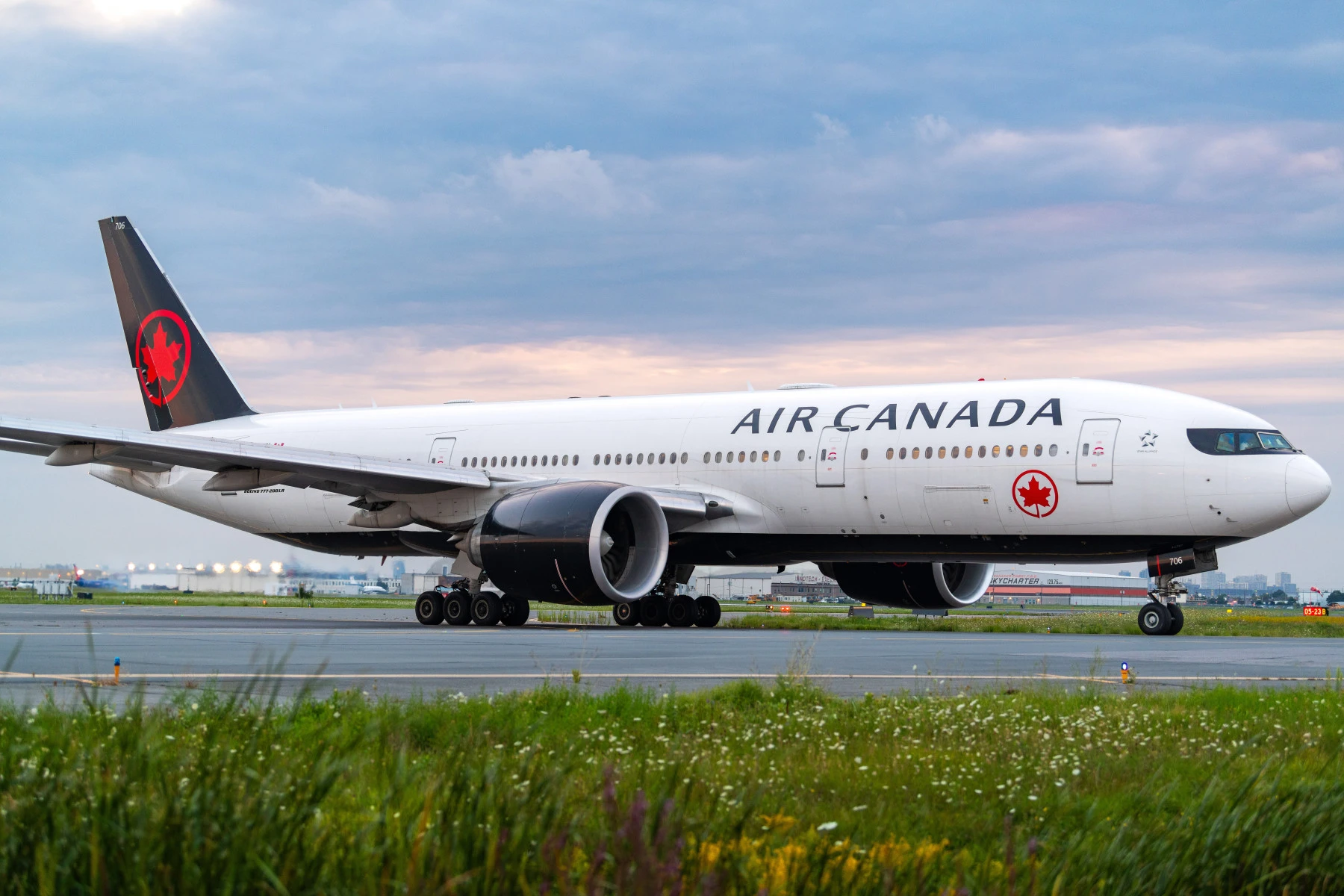
Eight Transborder Routes Affected This Winter
Air Canada’s schedule changes take effect as the airline moves into its Winter 2026 timetable. According to a report from PAX News, the revisions were confirmed through updated airline schedules and combine three separate types of changes.
The affected routes include:
- Montréal–Detroit (DTW): ending October 24 instead of continuing through winter
- Toronto–Indianapolis (IND): ending October 24 instead of continuing through winter
- Montréal–Minneapolis-Saint Paul (MSP): ending October 24 instead of continuing through winter
- Ottawa–Fort Lauderdale (FLL): delayed from October to December
- Québec City–Orlando (MCO): delayed from October to December
- Montréal–Palm Beach (PBI): delayed from October to December
- Toronto–New York JFK: permanently removed for winter
- Montréal–New York JFK: permanently removed for winter
Passengers who want New York City can still reach the region through Newark Liberty International Airport (EWR) or LaGuardia Airport (LGA), both of which remain in Air Canada’s network.
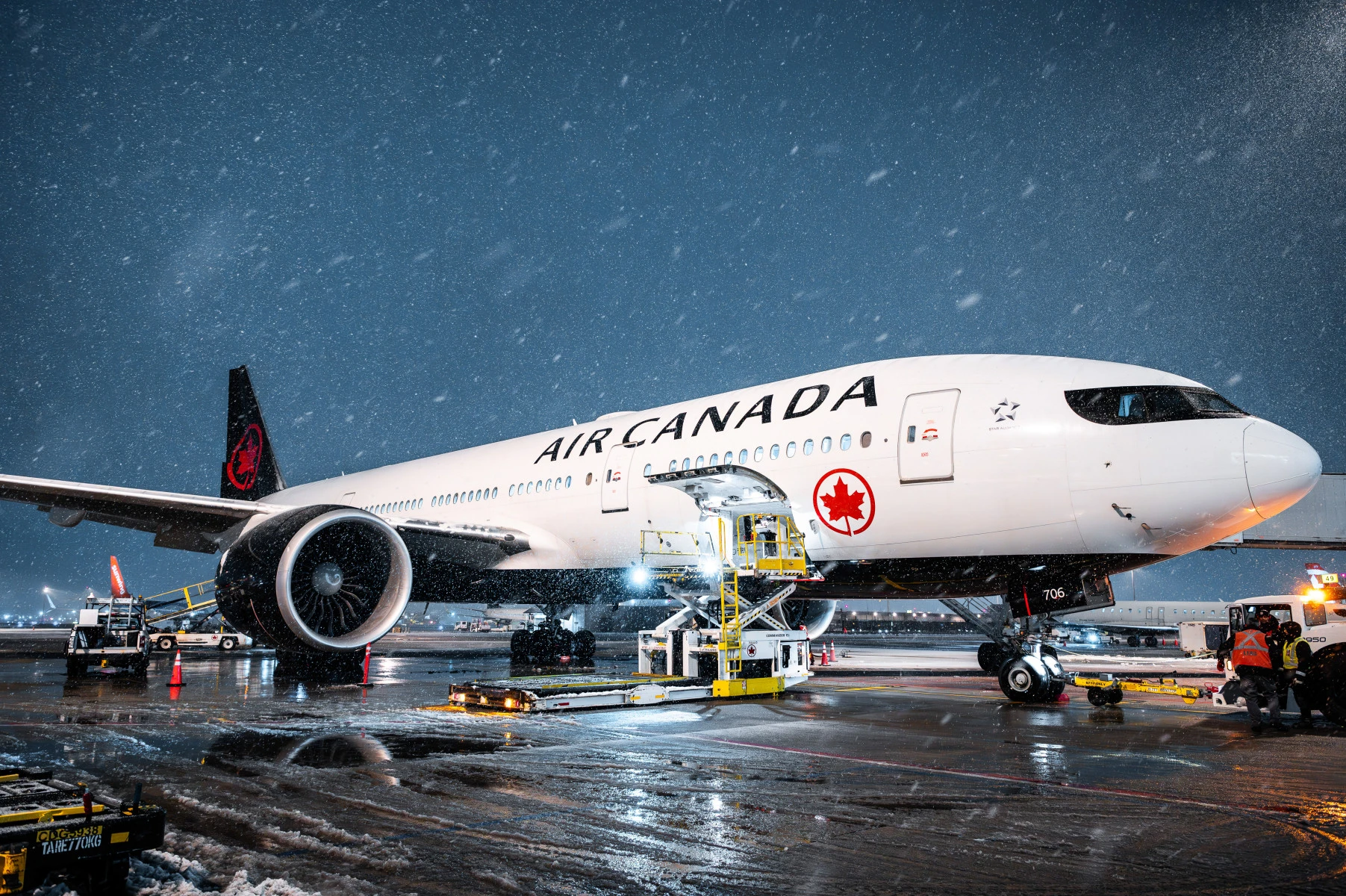
Midwest Routes Cut for the Second Winter in a Row
The three Midwest cancellations mark a repeat of last winter’s decision to drop the same city pairs. Ending these routes on October 24 rather than carrying them through the winter season suggests the underlying weak demand has not improved since last year.
By contrast, the three delayed Florida routes indicate the airline still expects demand for winter sun travel. Air Canada appears to be concentrating Florida flying around December, when snowbird and holiday bookings typically peak, rather than cancelling the routes outright.
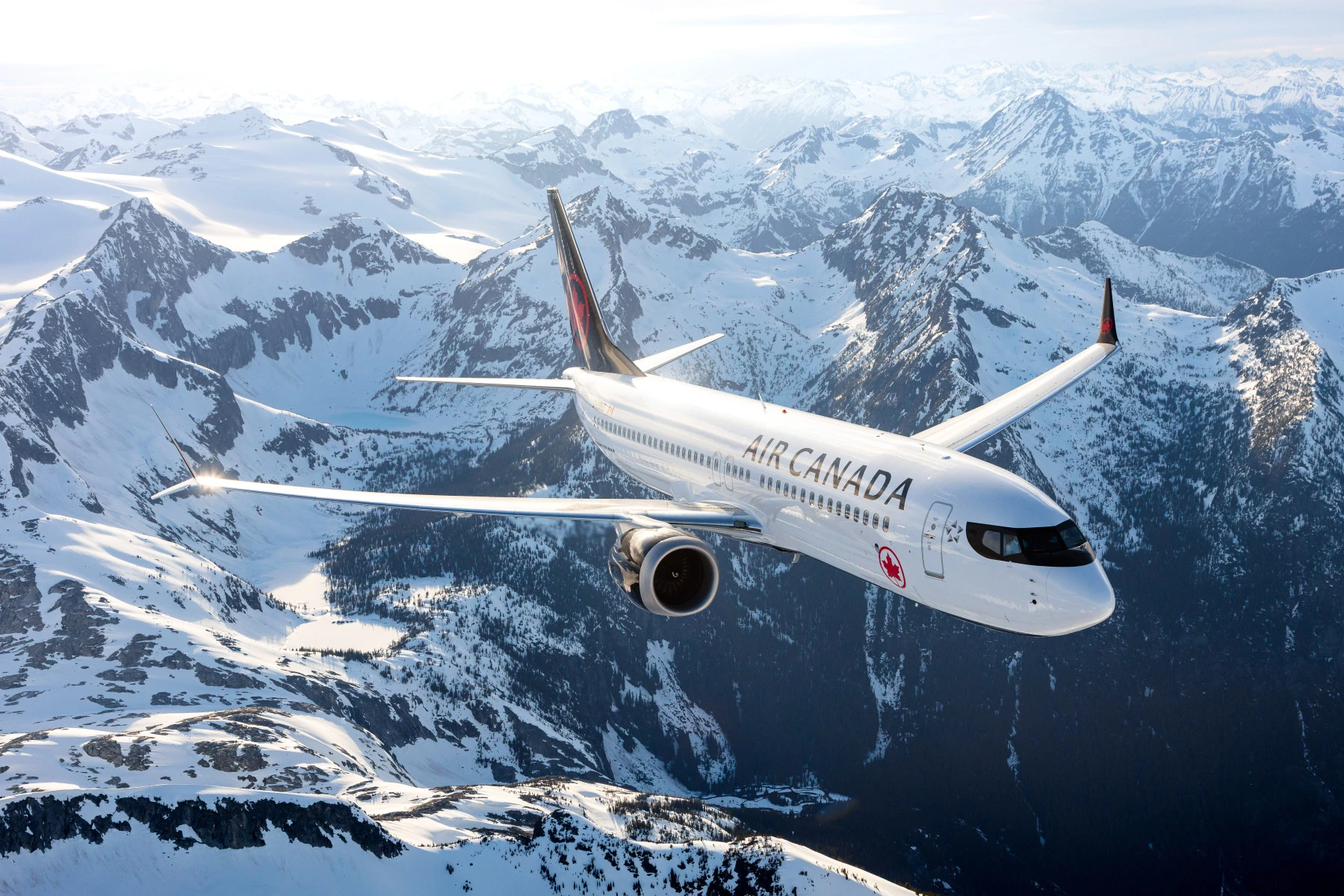
JFK Routes Permanently Dropped After Months of Suspension
The Toronto–JFK and Montréal–JFK routes had already been suspended since earlier in 2026 due to the same fuel cost pressures. Air Canada has now confirmed those routes will not return for the Winter 2026 season, extending what began as a temporary pause into a full withdrawal, PAX reported.
Air Canada spokeswoman Angela Mah addressed the broader schedule changes directly. She told the Canadian Press, “Air Canada regularly reviews its schedule to ensure capacity is aligned with customer demand,” adding that the airline still plans to return to JFK at some point in the future.
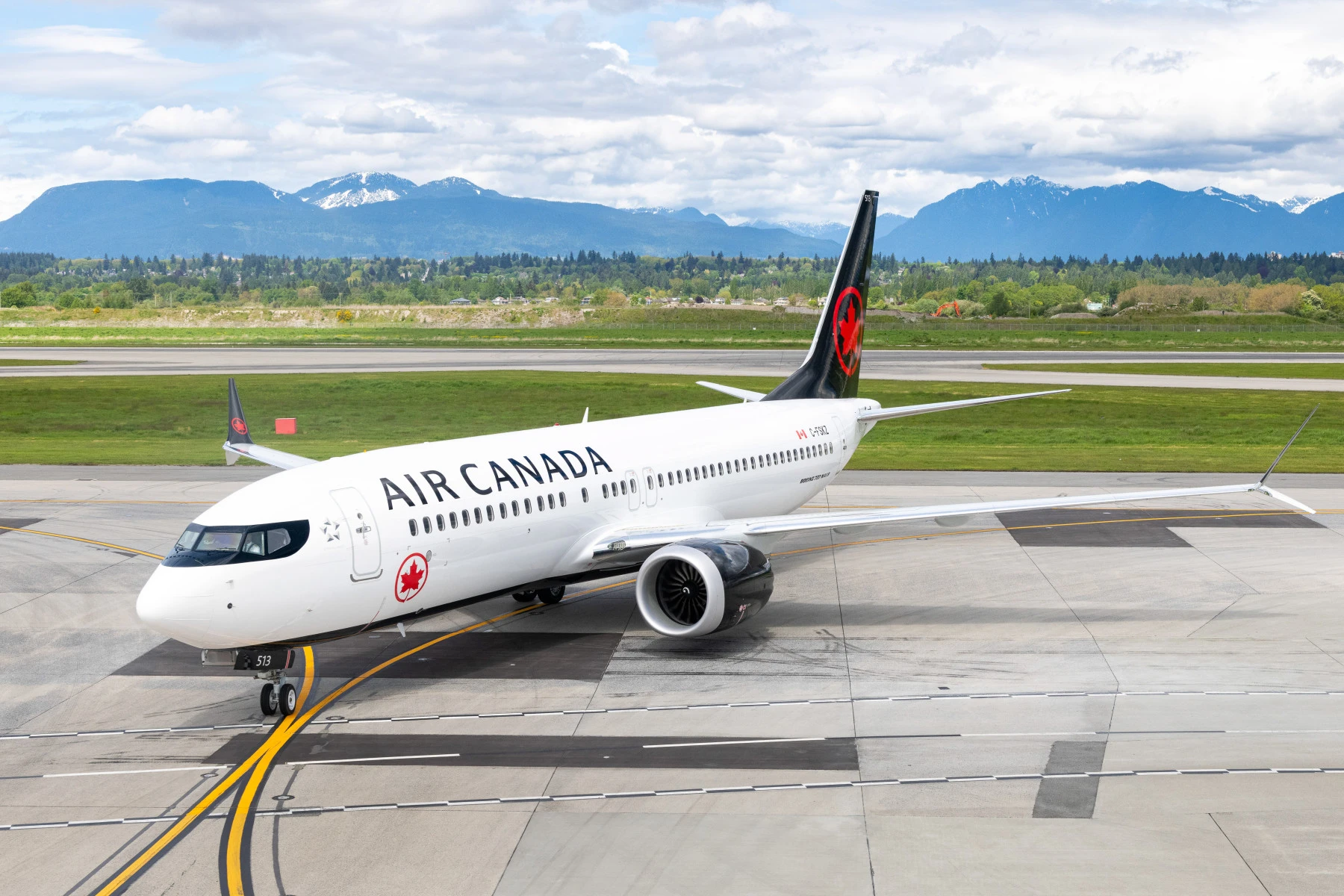
Jet Fuel Costs Tied to the Iran War Keep Squeezing Margins
Air Canada, WestJet, and Air Transat all cut summer capacity to the US earlier in 2026 as the war in Iran pushed jet fuel prices sharply higher. Those earlier reductions rendered some transborder routes unprofitable, according to CBC News.
In April 2026, Air Canada had already suspended flights to JFK and to Salt Lake City International Airport (SLC), stating that jet fuel prices had doubled since the conflict began. That earlier suspension set the stage for the JFK routes now being removed entirely.
Canadian Trips South of the Border Keep Falling
Preliminary Statistics Canada figures show the number of Canadians returning by air from the US fell 28 percent between May 2024 and May 2026, based on data cited by The Globe and Mail. That decline points to a structural drop in demand rather than a short-term dip.
Separate research from the University of Toronto’s School of Cities, using cellphone activity data, estimated a roughly 42 percent year-over-year decline in Canadian visits to major US metropolitan areas, according to Hashtag Investing. That measure suggests fewer Canadians are spending time in US cities, not just fewer people physically crossing the border.

Comparing Air Canada’s Cuts with WestJet’s Wider Pullback
Air Canada’s eight-route trim is modest next to the scale of cuts made by rival WestJet. WestJet eliminated 41 international routes when comparing its January 2025 to May 2026 schedule against forward bookings through March 2027.
Of those 41 routes, 24 involved transborder Canada-US flying, representing 57 percent of the total cuts. WestJet spokesperson Julia Kaiser confirmed the airline saw “a notable decline in transborder travel demand throughout 2025.” Air Canada also exited the same Vancouver-Tampa route as WestJet during that period, with a load factor of just 54 percent.
Air Transat went further still, exiting the US market entirely in spring 2026 and cancelling all its routes, including popular Florida snowbird services. Seen together, these three carriers’ decisions confirm that Air Canada’s latest cuts reflect an industry-wide retreat from the US market rather than a company-specific problem.
What Passengers on Affected Routes Should Expect
Travellers booked on any of the eight affected routes should expect to be contacted directly by Air Canada in the coming weeks. Airlines typically offer rebooking on alternative flights, travel credits, or refunds when a route is cancelled or delayed, according to Simple Flying’s coverage of the schedule changes.
Air Canada has not indicated when JFK service might return, though Mah told the Canadian Press the airline intends to resume the route eventually. For now, passengers travelling to New York will need to book through Newark or LaGuardia instead.