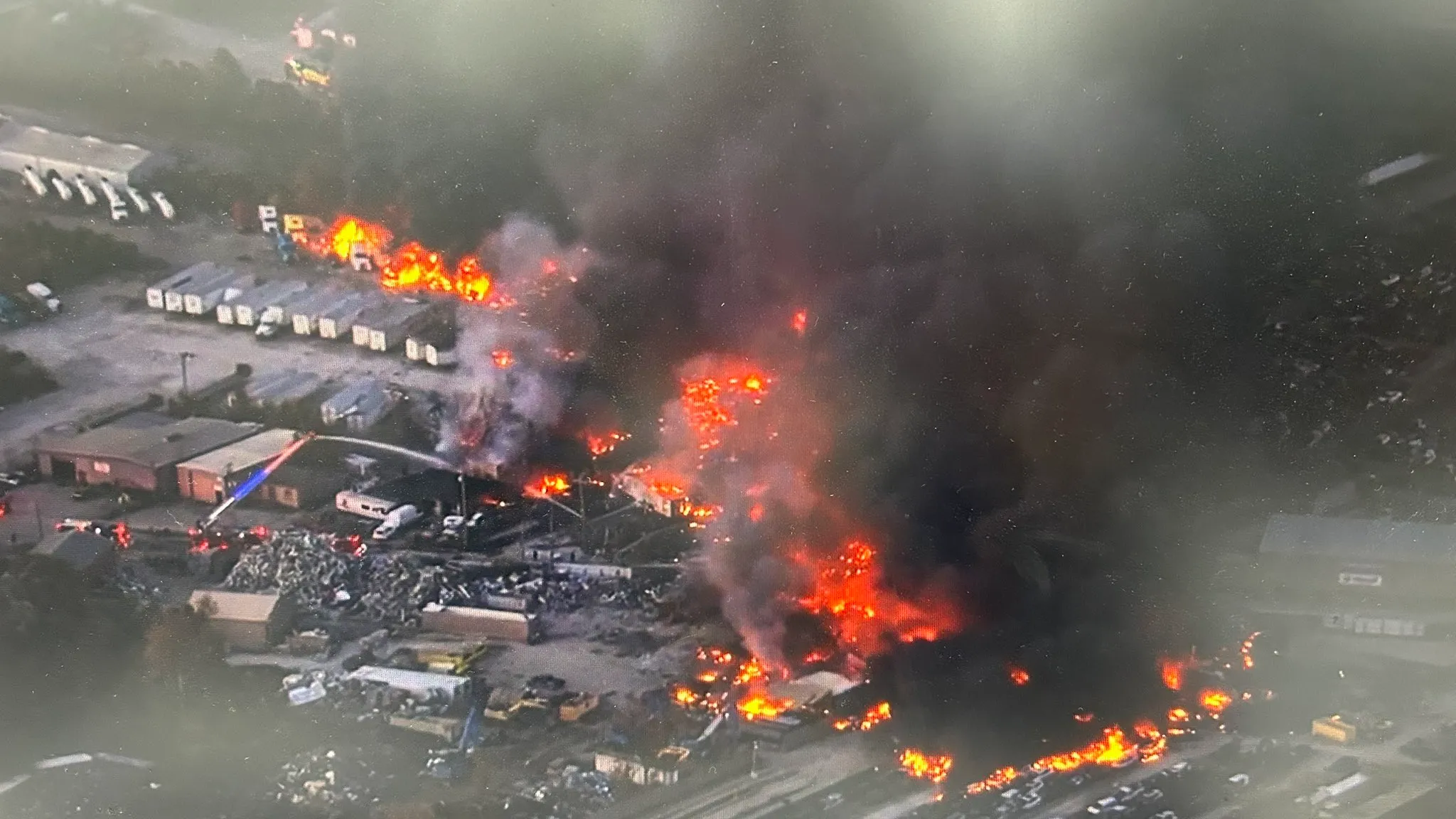
On 4 November 2025, at approximately 17:15 local time, a UPS Airlines (5X) McDonnell Douglas MD-11F departing from Louisville Muhammad Ali International Airport (SDF), Louisville, Kentucky, en route to Daniel K. Inouye International Airport (HNL), Honolulu, crashed shortly after take-off.
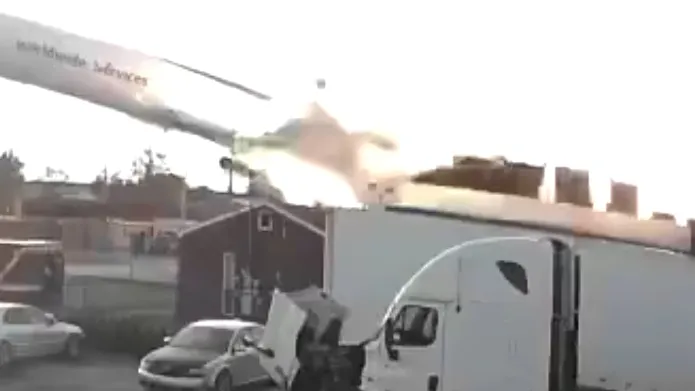
– X
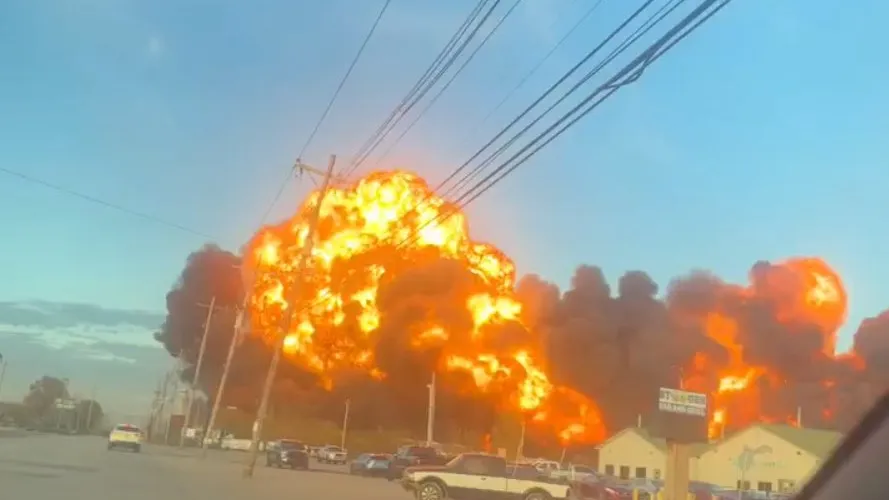
All three crew on board perished, and at least four people on the ground were killed with eleven others injured in the industrial area adjacent to the airport. The aircraft was fully fuelled for a long-haul flight and erupted into a massive fireball upon impact, prompting a major investigation led by the National Transportation Safety Board (NTSB) and the Federal Aviation Administration (FAA).
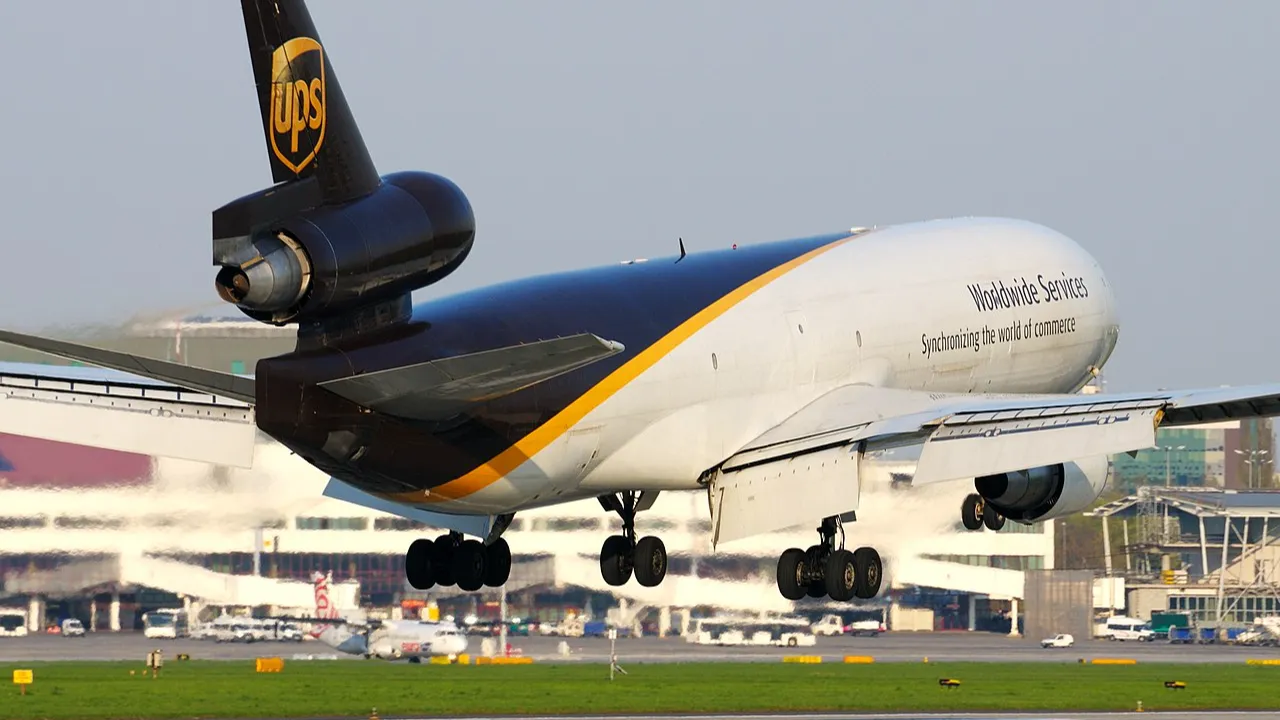
United Parcel Service Airlines: Company Profile
| Attribute | Detail |
|---|---|
| Name | UPS Airlines |
| Based in | United States (with global operations) |
| Primary hub | UPS Worldport, Louisville Muhammad Ali International Airport (SDF) |
| Fleet size | 295 aircraft averaging 22.2 Years |
| Founded | Subsidiary of United Parcel Service; its airline operations extend from UPS’s freight business |

UPS Flight 2976 : Aircraft Details
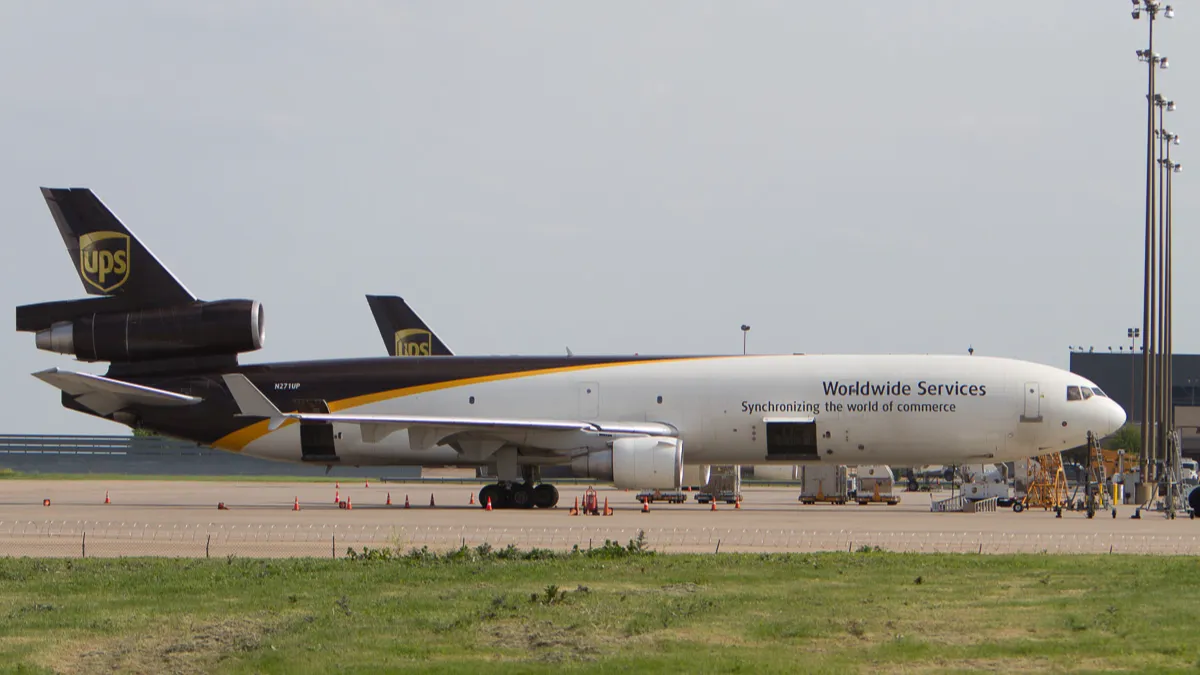
On its way to HNL from SDF, UPS flight 2976, a McDonnell Douglas MD-11F (tail N259UP) having a service age of 34 years, originally produced in 1991 and converted to freighter use in 2006, crashed and the number of people who lost their lives due to the crash is still being updated.
According to flight-tracking data, the jet reached only about 175 feet altitude and a speed of roughly 184 knots before entering a steep descent. The aircraft involved in the accident was operating out of UPS’s global air-cargo hub at the airport.
Data: planespotters.net
Sequence and Context of the Crash of UPS Flight 2976
The flight departed SDF from runway 17R and shortly after rotation visible flames appeared beneath the left wing. Reuters reported about how significant a hub SDF is:
“Louisville’s Worldport is at the center of the hub-and-spoke system for its air cargo network, serving the high-tech, healthcare and retail industries, handling more than 300 flights and processing about 2 million packages a day. More than 150 UPS customers, such as Merck & Co and other major pharmaceutical companies, have inventory there.”
According to video footage and preliminary data, one engine appears to have separated from the wing during the climb phase, which may have triggered a cascade of failures.
The aircraft impacted in an industrial area a few miles south of the airport, striking ground-based businesses including a petroleum-recycling facility and an auto-parts yard, igniting fires and causing ground casualties. The airport suspended operations, the crash zone was subject to a shelter-in-place order, and debris field spanned multiple buildings.
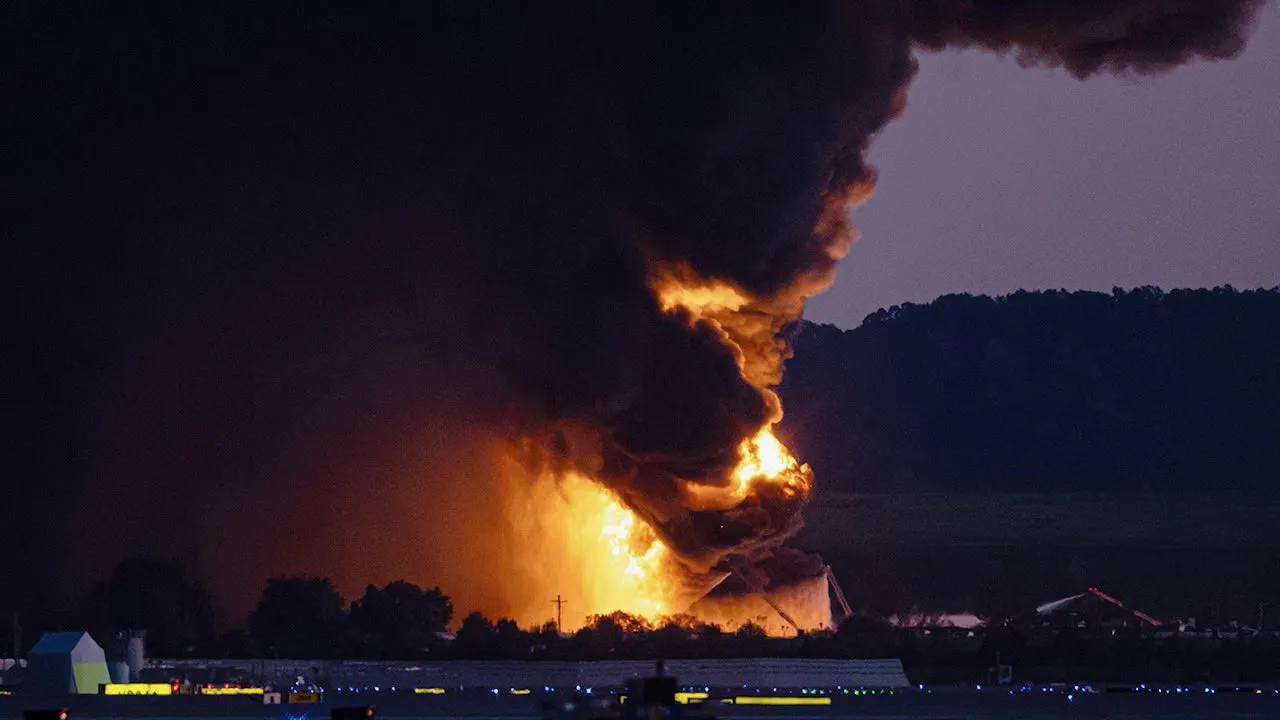
The crash also meant a shutdown for the state’s largest school district, Jefferson County Public Schools, shutdown. It was also reported that quarter-mile radius surrounding the crash site was subject to a shelter-in-place order.
Governor of Kentucky, Andy Beshear, called the incident “catastrophic” and warned that the death toll could climb, and iterated what everyone felt: “Anybody who has seen the images, the video, knows how violent this crash is.” Louisville Metro Council member Betsy Ruhe was quoted in The Independent as having said:
“We all know somebody who works at UPS…And they’re all texting their friends, their family, trying to make sure everyone is safe. Sadly, some of those texts are probably going to go unanswered.”
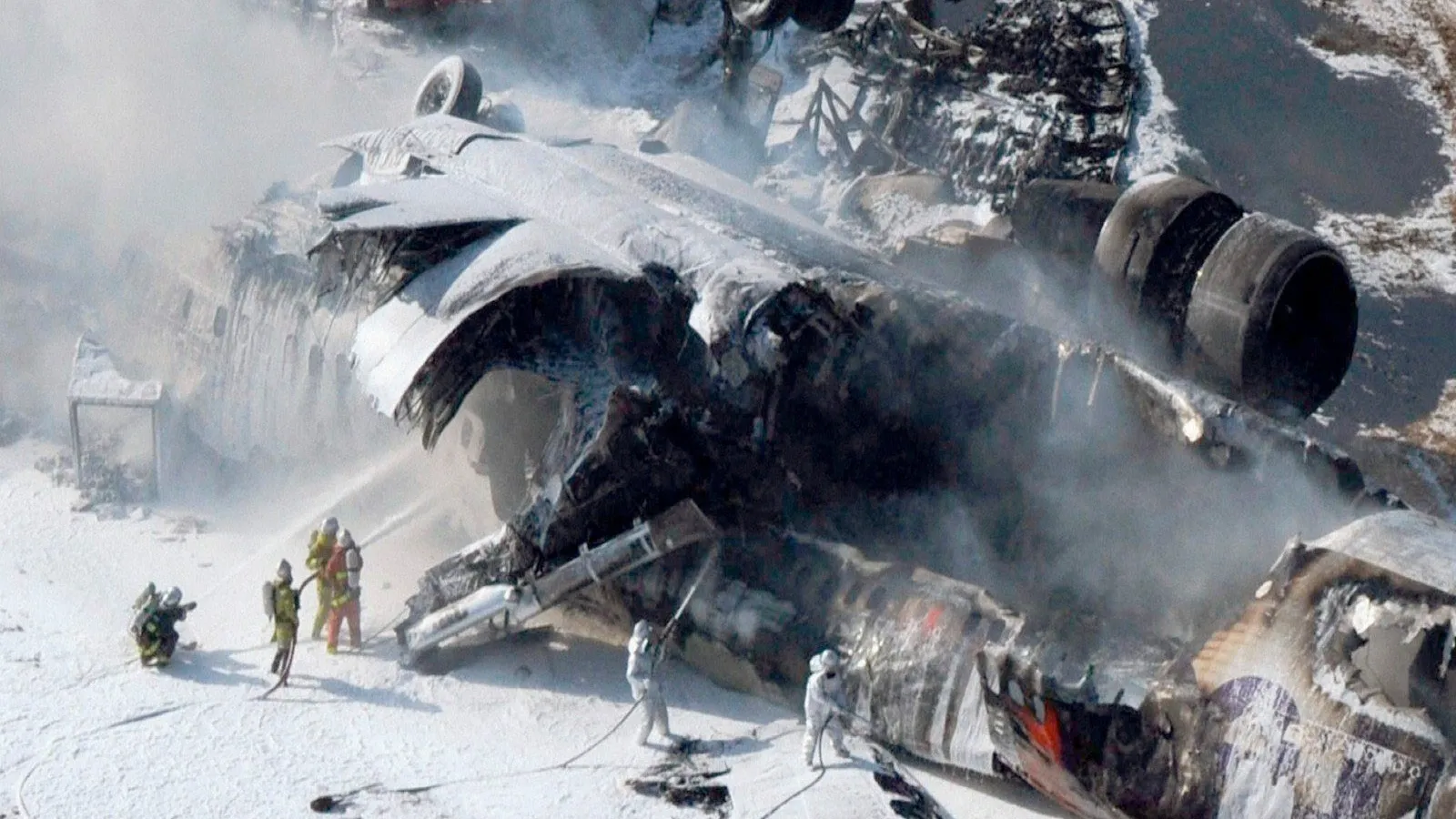
On Nov. 4, 2025 at 9:30 PM ET, UPS released a statement saying that it was halting package sorting operations that day at Worldport, whilst issuing the following notice on the following day:
-
Cancelations of Air sorting operations at UPS Worldport
-
Employees assigned to this sort were instructed not to report to work.
-
Family members seeking updates or information can contact 800-631-0604.
The previous day, it had published a statement on the crash:
“We are terribly saddened by the accident tonight in Louisville. Our heartfelt thoughts are with everyone involved. UPS is committed to the safety of our employees, our customers and the communities we serve. This is particularly true in Louisville, home to our airline and thousands of UPSers. We are engaged with the National Transportation Safety Board’s investigation of the accident and are staying in close contact with the Federal Aviation Administration. We will work tirelessly with state and local authorities on response efforts.”

At the time of the writing, nine people had been confirmed as dead. At least two businesses had been impacted by the crash. These were:
- Kentucky Petroleum Recycling [ that was hit directly]
- Grade A Auto Parts
A nearby Ford plant was not impacted by the crash of the UPS2976 and this was according to Beshear, a “blessing,” as a number of people were working at the plant. Chief Brian O’Neill, the chief of the Louisville Fire Department said that “the crash site fire was the size of a city block“. Despite the scale of the affected area, the environment was not as polluted as it could have been:
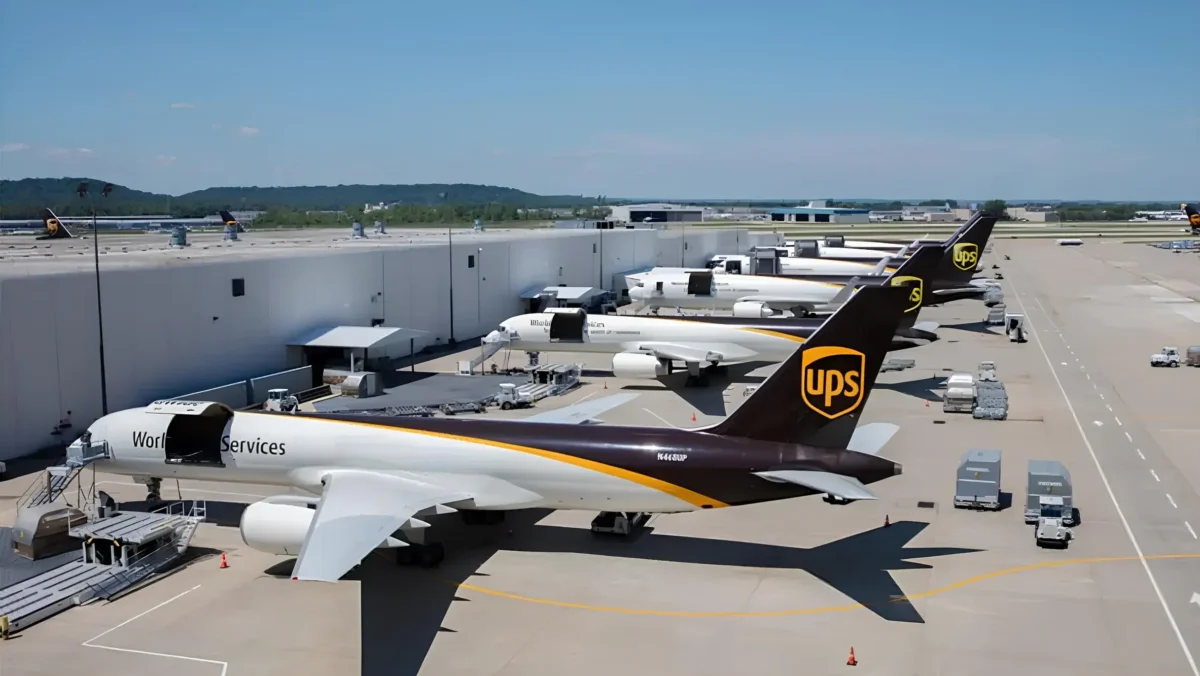
The plane was carrying about 38,000 pounds of fuel at the time of the crash…The cargo jet did not have any specifically hazardous materials onboard. The fire that resulted from the crash has caused a notable odor in the air. Still, particulate monitors are not turning up any “adverse readings,”

Comparison of UPS 2976 to previous similar incidents
| Category | 15 Apr 1999 – Korean Air Cargo | 14 Aug 2013 – UPS Airlines | 4 Nov 2025 – UPS Airlines |
|---|---|---|---|
| Aircraft Type | McDonnell Douglas MD‑11F | Airbus A300F4‑622R | McDonnell Douglas MD‑11F |
| Phase | Take‑off / climb | Approach landing | Take‑off |
| Crew Fatalities | 3 | 2 | 3 |
| Ground Fatalities | 5 | 0 | At least 4 (to date) |
| Key Cause / Note | Crew’s loss of altitude situational awareness; first officer misread “1,500 m” as “1,500 ft”, captain reacted abruptly, steep descent.
A report showed that the probable cause of the accident was “the flight crew’s loss of altitude situational awareness resulting from altitude clearance wrongly relayed by the first officer and the crew’s overreaction with abrupt flight control inputs.“ |
Controlled flight into terrain (CFIT) due to pilot error and fatigue; night approach, inadequate briefing.
NTSB report highlighted the probable cause as “the flight crew’s continuation of an unstabilized approach and their failure to |
Apparent engine separation and major fire during climb; aircraft 34 years old, fully fuelled; crashed shortly after take‑off. |
| Location | Near Shanghai Hongqiao International Airport (SHA), Xinzhuang, China | Birmingham–Shuttlesworth International Airport (BHM), Alabama, USA | Louisville Muhammad Ali International Airport (SDF), Kentucky, USA |
| Additional Context / Sources | (Read the report here: BAAA) | Read the report here: (NTSB) | Fully fuelled for 8½‑hour cargo flight
reached ~175 ft; left engine on fire possible engine separation. |

Regulatory and legal framework, and ongoing Investigation of UPS Flight 2976
The crash of UPS Flight 2976 carries a heightened significance in aviation because the airport in question is home to UPS Worldport, one of the world’s largest air-cargo hubs—handling millions of packages daily. Secondly, the year 2025 has seen a lot of crashes, such as the crash of Boeing 747-400 freighter (Flight EK9788), Air India AI 171, crash of a rescue helicopter in the Everest region of Nepal, among others.
An MD-11 freighter losing an engine and failing in the early climb phase might also raise questions about:
- ageing freighter airframes
- engine-separation risk
- ground-impact hazards in high-density industrial zones
- broader risk-footprint of air-cargo operations in urban and industrial environment
Fuel Dumping: What Is It and How Bad is it for the Environment?
Investigators will focus on structural separation (engine drop), fire origin, systems redundancy (three-engine performance), fuel load, aircraft age, maintenance history, and ground-risk mitigation. The following table gives us a cue to the parties that will be involved in the investigation of the Flight 276 which is already underway.
| Party Type | Examples |
|---|---|
| Operator | Airline, motorcoach, pipeline, etc. |
| Equipment Manufacturer | Truck, aircraft, ship, etc. |
| Engine Manufacturer | — |
| Unions | Truck drivers, pilots, machinists, mariners, etc. |
| Transportation Infrastructure Operator | Shipping port, canal, railroad depot, airport, etc. |
| Emergency Responders | Police, fire, emergency management departments, etc. |
The Independent also reported that a a 28-person contingent of National Transportation Safety Board (NTSB) investigators were “expected to arrive in full force on Wednesday”. This was probably a “Go-Team”, which is defined by ICAO as:
“After the NTSB learns, or is notified of a major accident, an evaluation is quickly made to determine the level of NTSB response. An NTSB go-team is comprised of investigators whose discipline and expertise match the needs of a particular investigation. These investigators chair investigative groups with party representatives who can offer technical expertise.”

The first responders had advised the public to avoid touching any debris and reporting it to officials. One of the things that is going to make the investigation longer is the size of the area affected by the crash, reported NBC News:
I don’t know how many victims we’re actually looking for. That’s one of the issues…And the debris zone is so large, so trying to get people back there and with the debris zone, some of that debris is going to have to be moved and searched underneath, so it will take us quite a while.”

Because the freighter was loaded for an 8½-hour flight with substantial fuel, the magnitude of the post-impact fire was large. here’s what we know so far about the crash and some of the implications:
| Category | Details |
|---|---|
| Patients Treated | University of Louisville Health received 15 patients from the crash across several hospitals. |
| Patient Status | 13 patients have been discharged; 2 remain in critical condition. |
| Emergency Response | Approximately 200 law enforcement officers, including 18 fire departments, responded. |
| Crash Description | Described as a “blazing inferno” by Gov. Beshear. |
| People in Buildings | At least 20 people were in the buildings at the time of the explosion. |
| Airport Operations | 12% of flights at the airport were canceled; delays were expected. |

What might have caused the crash of UPS Flight 2976?
The takeoff phase is considered to be one of the trickiest phases of an aircraft. After all, the aircraft is full of fuel (unlike when landing the a lot of airplane’s fuel has been burnt), and the plane is in full power to lift from the surface. Early reports show that UPS might have hit a tank off the end of the runway, leading to a conflagration.
The near 34,000 gallons of gas contained in the MD-11 involved in the UPS Flight 2976 times was thrice as much as the airplanes that hit the World Trade Center [ An archaic piece of technology was used in planes that hit the world Trade Center: an Airfone]. While talking about the crash of Flight 2976, Captain Steeeve said that he had “never seen an uncontained fire on an engine like this“
“There’s a picture of an engine off the runway, reportedly the number one engine. It’s not verified. If the left engine did fall off, it would explain a lot. The engine was on fire as they wobbled and rotated into the air. The engine might have departed, tearing the left wing apart. The uncontrolled fire caused loss of lift. With full power on the right engine and middle engine, it’s dramatic and very difficult to keep the nose under control. The left wing or main mount gear would dig into the building. The airplane rolls over on the knife edge and plows with momentum.”
The crash of the iconic aircraft Concorde was similar to this flight, as the Concorde known as Sierra Charlie (Flight AF 4590) and registered F-BTSC caught fire moments after its takeoff from Charles De Gaulle Airport on 25 July 2000.
Tupolev Tu-144 – The Soviet Concorde: Why the Supersonic Jet Failed?
There are still many conspiracy theories about the crash of the Concorde to this day. We hope the investigation of UPS Flight 2976 doesn’t go down that track.