United Airlines (UA) Flight UA509 diverted to Shannon Airport (SNN) in Ireland on Saturday, July 11, 2026, after the flight crew reported vibrations in the right engine and an unfamiliar smell in the cabin. The aircraft, a 24-year-old Boeing 767-400ER registered as N76065, was carrying 227 passengers and crew. The flight had departed Rome Fiumicino “Leonardo da Vinci” Airport (FCO) at 1:36 p.m. local time and was scheduled to land at Newark Liberty International Airport (EWR) roughly ten hours later.
The trouble began about three hours into the flight, just as the aircraft was crossing into the Atlantic Ocean after passing through French airspace. The crew reduced the affected engine to idle and turned the aircraft north toward Ireland rather than continue the ocean crossing. The jet was around 400 kilometres south of Ireland when the crew alerted air traffic controllers to the issue.
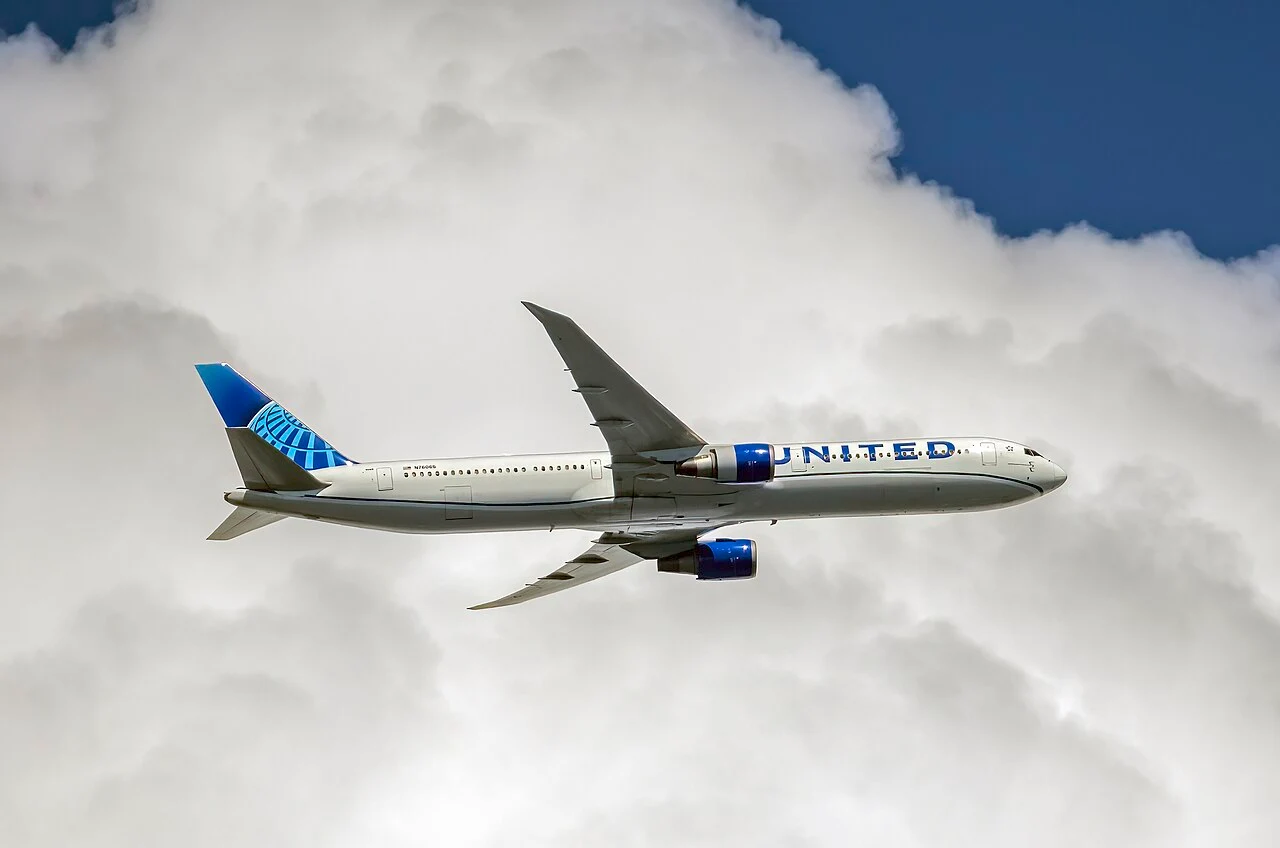
What Happened Mid-Atlantic Aboard the Boeing 767
The flight was cruising normally at 32,000 feet when the vibrations began, and the crew also detected an unfamiliar odour on board. Controllers were told the right engine was still running, but only at idle power, as the crew requested clearance to divert.
Facing two separate warning signs at once, the pilots chose to abandon the transatlantic crossing rather than assess the fault mid-ocean.
The aircraft touched down safely at Shannon roughly three hours and thirty minutes after leaving Rome.
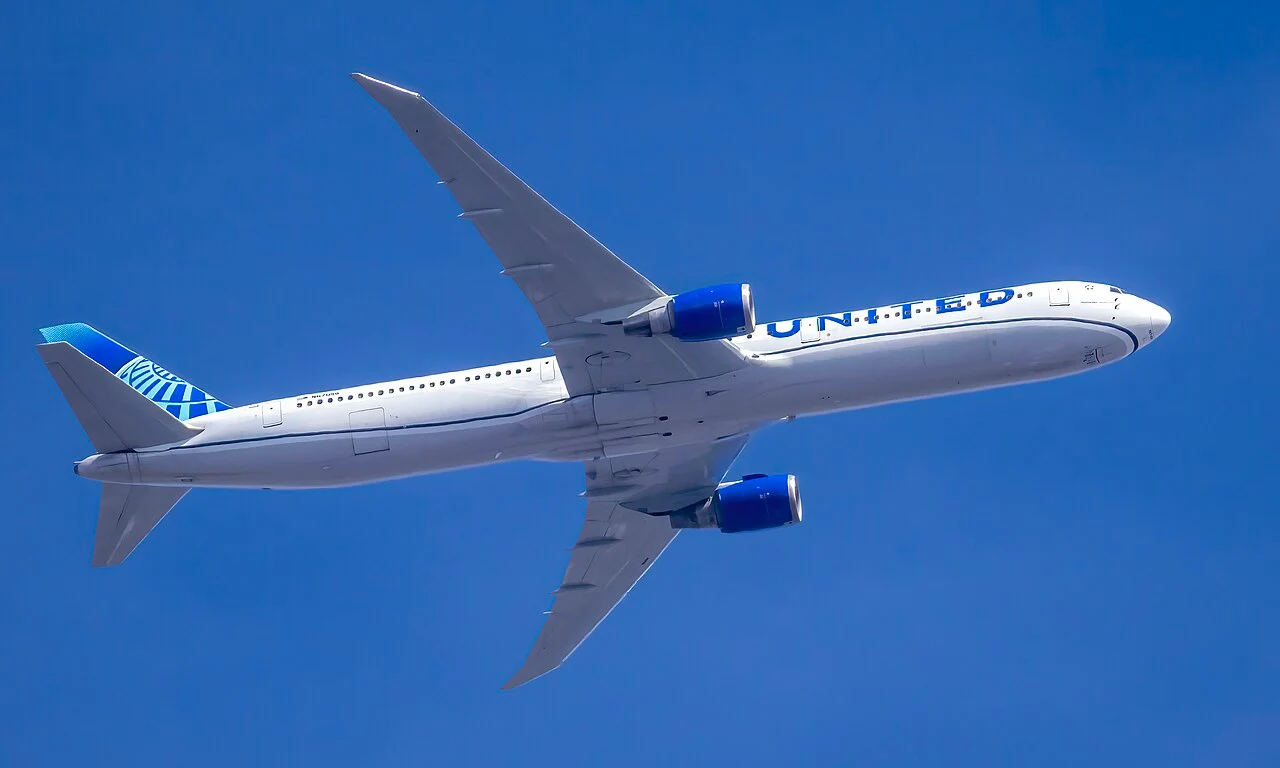
Emergency Landing and Fire Crew Response at Shannon Airport
Shannon Airport’s fire and rescue service was alerted ahead of the unscheduled arrival, and the flight crew specifically requested that fire crews meet the aircraft on landing. The flight landed at 3:57 p.m. and was followed down the runway by airport fire and rescue vehicles as a precaution. The landing was an overweight landing, given the aircraft had not burned off its full fuel load for the transatlantic crossing, though it exited the runway under its own power.
The Boeing 767 briefly stopped on a taxiway so fire crews could carry out a visual inspection of the affected engine. No injuries were reported among anyone on board. Shannon Airport is a familiar diversion point for transatlantic flights facing technical trouble roughly midway across the ocean.
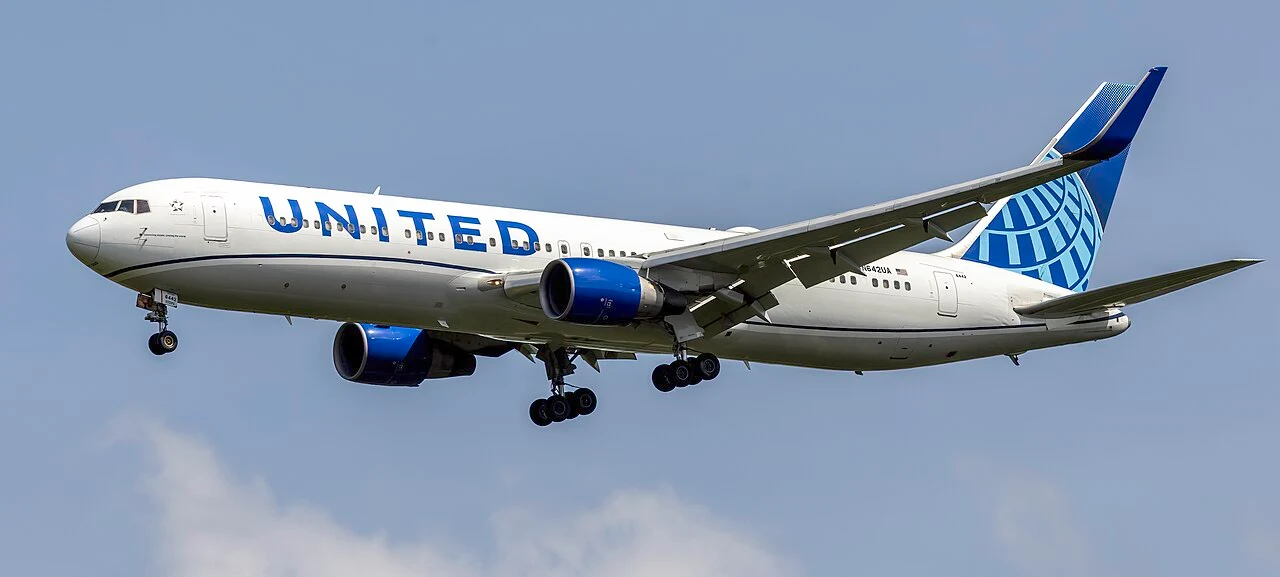
United Airlines Confirms Passengers Rebooked After Diversion
United Airlines confirmed that all 227 people on board disembarked normally and without injury. A United Airlines spokesperson said the aircraft landed in Shannon “to address an issue with one engine,” according to a statement shared with PEOPLE magazine. The airline said affected customers were given hotel accommodations, compensation, and were rebooked onto the next available flights.
The remainder of Flight UA509 was cancelled, and maintenance teams began inspecting the airframe and its right engine to determine the cause of the vibrations and odour. Flight tracking data from FlightAware and FlightRadar24 showed the aircraft remained parked in Shannon in the days following the diversion.
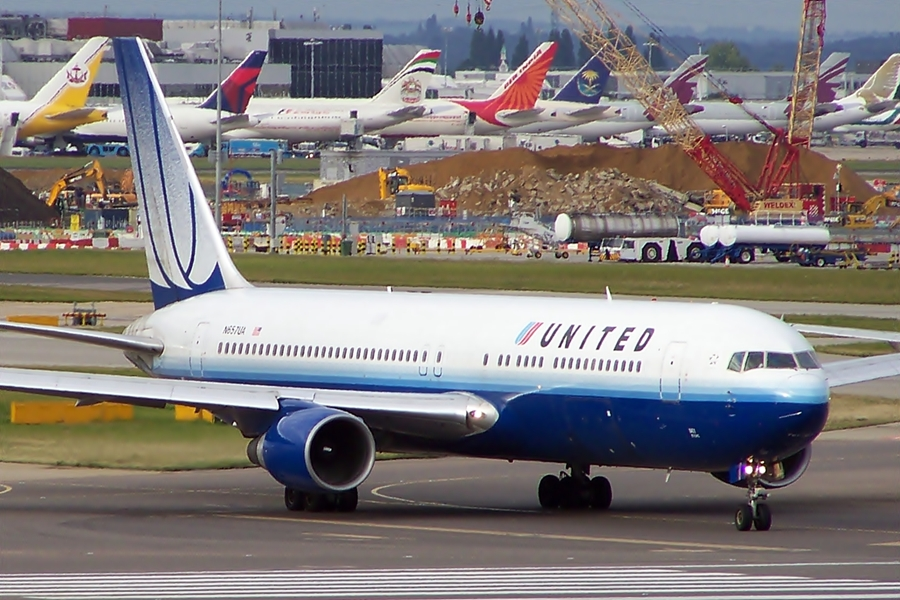
Details of United’s 767 Involved in the Diversion
United Airlines Boeing 767-400 (Registration: N76065) is a 24.2-year-old widebody aircraft built by Boeing at the company’s Everett, Washington (PAE) production facility. The aircraft carries manufacturer serial number (MSN) 29460 and line number 876.
The aircraft was delivered new to Continental Airlines in May 2002, configured with 20 Business Class seats and 236 Economy Class seats (C20Y236). It is powered by two General Electric (GE) engines, which have remained with the aircraft throughout its operational life. During its time with Continental, it also flew under the Continental Micronesia operation.
Following the merger between Continental Airlines and United Airlines, N76065 joined the United fleet in October 2010. Initially, it retained its original 20-business/236-economy layout before undergoing several cabin refurbishments. In June 2013, United reconfigured the aircraft with 39 Business Class and 203 Economy seats (C39Y203) to better align with its international service requirements.
Like much of the airline’s widebody fleet, the Boeing 767-400 was temporarily grounded during the COVID-19 pandemic. Records indicate that N76065 was stored at Roswell Air Center (ROW), New Mexico, from March 29, 2020, until August 22, 2021, before returning to passenger service.
The aircraft received its latest cabin modernization in July 2023, introducing United’s current 34 Polaris business class, 24 Premium Plus premium economy, and 173 Economy seats (C34W24Y173).
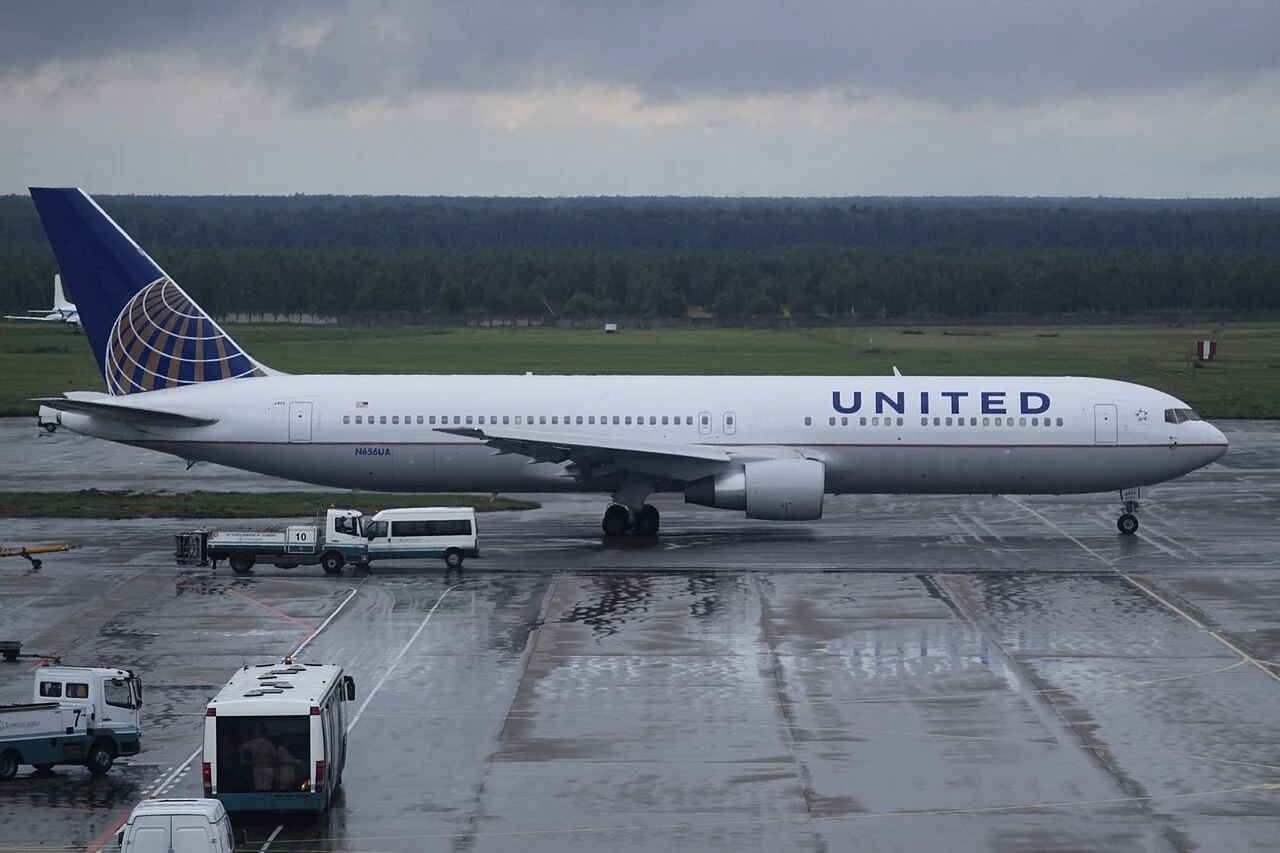
Shannon has hosted United diversions before. In one earlier case, a United Boeing 767 flying from Brussels to Chicago diverted to Shannon after a suspected fuel leak, landing safely around 40 minutes after the crew changed course. United flew a replacement aircraft from London Heathrow to complete that journey, delaying passengers by around seven hours.
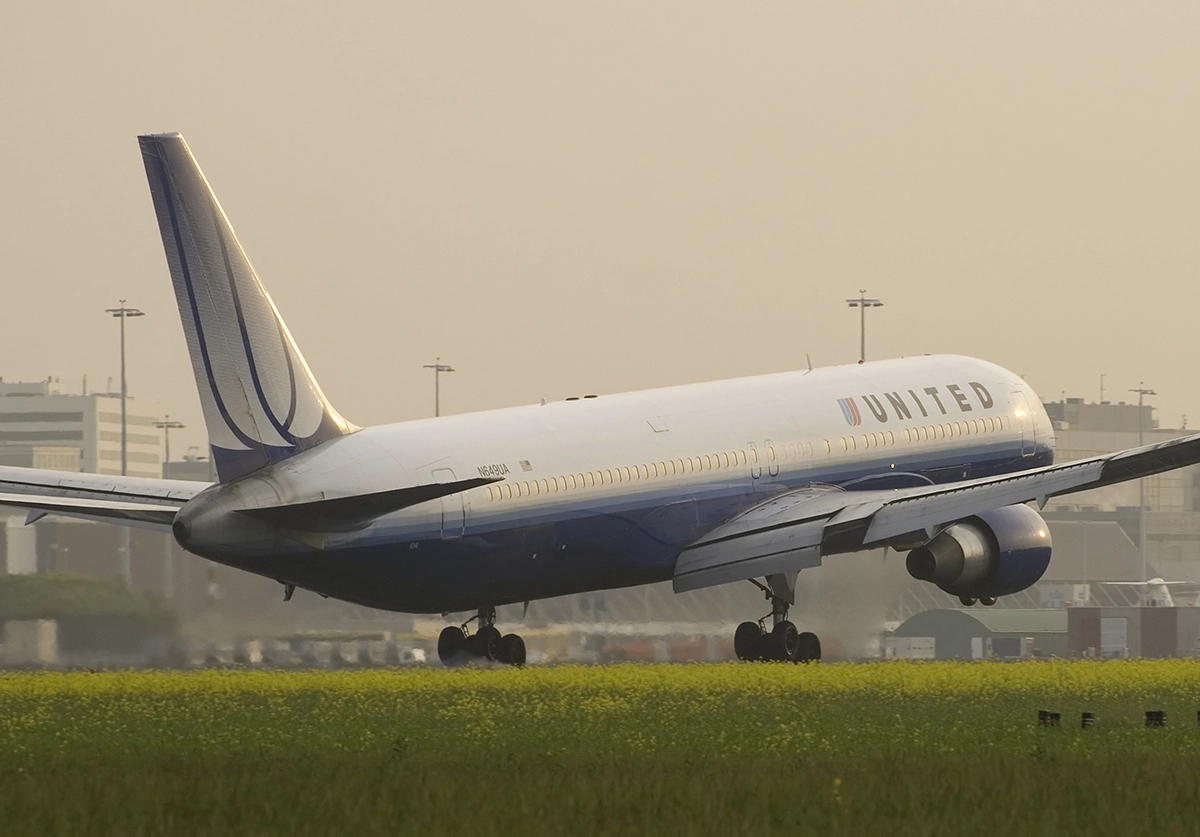
United’s Boeing 767 fleet has also featured in other recent turnbacks. In May 2026, a United 767-400ER bound for Palma de Mallorca made a mid-Atlantic U-turn to Newark after a passenger’s Bluetooth device name triggered a security alert. A United spokesperson confirmed that flight returned “to address a potential security concern,”.
What Comes Next for Flight UA509 And Its Passengers
United’s maintenance team will need to clear N76065 before it returns to scheduled service, and the airline has not given a timeline for when that inspection will conclude. The aircraft remained on the ground in Shannon in the days after the diversion while checks continued. Passengers from the cancelled sector have already been moved onto alternative flights toward Newark.
Flight UA509 normally operates daily between Rome and Newark, with an average flight time of around nine hours. Once the inspection is complete, the aircraft is expected to be repositioned or returned to United’s transatlantic schedule, depending on what maintenance crews find.



.jpg)
.jpg)