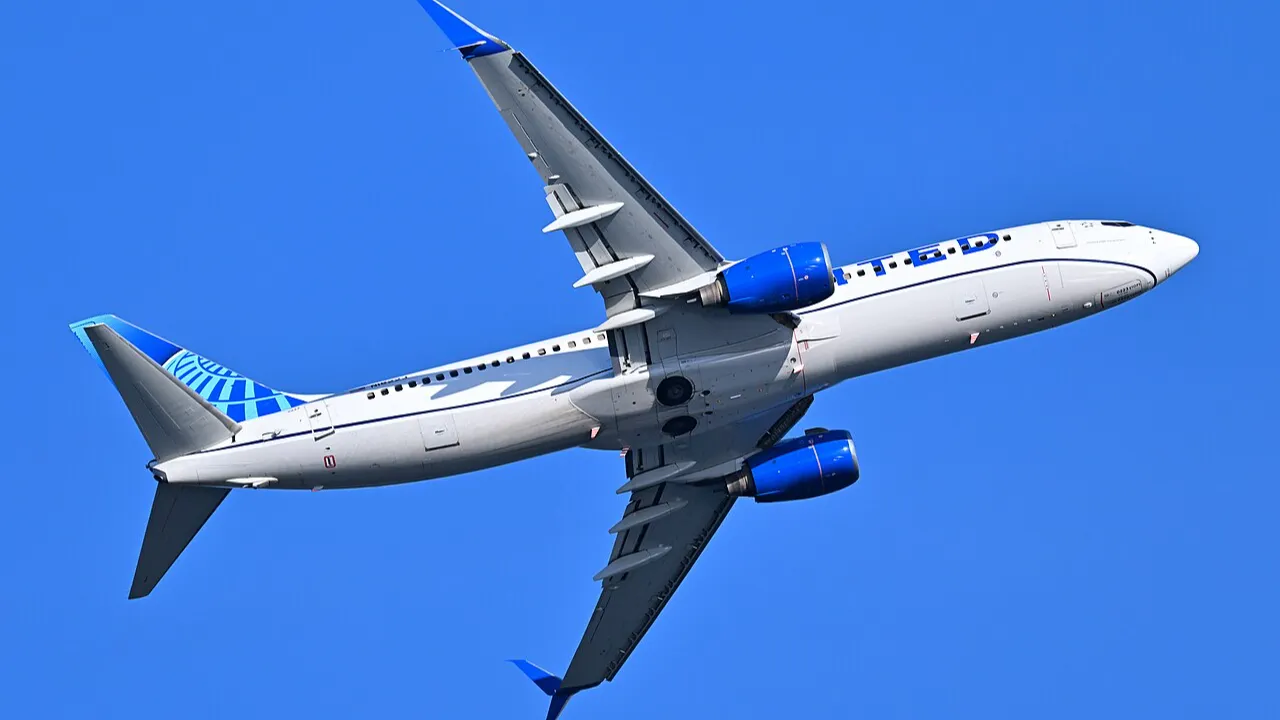
United Airlines (UA) has announced a significant expansion of nonstop service from Los Angeles International Airport (LAX), Los Angeles, for the Summer 2026 schedule, with the expansion including multiple year‑round and seasonal nonstop routes that will begin operation in early 2026, increasing connectivity between LAX and underserved U.S. markets, reported Live and Let’s Fly.
United Airlines (UA)
| Attribute | Detail |
|---|---|
| Airline | United Airlines (UL) |
| Founded | 1926 |
| Headquarters | Chicago, Illinois, USA |
| Main hubs |
|
| Fleet size | ~900 aircraft (2026) |
| Destinations | 300+ worldwide |
| Alliance | Star Alliance |
| CEO | Scott Kirby |

New Nonstop Routes from LAX
United, which is the world’s largest airlines by fleet size, has announced that it will have several new nonstop routes from LAX, some launching as early as March 29, 2026. These routes are aimed at enhancing connectivity with mid‑sized U.S. cities that historically lacked direct service from Los Angeles:
| Route | Start Date | Frequency | Type |
|---|---|---|---|
| LAX to John Glenn Columbus International Airport (CMH) | March 29, 2026 | Daily | Year‑round |
| LAX to Pittsburgh International Airport (PIT) | March 29, 2026 | Daily | Year‑round |
| LAX to Kansas City International Airport (MCI) | April 6, 2026 | Daily | Year‑round |
| LAX to Portland International Jetport (PWM) | June 27, 2026 | Saturdays only | Seasonal |
According to data from flightconnections.com, American Airlines (AA) is the sole operator of non-stop flights on two routes that United has announced it will operate: LAX-CMH and LAX-PIT. AA operates its Boeing 737-800 on these two routes. According to flightroutes.com, United is the only carrier, at least for now, that will operate on the LAX-PWM.
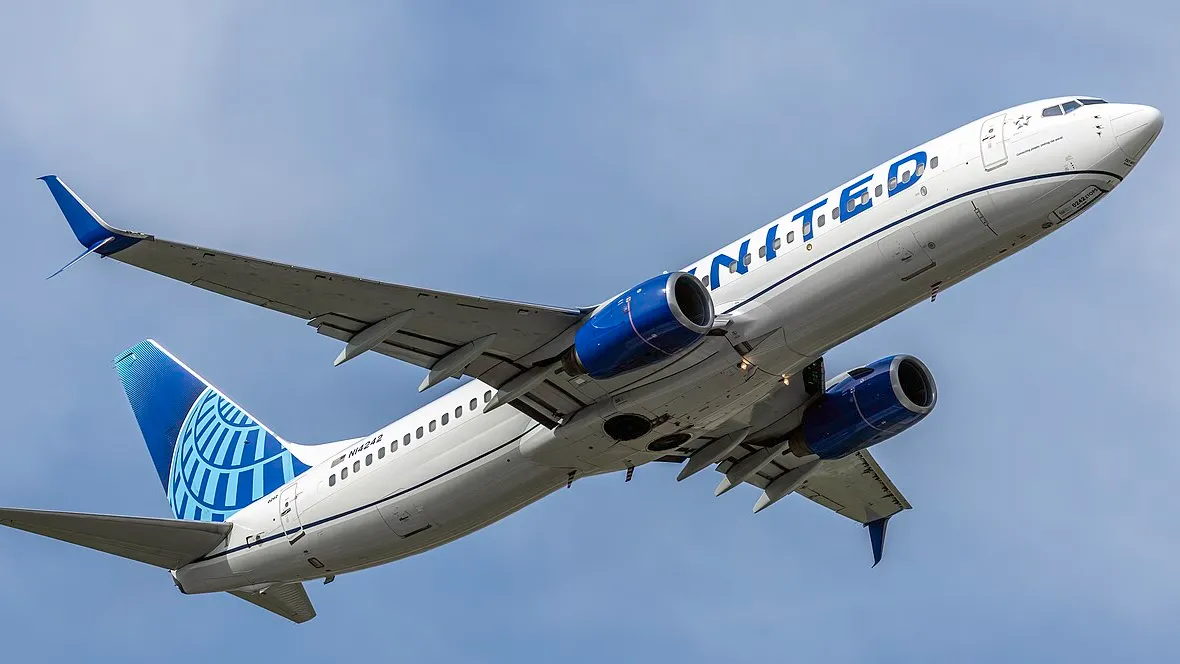
Currently, there are two operators on the LAX-MCI route: Delta on its Airbus A319 and Southwest Airlines on its Boeing 737-800. With regards to the competition with these carriers, Live and Let’s Fly notes that:
” United’s LAX strategy has never been about matching American or Delta flight-for-flight. Instead, it has focused on carving out defensible niches and leveraging MileagePlus to keep high-value customers from defecting. These new routes should fit the model well. They are differentiated enough to avoid brutal fare wars, and well-suited to United’s fleet and network structure.”
Aircraft that United will Deploy on the New Routes from LAX
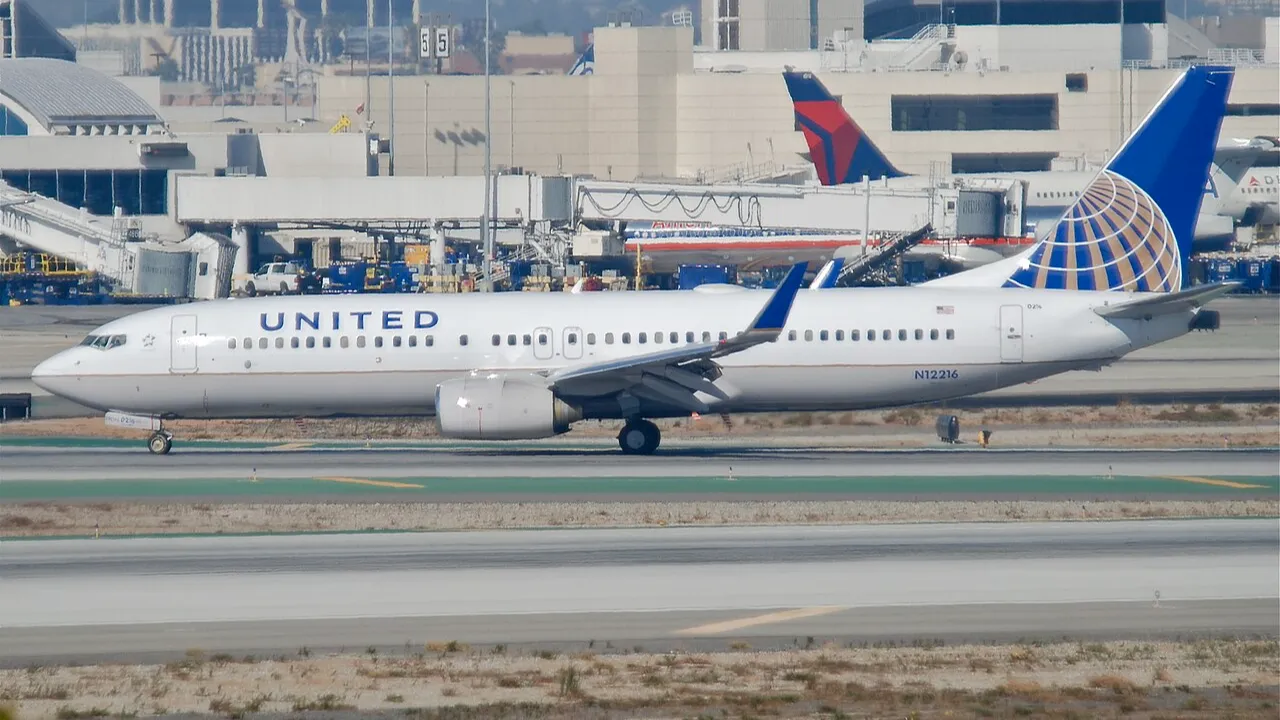
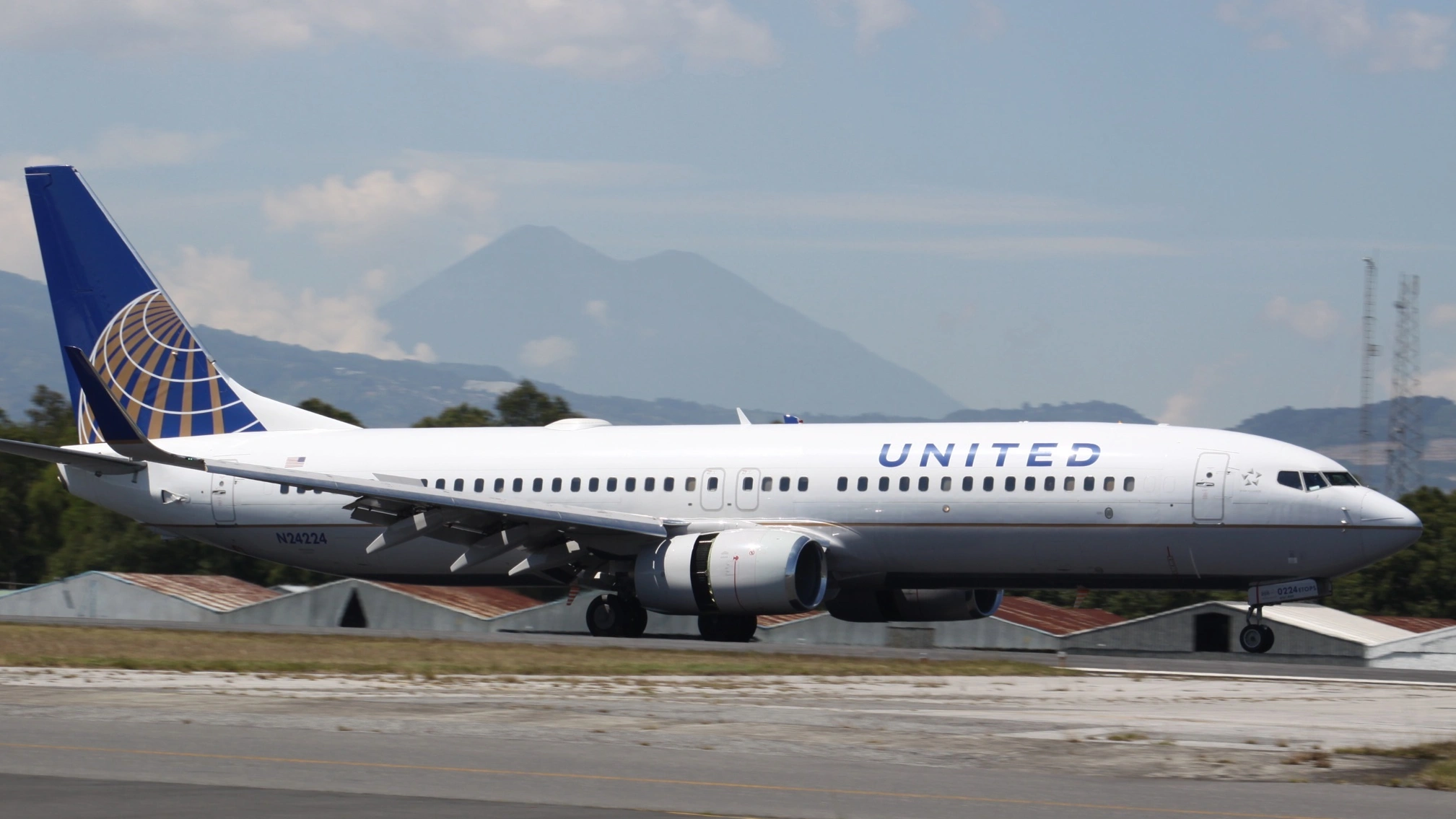
With these new nonstop routes at LAX, United might primarily employ narrow‑body aircraft such as the Boeing 737 family, which dominate its domestic network. After all, American Airlines uses the same, and so does Southwest. A report from Airline Geeks says so. According to data from planespotters.net, United has 141 aircraft of this type and these average 21.9 years.
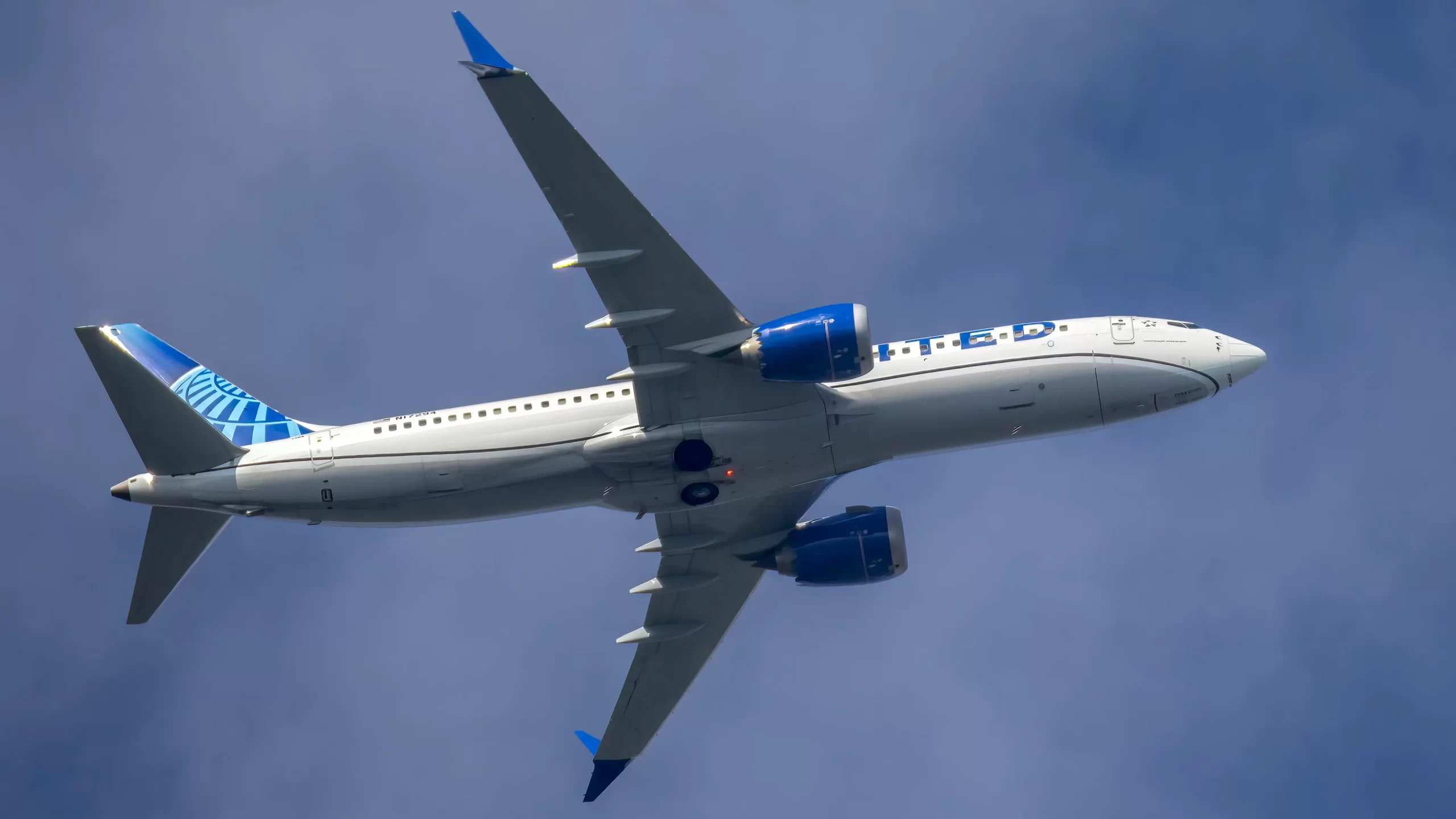
There are three versions in which United configures its Boeing 737-800. Here’s a look at one such version:
| Specification | United First® | United Economy Plus® | United Economy® |
|---|---|---|---|
| Number of seats | 16 | 48 | 102 |
| Seat numbers | 1A–4F | 7A–14F, 20A–21F | 15A–15F, 22A–38F |
| Exit rows / doors | Front of cabin | Rows 20, 21 | Back of cabin |
| Seat configuration | 2–2 | 3–3 | 3–3 |
| Standard seat pitch | 37 in (93 cm) | 34 in (86 cm) | 30 in (76 cm) |
| Standard seat recline | 5 in (12 cm) | 3 in (7 cm) | 2 in (5 cm) |
| Limited / zero seat recline | 3 in at Row 4 | Zero at Row 20 | Zero at Rows 15 and 38 |
| Seat width | 20.5 in (52 cm) | 16.3–17.3 in (41.4–43.9 cm) | 16.3–17.3 in (41.4–43.9 cm) |
| Movable aisle armrests | ✗ | ✓ (Rows 8–21) | ✓ (Rows 22–38) |
| Fixed bassinets | ✗ | ✗ | ✗ |
| Entertainment | ✓ | ✓ | ✓ |
| Wi-Fi availability | ✓ | ✓ | ✓ |
| Power outlets | ✓ | ✓ | ✗ |
| USB ports | ✗ | ✗ | ✗ |
United also deploys a second interior configuration for the same aircraft type, reflecting a different balance between premium density and overall cabin capacity. In this Version 2 layout, United First remains unchanged at 16 seats in a 2-2 configuration, but the cabin gains marginally wider seating at 20.7 inches while preserving the 37-inch pitch and up to five inches of recline.

The premium cabin therefore continues to deliver a consistent experience across both layouts, with no meaningful degradation in space or amenities. The more pronounced differences emerge in the main cabin. United Economy Plus expands to 54 seats, compared with the smaller Economy Plus footprint in Version 1, while maintaining a 34-inch pitch and identical seat widths of 16.3 to 17.3 inches.
Limited- or zero-recline rows shift slightly forward, now affecting rows 15 and 20, which alters passenger expectations around exit-row comfort. Standard United Economy remains at 102 seats with a 30-inch pitch and two inches of recline, but zero-recline restrictions are confined to the aft-most rows, subtly improving consistency across the cabin.
Version 3 of United Airlines’ Boeing 737-800 interior reflects a more regionally tailored configuration, designed specifically for longer intra-Asia and trans-Pacific services to markets such as Guam, Cebu, Ulaanbaatar, and Kaohsiung.
While the overall cabin layout remains familiar, this version subtly rebalances seat counts and onboard amenities to prioritize range efficiency and cabin density over connectivity features commonly found on domestic layouts.

Key differences compared with Versions 1 and 2 include:
-
Reduced Economy Plus capacity: Version 3 offers 42 Economy Plus seats, down from 48 in Version 1 and 54 in Version 2, indicating a shift away from premium-economy density.
-
Higher Economy seat count: At 108 seats, standard Economy is more densely configured than in both earlier versions, which each capped Economy at 102 seats.
-
Connectivity trade-offs: Unlike Versions 1 and 2, this configuration does not feature Wi-Fi in any cabin, a notable distinction for longer-duration flights.
-
Cabin branding difference: The forward cabin is branded United Business rather than United First, aligning the product with international rather than domestic service expectations.
-
Entertainment and power variations: Seatback entertainment remains standard, but Economy Plus and Economy omit DIRECTV branding, while power outlets are limited to the premium cabins only.

United’s Additional Routes Besides the Ones From LAX
But in an Instagram post, Patrick Quayle, United’s SVP of Global Network Planning and Alliances, announced the introduction of the following routes:
| Origin City | Origin Airport (IATA) | Destination City | Destination Airport (IATA) | Frequency |
|---|---|---|---|---|
| Houston, TX | George Bush Intercontinental Airport (IAH) | Hartford, CT | Bradley International Airport (BDL) | Daily |
| Denver, CO | Denver International Airport (DEN) | Albany, NY | Albany International Airport (ALB) | Daily |
| Los Angeles, CA | Los Angeles International Airport (LAX) | Kansas City, MO | Kansas City International Airport (MCI) | Daily |
| Los Angeles, CA | Los Angeles International Airport (LAX) | Pittsburgh, PA | Pittsburgh International Airport (PIT) | Daily |
| Los Angeles, CA | Los Angeles International Airport (LAX) | Columbus, OH | John Glenn Columbus International Airport (CMH) | Daily |

United Airlines’ Seasonal “summer weekend” routes
According to data published in FlyMag, United Airlines has also announced some seasonal routes. These are:
| Origin Airport | Destination Airport | Operating Pattern | Seasonal Window |
|---|---|---|---|
| Denver International Airport (DEN) | Bangor International Airport (BGR) | Saturdays only | June 27 – Sept. 5 |
| Denver International Airport (DEN) | Chattanooga Airport (CHA) | Saturdays only | May 23 – Aug. 8 |
| Washington Dulles International Airport (IAD) | Halifax Stanfield International Airport (YHZ) | Saturdays only | May 23 – Sept. 19 |
| Washington Dulles International Airport (IAD) | Québec City Jean Lesage International Airport (YQB) | Saturdays only | May 23 – Oct. 24 |
| George Bush Intercontinental Airport (IAH) | Spokane International Airport (GEG) | Saturdays only | May 23 – Aug. 8 |
| George Bush Intercontinental Airport (IAH) | Burlington International Airport (BTV) | Saturdays only | May 23 – Aug. 8 |
| San Francisco International Airport (SFO) | Portland International Jetport (PWM) | Saturdays only | June 27 – Sept. 19 |
| Chicago O’Hare International Airport (ORD) | Yellowstone Regional Airport (COD) | Fri ORD→COD / Sat COD→ORD | May 22 – Sept. 19 |
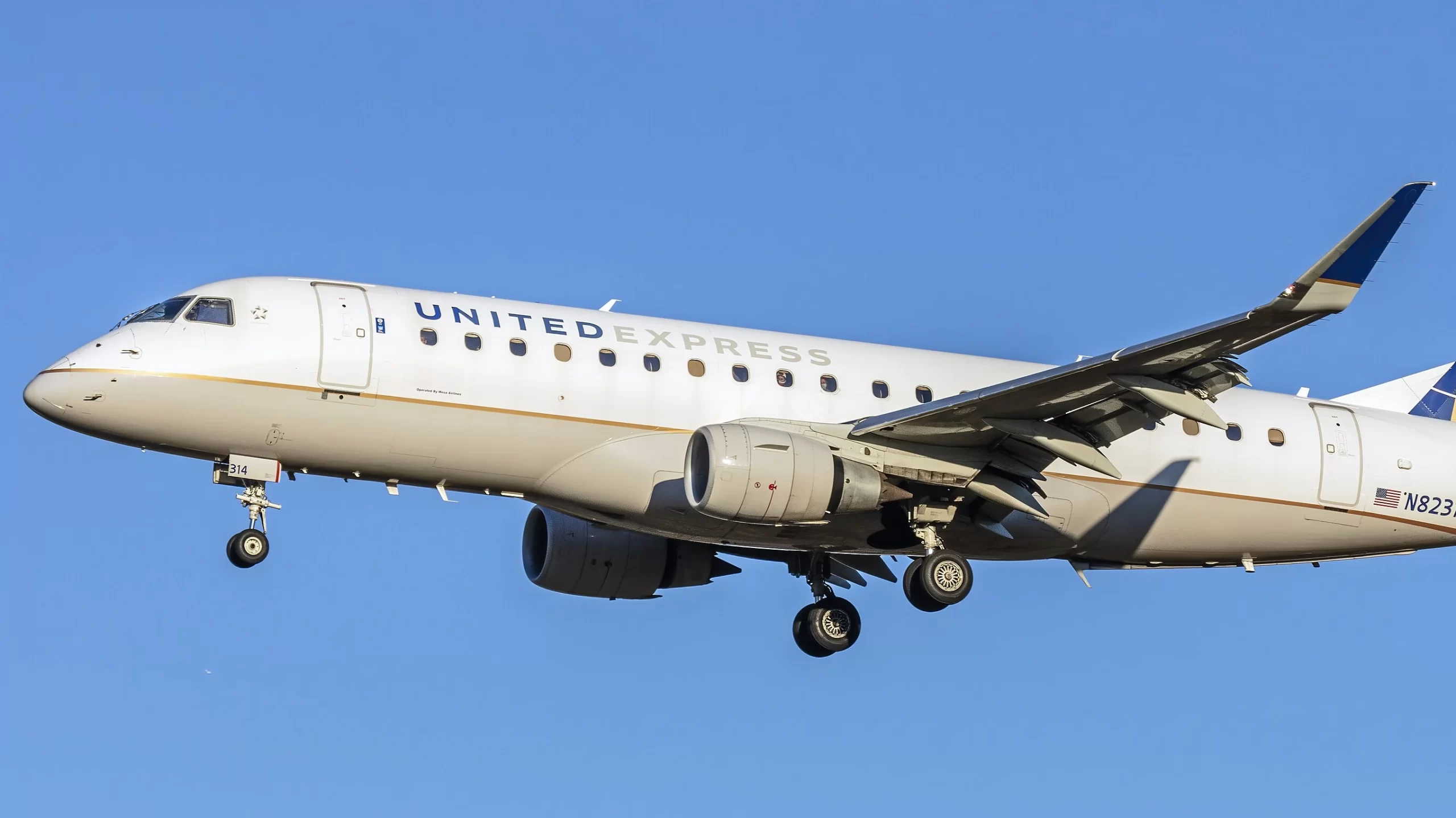
These routes are set to be operated on United’s E175s. United configures this aircraft in two ways.
| Specifications | United First® | United Economy Plus® | United Economy® |
|---|---|---|---|
| Number of seats | 12 | 16 | 48 |
| Seat numbers | 1A–4D | 7A–10D | 11A–24D |
| Exit rows / doors | Front of cabin | ✗ | Back of cabin |
| Seat configuration | 1–2 | 2–2 | 2–2 |
| Bulkhead seats | 1 | ✗ | ✗ |
| Standard seat pitch | 37 in (93 cm) | 34 in (86 cm) | 31 in (78 cm) |
| Standard seat recline | 5 in (12 cm) | 3 in (7 cm) | 2 in (5 cm) |
| Limited / zero seat recline | ✗ | ✗ | Zero at Row 24 |
| Seat width | 20 in (50 cm) | 18 in (45 cm) | 18 in (45 cm) |
| Overwing rows | ✗ | ✗ | 12–20 |
| Movable aisle armrests | Rows 2–4 | Rows 8–10 | All rows |
| Fixed bassinets | ✗ | ✗ | ✗ |
| Entertainment | Personal device entertainment | Personal device entertainment | Personal device entertainment |
| Wi-Fi | ✓ | ✓ | ✓ |
| Power outlets | ✓ | ✗ | ✗ |
| USB ports | ✗ | ✗ | ✗ |