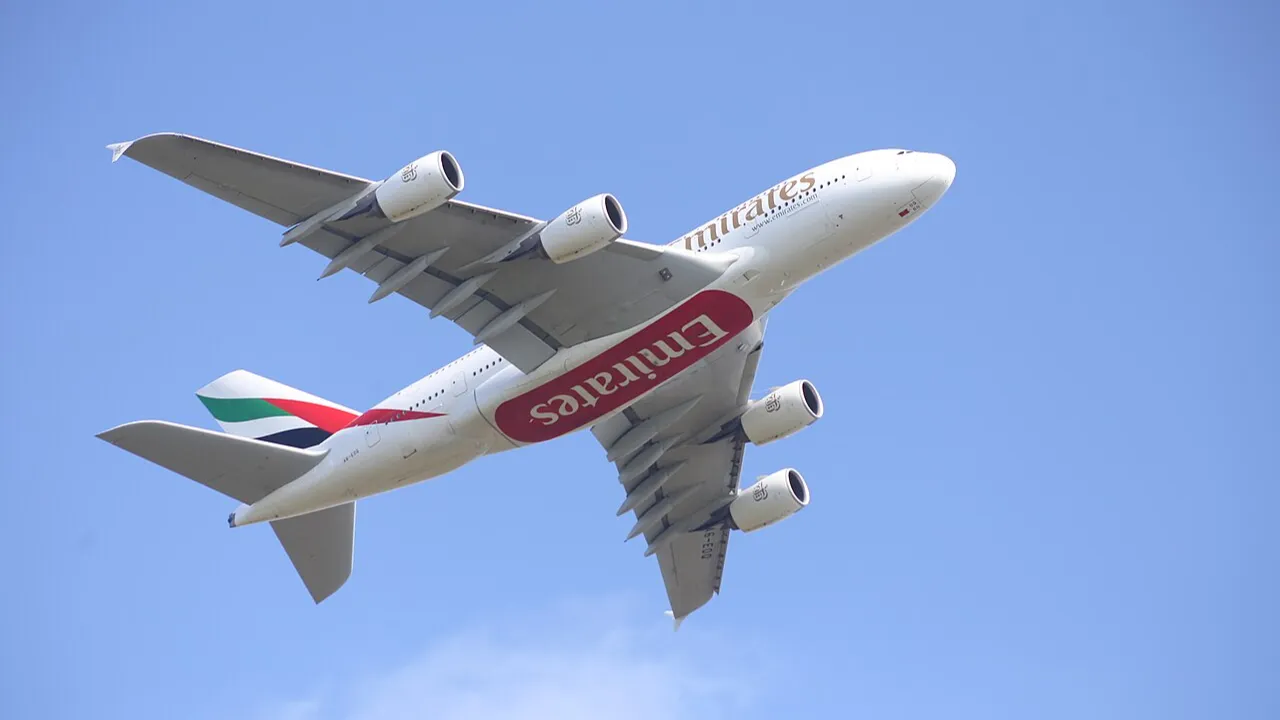
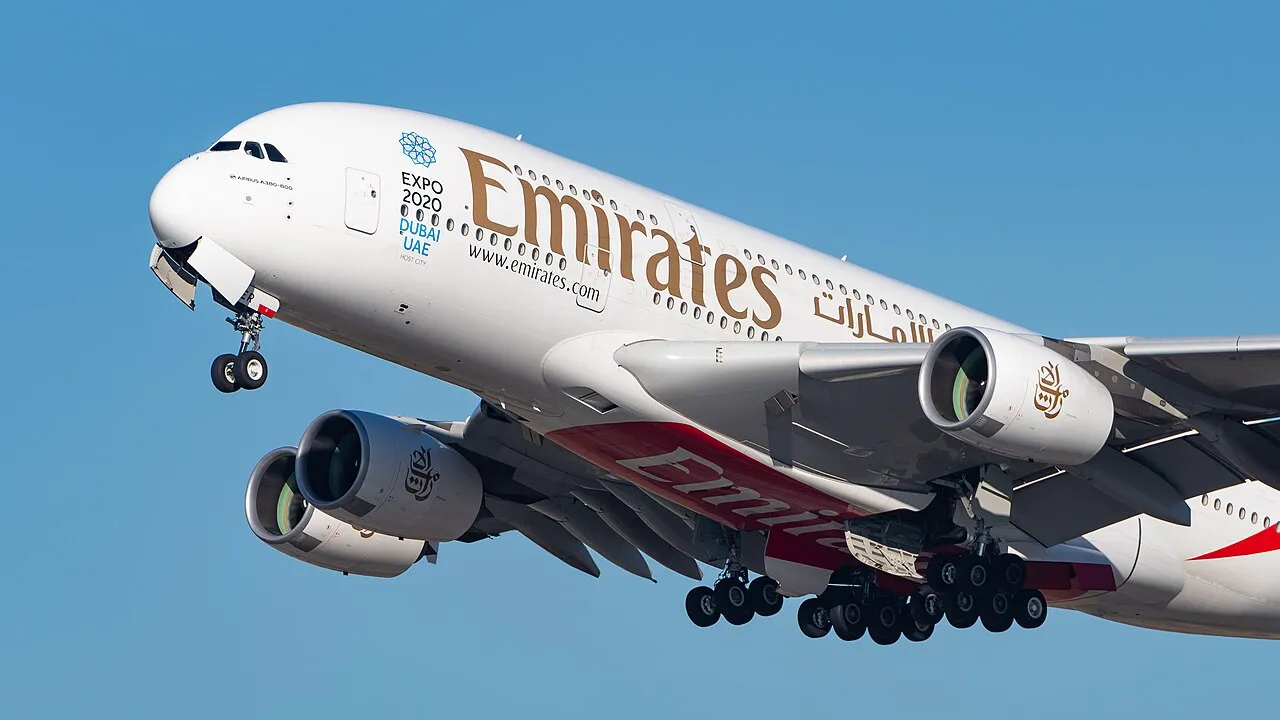
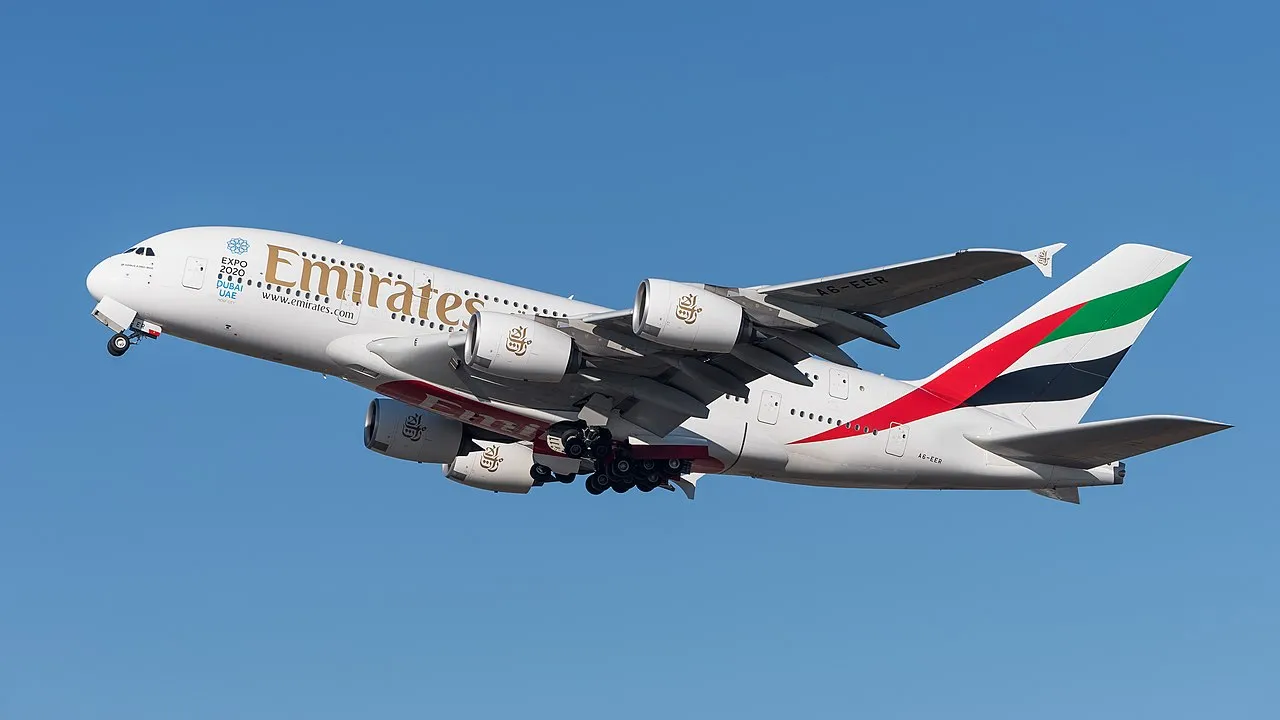
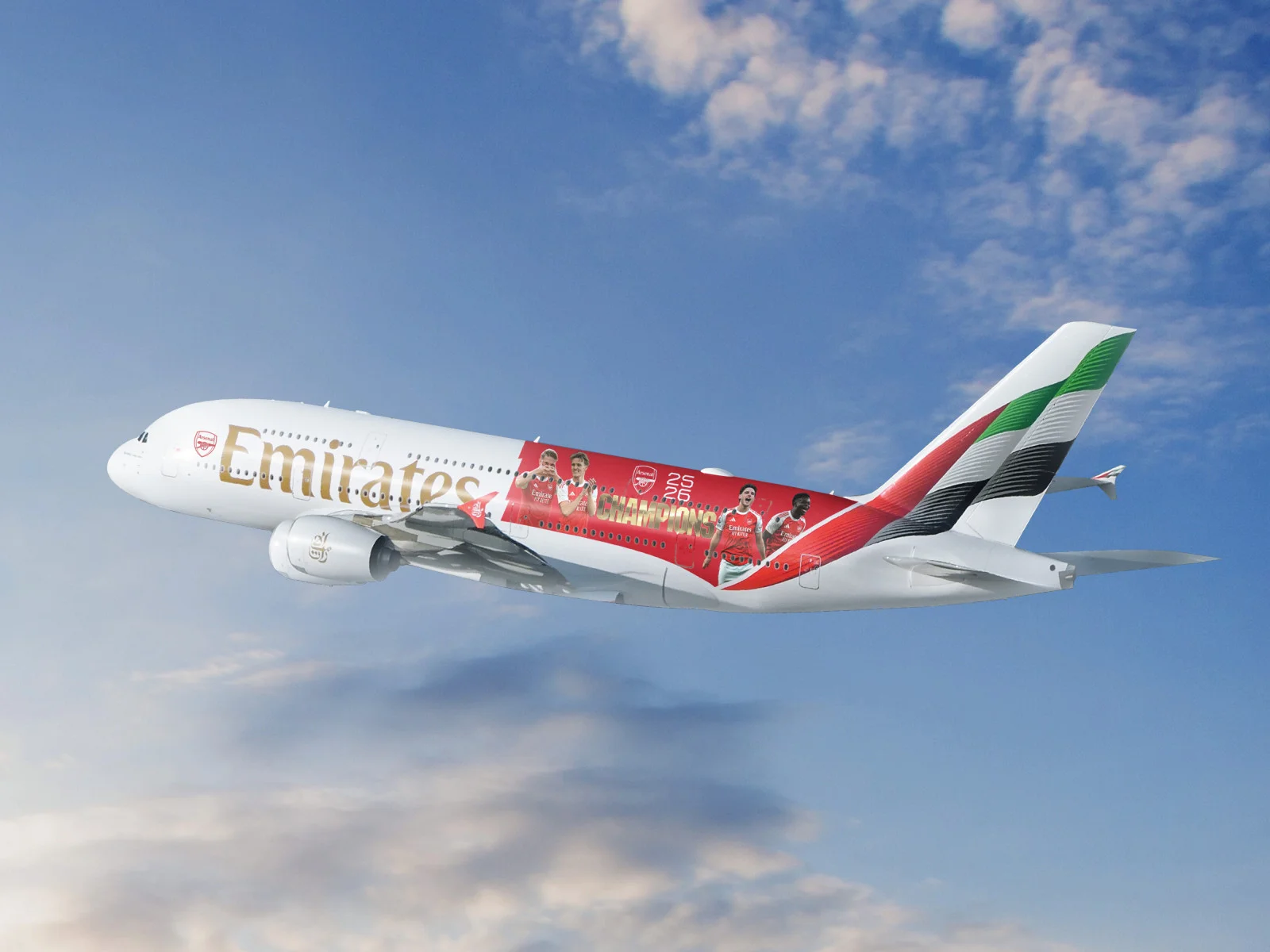
Toronto Pearson International Airport (YYZ) in Toronto experienced significant winter disruption on January 15, 2026, when an Emirates (EK) Airbus A380, operating flight EK241 from Dubai International Airport (DXB), remained on the ground for more than three hours after landing. Despite arriving almost on schedule after a 13-hour and 49-minute journey, the aircraft could not access a gate capable of accommodating the A380 due to persistent snowfall coupled with limited gate availability.

Passengers onboard EK241 were forced to remain in their seats for over three hours before deplaning could occur. The delay highlighted both the operational challenges of handling ultra-large aircraft such as the Airbus A380 during extreme winter conditions and the regulatory responsibilities of airlines and airports to safeguard passenger welfare.
Emirates Airline
| Attribute | Detail |
|---|---|
| Airline | Emirates (EK) |
| Founded | 1985 |
| Headquarters | Dubai, United Arab Emirates |
| Main hubs | Dubai International Airport (DXB) |
| Fleet size | 271 aircraft (as of 2026) |
| Destinations | 157 countries |
| Alliance | None (independent carrier) |
| CEO | Sheikh Ahmed bin Saeed Al Maktoum |
Sources: Emirates press releases, Planespotters.net

Details of the Emirates A380 that Had a 3-Hour Wait After Landing
| Cabin Class | Number of Seats | Layout / Configuration | Seat Dimensions & Features | Notes |
|---|---|---|---|---|
| First Class | 14 | Upper deck, 1-2-1 layout | Row pitch: 86″, Seat width: 22″-28″, Bed length: 75″ | Upper deck suites, privacy screens |
| Business Class | 76 | Upper deck, 1-2-1 layout | Fully-flat bed: 70″-79″ length | Based on Safran SkyLounge, includes storage and window lockers |
| Premium Economy | None | — | — | Not available in this configuration |
| Economy Class | 399 | Main deck, 3-4-3 layout | Row pitch: 32″, Seat width: 19.7″, Seat recline: 4″, 4-way adjustable headrest, retractable bi-fold table | Safran seats, ultra-long-haul configuration |

EK241 Delay and Snow Operations
According to Simple Flying, Toronto had recorded more than 12 cm of snow overnight, triggering airport traffic management initiatives. Snow removal teams worked continuously on runways, taxiways, and aprons, but only two gates at YYZ are equipped to handle an Airbus A380, with a third reserved for emergencies. As a result, passengers on EK241 had to remain onboard for over three hours. Here’s a timeline:
-
3:30 am (DXB local time) – Scheduled departure of Emirates flight EK241 from Dubai International Airport (DXB).
-
4:08 am (DXB local time) – Actual departure, 38 minutes behind schedule.
[Flight follows the Polar Route over the Arctic, then descends across Canada toward Toronto].
-
8:50 am (YYZ local time) – Planned arrival at Toronto Pearson International Airport (YYZ).
-
8:57 am (YYZ local time) – Actual landing, seven minutes behind schedule.
-
Post-landing – Aircraft unable to access a gate due to limited A380-compatible gates and snow operations.
-
12:15 pm (YYZ local time) – Aircraft reaches gate; passengers deplane after a 3-hour and 18-minute wait on board.

According to the same publication, “the returning flight EK242 was also subsequently delayed on departure from Toronto, with the service scheduled to depart at 1:55 pm local time but only leaving the gate at 4:40 pm“, and that the aircraft:
“was expected to arrive at 11:40 am, and is now scheduled to touchdown in the much warmer temperatures of Dubai at 1:27 pm”.

How do Airports Like Toronto handle Snow?
Cold weather can impact the performance and safety of aircraft systems during winter. Airlines conduct regular inspections of:
- Critical Systems
- Hydraulics
- Fuel
- Electrical components
to ensure they are winter-ready. Fuel additives are applied to prevent freezing at high altitudes, maintaining smooth operations even in extreme cold. Additionally, aircraft exteriors are carefully examined for frost-related damage, allowing maintenance teams to address any issues caused by prolonged exposure to low temperatures.
In addition to aircraft, runway and taxiway snow removal is essential to maintain safe airport operations during winter weather. Accumulated snow can prevent aircraft from taking off or landing safely, so airports prepare year-round for snowfall.
Specialized equipment, detailed operational plans, and efficient protocols ensure runways and taxiways remain operational even during heavy snowstorms. The following table gives us an overview of the process involved:
| Aspect | Details |
|---|---|
| Snow Removal Equipment | Plows, sweepers, blowers, brushes used to clear runways, taxiways, and aprons |
| Snow Removal Plan | Comprehensive procedures including equipment allocation, staffing, and snow disposal; coordinated teams clear miles of runway quickly during heavy snow |
| De-icing Chemicals | Glycol-based fluids or sand mixtures applied to prevent ice buildup and maintain proper runway friction |
| Efficient Protocols | Pre-deployment of staff and equipment based on weather forecasts; keeps delays minimal in harsh winter conditions |
| Example Airports | Helsinki, Munich – known for highly efficient winter operations and proactive snow management |