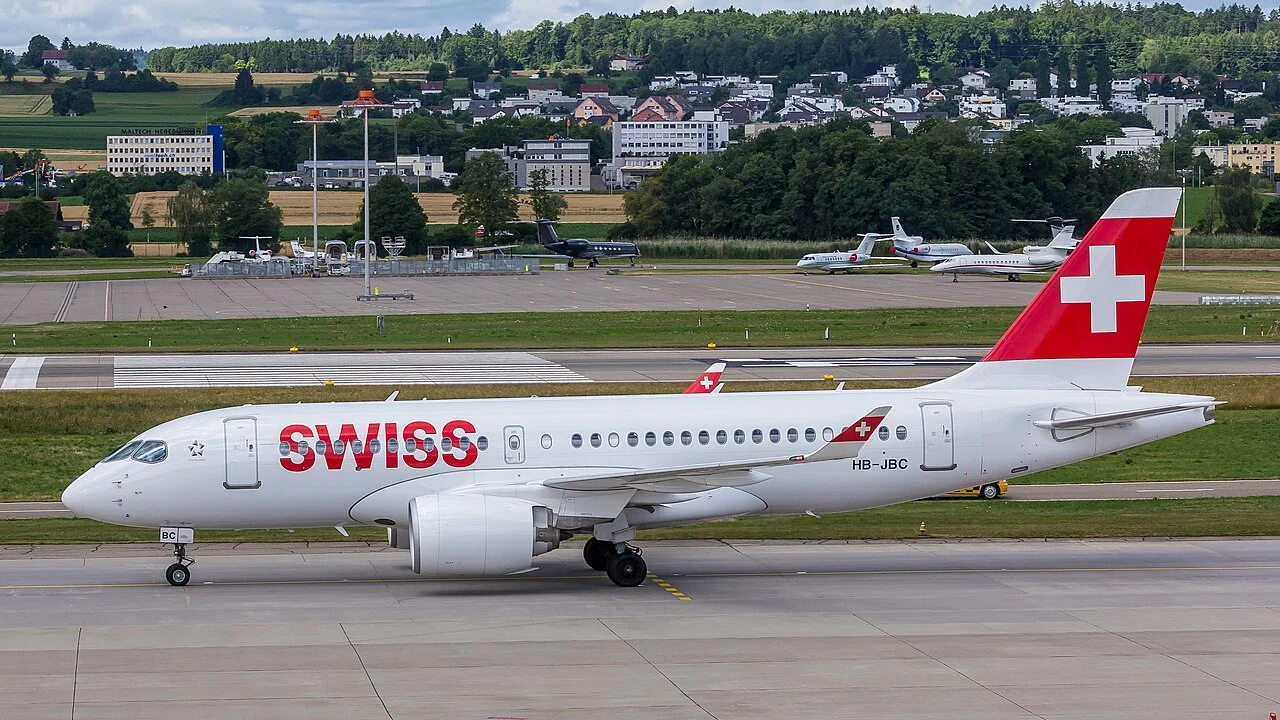
Two Swiss International Air Lines (LX) pilots were pulled from duty in May 2026 after fellow crew members reported them as visibly intoxicated the night before a scheduled flight. The pilots were due to fly an Airbus A220 from Geneva Airport (GVA) to a European destination the following morning. Alcohol tests confirmed the reports, and Swiss removed both men from service at their crew hotel before the flight could begin, according to aeroTELEGRAPH, which first reported the case.
Swiss confirmed the suspension and said it is reviewing further steps, including possible labor-law consequences. The airline, a Lufthansa Group subsidiary and the flag carrier of Switzerland, said its safety systems worked exactly as designed. Replacement pilots operated the flight instead, and no passengers faced any safety risk.
Two Swiss Pilots Failed Alcohol Checks Before A220 Departure
The two pilots spent the evening together at a Geneva crew hotel before their scheduled duty. Observers at the hotel described their condition that night as clearly intoxicated, aeroTELEGRAPH reported, citing people who saw them drinking well past what airline rules allow before a shift.
Other crew members noticed the pilots’ state and reported it to a supervisor rather than staying silent. That report triggered an internal review before either man reached the cockpit. Swiss said the pilots never sat in the flight deck that morning.
How Colleagues Flagged the Intoxicated Crew In Geneva
A Swiss spokesperson told aeroTELEGRAPH that “the signs were concrete enough that we had to doubt the pilots’ fitness for duty.” That statement points to a specific trigger: named colleagues raised a direct concern, rather than a routine or random check catching the pair.
Airline crews across Europe rely on this kind of peer reporting as a frontline safety layer. Swiss said the case shows employees took responsibility and flagged what they saw, and the airline acted immediately once the report reached management, based on the same aeroTELEGRAPH account. Managers then ordered alcohol tests at the hotel rather than waiting until check-in at the airport.
Europe’s Strict Cockpit Alcohol Limit Explains the Suspension
European aviation rules set a firm ceiling on blood alcohol for cockpit crew. This limit exists because even small amounts of alcohol can slow a pilot’s reaction time and judgment during critical phases of flight.
Key facts on the rule, based on 20 Minuten’s reporting:
- Cockpit crew in Europe must stay under a blood alcohol limit of 0.2 per mille.
- That threshold is far below typical road-traffic limits in most European countries.
- The low ceiling accounts for measurement error and residual alcohol from food, leaving almost no room for evening drinking before a duty period.
- Airlines back this legal limit with their own internal policies, which are often stricter in practice.
Swiss test results for the two pilots exceeded what the airline permits, prompting the immediate stand-down. The exact reading has not been made public.
Swiss Airline Response and Possible Labor Consequences
Swiss has not named the two pilots or disclosed their exact assignment that day. A spokesperson said clear and strict rules govern alcohol use for crew members, and staff must not begin or perform duty while under its influence. The airline added that it holds crews to the highest safety standards and tolerates no alcohol abuse.
Swiss confirmed that neither of the two pilots ever entered the flight deck on the morning of the incident. According to the airline, the case demonstrates that its internal safety systems operated exactly as designed.
“Our safety mechanisms are working: employees took responsibility and reported their observations. We acted immediately and applied the established procedures,” the spokesperson said, adding:
Our crew members have clear and strict guidelines regarding alcohol consumption. They are not permitted to begin or perform their duties under the influence of alcohol
The carrier explained that its reporting culture is designed to detect potential issues before they can affect operations.
This safety culture helps the airline “identify and eliminate risks before they impact flight operations,” the spokesperson added.
Swiss also emphasized that flight crews are subject to strict policies on alcohol consumption. The airline reiterated that it maintains the highest standards of flight safety and has a zero-tolerance approach to alcohol abuse.
The pilots remain suspended while Swiss works through the case internally. The airline told aeroTELEGRAPH that labor-law consequences could follow, though it has not specified whether that might include termination. Swiss framed the outcome as proof that internal reporting works, rather than as evidence of a wider cultural problem among its cockpit staff.
What Happens Next for the Suspended Pilots
Swiss has given no timeline for concluding its internal review. The airline typically handles disciplinary cases like this through its own labor process before deciding on reinstatement, further sanctions, or dismissal.
For now, both pilots remain off the flying roster. Swiss has stressed that its reporting culture, not the initial lapse, is the part of this story it wants passengers to notice.