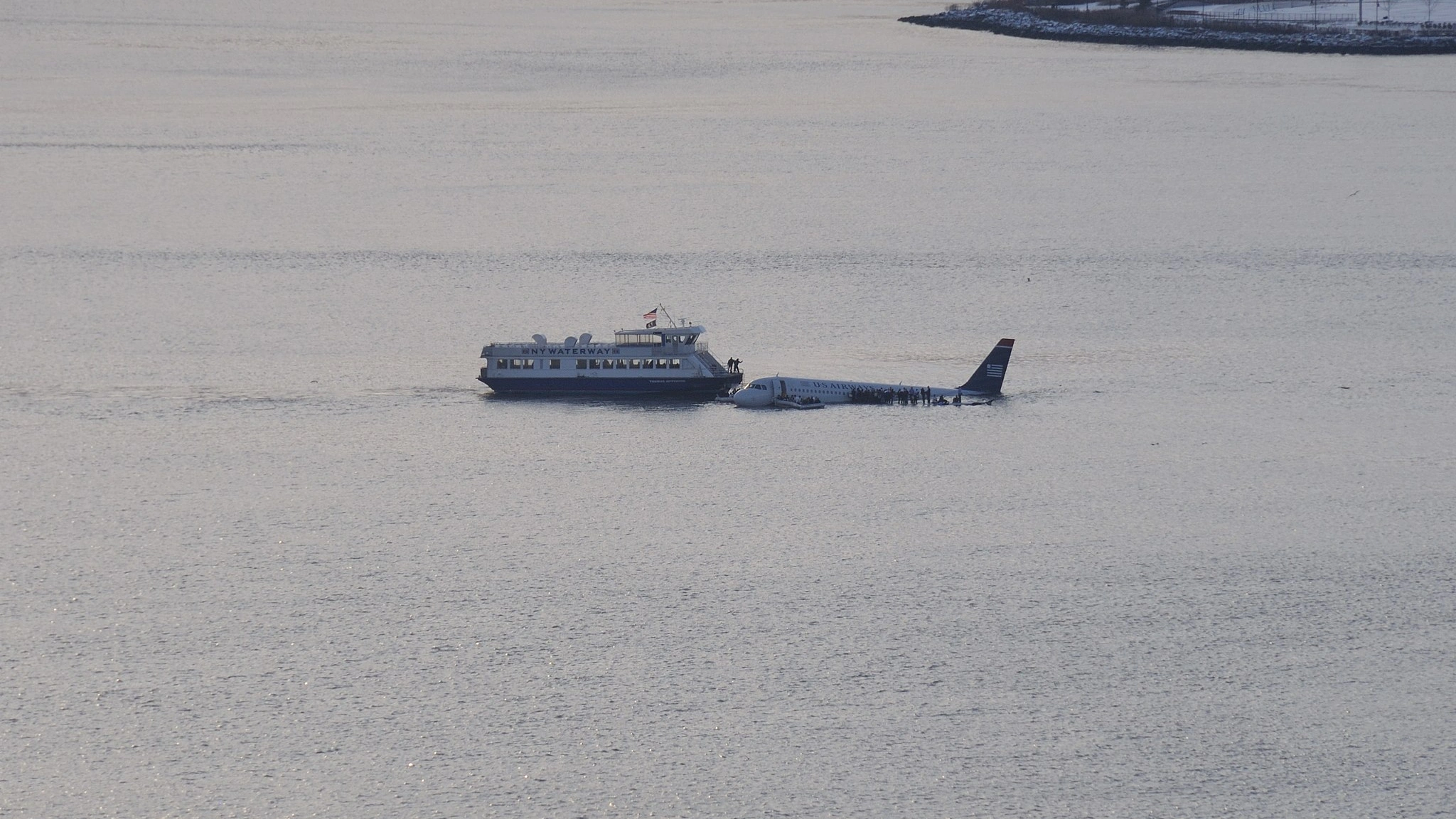
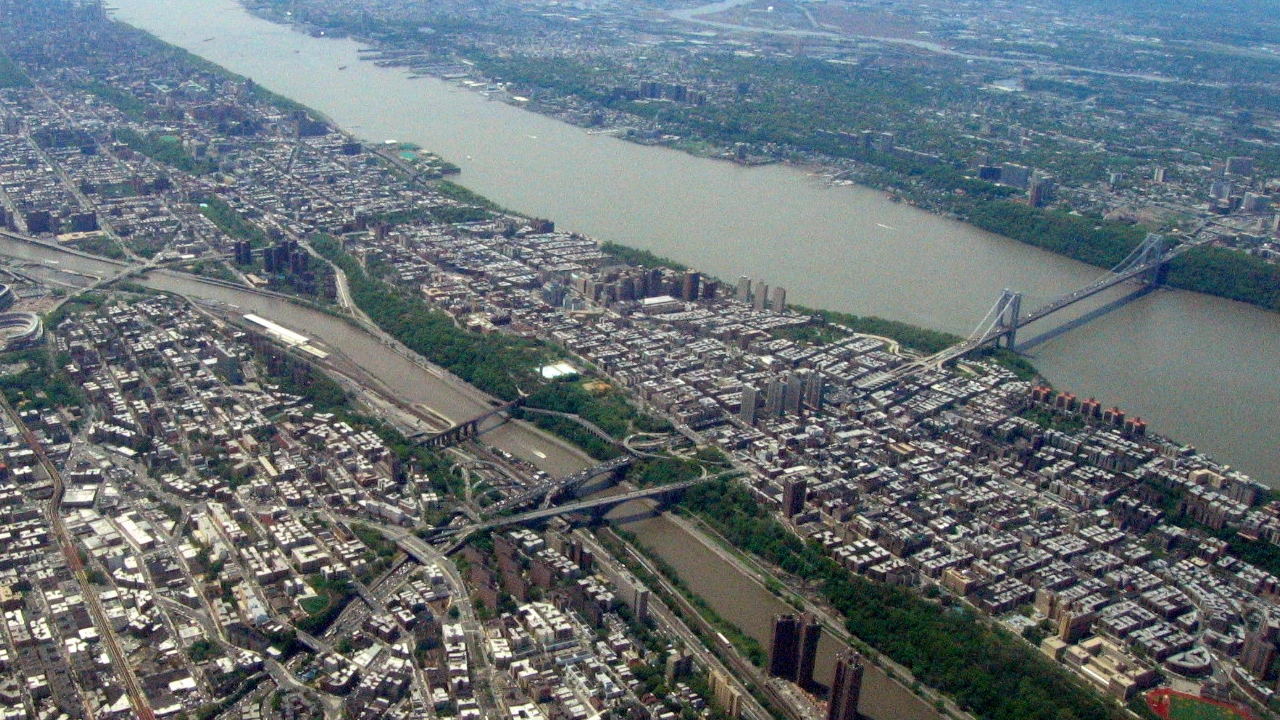
The case of the Airbus A320 that took off from LaGuardia Airport in New York, Runway 04, on January 15, 2009, only to encounter a large flock of birds- several of which were ingested into the jet engines, rendering them unusable – leading the pilot to complete a landing on the river nearby (creating the moniker of “Miracle on the Hudson”) to save everyone on board is one of the most extraordinary tales of bird strikes and an even more extraordinary case of recovery after a dual-engine failure in aviation.
Bird Strike Causes Dual Engine Failure
The flight in question was US Airways Flight 1549, which had the official callsign Cactus 1549. The Airbus A320 involved in the miracle was headed for its second flight of the day. It was also the final leg of a four-day rotation for the crew. The entirety of the sequence of US Airways Flight 1549 was captured in the cockpit voice recorder, with the pre-flight checks included.
Timeline of Hudson River Ditching
The Cockpit Voice recorder revealed that US Airways Flight 1549 had a minor problem with the first officer’s transmission button. Incidentally, despite Jeff Skiles, the first officer being a highly experienced first officer with over 15,000 flight hours, he had clocked less than 50 hours on the A320. A vast reserve of his experience had come from the Fokker 100 and Boeing 737.
Almost two minutes into the flight, Captain Sullenberger shouted the word: “Birds!”, signaling that the aircraft was on a collision course with a flock of of migratory Canada geese, which can weigh as much as twelve pounds. According to Captain Sullenberger:
“They have five- or six-foot wingspans. They struck the airplane along the leading edges of the wings, the nose, and into the center, the core of both jet engines. Jet engines are turbines. They are finely balanced machinery spinning at tens of thousands of revolutions per minute. Having a ten-pound object or two go through each of them, in the center of the engine core, is incredibly damaging and disruptive.”
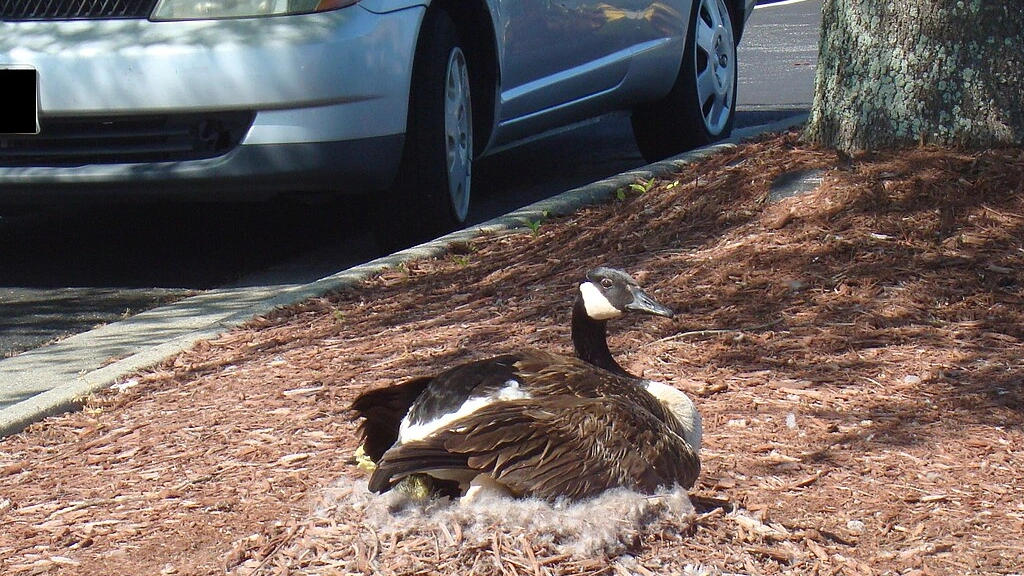
One has to note that the Airbus A320 and the CFM56 engines that were a part of it were certified using birds weighing only two to two and a half pounds.
Events After Engine Flameout of US Airways Flight 1549
There was almost no way for the pilots to assess the extent of the damage as it happened. Jeff Skiles words (immediately after the strike) were, “Uh-oh,”, while Captain Sullenberger, “We have one… no, both engines are rolling back.” This is followed by his words “I’m starting the APU and I have controls.”, just two seconds later. Ten seconds after this, he declared a Mayday (albeit that his Mayday call was partially blocked by another transmission).
One of the more important details that is pertinent to the crash was revealed by Mentour Pilot:
“At the time, US Airways operated A320s configured both for extended over-water operations and for domestic routes only. Aircraft equipped for over-water use carried life vests for all passengers and had emergency slides that could double as life rafts at both forward and aft exits. By sheer luck, this aircraft was one of those equipped for extended over-water operations, despite not being scheduled to fly over water that day.”
Fifteen Unsolved Aviation Mysteries That Still Defy Explanation
Captain Sully’s Critical Decisions and the Role of the APU in the Ditching
Jeffrey Skiles worked to the best of his abilities to use the checklists to restart at least one of the engines, so that the aircraft could fly again and return to a runway. Two minutes after the aircraft’s engines had given way, Captain Chesley Sullenberger picked up the PA microphone and announced, “This is the captain. Brace for impact.”
The flight attendants might have been taken aback as until this time, there had been no direct communication with the cabin crew about the gravity of the situation. Coupled with this is the fact that an announcement such as “Brace for impact”, which, according to Cabin Safety Investigation Guidelines, helps to “pre-position your body against whatever it is most likely to hit during the crash, and thus avoid the secondary impact which could otherwise take place“.
The captain also heard flight attendants giving their commands the passengers: “Brace, brace, brace. Heads down, stay down.” Captain Sullenberger had the following multiple warnings that prompted him to ask the passengers to brace for impact:
- TCAS warnings due to rotorcraft traffic over central New York.
- Ground Proximity Warning System alerts
Captain Sulleneberger revealed during the investigation that he felt as of he was was flying at green-dot speed. Roughly two and a half minutes after the dual-engine failure, First Officer Jeff Skiles reaches a critical assessment: restarting the engines was unlikely. About 20 seconds later, Sullenberger requested for flap extension. Skiles reported an airspeed of 170 knots at an altitude of 250 feet. According to Sullenberger, “without engine thrust, we were using gravity to provide forward motion, descending like a hotel elevator at two floors per second“.
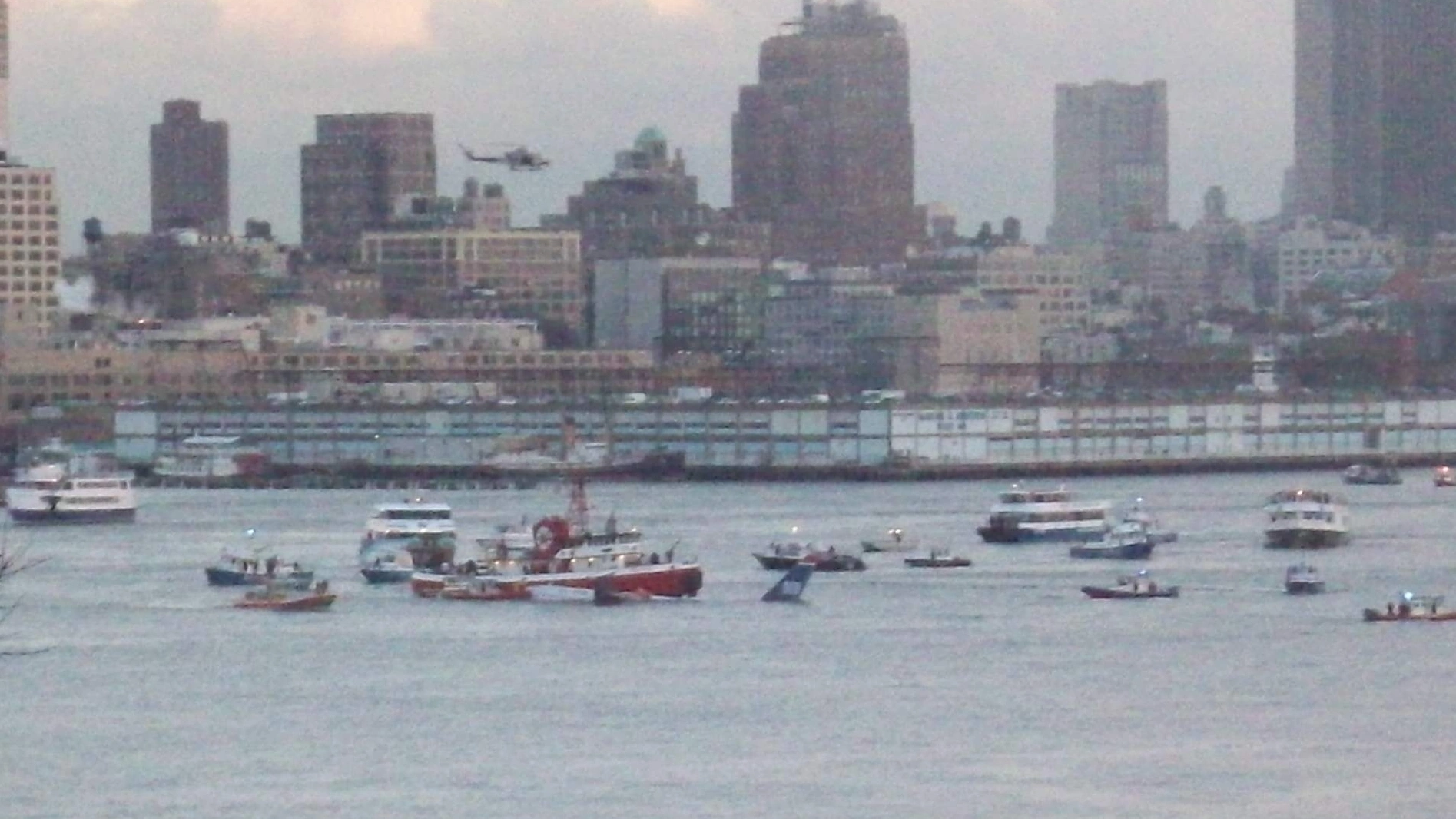
Skiles suggested advancing the thrust levers as a final check. He later confirmed whether the aircraft was configured with flaps two and asked whether further extension is required. Sullenberger decides to maintain flaps two, a choice later scrutinized during the investigation.
| Configuration Option | Operational Impact |
|---|---|
| Flaps 2 | Lower drag, improved nose-up attitude |
| Flaps 3 | Increased drag, steeper descent risk |
Sullenberger explained that flaps three would have increased drag at a critical phase, while flaps two offered a more favorable pitch attitude for water contact. Investigators ultimately supported this judgment.
As the aircraft descends toward the Hudson River, Sullenberger began preparing for the flare maneuver.
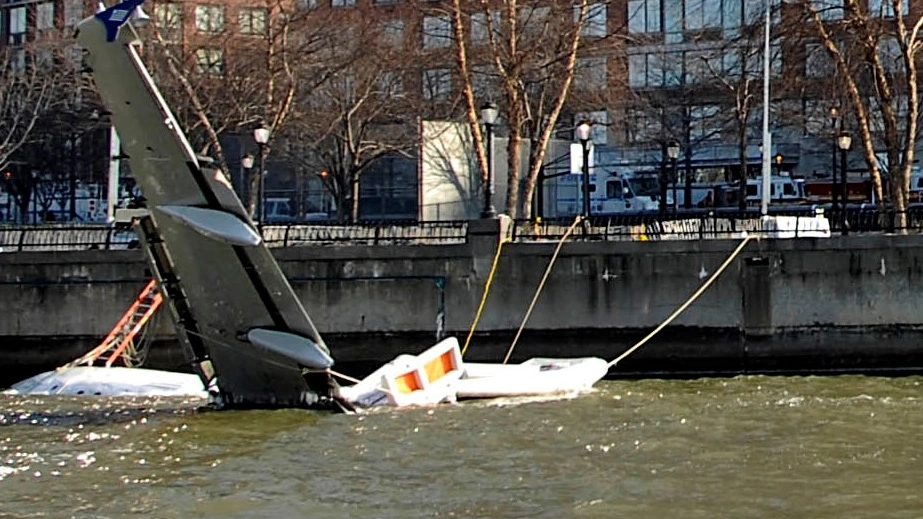
The Auxiliary Power Unit Kicks in
The decision of Captain Sullenberger to deploy the APU was pivotal.
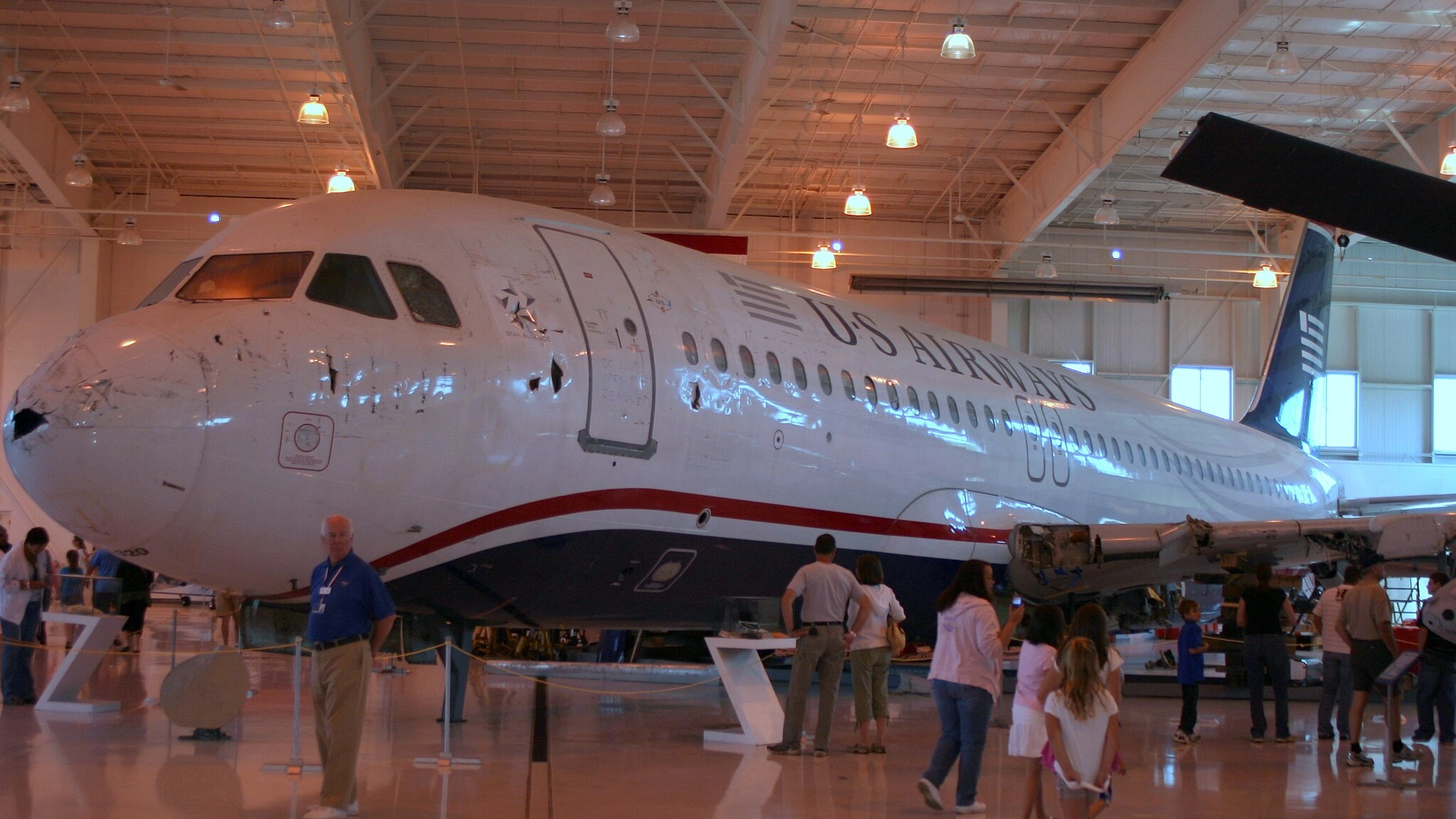
According to Mentour Pilot, in the absence of the APU, the A320 that would later land in the Hudson:
“…would have been powered only by the ram air turbine, placing the aircraft in alternate law. In alternate or direct law, the Airbus A320 loses alpha floor protection. In normal law, the aircraft’s computers prevent a stall even if pilots attempt one. Without this protection, the aircraft would have been far more difficult to control at low speed”.
As Sully approached landing on water, he asked his first officer if he had any ideas. Jeff responded that he did not, signifying that the two had realized that they had not overlooked any options and that in whatever little time they had, they had taken every possible action into consideration.
According to Captain Sullenberger, the vast reserves of experience that his first officer was also seminal to miracle landing:
“Had Jeff not also had 20,000 hours of flying time like I did, had he not been a captain before, and had he not been so experienced, he would not have known either to do that or how to do that. He made important suggestions at several points in the flight. He was silently supporting me as I made each decision, ready to intervene or check my performance if he thought I was making an error.”
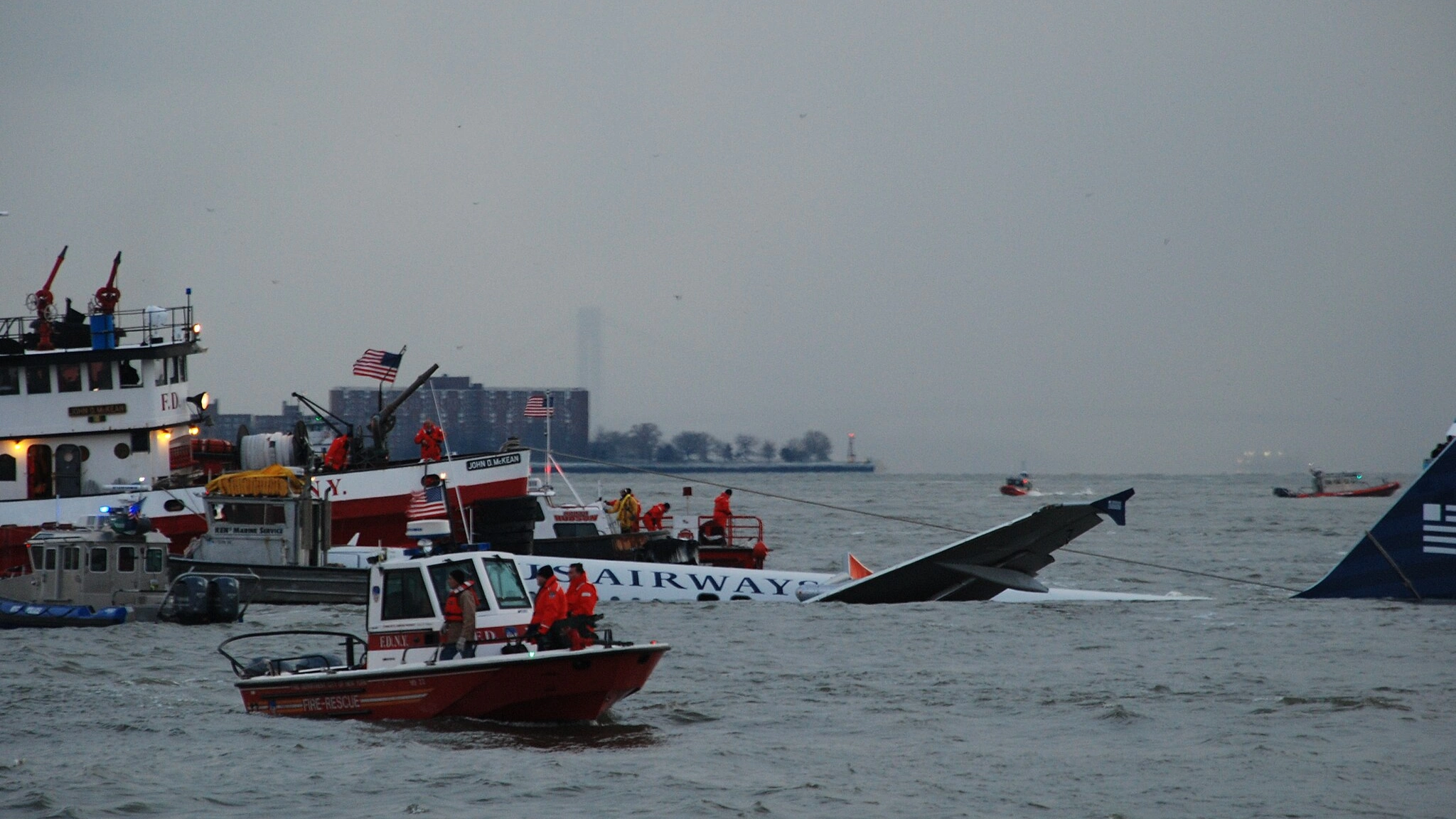
During the final descent, Captain Sullenberger initiated the flare maneuver. However, the aircraft’s low airspeed, combined with alpha floor protection, limited the pitch response. Despite full aft sidestick input, the aircraft did not achieve the intended nose-up attitude and struck the water with significant force. The final cockpit voice recorder entry captured the captain instructing the crew to brace for impact.
Impact Forces and Structural Damage
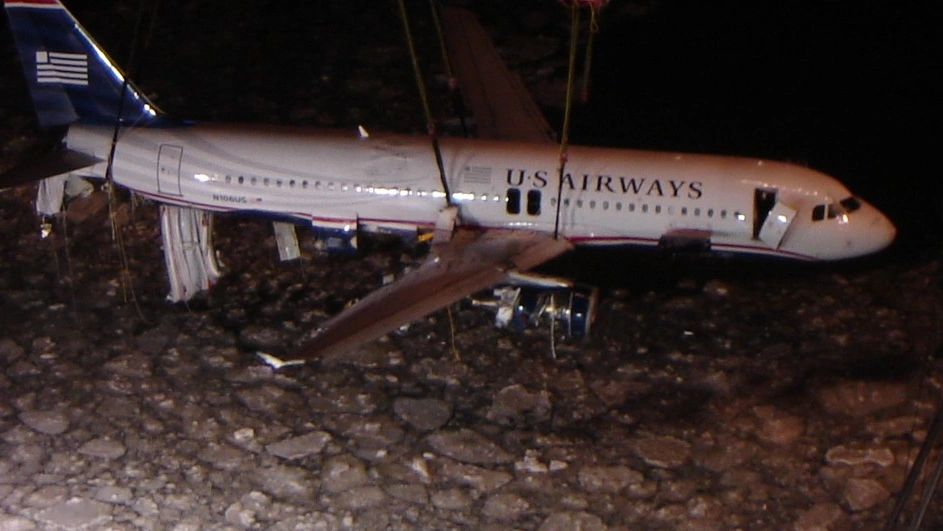
The aircraft contacted the Hudson River at loads exceeding its certified ditching limits. Structural damage was concentrated toward the aft section.
Despite the severity of the impact, the aircraft remained largely intact and came to rest on the water surface.
Damage to the rear fuselage allowed water to enter the cabin, causing the aft section to begin sinking. Although the Airbus A320 was designed to remain afloat long enough to support a full evacuation, the progressive flooding required immediate action by the cabin crew.
Air traffic control rapidly coordinated with the Port Authority, initiating waterborne rescue operations within minutes of the ditching. Multiple vessels reached the aircraft shortly after impact. Proximity of ferries and boats was critical in preventing hypothermia-related fatalities. The rapid response significantly reduced the risk of loss of life.
Tenerife Air Disaster: 5 shocking facts about the deadliest accident in aviation
Evacuation and Crew Response
Evacuation over the wings progressed more slowly than a standard water evacuation, with cabin crew redirecting passengers away from the aft cabin and focusing evacuation efforts on the overwing exits and forward slides. Passengers seated toward the rear were guided forward where possible.
Many passengers remained standing on the wings rather than entering the river, while those who moved forward from the rear cabin used the slide rafts. The available space on the wings and rafts was sufficient to accommodate everyone, and all 150 passengers and five crew members were evacuated without overcrowding.
The flight crew remained uninjured throughout the event. After the aircraft stabilized, Captain Sullenberger and First Officer Skiles conducted a final cabin inspection to confirm that all passengers and cabin crew had evacuated. Only after verifying the aircraft was empty did the pilots exit through the forward doors.



.jpg)


