Flight delays are imposing measurable financial losses on travelers worldwide and despite the fact that the US dropped Biden-era plans for compensating passengers for airline delays, economic consequences for passengers extend beyond inconvenience. Recent analyses indicate that passengers are losing hundreds of dollars per disrupted journey due to cascading travel inefficiencies.
These costs have intensified in the post-pandemic aviation environment, where operational fragility, staffing shortages, and air traffic congestion have increased delay frequency across major hubs in North America and Europe. And with the problems with TSA in the US, passengers have been forced to wait for “aybsmal” hours inside an airport to catch their flights.
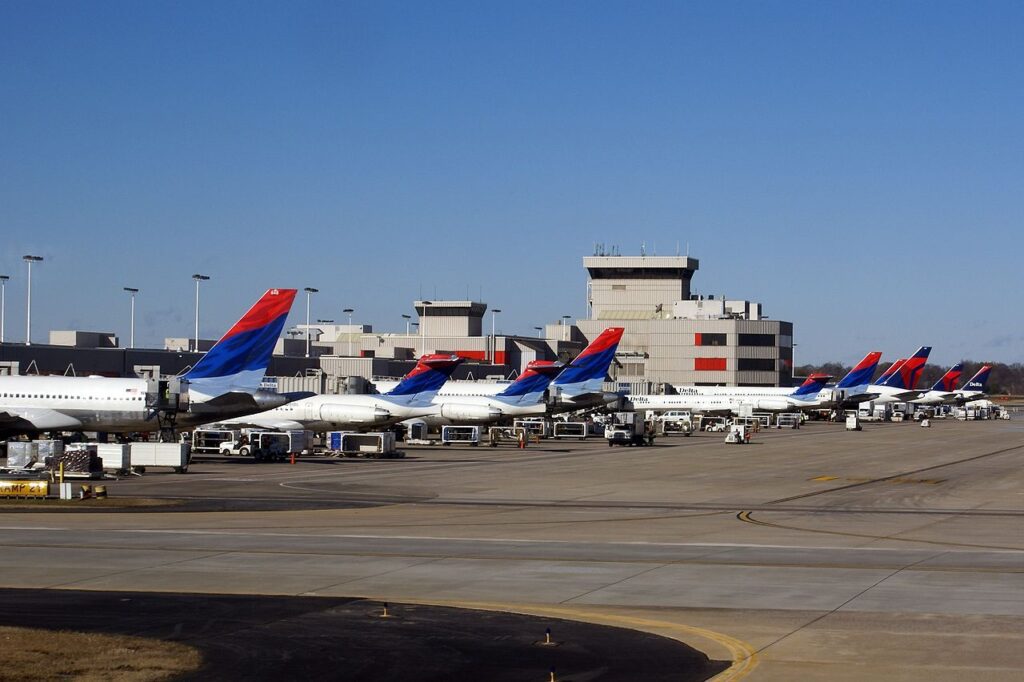
Flight Delays: Cost Breakdown for Passengers
Flight disruptions generate both direct and indirect financial burdens, many of which remain unreimbursed under existing airline policies.
A typical delay can trigger the following expenses:
- Rebooking fees for missed onward connections
- Additional hotel accommodation costs
- Meals and ground transportation expenses
- Lost wages or productivity for business travelers
According to the a large-scale analysis of airline performance in 2025 that examined more than 22 million flights operated between January and November, 41% of flights worldwide arrived even slightly late, by at least one minute:
| Rank | Airline | Flights delayed (≥15 min) |
|---|---|---|
| 1 | Frontier Airlines | 28% |
| 2 (tie) | JetBlue Airways | 25% |
| 2 (tie) | Southwest Airlines | 25% |
| 4 | American Airlines | 24% |
| 5 | Alaska Airlines | 23% |
Data: Travel and Leisure
A report from a global air passenger rights company, AirHelp, cited by Travel + Leisure suggests that “flight disruptions cost passengers an astonishing $484.19 per person on average in 2025”:
AirHelp’s analysis found that 73 percent of passengers report losing money in one form or another when their flights are disrupted, and more than half (52 percent) end up spending additional cash just to manage the situation in the moment.
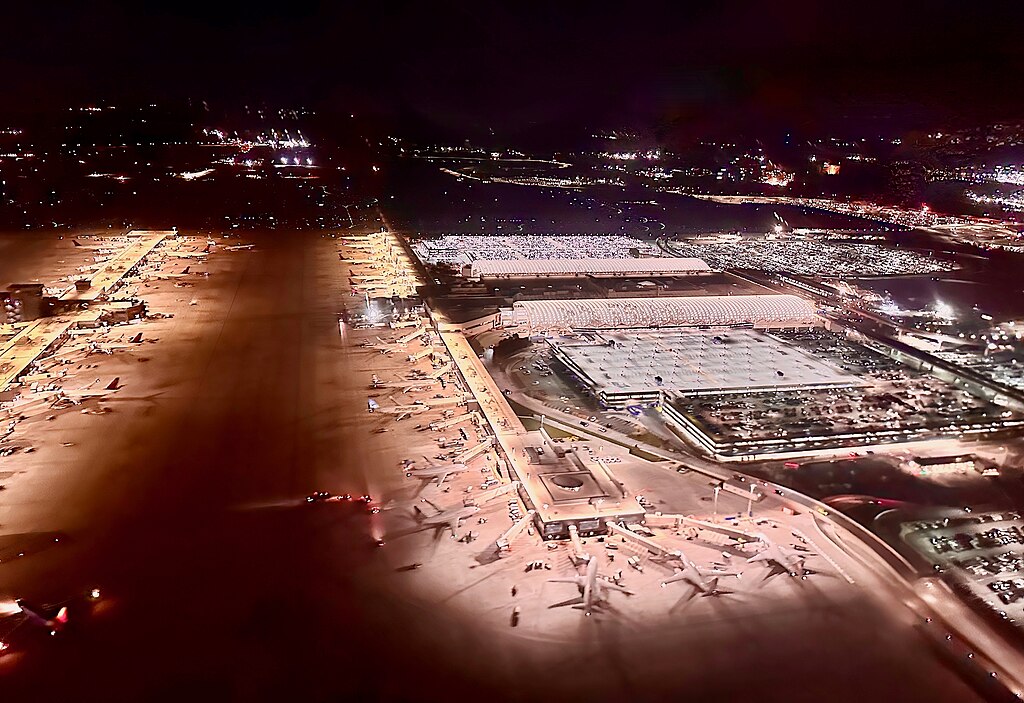
Breaking Down the Hidden Costs of Flight Delays for Passengers
For many travelers, there’s more than just the financial ramifications. In fact, around 72% of passengers report heightened stress and frustration when their journeys are disrupted. About 68% of travelers say they were never informed of their rights during a delay:
- 51% don’t even attempt to claim compensation for related expenses simply because they don’t realize they are eligible.
- 61% of affected passengers end up reaching their destination late, and for more than half, delays stretch beyond two hours.
- Nearly 10% of travelers face disruptions lasting over eight hours, turning what should be routine journeys into prolonged ordeals.
- 73% of passengers experience financial losses when their flights are disrupted
- Over half (52%) are forced to spend extra money to cope with the situation
The following table gives us an idea of the costs realted to the expenses that come about with the
| Category | Cost (USD) |
|---|---|
| Accommodation losses (late arrivals) | $311.87 |
| Missed prepaid excursions | $118.74 |
| Local transportation (trains, rentals, etc.) | $139.40 |
| Airport meals & food expenses | $114.58 |
| Replacement essentials (toiletries, clothing) | $93.72 |
| Last-minute transportation arrangements | $221.33 |
| Estimated baggage value (risk exposure) | $252.95 |
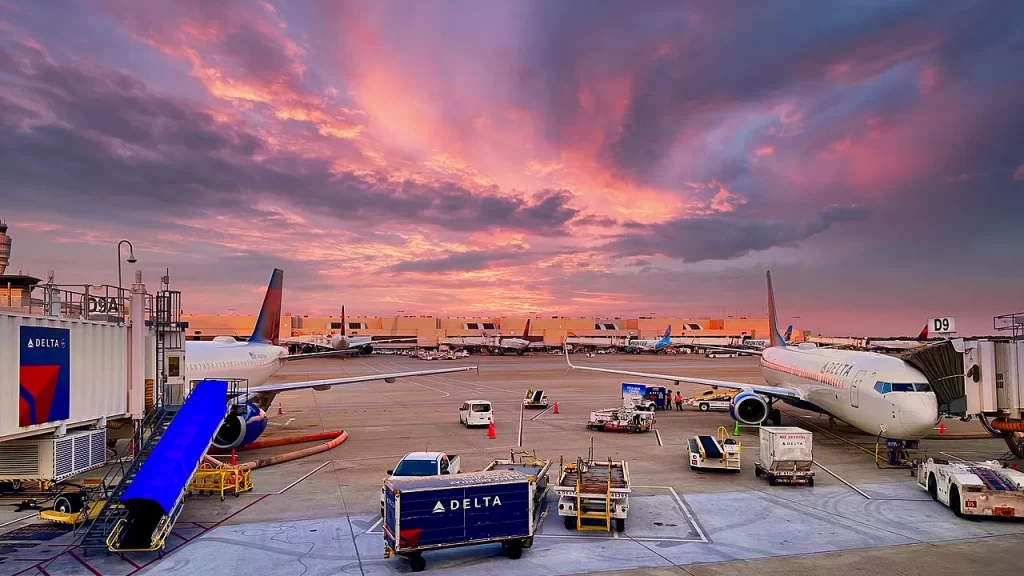
Why Flight Delays are Increasing at Major Hubs
Airports and airlines around the world are plagued with flight delays. Between 2015 and 2024, Air Traffic Flow Management (ATFM) delays in Europe surged by 114%, even though the total number of flights increased by just 6.7% during the same timeframe.
The International Air Transport Association (IATA) has acknowledged that air traffic controller shortages across Europe might have contributed to the delays. Willie Walsh, IATA’s Director General, said that despite Airlines and travelers being promised “a Single European Sky that would cut delays and reduce fuel burn through more efficient navigation and routes.“, passengers have seen delays more than double:
While Eurocrats debate ways to increase the burden of EU261 passenger compensation, the root cause of much of the delay suffered by travelers—air traffic control—escapes without action or censure. And Europe’s connectivity and competitiveness suffer from schedules that must accommodate ATC inefficiency. It is completely unacceptable
In IATA’s report, the following statistic pertaining to delays were quoted:
| Category | Data |
|---|---|
| Total delayed flights (2015–Oct 2025) | 7.2 million |
| Delays ≤ 30 minutes | 6.4 million flights |
| Delays ≥ 30 minutes | 700,000 flights |
| Total delay minutes (2024) | 30.4 million minutes |
| Total delay minutes (2015) | 14.2 million minutes |
| Growth in delay minutes (2015–2024) | +114% |
| Peak delay period (2024) | 38% in July–August |
| Delays caused by staffing & capacity (2024) | 87% of ANSP delays |
| Growth in staffing-related delays (since 2015) | +201.7% |
| Delays due to strikes / industrial action | 8.8% of ANSP delays |
| Total delay minutes from ATC strikes (2015–2025) | 9.8 million minutes |
Additional contributing factors include:
- Aircraft turnaround inefficiencies
- Crew scheduling constraints
- Increased airspace congestion
- Aging airport infrastructure in high-traffic regions
These systemic pressures have created a compounding effect, where minor delays escalate into network-wide disruptions.
Airline Compensation Policies and Limitations of Passenger Rights
Despite the financial impact, compensation frameworks remain inconsistent across jurisdictions.
In the United States, airlines are not legally required to compensate passengers for delays unless explicitly stated in their customer service plans.
In contrast, the European Union enforces EU261 regulations, which mandate compensation for delays exceeding three hours under certain conditions (European Commission EU261).
Comparison of compensation frameworks
| Region | Compensation Requirement | Typical Coverage |
|---|---|---|
| United States | Limited | Airline-specific policies |
| European Union | Mandatory (EU261) | €250–€600 depending on distance |
| United Kingdom | Similar to EU261 | Fixed compensation tiers |
This disparity leaves many U.S.-based travelers financially exposed during disruptions.
Hidden Economic Impact of Missed Connections and Schedule Disruptions
Missed connections represent one of the most financially damaging consequences of delays.
Passengers on multi-leg itineraries often face:
- Full forfeiture of subsequent tickets
- Emergency rebooking at higher last-minute fares
- Additional overnight stays
According to AirHelp, “travelers report losing an average of $484.19 in earnings—an often overlooked consequence of disruptions that can ripple far beyond the airport.”:
Accommodation costs also add up quickly, with travelers losing an average of $311.87. Additional expenses pile on through local transportation—such as trains or rental cars—which averages $139.40, while nearly $118.74 is lost on prepaid excursions. Travelers also estimate the value of their baggage and its contents at $252.95, representing yet another potential financial hit tied to disruptions.