Cathay Pacific (CX), which announced that the carrier’s employees would receive over 6.2 weeks of pay in 2025, has long been regarded as one of Asia’s premier full-service airlines, with a strong reputation for premium service, long-haul connectivity, and a globally significant cargo division. Emerging from the pandemic years, the airline is now navigating a complex recovery shaped by geopolitical tensions, volatile fuel prices, and resurgent travel demand.
The airline’s financial rebound has been notable. In 2026, Cathay reported a 9.5% rise in annual net profit to HK$10.8 billion, supported by a 26.5% increase in passenger numbers and resilient cargo demand. This marks its third consecutive year of profitability after pandemic-era losses.
At the center of this recovery is CEO Ronald Lam, whose leadership—and compensation—reflects both the airline’s improving financial health and the growing complexity of running a global carrier in uncertain times.
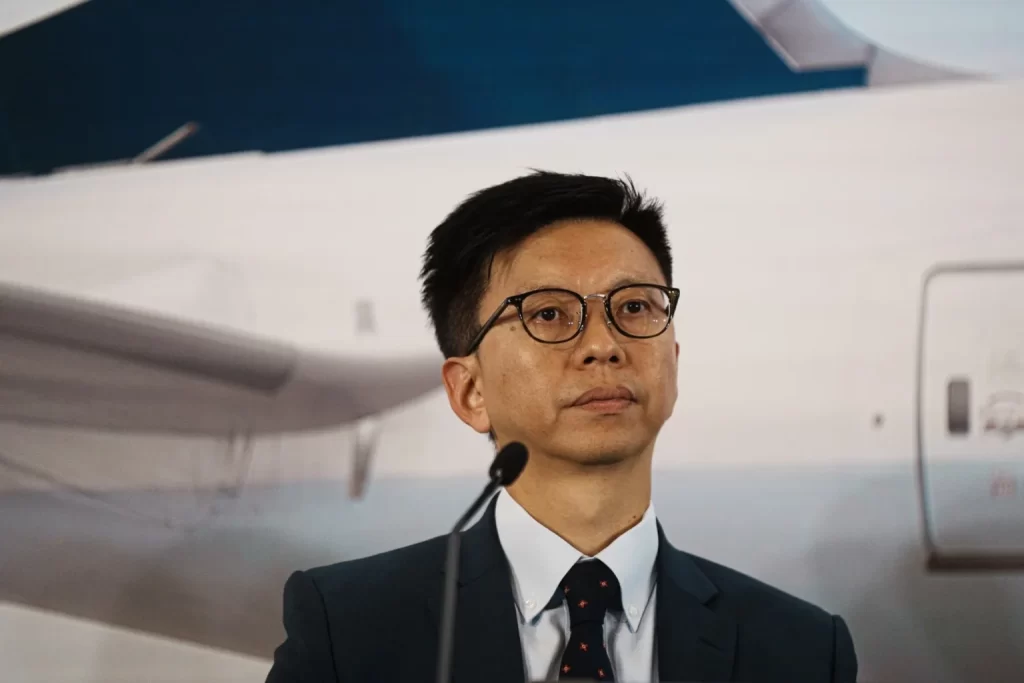
Who Is Ronald Lam? A Commercial Strategist at the Helm
Ronald Lam assumed the role of CEO in January 2023, bringing with him decades of experience within the Swire Group and Cathay Pacific itself. Unlike many airline leaders with operational or pilot backgrounds, Lam’s expertise lies in commercial strategy, revenue optimization, and network planning.
His leadership began during one of the airline’s most challenging periods. In earlier remarks, Lam acknowledged that rebuilding capacity and profitability post-pandemic would be among Cathay’s “biggest risks,” particularly due to industry-wide staffing and operational constraints .
Since then, his approach has been defined by:
- A focus on restoring long-haul connectivity
- Strengthening premium offerings
- Driving profitability through disciplined capacity growth
This commercially driven strategy has helped guide Cathay from survival mode into a phase of measured expansion.
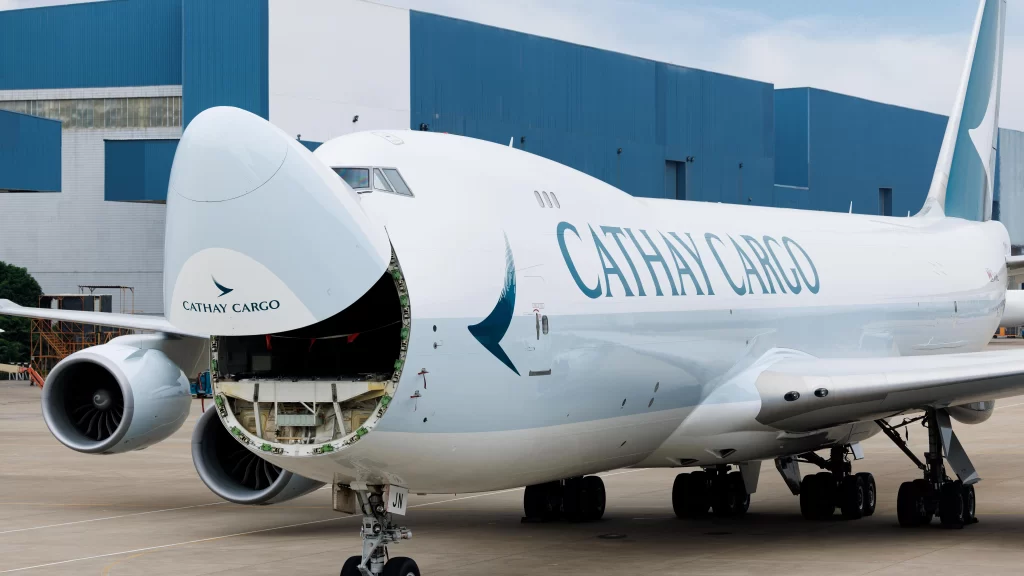
Cathay Pacific’s Financial Recovery: Growth Amid Headwinds
Cathay’s recovery is not happening in a vacuum. The airline is simultaneously benefiting from strong travel demand while facing significant external pressures.
Passenger demand continues to surge, especially on long-haul routes to Europe, North America, and Australia. The airline plans to increase passenger capacity by 10% in 2026 despite ongoing disruptions. Its network now spans over 100 global destinations.
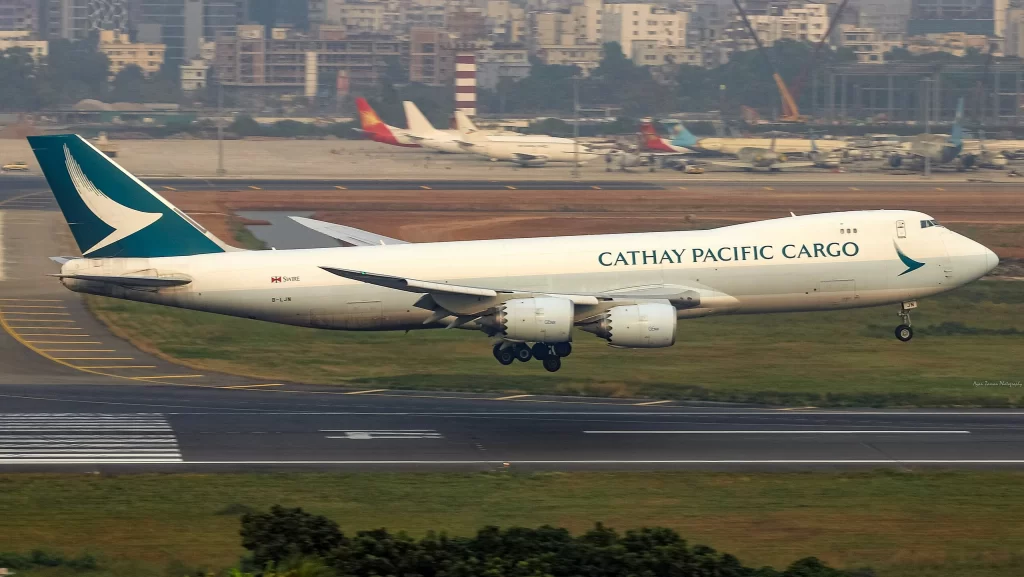
Cargo remains a crucial pillar of Cathay’s business. The airline has continued to benefit from strong e-commerce demand and logistics flows, helping stabilize revenues even during volatile passenger cycles.
Amid the rising geopolitical tension such as the Iran war that caused multiple flight cancelations, Cathay Group CEO Ronald Lam Siu-por emphasized that the Cathay’s strategy of diversification would help it remain adaptable for passengers. As tensions between China and Japan intensify, both HK Express and Cathay Pacific have distinguished themselves by providing flexible options for travelers impacted by the evolving situation in the region.
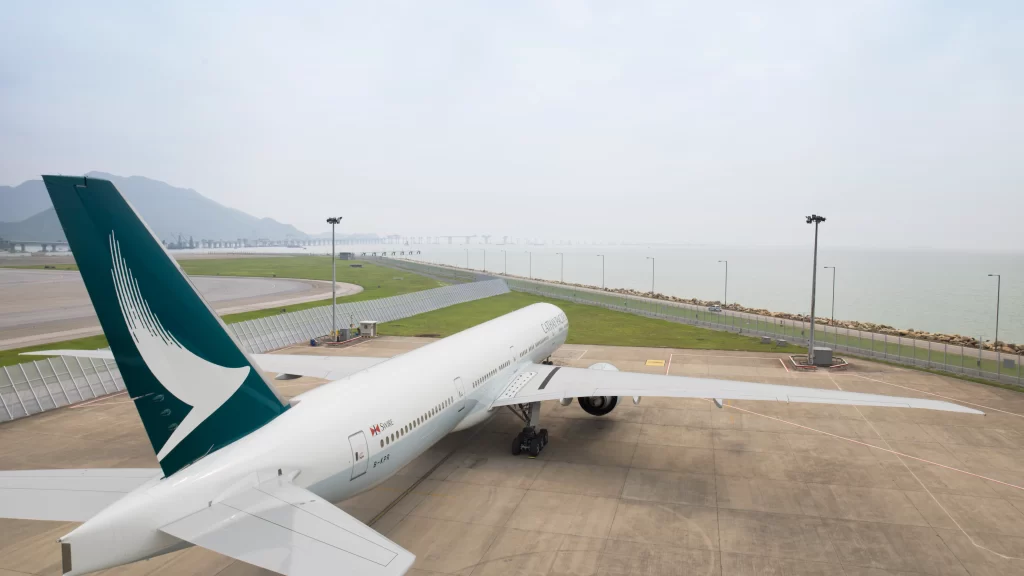
Cathay’s Rising Costs and Operational Pressure
Despite Cathay’s recovery, there are various things that are affecting the airline industry:
- Jet fuel prices have nearly doubled to around $197 per barrel, significantly impacting airline costs
- Fuel accounted for roughly 30% of Cathay’s operating costs in 2025
- The airline has responded by raising fuel surcharges by 34% and even cutting some flights temporarily
This dual reality—strong demand but rising costs—defines the environment in which Lam operates. After Iran War, Reuters reported the following numbers related to Cathay Pacific’s financial data:
| Category | Economic Data |
|---|---|
| Net Profit | HK$10.8 billion |
| Profit Growth | +9.5% year-on-year |
| Revenue Growth | +11.9% |
| Passenger Revenue Growth | +15.8% |
| Total Revenue Driver | Strong passenger + cargo demand |
| Cargo Revenue | HK$24.3 billion |
| Cargo Growth | +1.2% |
| Passenger Numbers | 28.9 million passengers |
| Passenger Growth | +26.5% |
| Load Factor | 85.2% |
| Dividend Payout | HK$0.84 per share |
| Total Dividend Payout | HK$5.23 billion |
| Dividend Growth | +21.7% |
| Fuel Cost Pressure | Jet fuel prices roughly doubled |
| Fuel Hedging | ~30% hedged at ~$70/barrel (Brent-based) |
| Fuel Surcharge Outlook | Expected increase due to higher jet fuel prices |
| Capacity Growth (2026 forecast) | +10% passenger capacity |
| Capacity Growth (2025 actual) | +26% passenger capacity |
| Stock Reaction | Shares rose +4% after results |
| Low-cost Unit (HK Express) | Loss of HK$996 million |
| HK Express Change YoY | Wider loss vs HK$204 million prior year |
Ronald Lam’s 2026 Compensation Breakdown
Cathay Pacific follows a typical Hong Kong-listed company compensation model, combining fixed salary with performance-linked incentives.
Based on recent disclosures and trends, Lam’s estimated 2026 compensation includes:
- Base Salary: HKD 4–5 million
- Annual Bonus: HKD 6–8 million
- Long-Term Incentives: HKD 6–8 million
- Benefits & Pension: HKD 1–1.5 million
Estimated Total:
➡️ HKD 17–22 million (US$2.2–2.8 million)
This represents a clear increase from earlier figures. In 2024, Lam’s compensation rose to approximately HKD 14.15 million after a 35% increase, sparking criticism from pilot unions over widening pay disparities .
A significant portion of Lam’s compensation is performance-based, meaning payouts depend heavily on:
- Profitability
- Operational efficiency
- Strategic execution
This aligns executive rewards closely with shareholder outcomes and recovery milestones.
How Lam Compares to Other Asian Airline CEOs
To understand Lam’s compensation, it’s useful to place it in a regional context.
Singapore Airlines
At Singapore Airlines (SQ), CEO Goh Choon Phong heads one of the world’s most profitable and strongly premium-positioned carriers. His total compensation for 2026 is estimated at roughly SGD 9–11 million (about US$6.5–7.9 million), placing it well above the pay level of Cathay Pacific’s CEO. This gap largely reflects Singapore Airlines’ superior profitability, consistently high operating margins, and entrenched luxury-oriented brand strategy.
All Nippon Airways (ANA)
In contrast, All Nippon Airways (ANA) CEO Shinichi Inoue receives a more restrained compensation package, estimated at around JPY 350–450 million (approximately US$2.3–3.0 million) in 2026. This comparatively lower level is shaped by Japan’s corporate governance culture, which generally keeps executive remuneration more conservative than that of many global airline peers.
Where Lam Stands
Lam’s pay sits in the middle of the spectrum:
- Lower than top-tier performers like Singapore Airlines
- Comparable to Japanese carriers with restrained pay structures
This positioning reflects Cathay’s status as a recovering—but not yet peak-performing—premium airline.
Strategic Priorities Shaping Executive Pay
Lam’s compensation is deeply tied to Cathay Pacific’s strategic priorities, which in 2026 include:
Network Rebuilding
Cathay is restoring long-haul routes and increasing frequencies on high-demand corridors, particularly between Asia, Europe, and North America. The carrier added 12% more flights to Australia and New Zealand in 2026.
Fleet Modernisation
The airline has over 100 aircraft on order, including Airbus and Boeing jets, as part of a long-term efficiency and growth strategy. These include:
- 65 Airbus passenger and cargo jets
- 35 Boeing 777-9 widebody jets.
Premium Product Investment, Stability and Cost Management
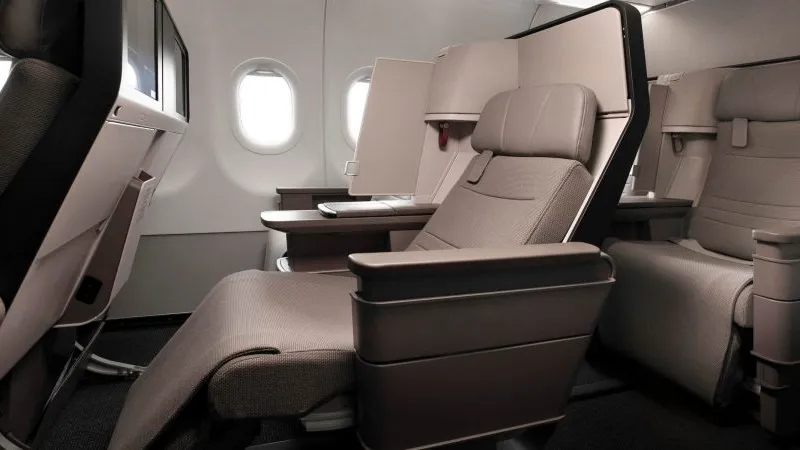
Upgraded business-class cabins and enhanced customer experience are central to maintaining Cathay’s premium brand positioning. The carrier has some of the best economy class seats for long-haul flights.
Improving punctuality and reducing disruptions remain key goals for Cathay, especially as the airline scales capacity. With fuel prices volatile and geopolitical risks (a notable example was Korean budget carriers cutting down routes due to the conflict in The Middle East), managing costs is critical to sustaining profitability, at a time when India’s biggest carrier, IndiGo, has increased its fuel surcharges.
All in All
Ronald Lam’s estimated HKD 17–22 million compensation in 2026 reflects more than just executive pay—it represents the broader story of Cathay Pacific’s recovery.
Lam’s performance-linked pay structure ensures that his earnings rise only if Cathay continues to:
- Expand profitably
- Stabilize operations
- Strengthen its global position
Frequently Asked Questions
What is Ronald Lam’s salary in 2026?
His estimated total compensation is HKD 17–22 million annually, depending on performance-linked incentives.
Why is his pay lower than Singapore Airlines’ CEO?
Because Singapore Airlines generates higher margins and profitability, enabling larger executive compensation packages.
Can his salary increase further?
Yes. Continued improvements in profitability, network expansion, and operational efficiency could drive higher incentive-based earnings in the future.