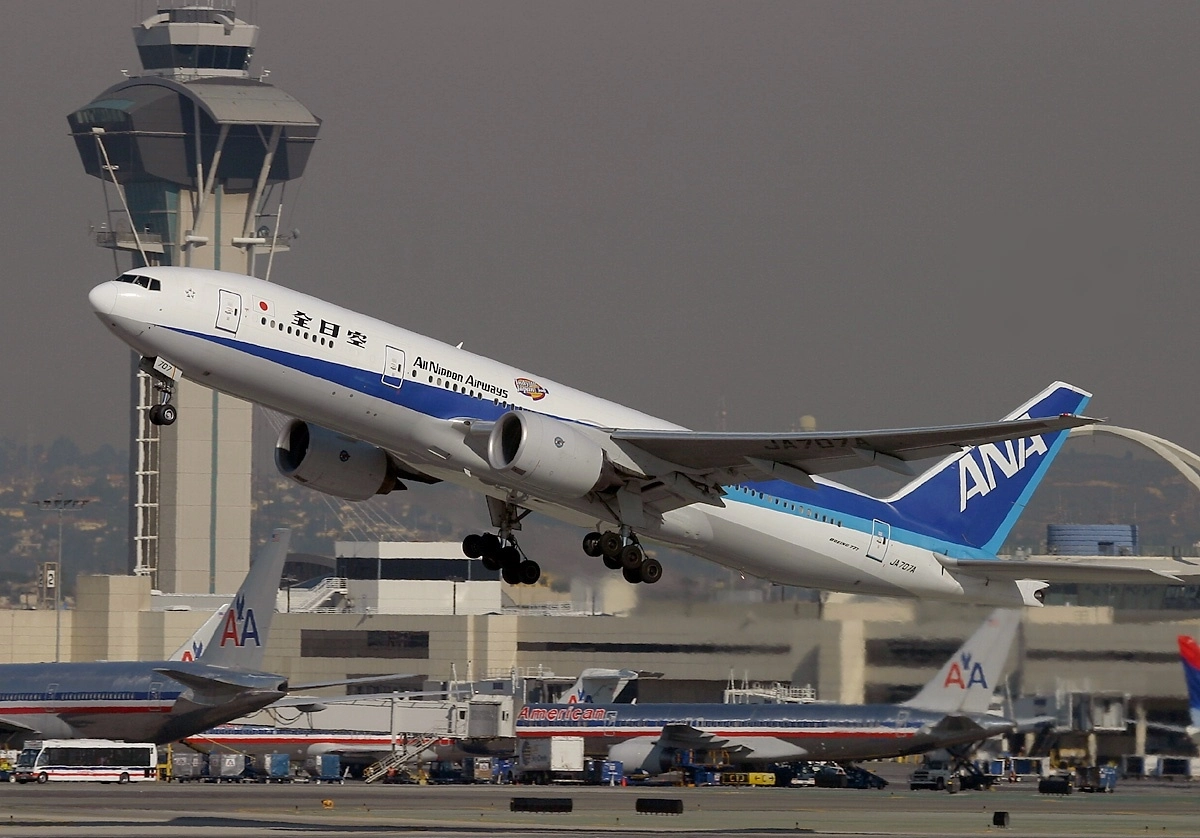
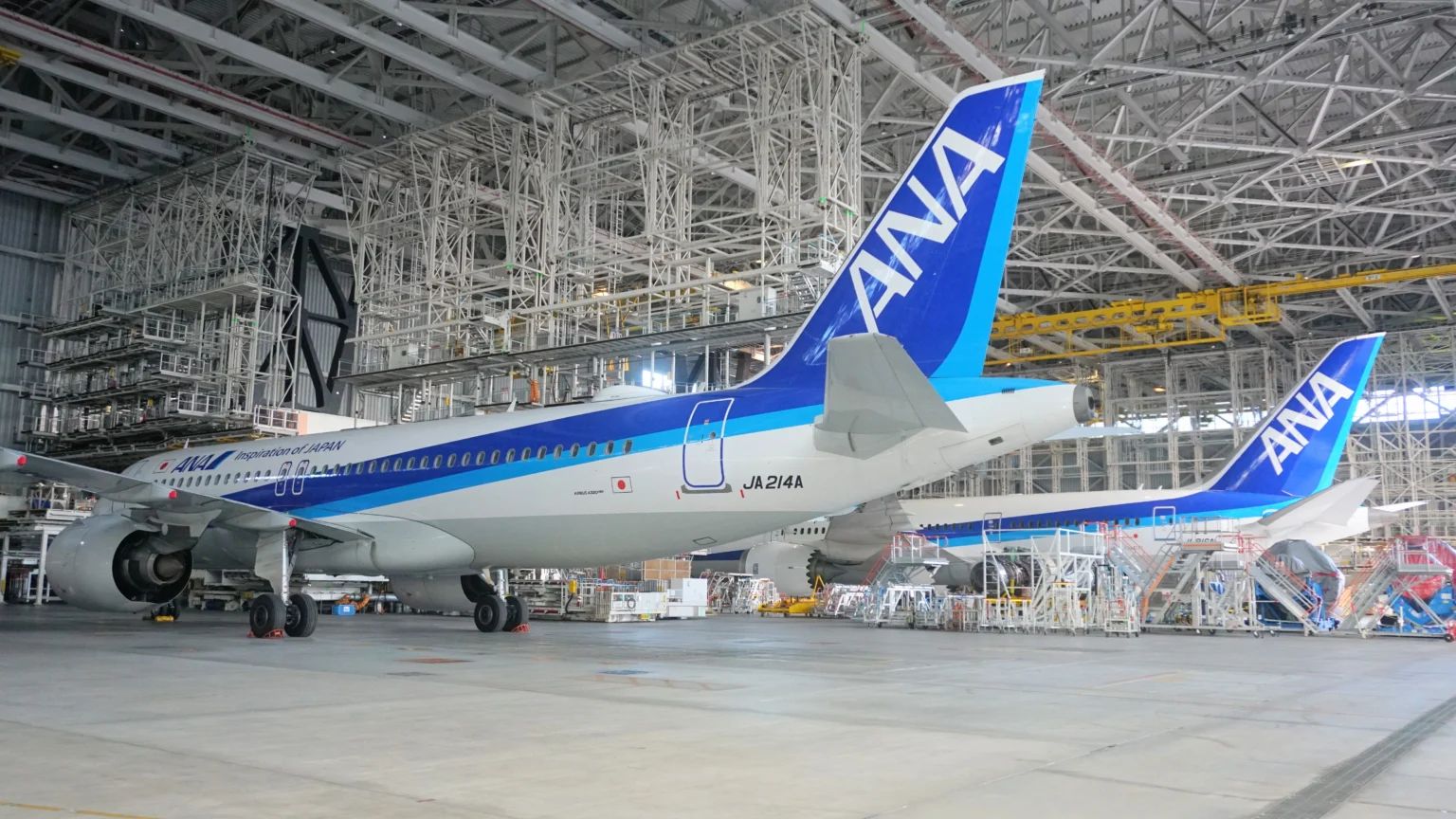
The Australian Competition and Consumer Commission (ACCC) issued a draft determination on July 24, 2026, proposing to authorise a joint venture between Singapore Airlines (SQ) and All Nippon Airways Co Ltd (NH), Japan’s largest carrier. The two airlines lodged their application, numbered AA1000716, on March 5, 2026, seeking permission to coordinate pricing, scheduling, and revenue-sharing on routes linking Japan with Australia, Singapore, India, Indonesia, and Malaysia. The ACCC has also granted interim authorisation, letting the airlines begin planning, though not yet implementing, their coordination while the review continues.
The proposed deal stems from a Joint Venture Agreement the two airlines signed on April 17, 2025. If the ACCC’s draft view becomes final, the authorisation would run for five years and would reshape how Singapore Airlines and All Nippon Airways compete, or stop competing, on some of the busiest air corridors between Australia and North Asia.
What Singapore Airlines and ANA Want to Coordinate
The application splits the airlines’ plans into two tiers. In what the ACCC calls the Approved Markets, covering Japan and each of Singapore, Australia, India, Indonesia, and Malaysia, the airlines seek authorisation for their full range of coordination.
The proposed conduct in these markets includes:
- Sharing revenue on routes between Australia and Japan, covering both direct All Nippon Airways flights and one-stop Singapore Airlines services routed through Singapore
- Coordinating route planning and scheduling on trunk routes, and aligning schedules between trunk routes and feeder routes where practical
- Coordinating pricing and sales across joint venture routes
- Coordinating joint sales and marketing activity
A second, broader tier covers what the ACCC calls Priority Markets, additional countries across Asia and Africa. In this tier, and across the Approved Markets too, the airlines want to align airport operations, customer service, and information technology systems, including matching up passenger and baggage policies.
Why The Airlines Say the Deal Benefits Travelers
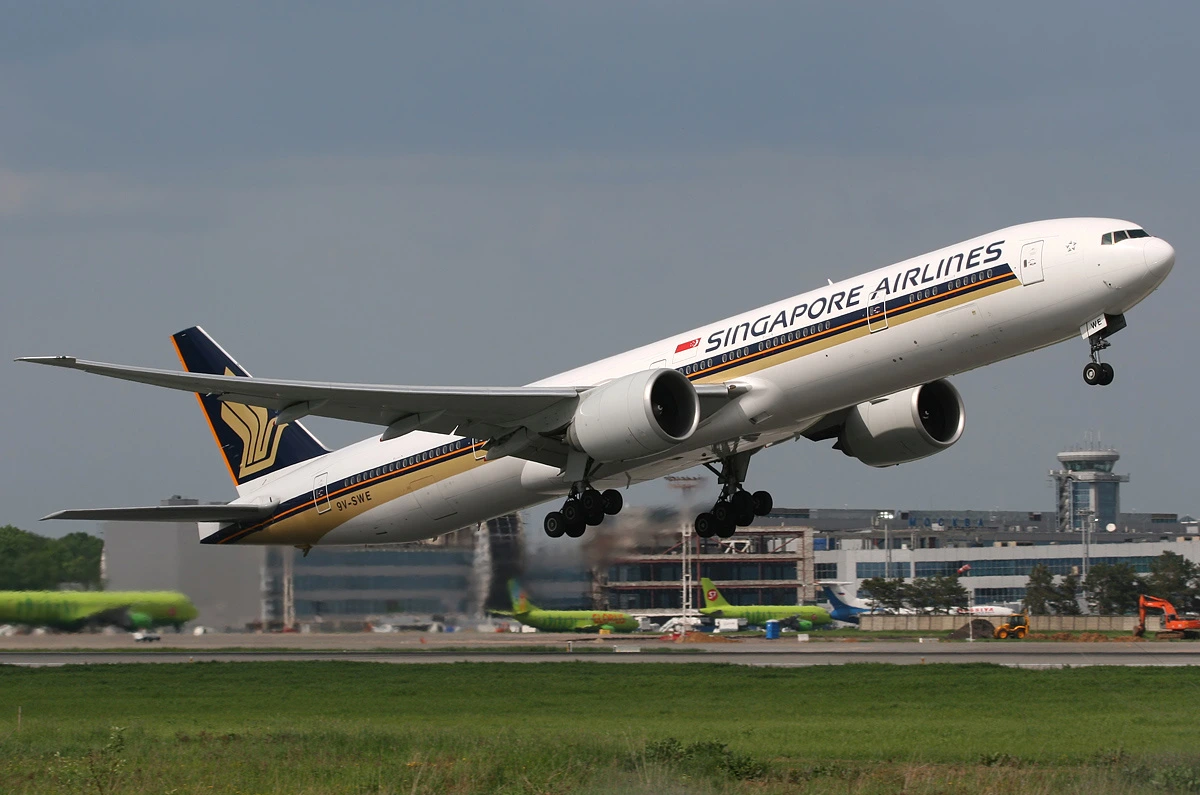
Singapore Airlines and All Nippon Airways frame the joint venture as a way to widen their combined network reach. Singapore Airlines offers strong connections through its Changi Airport hub across Southeast Asia and onward to Australia, while All Nippon Airways brings deep domestic and regional coverage across Japan through its Tokyo hubs. Coordinating the two networks would let passengers book connecting itineraries that neither airline could offer as effectively alone.
The airlines also argue that shared scheduling and joint pricing let them respond faster to demand shifts on Australia-Japan routes, rather than each carrier planning capacity in isolation. Whether the ACCC ultimately accepts that these benefits outweigh the loss of independent competition between the two airlines will depend on the submissions still to come.
Review Timeline: From Lodgement to Draft Determination
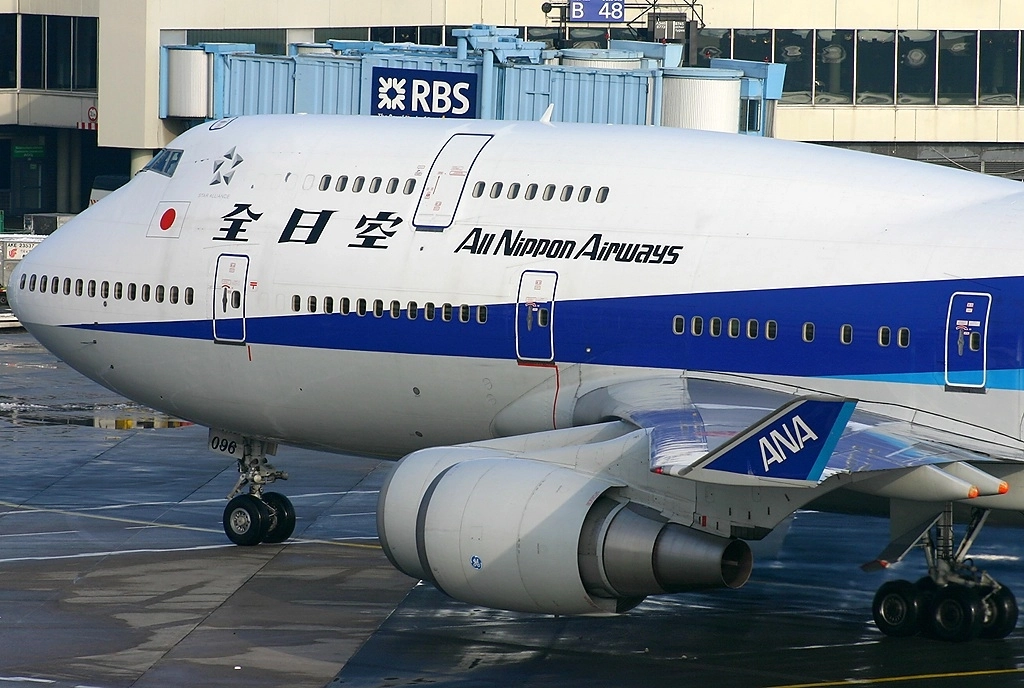
The ACCC opened its public consultation process on March 20, 2026, and set April 15, 2026, as the deadline for interested parties to lodge submissions on the original application. Two submissions arrived in that window: one from the Australian Travel Industry Association on April 24, 2026, and another from Japan Airlines on April 23, 2026, a rival carrier with an obvious commercial interest in how the ACCC treats a competitor’s alliance. The applicants then filed a response to those submissions on May 18, 2026.
The ACCC’s own indicative timetable had flagged July 2026 for a draft determination, and the regulator met that window with its July 24 announcement. Interested parties now have until August 7, 2026, to make submissions responding to the draft determination itself, before the ACCC works toward a final determination expected later in 2026.
How This Compares with Qantas’ Own Japan Alliance Bid
The Singapore Airlines-All Nippon Airways case is not the first time the ACCC has weighed an airline alliance covering Australia-Japan routes, and the regulator’s history here has not always favoured applicants. In 2021, Qantas Airways (QF) and Japan Airlines Co Ltd applied to coordinate their own operations between the two countries. The ACCC’s draft determination in that case reached a starkly different conclusion, finding that the proposed coordination would likely produce significant public detriments by eliminating competition between the two carriers.
The regulator’s reasoning centred on route concentration. Before the COVID-19 pandemic, Qantas and Japan Airlines were the only two airlines flying direct between Melbourne and Tokyo, and on the Sydney-Tokyo route they were two of just three direct operators, with All Nippon Airways as the third. The ACCC concluded that letting Qantas and Japan Airlines coordinate would give the pair greater ability and incentive to hold back capacity growth, pushing airfares higher on both routes.
Singapore Airlines’ Wider Pattern Of ACCC-Authorised Partnerships
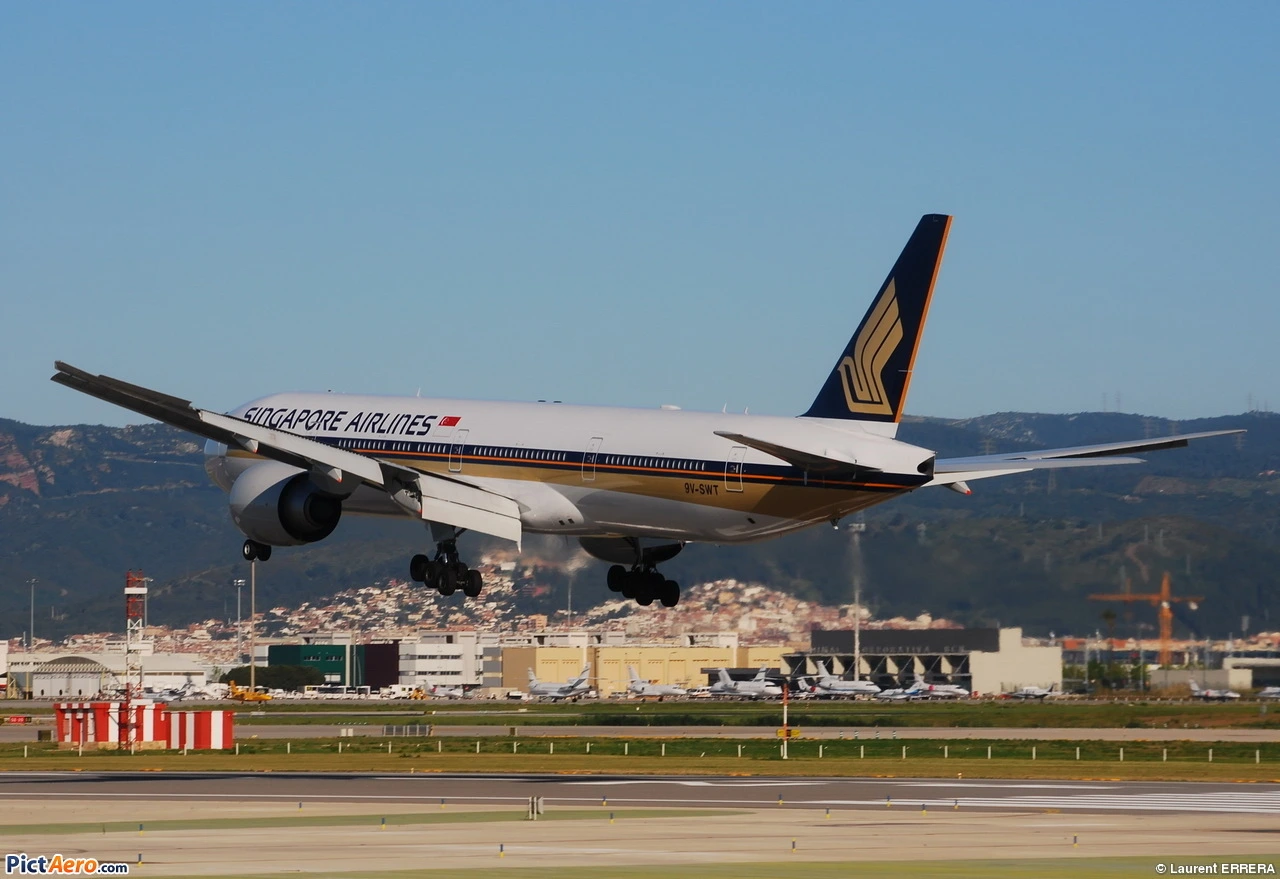
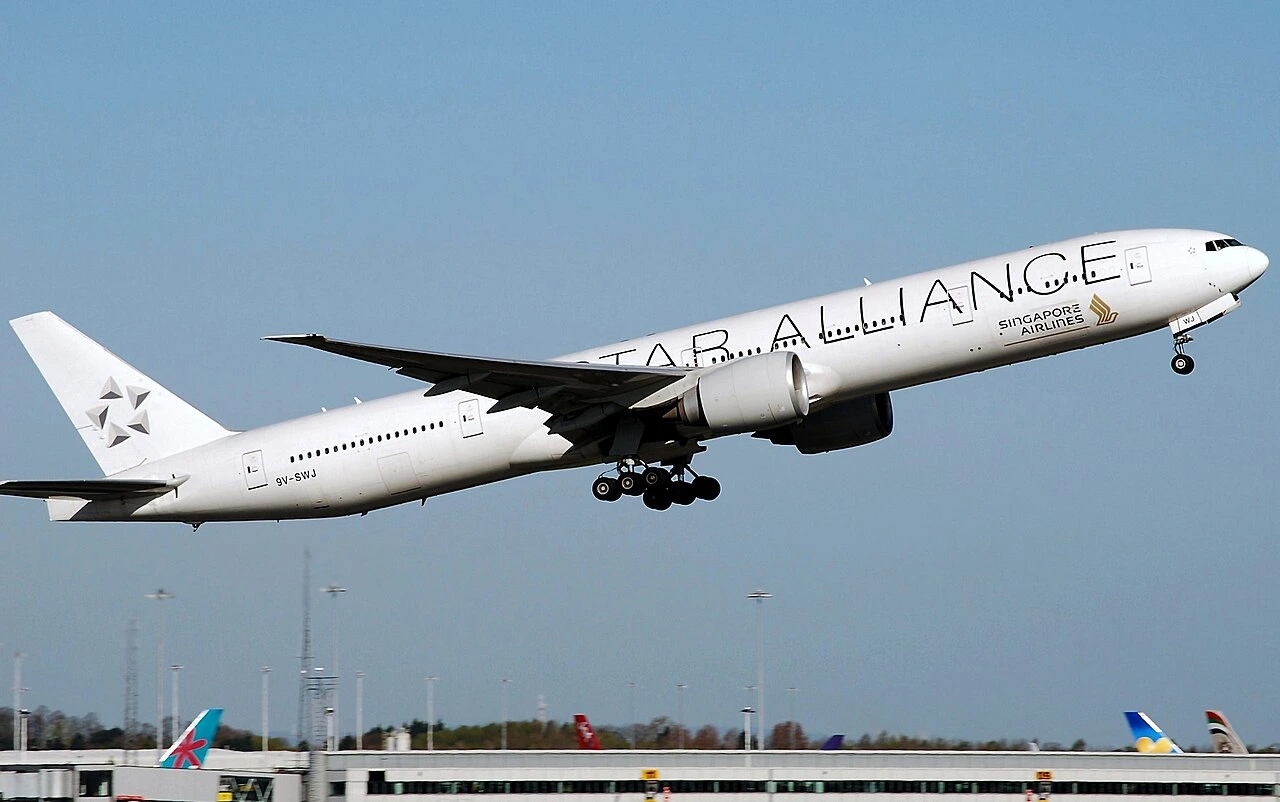
This is not Singapore Airlines’ first joint venture authorisation in Australia. The airline holds a separate, long-running authorised partnership with Deutsche Lufthansa AG, most recently re-authorised by the ACCC in February 2022 through to March 2027, covering coordination between Singapore Airlines’ home markets and Lufthansa’s home markets in Europe.
Taken together, the Lufthansa arrangement and the proposed All Nippon Airways deal would give Singapore Airlines ACCC-sanctioned coordination stretching from Europe through to North Asia, layered on top of its existing Star Alliance membership alongside All Nippon Airways.
Both airlines already cooperate informally as Star Alliance partners, but a formal joint venture authorisation would let them go further, sharing revenue and setting joint pricing in a way ordinary alliance membership does not permit under Australian competition law.
What Happens Next
The ACCC’s decision remains provisional. Submissions on the draft determination close on August 7, 2026, and the regulator can still adjust its position based on what interested parties, including rival airlines and travel industry groups, raise in that window.
If the final determination mirrors the draft, Singapore Airlines and All Nippon Airways would gain a five-year framework to coordinate pricing, scheduling, and revenue on Australia-Japan routes starting once the ACCC issues its final decision.


_JP426840.jpg)
_9V-SWT_-_MSN_34585_759_(3506740315).jpg)
.jpg)