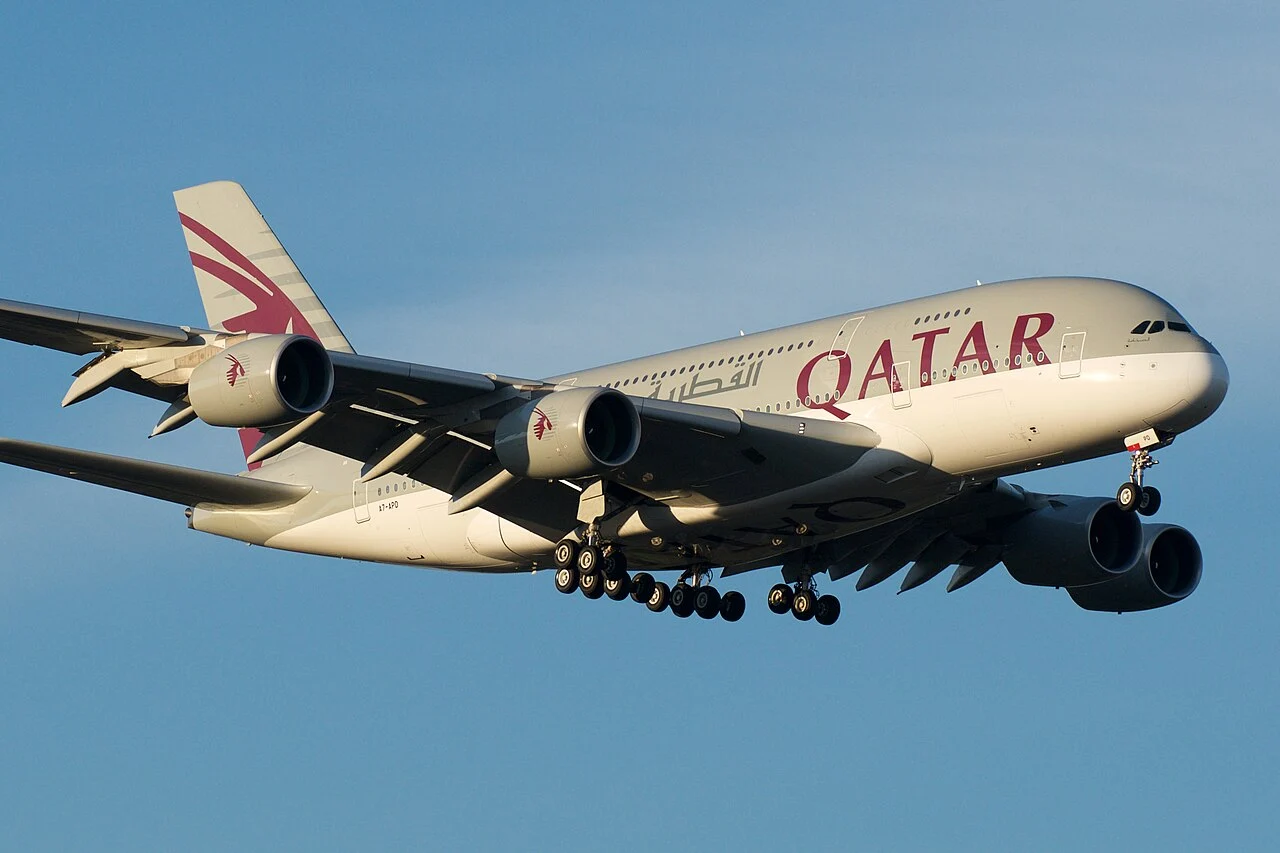
Qatar Airways (QR) will reintroduce Airbus A380 (which is one of the five biggest planes ever made) operations on select high-density routes from June 16, 2026, deploying the aircraft on services between Hamad International Airport (DOH) and both Suvarnabhumi Airport (BKK) and London Heathrow Airport (LHR), AeroRoutes reported.
The airline intends to operate two daily A380 flights on each route, restoring the superjumbo to regular service after a prolonged period of dormancy.
Qatar Airways A380 Routes 2026
Qatar Airways will deploy the Airbus A380 on four daily rotations across its Doha–Bangkok and Doha–London networks. The Bangkok operation will include flights QR834/835 and QR836/837, while the London Heathrow service will see QR011/006, QR103/104, and QR003/004 operated by the aircraft.
These routes represent some of the airline’s most commercially significant sectors, where premium demand and transit traffic remain consistently high. Heathrow, which has shown hints that it might get its third runway, in particular, presents acute slot limitations, making higher-capacity aircraft a practical solution for maintaining growth without increasing frequencies.
Industry reporting from outlets such as Reuters has previously noted that airlines are increasingly reactivating large aircraft such as the Airbus A380 to address capacity bottlenecks at constrained hubs. In this context, Qatar Airways’ A380 deployment aligns with broader global network optimization trends.
Doha London Heathrow Capacity Strategy
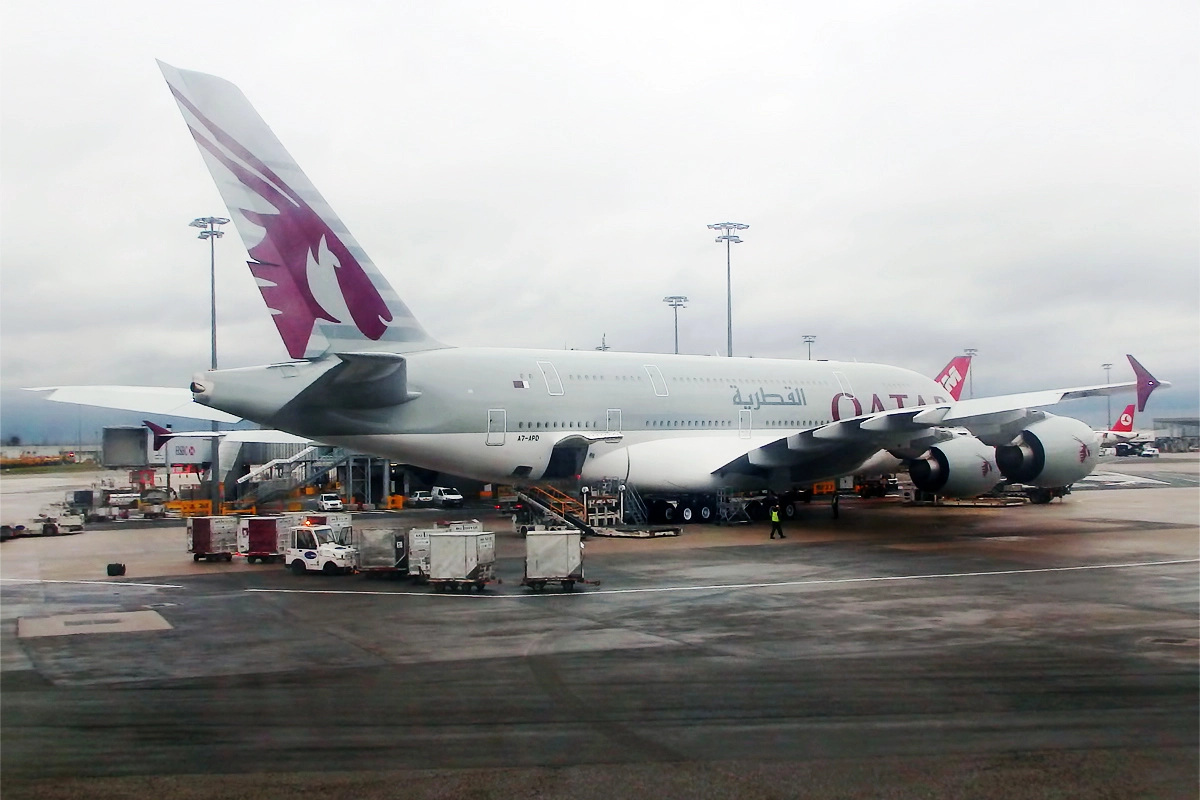
The reinstatement of the A380 on the Doha–London corridor signals a deliberate effort to consolidate capacity on one of the airline’s flagship routes. Heathrow Airport continues to operate near its declared capacity ceiling, limiting opportunities for additional slots despite sustained demand recovery.
By deploying the A380, Qatar Airways can significantly increase seat supply per movement while preserving valuable slot pairs. The carrier has eight A380s in its fleet and these average 10.4 years:
| Reg | Aircraft Type | Delivered | Age |
|---|---|---|---|
| A7-APC | Airbus A380-800 | Dec 2014 | 12.2 Years |
| A7-APD | Airbus A380-800 | Dec 2014 | 12 Years |
| A7-APE | Airbus A380-800 | Jun 2015 | 11.3 Years |
| A7-APF | Airbus A380-800 | Oct 2015 | 11 Years |
| A7-APG | Airbus A380-800 | Dec 2016 | 9.9 Years |
| A7-APH | Airbus A380-800 | May 2017 | 9.4 Years |
| A7-API | Airbus A380-800 | Dec 2017 | 8.8 Years |
| A7-APJ | Airbus A380-800 | Apr 2018 | 8.4 Years |
Deploying the A380 also enhances premium cabin availability, which remains a critical revenue driver on transcontinental routes linking financial and political centers.
Although Qatar Airways has not issued a detailed public statement specific to this schedule update, the airline has previously emphasized operational flexibility in fleet deployment. In earlier communications, executives indicated that the A380 could return on a “needs basis” where market conditions justify its economics.
Qatar’s Bangkok Route Demand Recovery
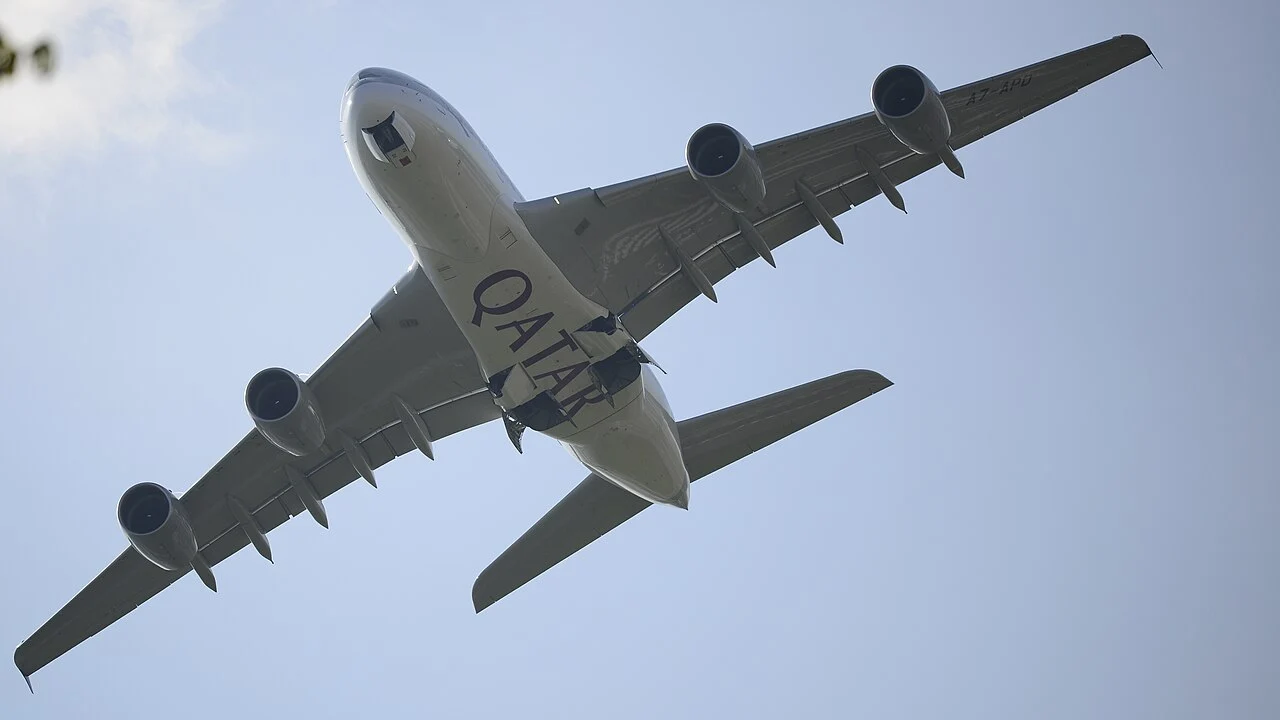
The Doha–Bangkok route reflects a different but equally compelling demand profile, driven largely by leisure travel and connecting passengers. Southeast Asia has witnessed a strong rebound in tourism flows, with Thailand serving as a major regional gateway.
The deployment of two daily A380 flights on this sector highlights both point-to-point demand and the importance of sixth-freedom traffic routed through Doha. The aircraft’s high-density configuration allows Qatar Airways to efficiently accommodate seasonal surges without overextending its narrow slot portfolio.
Aviation analysts have observed that such deployments are often time-bound, aligning with peak travel windows. The current schedule, extending through mid-September 2026, coincides with the northern hemisphere summer season, traditionally one of the busiest periods for long-haul travel.
All in All
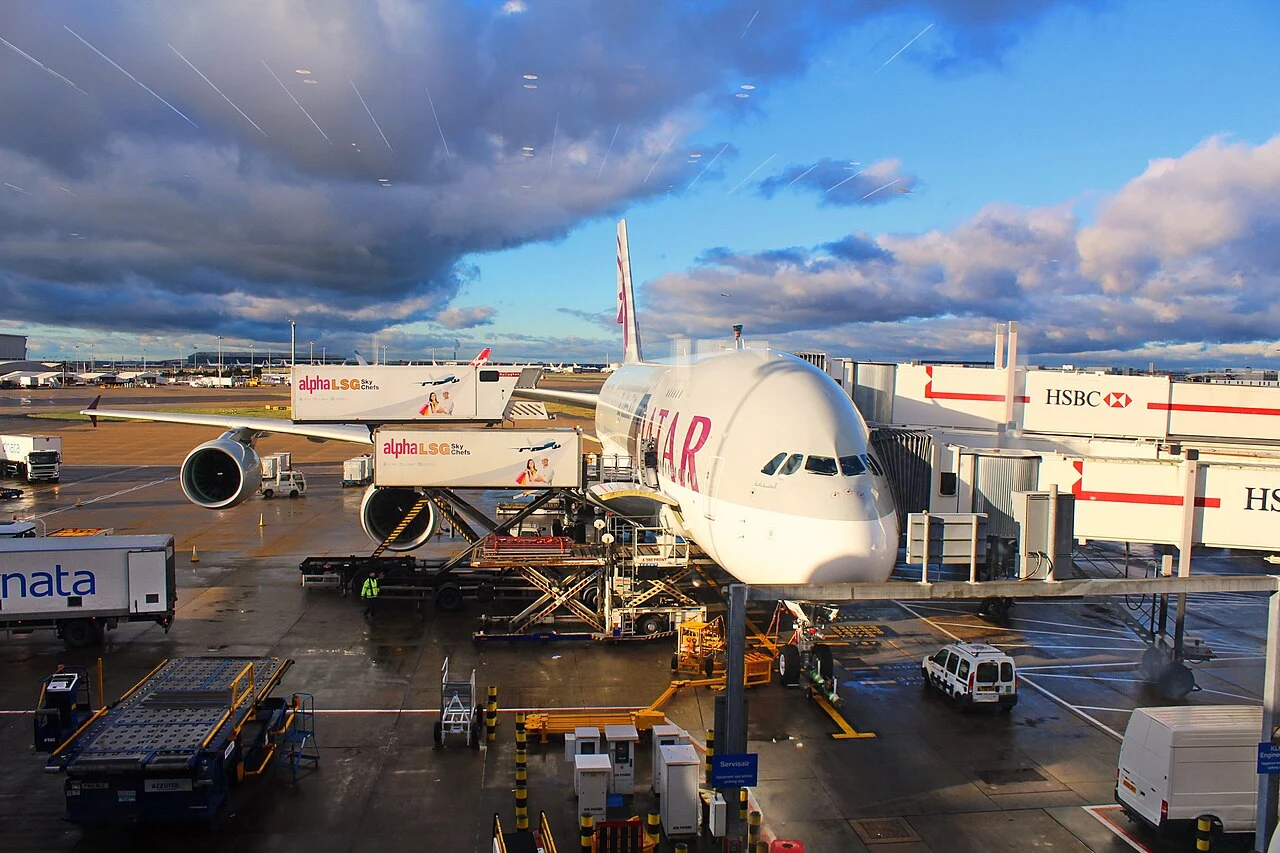
Qatar Airways had previously grounded its Airbus A380 fleet, citing environmental and cost considerations, while prioritizing more fuel-efficient twin-engine aircraft such as the Airbus A350. However, evolving market dynamics have necessitated a more pragmatic approach.
The temporary reactivation of the A380 illustrates the airline’s willingness to balance efficiency with capacity requirements. It also reflects a broader industry reassessment of large aircraft, many of which were prematurely retired during the pandemic but are now returning to service under specific conditions.
Further adjustments to the A380 schedule remain possible as the airline continues to monitor booking trends, operational constraints, and fleet availability.
.jpg)
_(2).jpg)
.jpg)
