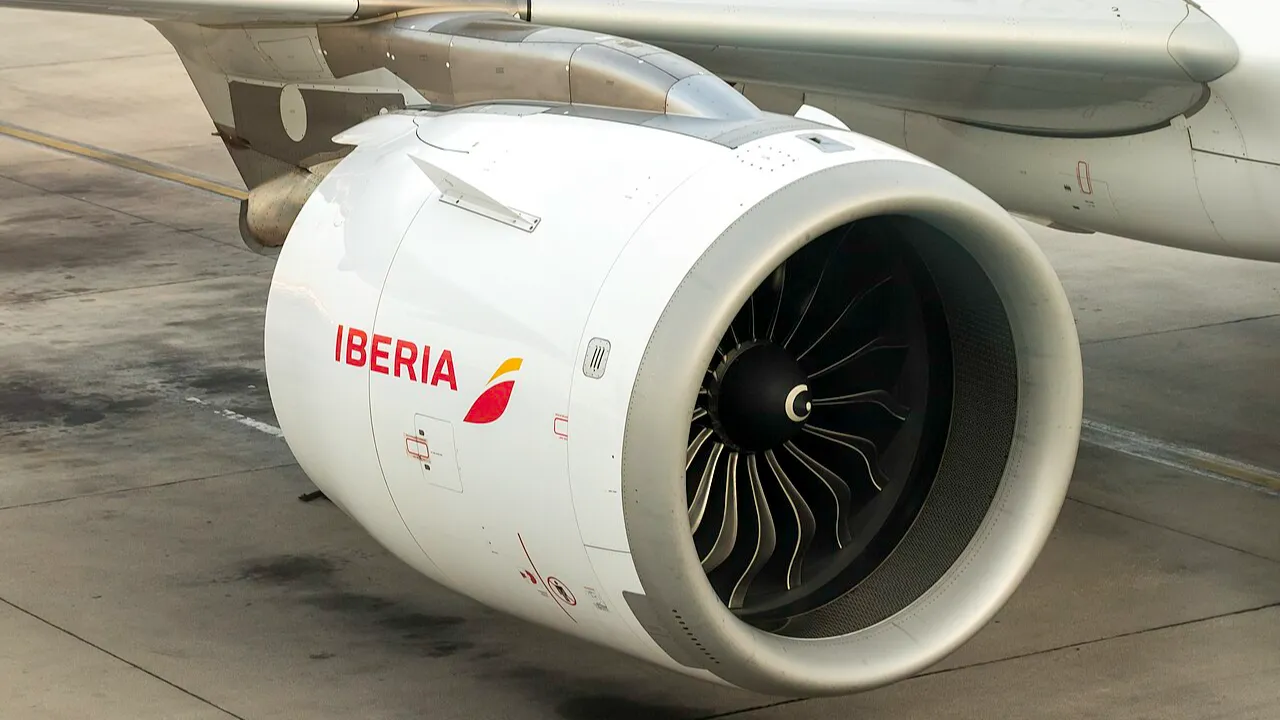
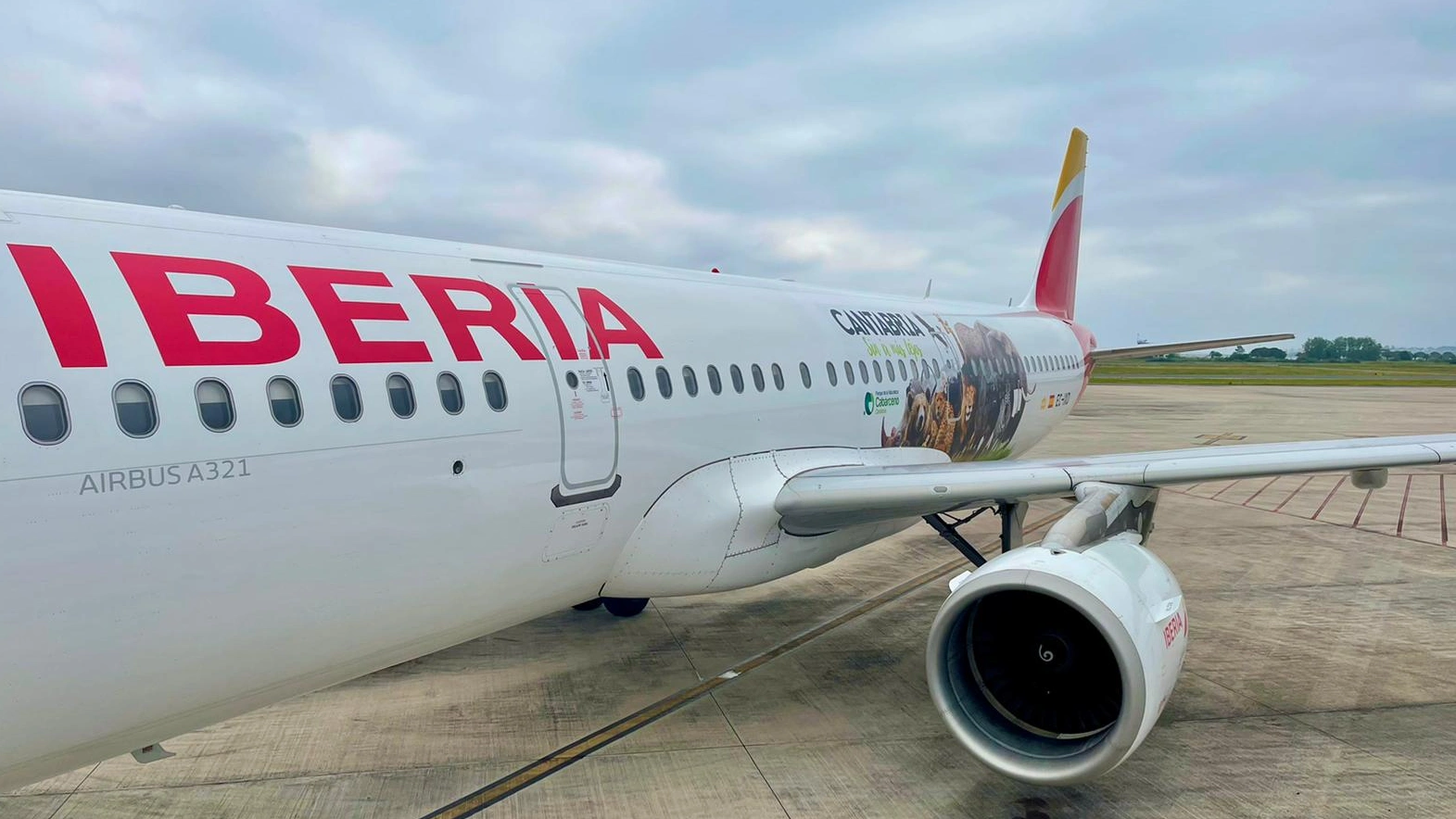
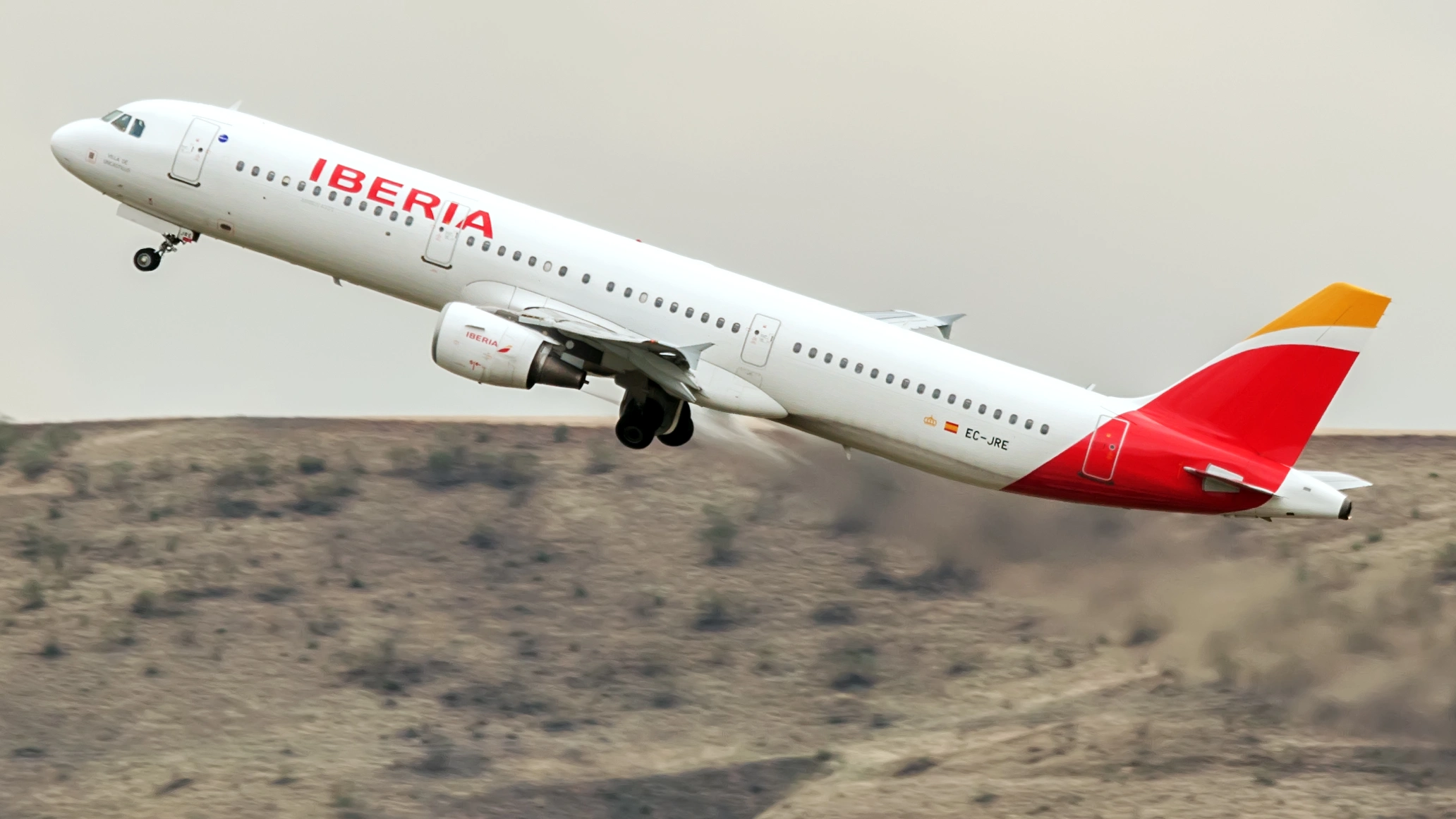
On 7 January 2026, Spanish flag carrier Iberia’s (IB) scheduled morning service Flight IB569 from Adolfo Suárez Madrid–Barajas Airport (MAD), Madrid to Paris Orly Airport (ORY), Paris was forced into an anomalous double diversion, culminating in an unexpected landing at London Luton Airport (LTN), United Kingdom, reported thetraveler.org.
The Airbus A321 entered a holding pattern over Paris due to severe snowfall, diverted initially to London Heathrow Airport (LHR) [note that this airport was facing a rare strike over the Christmas period] and ultimately diverted again to Luton when continued congestion and fuel considerations made a safe Heathrow landing infeasible. This sequence left approximately 200 passengers more than 250 miles from their intended destination and confronted with complex immigration and onward-travel challenges.
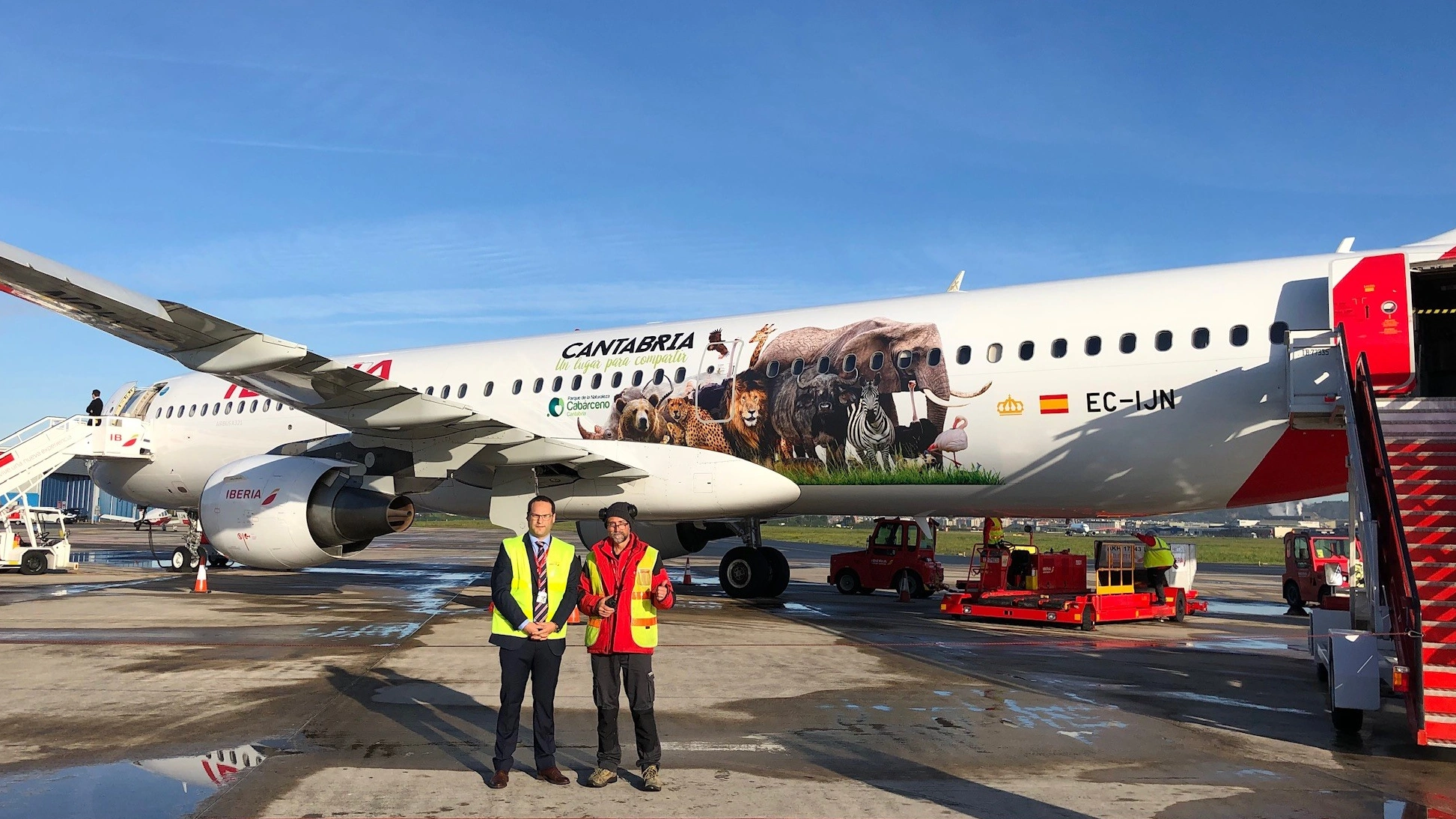
Carrier Overview: Iberia (IB)
| Attribute | Details |
|---|---|
| Airline name | Iberia |
| IATA code | IB |
| Headquarters | Madrid, Spain |
| Main hubs | MAD (primary), Secondary bases across Europe |
| Alliance | Oneworld |
| Founded | 1927 (operator with extensive European and intercontinental network) |
| Fleet size (approx.) | 97 aircraft across narrowbody and widebody categories |
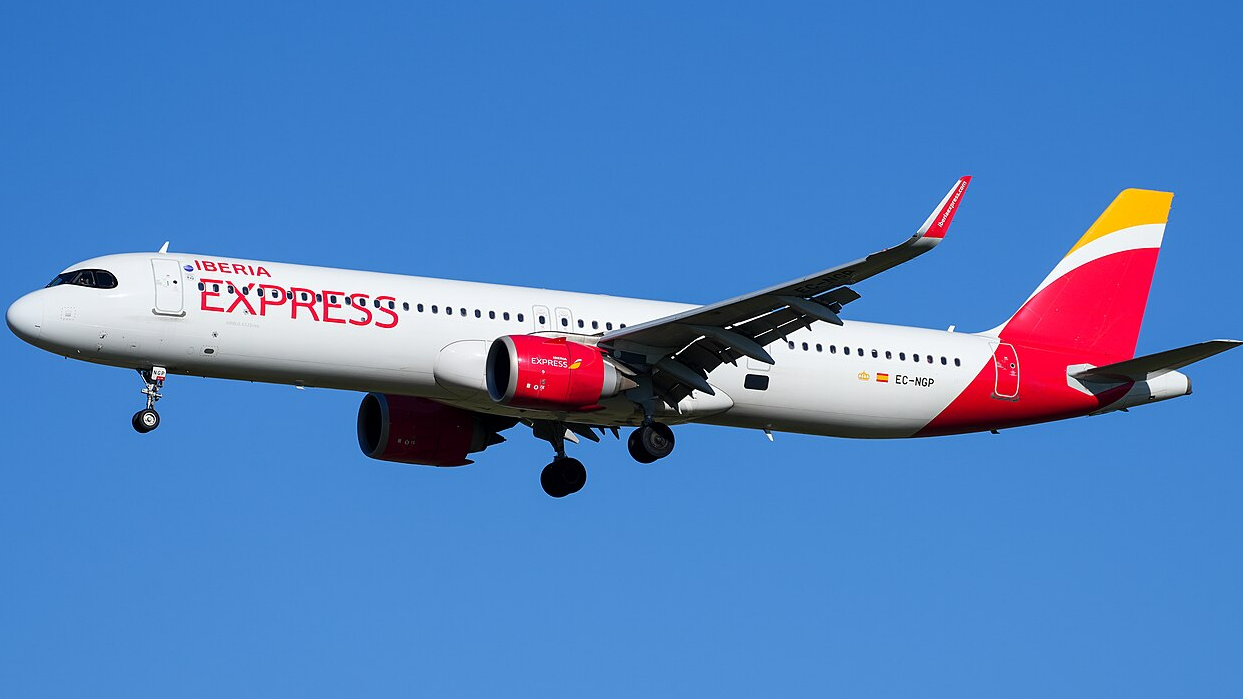
Flight particulars & operational chronology
Flight number: IB569
Aircraft: Airbus A321 (narrowbody, twin-engine short to medium-haul)
Scheduled route: MAD → ORY
Actual route: MAD → holding over Paris → attempted diversion to LHR → final landing at LTN
Departure time: ~06:57 GMT
Final landing at Luton: ~10:36 GMT
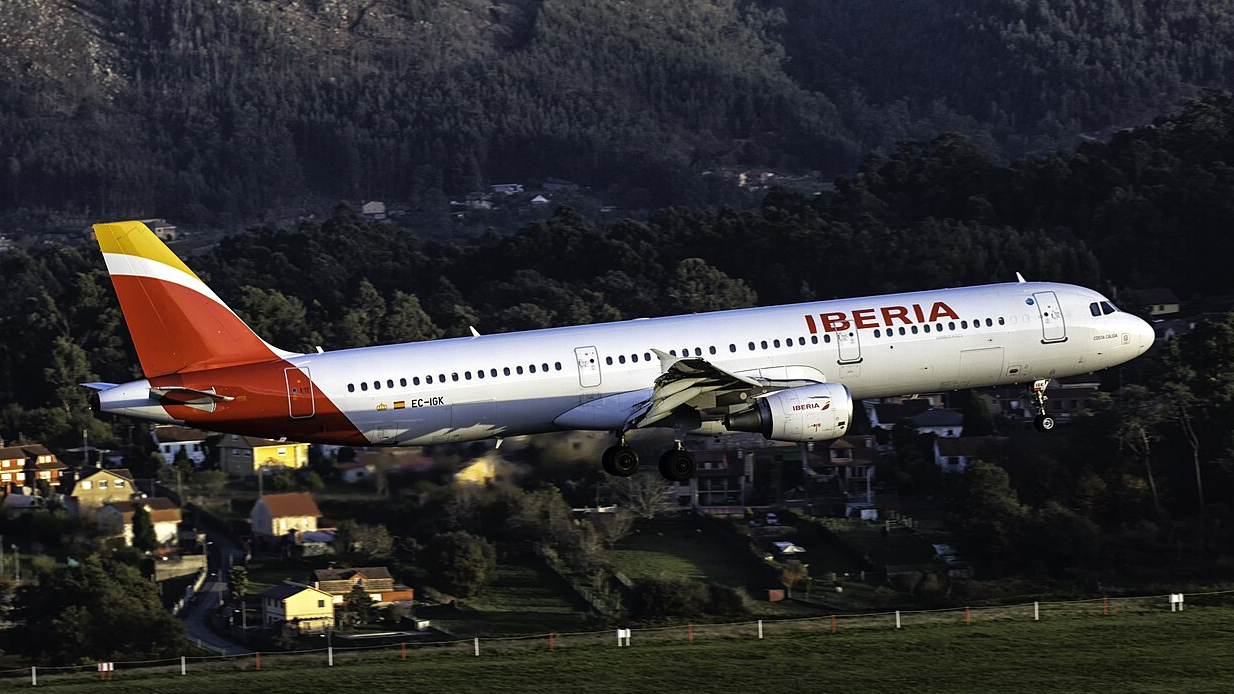
The flight, which was an Airbus A321-200, carrying roughly 200 passengers, departed Madrid amid routine conditions but encountered significant disruption as it neared French airspace. Persistent snowfall compromised runway availability at ORY and reduced landing rates, prompting entry into a holding pattern. After approximately 96 minutes airborne without arrival clearance, the crew elected to divert toward London Heathrow due to extensive operational support and connectivity normally available there for Iberia services.
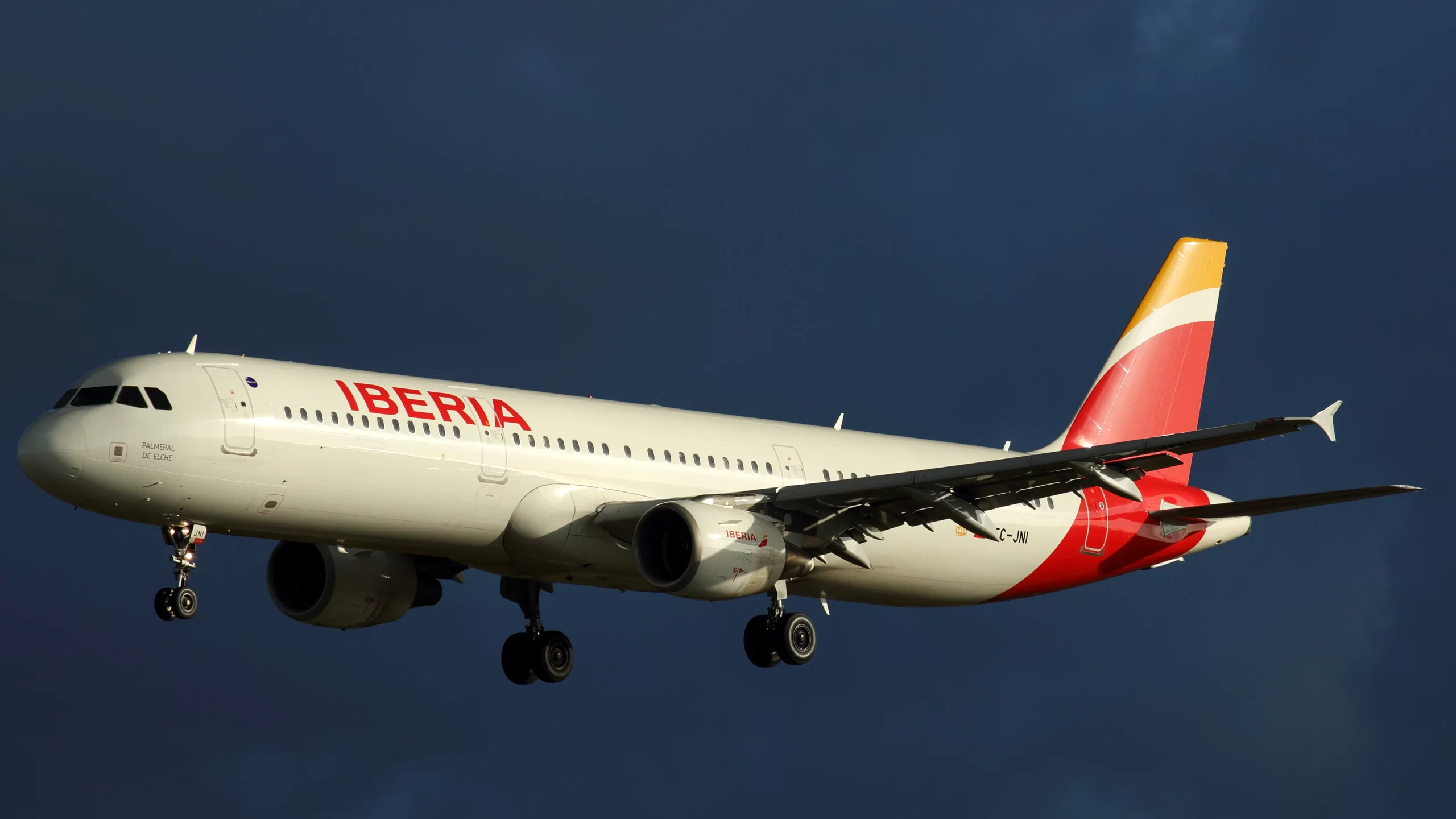
Upon approach to Heathrow, however, intense traffic sequencing resulted in extended holding over southeast England near the Biggin Hill navigation beacon. With onboard fuel reserves diminishing and no prompt runway clearance, the decision was made to divert north to Luton, a busy UK airport capable of accommodating the Airbus A321, ensuring a safe landing well above minimum fuel thresholds, reported unkip.co.uk:
“The flight crew decided to divert to London Heathrow, a hub for Iberia and its budget sibling Vueling, expecting smoother handling. But air traffic control held the plane over Biggin Hill in Kent for 45 minutes before fuel concerns forced a last-minute change. Running low on fuel, the pilots diverted north again – this time to London Luton”.
What is ‘double diversion’? Aviation context
According to Skybrary, a diversion is defined as a planned deviation from the original flight destination in response to operational or safety considerations. There are three types of diversions:
Here are some of the biggest reasons why a diversion takes place:
-
Adverse Weather: Thunderstorms at the destination or en route causing excessive route extension; heavy rain or a flooded runway at the destination; significant crosswinds exceeding landing limits.
-
Aerodrome Closure: Planned or unplanned maintenance works; arrival outside published operating hours (too early or too late).
-
Emergency or Abnormal Situation at the Destination: Security incidents; accidents involving another aircraft resulting in runway or aerodrome closure.
-
Emergency or Abnormal Situation on Board: System or component failures (e.g., engine, electrical, pressurization, hydraulic); insufficient fuel; medical emergencies affecting passengers or crew; unruly passengers; bomb threat or hijacking.
-
Clearance Issues: Landing permission denied at the destination aerodrome; en-route airspace restrictions requiring rerouting that extends flight time beyond available fuel limits.
In IB569’s case, severe winter weather degraded arrival capacity at ORY, leading to its initial holding and first diversion, followed by secondary operational constraints en route to LHR that precipitated a second diversion to LTN.
Winter weather impact on the Madrid–Paris corridor
The disruption on 7 January was part of a broader pattern of winter weather disturbances affecting western European air traffic corridors. Snow accumulation at ORY reduced runway throughput, forcing controller units to limit arrivals and implement increased spacing between aircraft to preserve safety margins:
“After just over 90 minutes in the air, the flight entered a holding pattern southwest of Paris as air traffic controllers managed heavy congestion and reduced capacity brought on by snow at Orly. With runway operations at Orly heavily restricted, IB569 became one of dozens of flights affected. Aircraft from various carriers were diverted across France to airports including Lyon, Marseille, Toulouse, Bordeaux and Basel as the system strained to cope with the adverse conditions and knock-on effects for air traffic flows”.
Historical comparatives: Similar Double Diversions as IB569
Simply put, a double diversion is a diversion followed by another one, reports Simple Flying;
“….when an aircraft has to land at an airport different from initially planned due to unforeseen factors, often weather. A double diversion just results in two landings at an airport different from the flight’s intended arrival. This typically looks like an aircraft attempting to land after one diversion, only for a new problem to appear or for the same problem to return.”
Let’s have a look at some of the previous double diversions, of he kind of IB569:
| Category | British Airways BA273 | United Airlines UA1996 | JetBlue B61908 |
|---|---|---|---|
| Date(s) | December 18, 2024 | July 5, 2024 | July 11–12, 2024 |
| Route | London Heathrow (LHR) → San Diego (SAN) | Chicago O’Hare (ORD) → San Juan (SJU) | Paris Charles de Gaulle (CDG) → New York JFK |
| Aircraft | Airbus A350-1000 | Boeing 737 MAX 9 | Airbus A321LR |
| First Diversion / Missed Approach | Missed approach at SAN due to poor visibility; diverted to Los Angeles (LAX) | Diverted to Charlotte (CLT) due to onboard medical emergency | Returned to Paris (CDG) after departure due to fuel gauge malfunction |
| Second Diversion / Missed Approach | Second missed approach at SAN after returning from LAX; entered holding offshore before abandoning landing | Diverted to Orlando (MCO) for crew change after crew duty time limits were reached | Diverted to Dublin (DUB) on second transatlantic attempt after fuel gauge issue reoccurred |
| Primary Cause(s) | Fog / low visibility combined with strict visual approach requirements at SAN | Medical emergency followed by regulatory crew duty-time constraints | Recurrent technical fault affecting fuel quantity indication |
| Operational Outcome | Multiple failed landing attempts; prolonged holding and diversion sequence | Replacement crew boarded in Orlando; flight continued to San Juan | Multi-day disruption; passengers delayed and rebooked after repeated technical diversions |
| Double-Diversion Pattern | Weather-driven missed approaches at destination | Medical diversion compounded by crew legality limits | Technical failure recurring across separate departures |
Passenger experience & immigration logistics
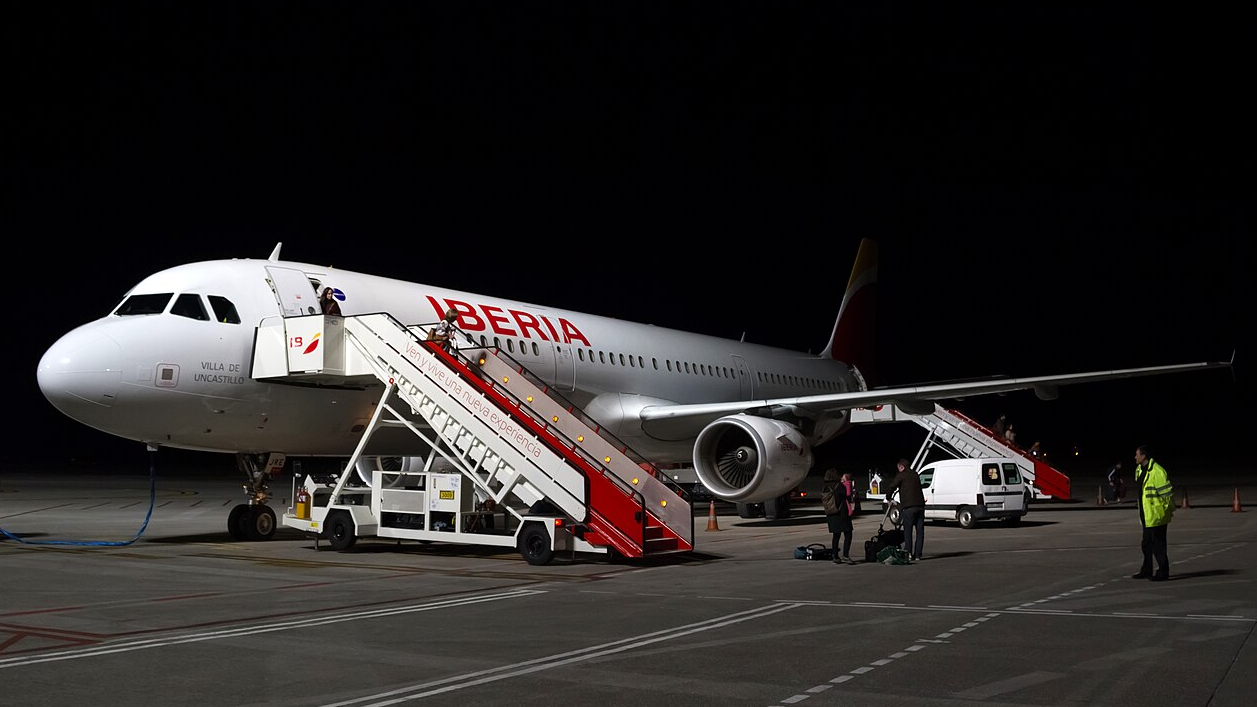
Passengers arriving at Luton from Madrid found themselves outside of the Schengen Area, where the original routing was within free-movement airspace. The unexpected arrival in the United Kingdom necessitated electronic travel authorisation (ETA) or UK entry clearance for most non-Irish non-British nationals, complicating disembarkation and onward travel arrangements.
The following table highlights the various aspects of passenger and immigration concerns:
| Aspect | Details |
|---|---|
| Passenger Concerns | Unexpected arrival in Luton raised questions about immigration procedures, documentation requirements, and onward travel to France. |
| UK Border Status | As the UK is outside the EU and Schengen area, most non-British and non-Irish passengers are subject to full border checks. |
| Visa & Authorization Issues | Some passengers may not have obtained the UK electronic travel authorization required for entry, having expected to remain within EU internal borders. |
| Airside Restrictions | Passengers without proper documentation may have been required to remain airside and were unable to enter the UK temporarily. |
| Entry Permitted Passengers | Those cleared by UK Border Force experienced an unplanned stop in Bedfordshire during winter conditions. |
| Local Context | Luton offers attractions and amenities, but the diversion was largely inconvenient for passengers on short trips or tight connections. |
| Airline Response | Iberia had not specified recovery plans; typical responses include refueling and retrying the original destination or rebooking via alternate routes. |
Those permitted entry faced additional arrangements to continue toward Paris, whether by rerouting, alternative flight connections, or ground transport. In such cases, airlines typically coordinate rebooking and accommodation under their duty of care policies, albeit influenced by regulatory obligations and the nature of the disruption.
Regulations: what laws govern diversions and passenger rights?
IATA & industry guidance
The International Air Transport Association (IATA) outlines core principles of passenger care and assistance in cases of rerouting and delays, emphasizing duties of airlines to provide care but clarifying that compensation is typically reserved for issues within airline control. Extraordinary circumstances—such as severe weather—may exempt carriers from certain financial liabilities.
Recently, the United States scraped Biden-era plan for airline delay compensation. But Eu member states have compensation policies
EU Regulation (EC) No 261/2004
Under EU law, passengers on flights departing from or arriving within EU member states on EU carriers have defined rights to re-routing, assistance, and compensation when flights are diverted or delayed. This includes refreshments, accommodation where necessary, and potentially monetary compensation if arrival at the final destination is substantially delayed—unless the cause is deemed an extraordinary circumstance such as extreme weather.
| Aspect | UK Air Passenger Rights (APR) 2019 | EU Passenger Rights (EU261) |
|---|---|---|
| Legal Framework | UK Air Passenger Rights Regulations 2019 | EU Regulation EC 261/2004 |
| Geographical Scope | Flights departing from the UK; inbound UK flights operated by UK or EU airlines; flights to the EU operated by UK carriers | Flights departing from EU/EEA states or arriving there on EU/EEA carriers |
| Eligible Passengers | Travellers who meet the eligibility requirements defined under UK APR legislation | Travellers who qualify under EU passenger rights rules |
| Care During Disruption | Entitlement to meals, refreshments, communication, accommodation where required, and ground transport during delays or cancellations | Equivalent care provisions including food, communication, overnight lodging if needed, and transfers |
| Limits on Care | Care is not provided when a passenger elects re-routing at a later date for personal convenience or opts for a refund | Same exclusions apply |
| Compensation: Short-haul | £220 for flights up to 1,500 km | €250 for flights up to 1,500 km |
| Compensation: Medium-haul | £350 for flights between 1,500 and 3,500 km | €400 for intra-EU flights over 1,500 km and other flights up to 3,500 km |
| Compensation: Long-haul | £520 for flights exceeding 3,500 km | €600 for non-intra-EU flights over 3,500 km |
| Compensation Currency | British Pound Sterling (£) | Euro (€) |
All in All
Severe winter conditions can rapidly erode arrival capacity at major hubs like Paris Orly, triggering network disturbances. Air traffic congestion over major metroplexes such as London Heathrow (LHR), which could have a third runway, can constrain diversion alternatives, emphasizing the value of strategic planning for alternate airports.