A catastrophic failure of the automated baggage handling system at London Heathrow Airport (LHR) on Friday, May 15, 2026, struck British Airways (BA)’ exclusive home at Terminal 5, disabled the elaborate network of conveyor belts and chutes that transport checked luggage from bag-drop desks down into the cargo holds of departing aircraft, forcing ground staff to park mountains of suitcases in every available corner of the departures concourse as overwhelmed agents scrambled to maintain a semblance of order.
British Airways dispatched dozens of flights to their destinations without any checked baggage loaded, a decision passenger did not learn of until after landing. Two days on, a substantial backlog of displaced luggage remains unresolved, and passengers — many of whom have received little more than a cursory email.
What Caused the Terminal 5 Baggage System to Fail?
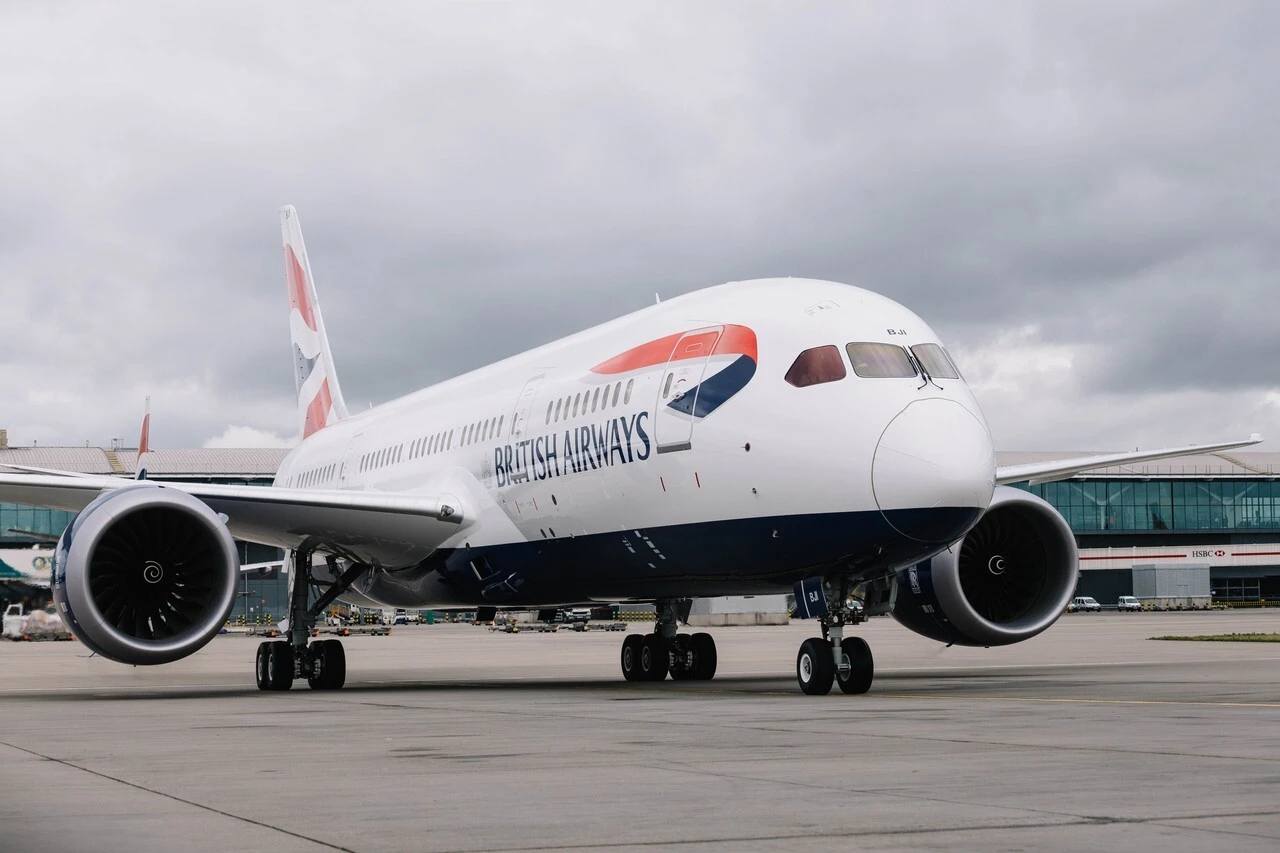
Terminal 5 houses what British Airways describes as one of the most sophisticated baggage infrastructures at any major global airport — a subterranean labyrinth comprising more than 18 kilometres of belts and tracks, capable of processing thousands of bags per hour by routing them from up to 70 bag-drop desks through a series of lifts and conveyor systems down to the specific aircraft awaiting departure.
On the morning of May 15, this system suffered a multi-hour malfunction, effectively rendering the automated pipeline inoperable. As reported by Paddle Your Own Kanoo, access to the Terminal 5 departures concourse was restricted as staff attempted to manage the growing volume of bags that could no longer be checked in through conventional means.
The root cause of the breakdown rests squarely with Heathrow Airport — it is the airport authority, not British Airways, that owns, operates, and is contractually obligated to maintain Terminal 5’s baggage infrastructure. What is unambiguously British Airways’ responsibility, however, is the repatriation of delayed bags and the timely communication of disruption to affected passengers.
How British Airways Responded — And Why Passengers Are Furious
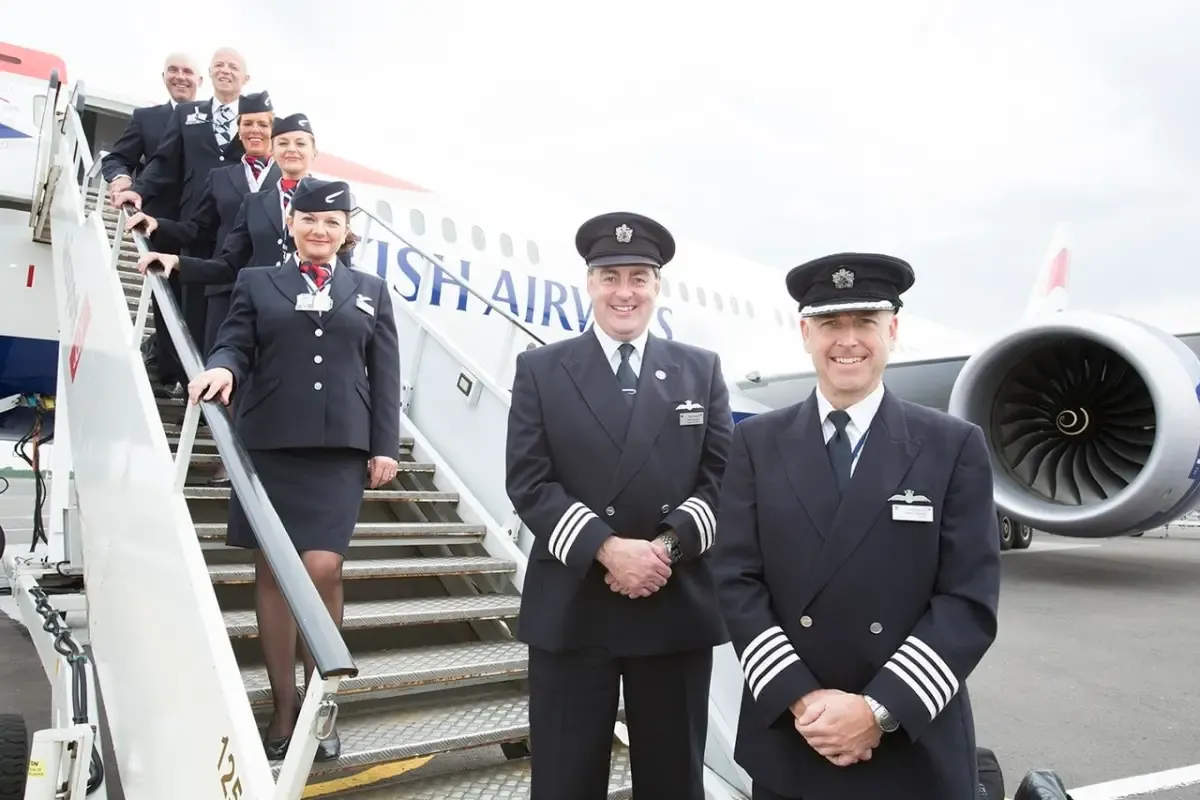
Unable to process luggage through the disabled belt network, British Airways made the operationally pragmatic, if passenger-hostile, decision to dispatch flights to their destinations with cargo holds that contained no checked baggage at all. As Paddle Your Own Kanoo reported, passengers learned of this only after they had already landed at their destination. This has left many passengers stranded abroad without medication, clothing, or essential personal effects.
Discussions on FlyerTalk forums revealed that ground staff at T5 were informing passengers that the resolution could take between 24 and 72 hours, and that the airline was offering to reimburse the cost of small cabin bags so that passengers could decant their most essential items before boarding. Some passengers did receive an email from British Airways acknowledging that their bags may not have been loaded, but the message offered no indication of when the situation would be resolved.
The fury that erupted on social media was pointed and personal. Writing on X (formerly Twitter), passenger Andy Shaw stated:
“Disgraceful service from British Airways. My 80-year-old mother-in-law flew business from Glasgow to Heathrow on Friday, and you lost her bag with her medication. She’s distraught. We were told it was at LHR yesterday, but still nothing.”
He added, in a follow-up post: “Total lack of care or urgency. Terrible.”
What Passenger Rights Apply When Baggage Is Delayed?
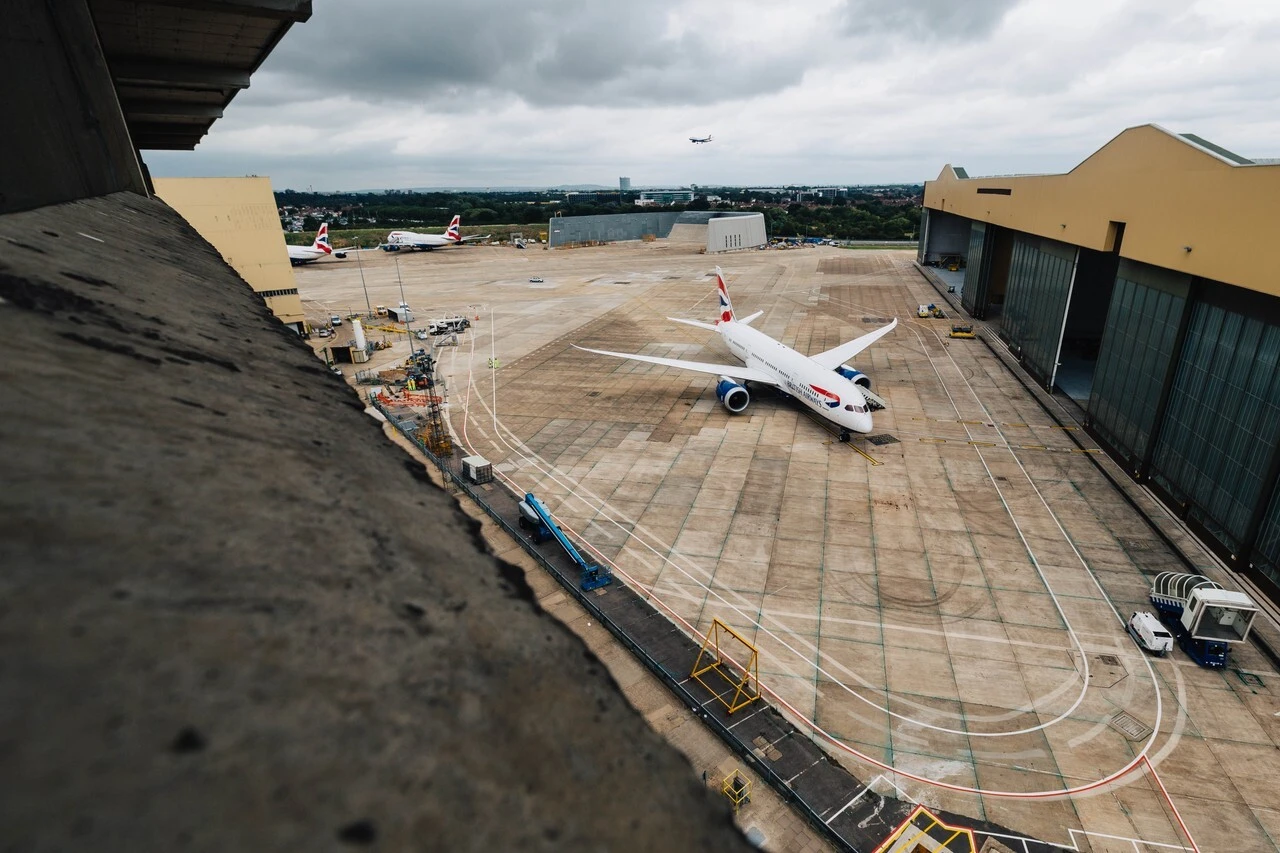
Passengers whose luggage is delayed by an airline retain statutory entitlements that British Airways is legally obliged to honour. The UK’s Civil Aviation Authority (CAA) stipulates that passengers have the right to purchase and subsequently reclaim the cost of bare essentials in the event of a baggage delay, covering items such as toiletries, underwear, and laundry services.
The following table gives us a set of instructions given by UK’s CAA: