Lufthansa Technik is set to unveil a prototype of its Nice Intellitable, an interactive folding tray table that integrates a high‑definition touchscreen directly into its surface, in the Dubai Air Show 2025. This innovation is set to blend digital functionality with traditional cabin aesthetics, offering passengers seamless access to in-flight services and control features.
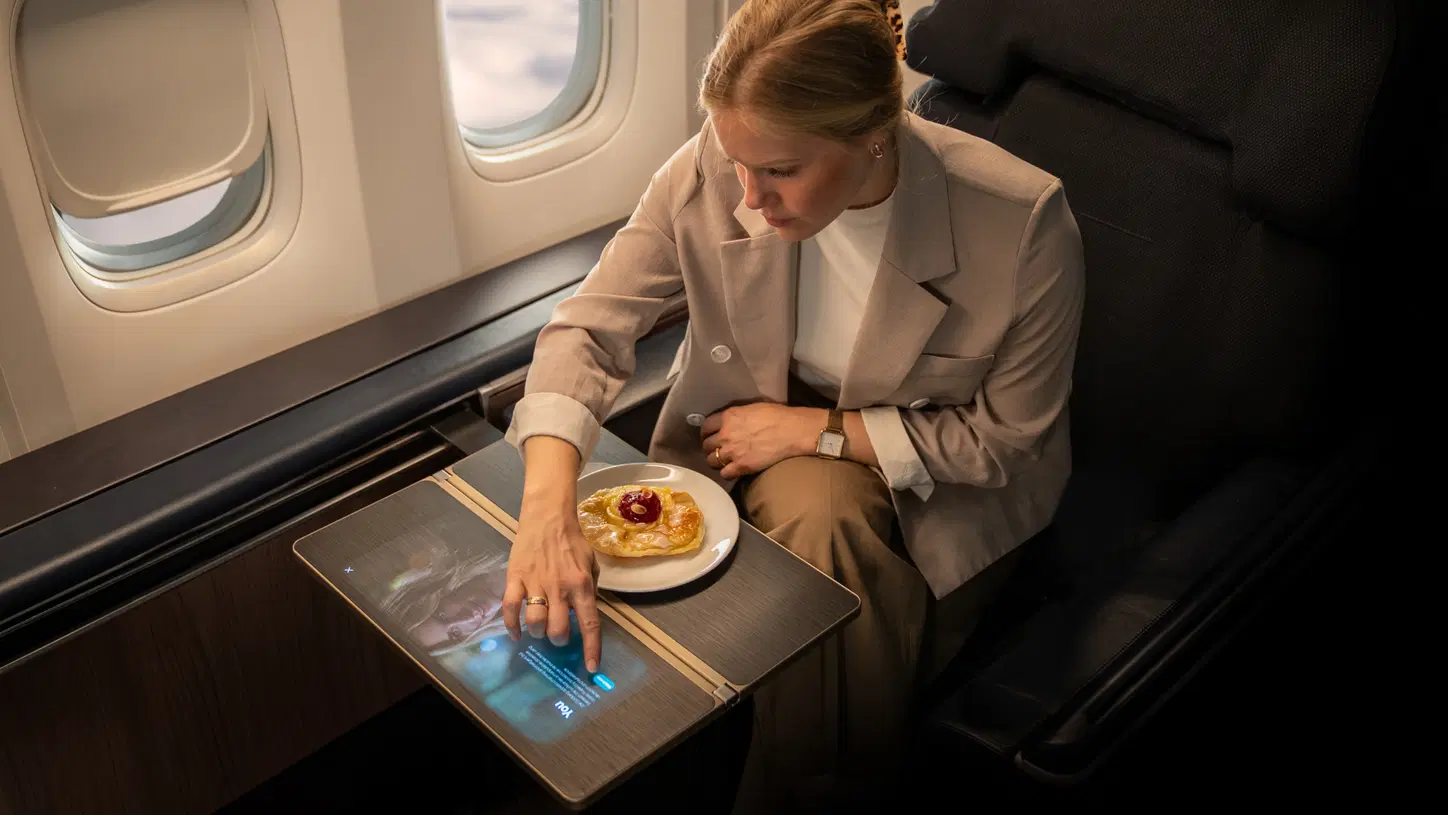
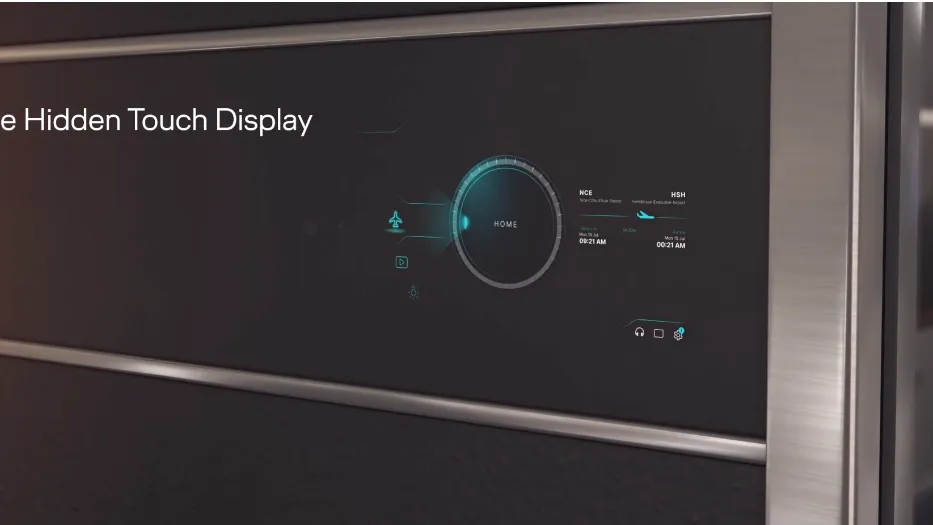
The technology builds on Lufthansa Technik’s award-winning “Hidden Touch Display,” miniaturising it to function within a slim, fluid, haptic surface made of materials like wood, carbon fibre or metal.
| Aspect | Details |
|---|---|
| Company Name | Lufthansa Technik AG |
| Industry | Aircraft MRO (Maintenance, Repair & Overhaul) |
| Headquarters | Hamburg, Germany |
| Parent Company | Lufthansa Group |
| Founded | 1995 |
| Global Presence | Over 35 subsidiaries / ~33 plants globally |
| Customers | ~800+ clients including airlines, lessors, OEMs, VIP & government aircraft operators |
| Services Offered | – Engine Services – Aircraft & Component Maintenance – Digital Fleet Services – Cabin Modification & Design – Landing Gear Services |
| 2024 Revenue | € 7,441 million |
| 2024 Adjusted EBIT | € 635 million |
| 2024 Operating Expenses | € 7,292 million |
| Employees (2024) | 24,499 |
| Strategic Focus Areas | – Growth in engine services – Digitalization (Digital TechOps) – Sustainable and innovative aviation solutions |
| Long-Term Goal | Targeting sales over €10 billion by 2030 |
| Notable Subsidiary | Lufthansa Technik Services India (Bangalore) for component repair & AOG support |
How Lufthansa’s “Nice Intellitable” works
The “Nice Intellitable” that Lufthansa Technik is set to unveil in the Dubai Air Show, which starts from 17th November 2025, demonstrates a fusion of form and function. When a passenger wants to use it, the touchscreen wakes up to show:
- A Moving Map
- Seat Adjustment
- Flight Information
- Music and video content players
- Food and Beverage preview
- Ordering System
- A flipping book for digital magazines
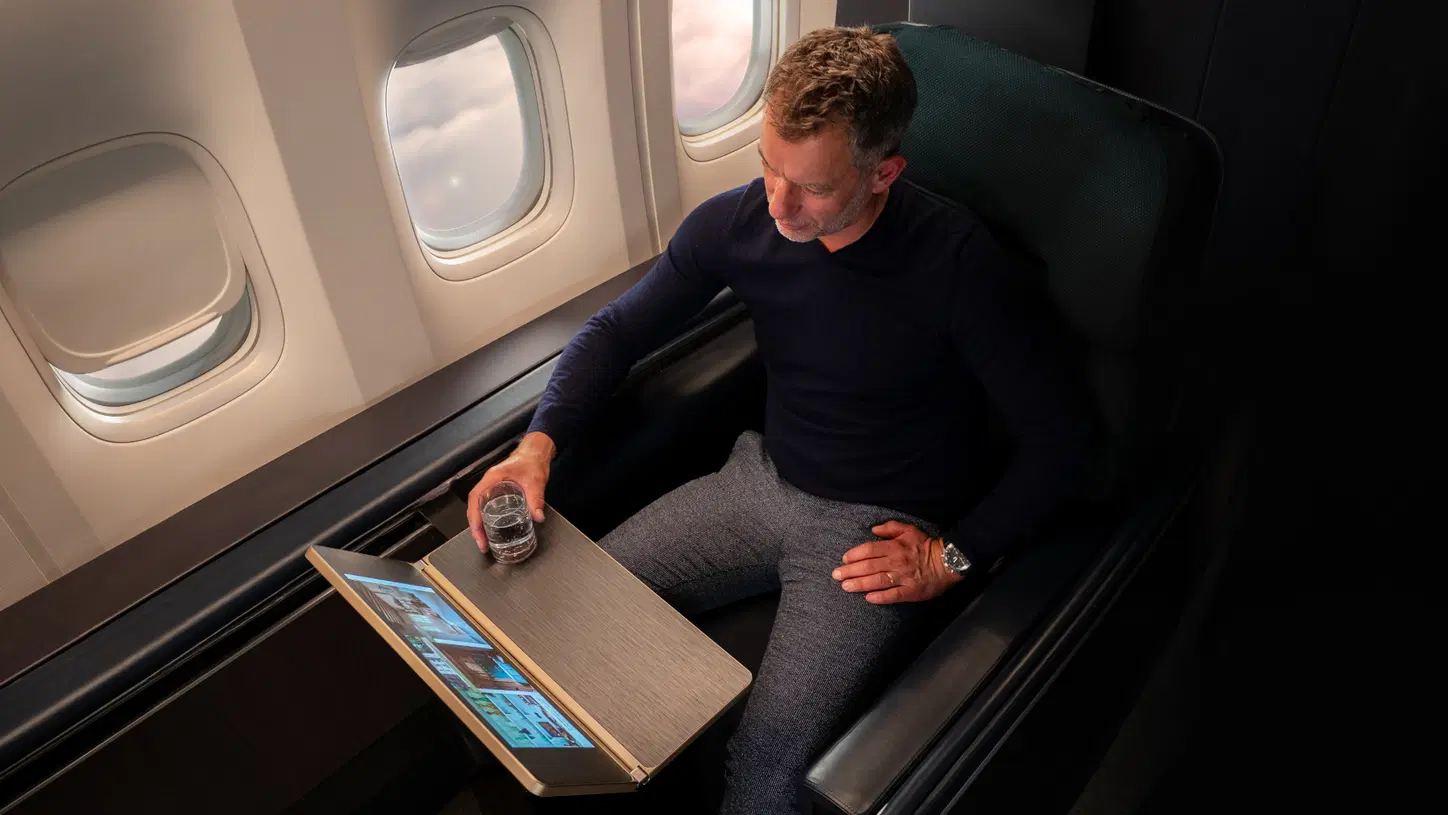
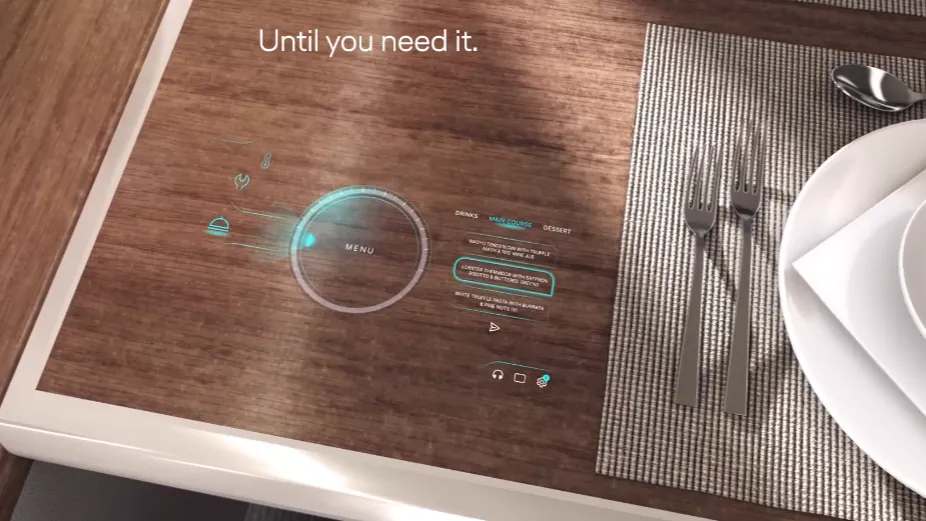
When the tray is needed for dining or working, the touch elements can either minimize to a slim edge or disappear entirely. The table surface is engineered to resist spilled fluids and withstand mechanical stress from cutlery or hard items.
Lufthansa Technik’s development addresses a longstanding disconnect: traditional cabin controls often feel bulky, outdated, or poorly aligned with how passengers actually interact with their surroundings. As Andrew Muirhead, VP of Original Equipment & Special Aircraft Services at Lufthansa Technik, explains,
“Sometimes, there seems to be a disconnect between how airlines … design their control solutions, and how their passengers actually interact with the cabin environment … we are permanently rethinking how technology integrates with interior design … creating more cohesive and natural interactions.”
By combining a premium tactile surface with a hidden touchscreen, the Intellitable aims to redefine passenger experience in VIP, business, or first-class cabins.
Lukla Airport: The History and Engineering Behind the World’s Most Challenging Airport
Nice Intellitable is an Extension of Lufthansa’s Hidden Touch Display
Lufthansa’s “Nice Intellitable” represents “a strategic further development” of Lufthansa Technik’s Hidden Touch Display, which was able to garner the Red Dot Design Award earlier this year. According to Lufthansa Technik, the Hidden Touch Display was able to blend “a high-quality look and feel with seamless functionality for luxury aircraft cabins”:
“It lets passengers in VIP/VVIP aircraft, business jets or commercial first-class cabins operate entire interior functions through a sleek, intuitive touch panel that simply vanishes into any type of high-class interior surface when not in use. Customizable for surface appearances such as wood, carbon fiber or metal, to name just a few, all cabin control interfaces can now blend seamlessly into the cabin design and only appear when needed.”
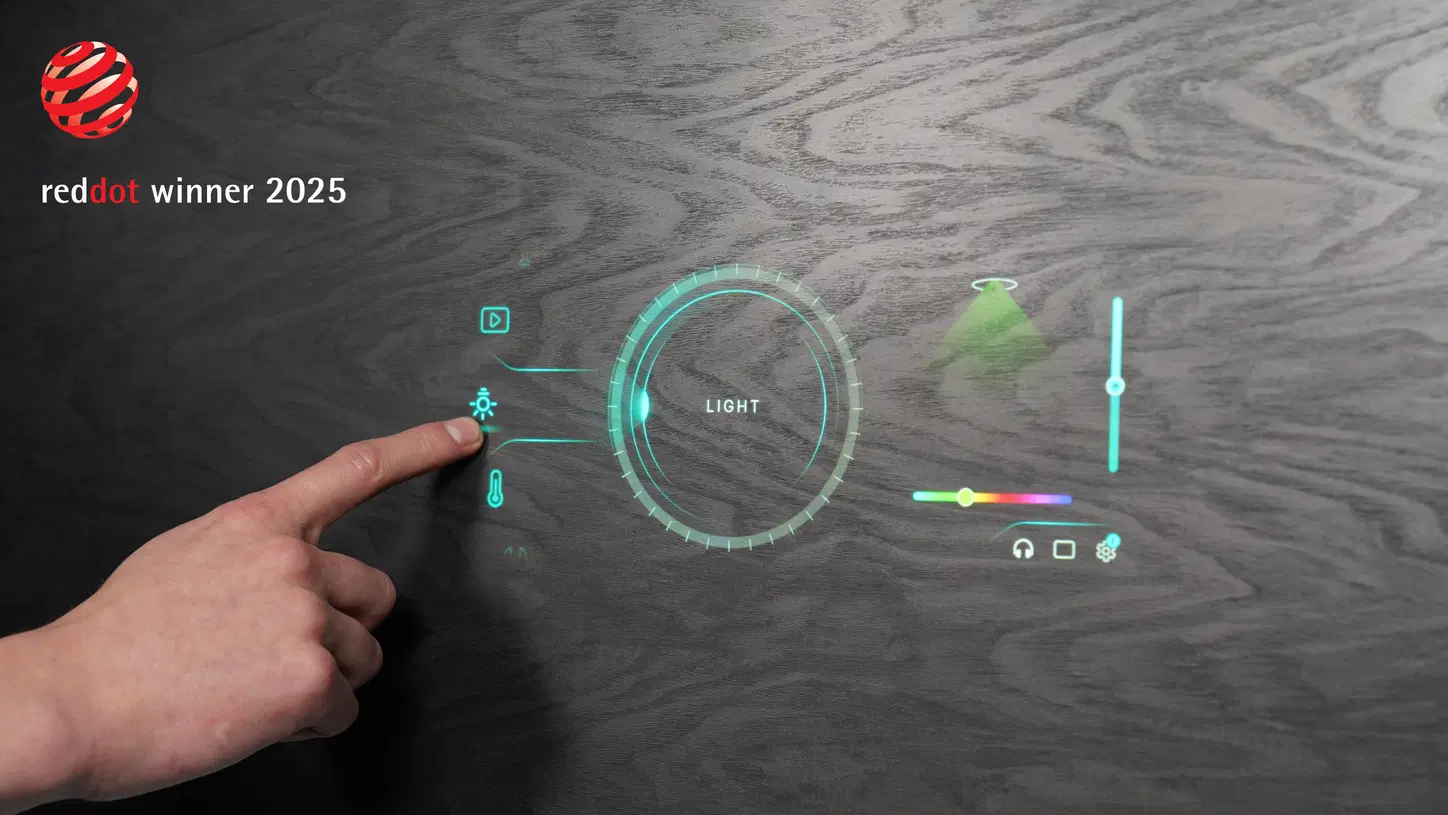
The Hidden Touch Display topped the conventional screen designs in more ways than one. First, it provided passengers an “intuitive yet optically and haptically sophisticated control experience”. Previously, carriers used to have cabinet doors or surfaces that were equipped with a permanent touch screen. But this has changed as the veneer surface or the cabinet door can work as a sophisticated control area that only appears at the touch of a fingertip, much like the case it is with Nice Intellitable.
Nice Intellitable might help with Sustainability Gains
One of the other features of the Hidden Touch Display was the GuideU CircularFit emergency floor-path marking which had the distinction of being “the first aviation cabin product of its kind to be consistently developed for a circular economy.“
Although it introduces a new sustainability-driven design philosophy, it still relies on the patented photoluminescent technology that has powered existing GuideU strips operated by more than 300 airlines over the past three decades.
Lufthansa’s Key Sustainability Gains
The CircularFit concept significantly reduces the environmental footprint of floor-path lighting by incorporating fully reusable and recyclable components.
| Feature | CircularFit Advantage |
|---|---|
| Material cost | Up to 40% reduction |
| Raw material consumption | Up to 90% less usage |
| Component lifecycle | Fully reusable photoluminescent elements + recyclable carriers |
Design and construction of the Hidden Touch Display
Unlike conventional systems, GuideU CircularFit embeds high value photoluminescent pigments inside robust glass elements, which are then shaped into modular tiles available in multiple colors and geometric styles.
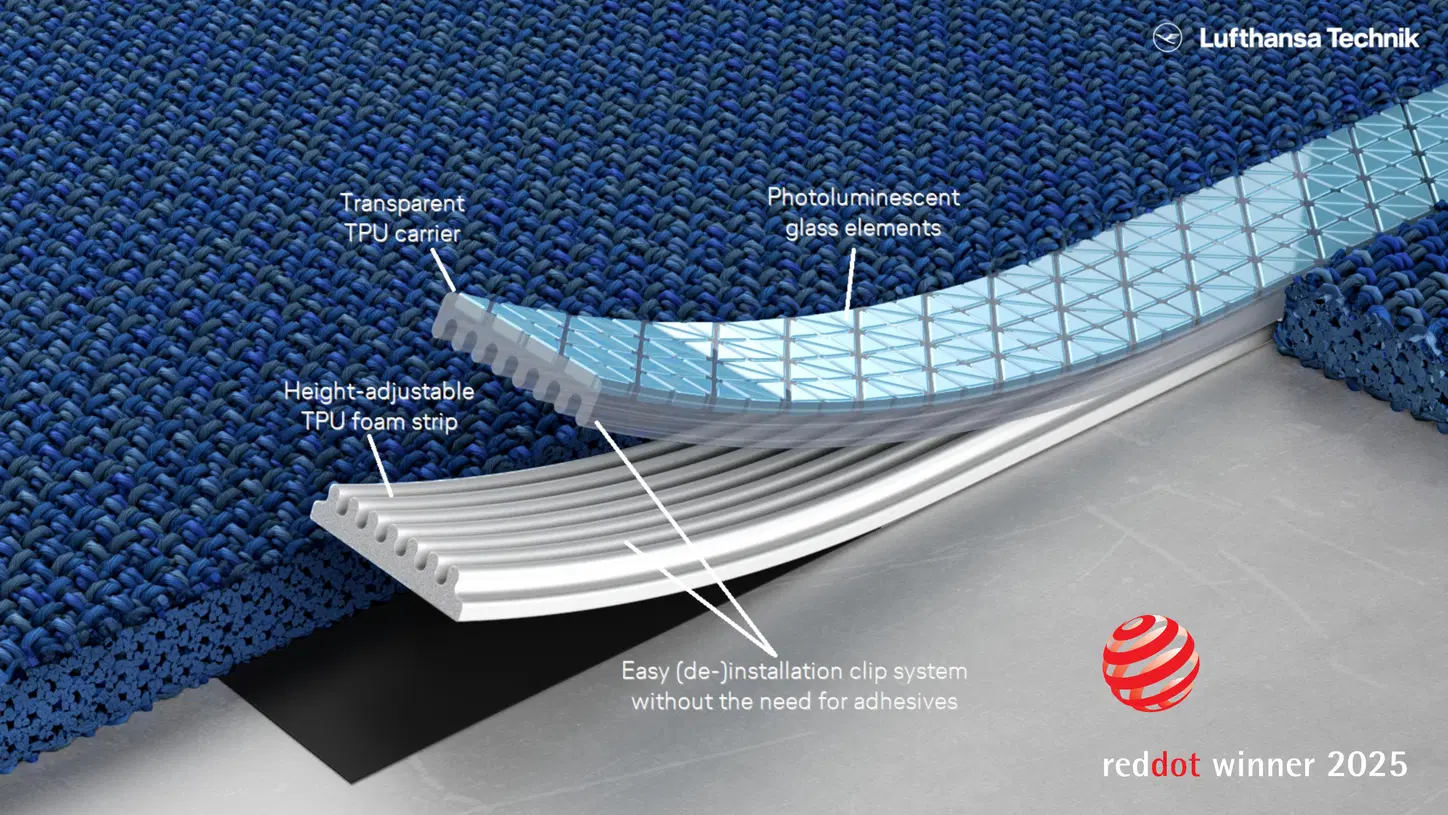
These tiles are housed in a thermoplastic polyurethane (TPU) carrier that is both flexible and durable and allowed for “quick installation by snapping into an adjustable TPU foam strip, making it easy to remove and reattach“.
Component overview:
Photoluminescent glass tiles
-
-
Customizable shapes, colors, and patterns
-
Protect the pigment and extend service life
-
TPU carrier structure
-
-
-
Flexible, impact-resistant
-
Designed for frequent handling and long-term durability
-
-
Installation and operational flexibility
One of the defining features of CircularFit is its simplified installation method. The system’s tile-and-carrier assembly snaps directly into an adjustable TPU foam strip, enabling airlines to:
-
install the system rapidly,
-
remove sections without damaging components, and
-
reposition or redeploy the system on other aircraft with minimal effort.
This modularity ensures that airlines can maximize value over the product’s entire lifecycle, making the system a cost-efficient and environmentally responsible alternative to traditional floor-path marking solutions.
Emirates turbulence reduction technologies: SkyPath, Lido mPilot, and IATA integration
All in all
Despite Andrew Muirhead’s buoyancy with the product:
“The »nice intellitable« exemplifies this approach, redefining VIP, but also commercial business or first class cabins, through more intuitive and seamless technology that puts both passenger experience and airline needs at the center.”
….. several hurdles remain, the first of which is Certification that will require it be piece of technology that will withstand impact, spills, and heavy use. Besides the integration of such technology into tray tables may incur higher production and maintenance costs compared to traditional trays. Finally, there’s the adoption risk, too: Airlines may be cautious to retrofit existing fleets, especially if the ROI is unclear.