Lockheed Martin Australia has started construction on an $85.9 million Air Power Precinct in the Hunter region of New South Wales. The company marked the milestone with a sod-turning ceremony at Williamtown on 3 July 2026, alongside Minister for Defence Industry Pat Conroy and federal member for Paterson Meryl Swanson.
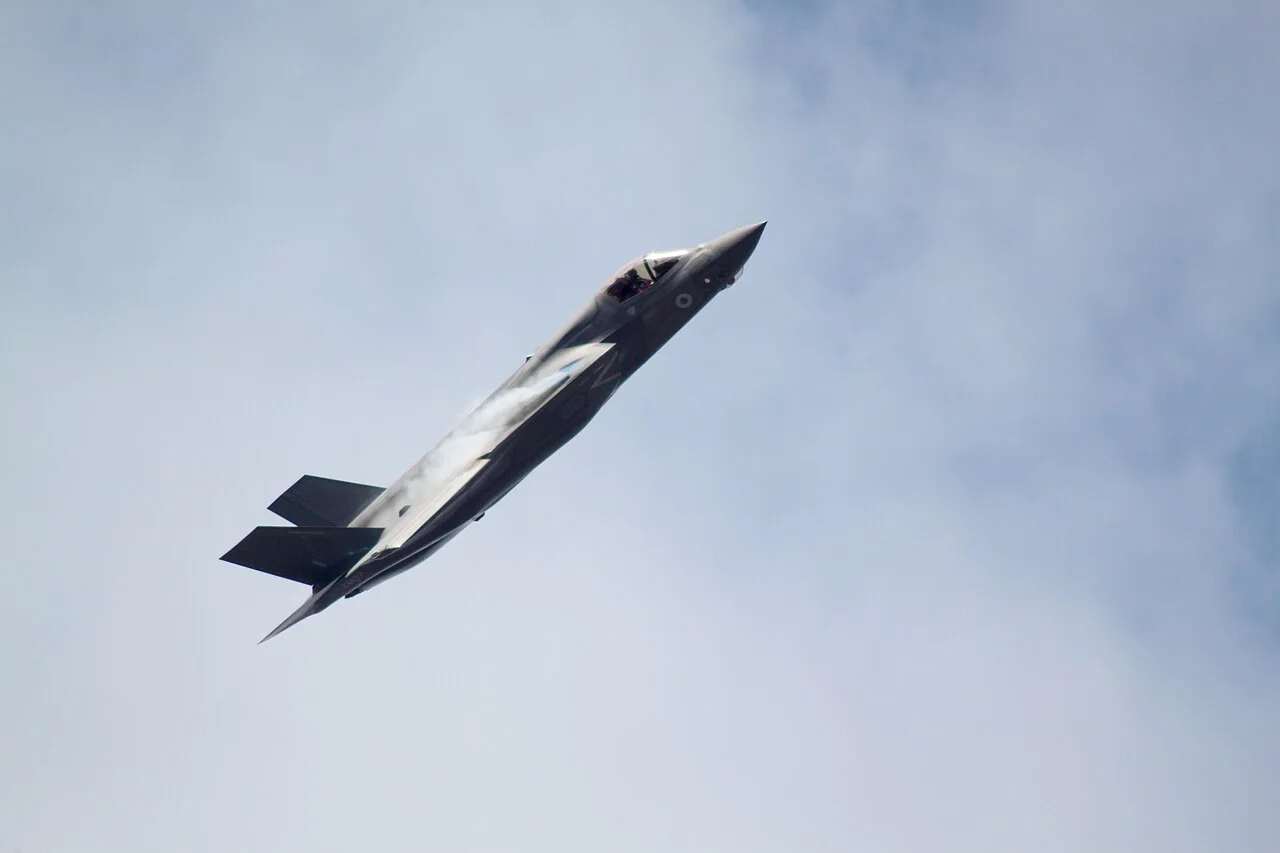
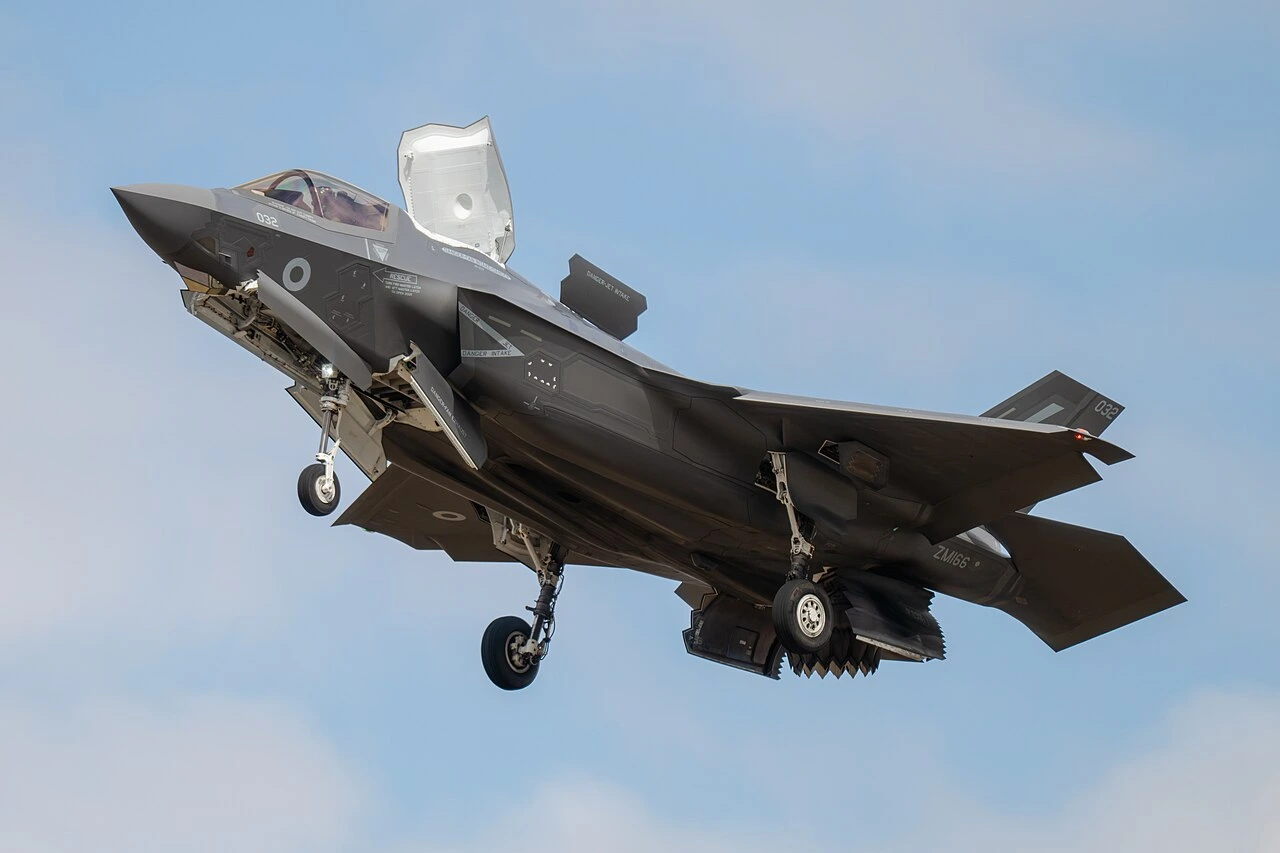
The facility will host a National Integrated Air and Missile Defence (IAMD) Ecosystem. It will also expand sustainment support for Australia’s F-35 Lightning II fleet. [Note that Australia has the fourth largest F-35 fleet in the world]. Australian-owned contractor Built has begun construction immediately, and Lockheed Martin Australia expects the precinct to be operational by 2028, Asia Pacific Defense Reporter (APDR) reported.
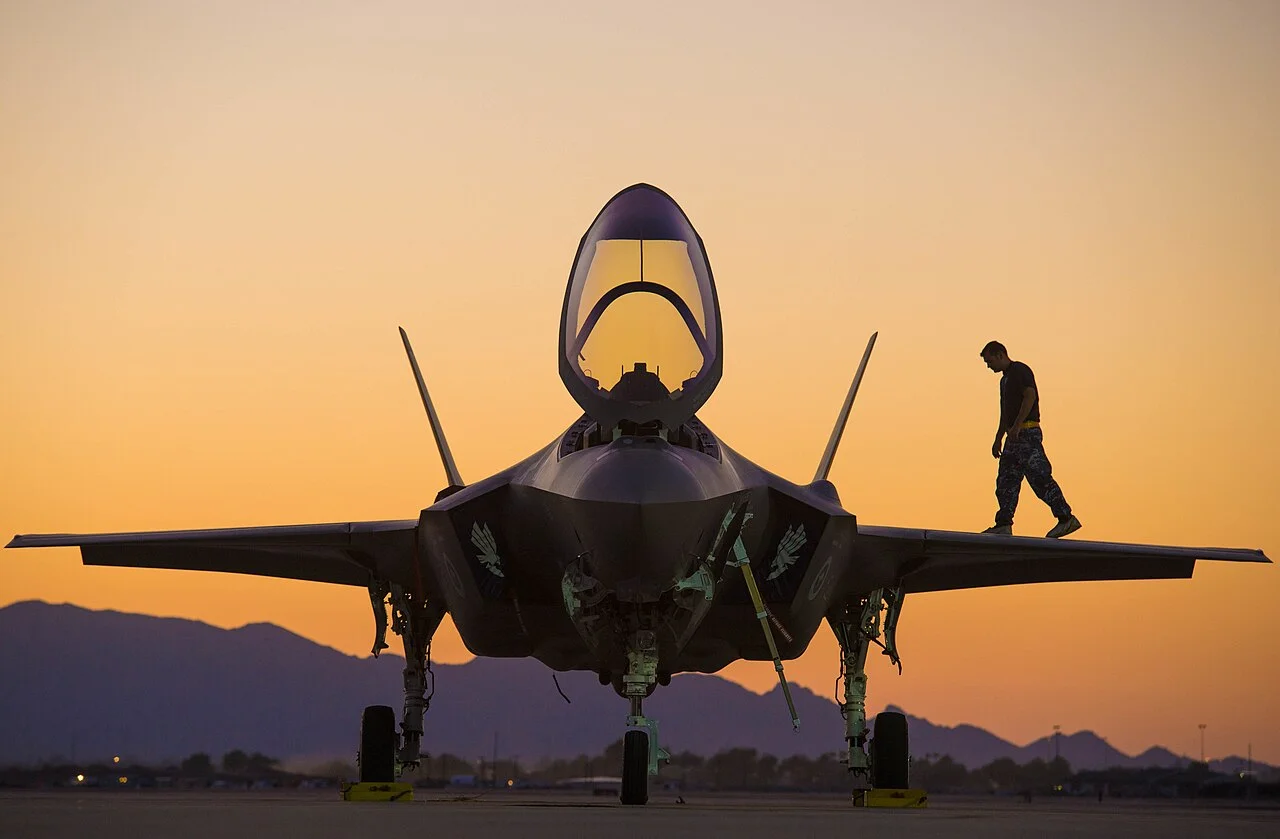
What The $85.9 Million Investment Covers
The Air Power Precinct is a purpose-built site dedicated to next-generation IAMD systems. Lockheed Martin Australia says the investment strengthens the nation’s sovereign defence capability. It also recognises industry’s growing role in that domain.
The precinct sits within a larger Lockheed Martin footprint at Williamtown. Company executives describe the site as only one part of a much bigger parcel of land earmarked for future defence work.
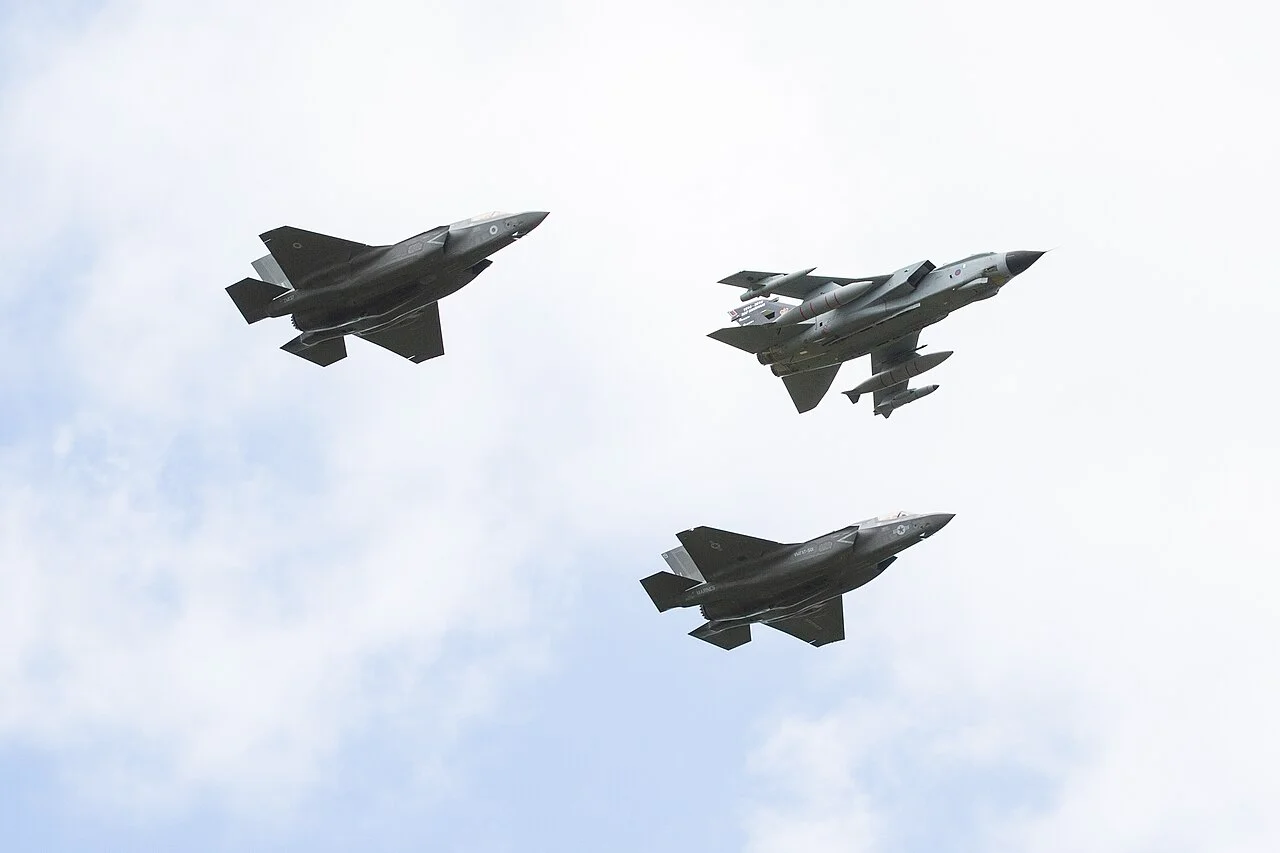
Facilities Inside the New Precinct
The purpose-built site groups several specialised zones under one roof. According to Lockheed Martin Australia, these zones include:
- Hardware assembly and installation
- Integration and validation of new systems
- End-to-end testing of systems of systems
- Sustainment of sovereign software
- Advanced training for IAMD capability, including the Joint Air Battle Management System
This training component links directly to Project AIR 6500, a multibillion-dollar program that will deliver Australia’s Joint Air Battle Management System. Lockheed Martin Australia is Defence’s strategic partner on that program.
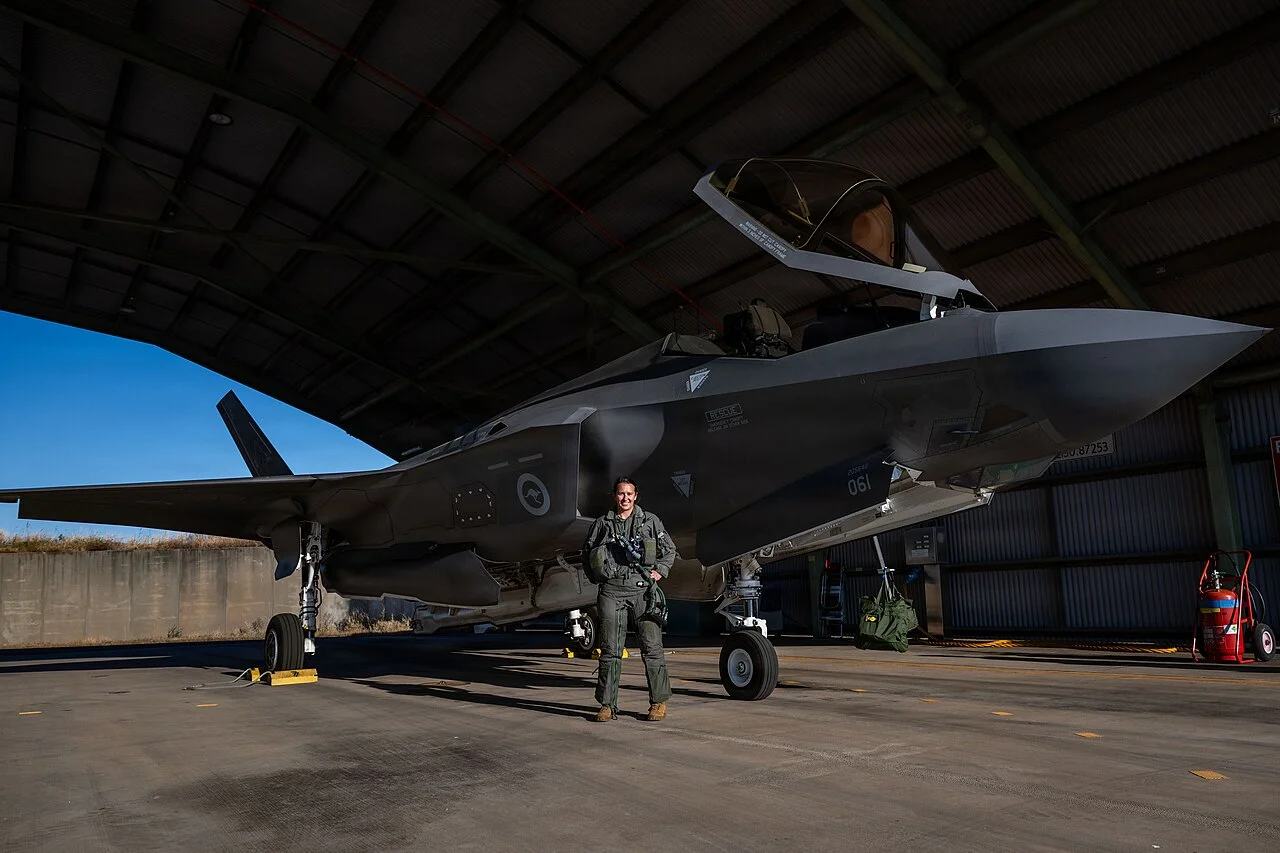
F-35 Sustainment and Canopy Repair Take Priority
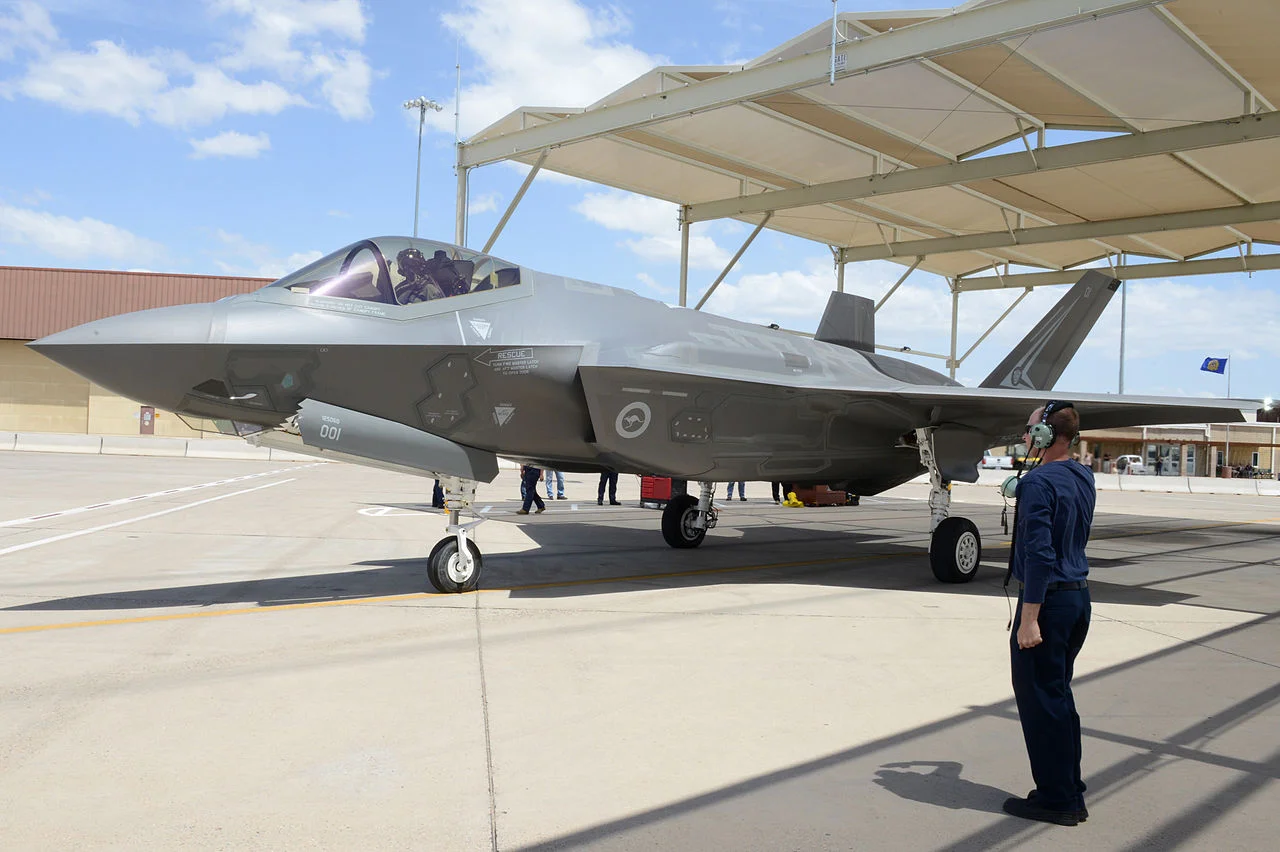
The precinct will provide program management support to Lockheed Martin Australia’s F-35 sustainment team. The company describes this team as its largest international F-35 sustainment operation.
A dedicated canopy-repair capability sits at the centre of that sustainment push. The new diagnostic, repair and test infrastructure is meant to cut Australia’s reliance on overseas assistance for that work.
Lockheed Martin Australia says the upgrade will strengthen the Royal Australian Air Force’s operational resilience. It will also support F-35 operations for other regional operators, reinforcing supply chains across the Indo-Pacific.
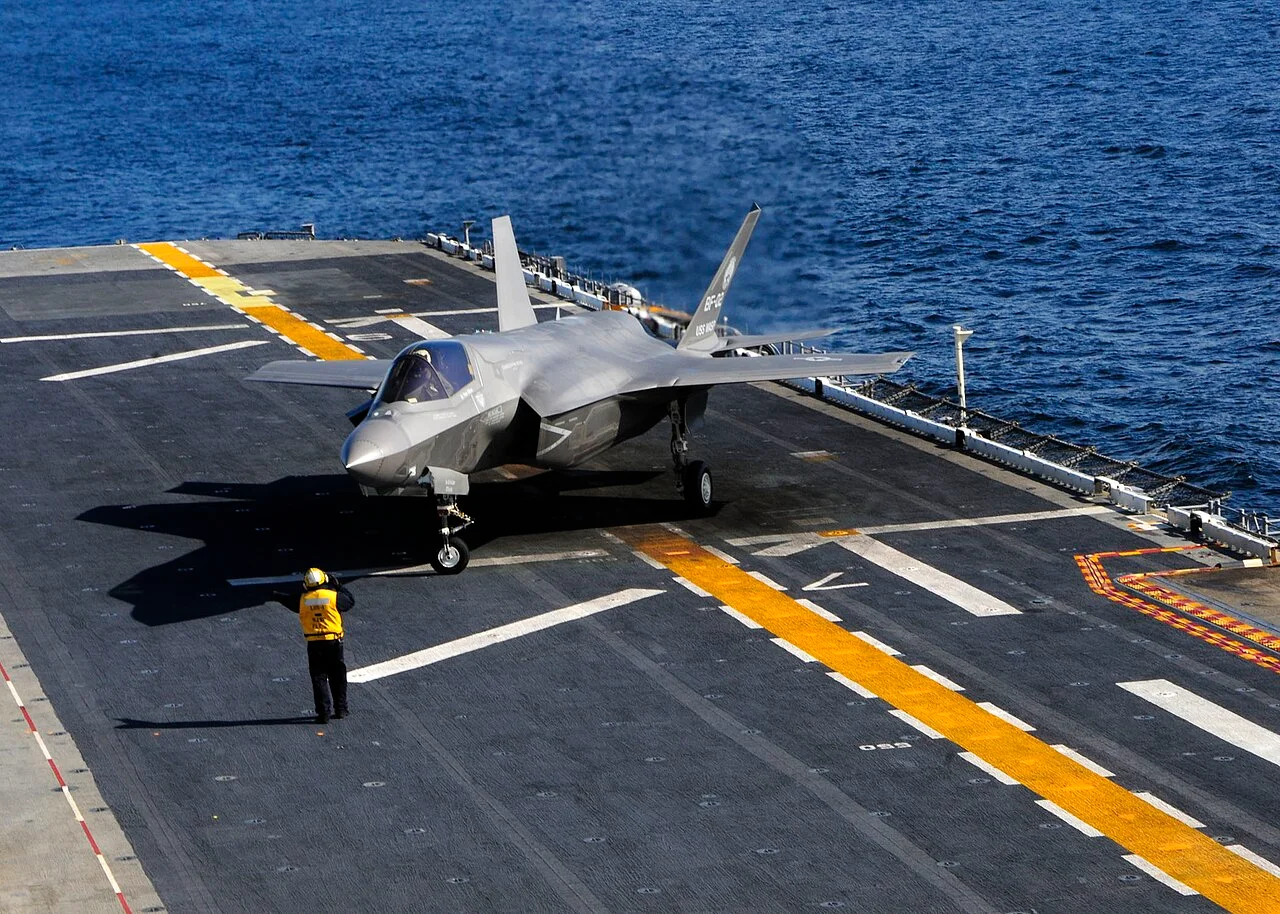
Jeremy King On Australia’s Place in the Global F-35 Supply Chain
Lockheed Martin Australia and New Zealand chief executive Jeremy King linked the investment to the company’s obligations under existing defence contracts. King said:
“As Defence’s strategic partner on AIR6500 and F-35, we recognise our duty to uplift Australia’s defence industry from the ground up, turning skilled talent into critical capability,”
King, a retired major general, expanded on that goal in a separate interview with Defence Connect at the Williamtown site. He said the precinct gives the company’s existing F-35 work “a home” while creating room to grow. As reported by Defence Connect, King told the outlet:
“We’re already supporting F-35 here, but it means we can do a more mature solution, stand up and continue to expand into what we do as a supply to the global supply chain for all the operators”
King also connected the precinct to Australia’s Joint Air Battle Management System. “So, this will be a home for both the Joint Air Battle Management System as it grows to become the air combat and missile defence capability for Australia,” he said in the same interview.
He framed the wider site as room for future growth beyond the current build. “The Air Power Precinct will only take up a portion of that (total) area and so it leaves enormous opportunity for other options as we look to what government will ask of us,” King said.
Jobs And Economic Impact for the Hunter Region
Lockheed Martin Australia expects the project to generate more than 200 jobs during construction. It also expects to create more than 60 new aerospace jobs tied directly to the build.
Once operational, the precinct is set to sustain more than 230 ongoing engineering and technical roles. Local suppliers and small-to-medium enterprises will also gain new opportunities to enter the defence supply chain.
King described the regional benefit in economic terms, saying that the Lockheed Martin Australia precinct generated “important economic benefits” for the Hunter region:
It creates opportunity for jobs growth, small-to-medium enterprise innovation, reinforces supply chain resilience, and positions the Hunter defence community as a strategic hub in the Indo-Pacific F-35 and IAMD ecosystem,”
Local Reaction in the Hunter Region
Not every response to the announcement has been positive. Some Newcastle-area activist groups have opposed a growing military footprint at Williamtown.
These groups argue the Hunter’s economic transition should prioritise renewables, healthcare, mine rehabilitation and housing instead of defence expansion. Lockheed Martin Australia, for its part, frames the precinct as a driver of broader regional economic diversification rather than a departure from it.
All in All
Built has already started site work following the 3 July ceremony. Lockheed Martin Australia says the timeline is being fast-tracked to reach full operation by 2028.
Lockheed Martin Australia is headquartered in Canberra and employs more than 1,900 people across the country in aerospace, defence and civil sector programs. The Williamtown precinct adds a new, permanent piece to that national footprint, one the company says will anchor its F-35 and IAMD work in Australia for years to come.


.jpg)
