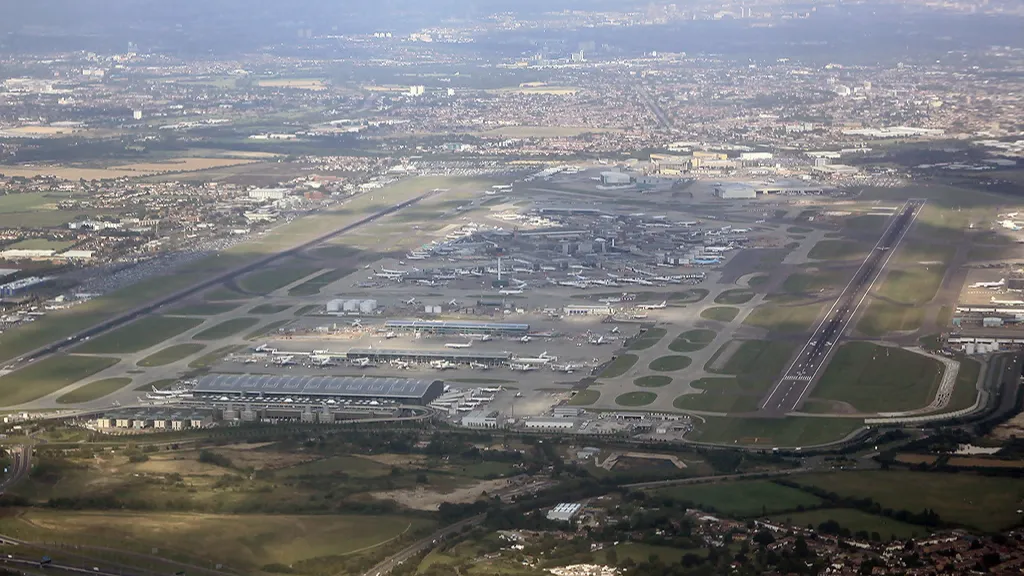
London Heathrow Airport (LHR), the United Kingdom’s primary gateway for international aviation and one of the busiest airports in the world, has confirmed it will unlock a £1.3 billion investment in 2026 to begin transformative upgrades to airport infrastructure and ground operations.

The deployment of capital will focus on major enhancements across Terminal 4 and Terminal 2, a new baggage-handling system capable of processing up to 31,000 bags per day, accessibility advancements, and the rollout of artificial intelligence (AI)-driven technologies to improve operational efficiency. Heathrow has also emphasised that this funding will support the broader UK supply chain, generating economic benefits beyond the airport’s perimeter.
Google Flights vs Skyscanner: Which Is Better for Finding Cheap Flights in 2025?
Heathrow’s £1.3 billion Investment for 2026: Components and Strategic Drivers
According to Heathrow itself, the aerodrome was named “named the most punctual hub in Europe this year “. Around the end of last year, the airport got a green signal for the construction of its decade-awaited third runway. The various aspects of Heathrow’s more than a billion-dollar investment in 2026 include:
Terminal 4 redevelopment
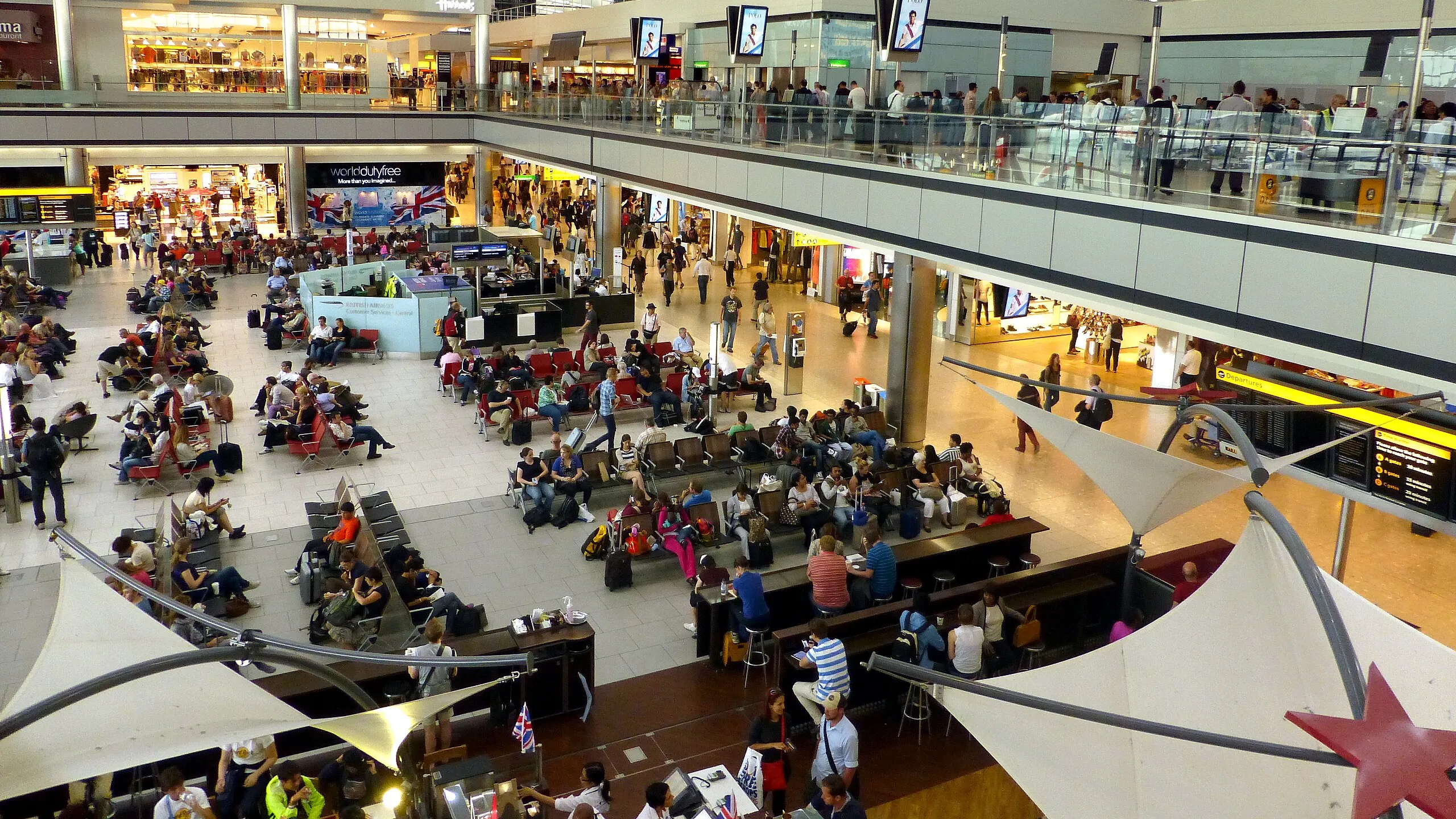
Construction will commence on a comprehensive revamp of Terminal 4, including the development of a new multi-storey car park and an upgraded check-in area. The works will be delivered in phases to ensure that Terminal 4’s day-to-day operations continue uninterrupted, with full completion targeted for 2031.
Terminal 2 baggage system upgrade
Work will also begin on a new, dedicated baggage-handling system for Terminal 2. Once operational, the system will:
-
Increase resilience and efficiency in luggage processing.
-
Process 31,000 bags per day, this system aims to reduce operational costs for airlines by lowering the incidence of misconnected luggage.
-
Engineering and construction are to be delivered via Heathrow’s H7 Framework Alliance led by partners including Costain.
AI-enabled aircraft stand monitoring
Heathrow is installing a new network of cameras across its aircraft stands, using artificial intelligence to analyze operational data and accelerate aircraft turnaround times. Implemented in collaboration with airlines and ground handling partners, the rollout will extend across all terminals, with full airport-wide coverage expected by the end of 2026, improving punctuality and reducing costs for carriers.

Operational impact on airlines and passengers
The 2026 investment is expected to deliver wide-ranging benefits. For airlines, it will provide:
- Faster ground handling and turnaround times via AI systems.
-
Lower baggage-related delays and associated costs.
-
Modernised infrastructure for future fleet requirements.
For passengers, they will have improved terminal environments and circulation, higher reliability and reduced delays, alongside enhanced accessibility services for passengers with reduced mobility. Echoing these sentiments, Heathrow CEO Thomas Woldbye said:
“Passengers should expect that every time they travel through Heathrow their journey is better than the last. Last December, we said we’d invest in operational performance and this year we’re the most punctual hub in Europe, almost 99% of bags travelled on expected flights and 97% of security queue times were below 5 minutes, and in January, all passengers in all four terminals will benefit from going through new next generation security. I’m excited to unveil next year’s programme which will make Heathrow more user-friendly, more efficient and more resilient for our customers. This investment will flow directly into our nationwide supply chain helping to drive economic growth whilst we make Heathrow even better and more efficient for our customers.”
Industry analysts also suggest these investments occur at a time when Heathrow remains critical to UK tourism and global connectivity, reinforcing LHR’s competitiveness compared with other European hubs.
All in All
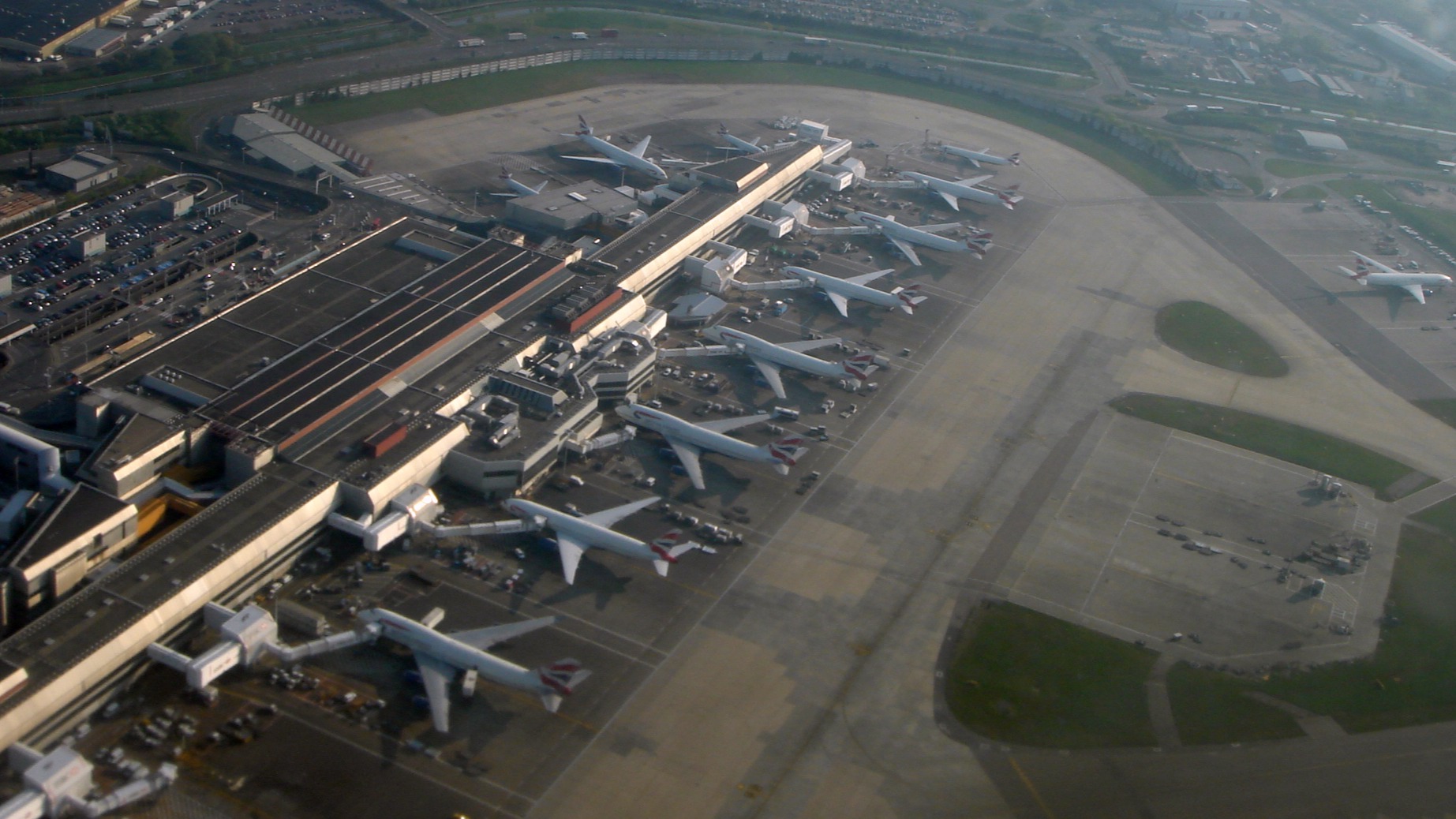
This £1.3bn programme is a component of a wider Heathrow strategy to become an extraordinary airport, fit for the future through investments stretching beyond 2026. Longer-term plans include sustainability initiatives, capacity expansion debates including a third runway, and phased modernisation across all terminals to support future aviation growth, and these are set to have a range of impacts such as:
| Category | Core Focus |
|---|---|
| Tourism and passenger demand | Accommodate growth in passenger numbers |
| Passenger experience | Improve efficiency and comfort |
| Terminal upgrades | Enhance capacity for international arrivals |
| First impression of the UK | Strengthen gateway role |
| Airline and ground handling coordination | Integrate new systems |
| Tourism partnerships | Align airport services |
| Sustainability | Reduce environmental impact |
| Long-term positioning | Balance efficiency and responsibility |
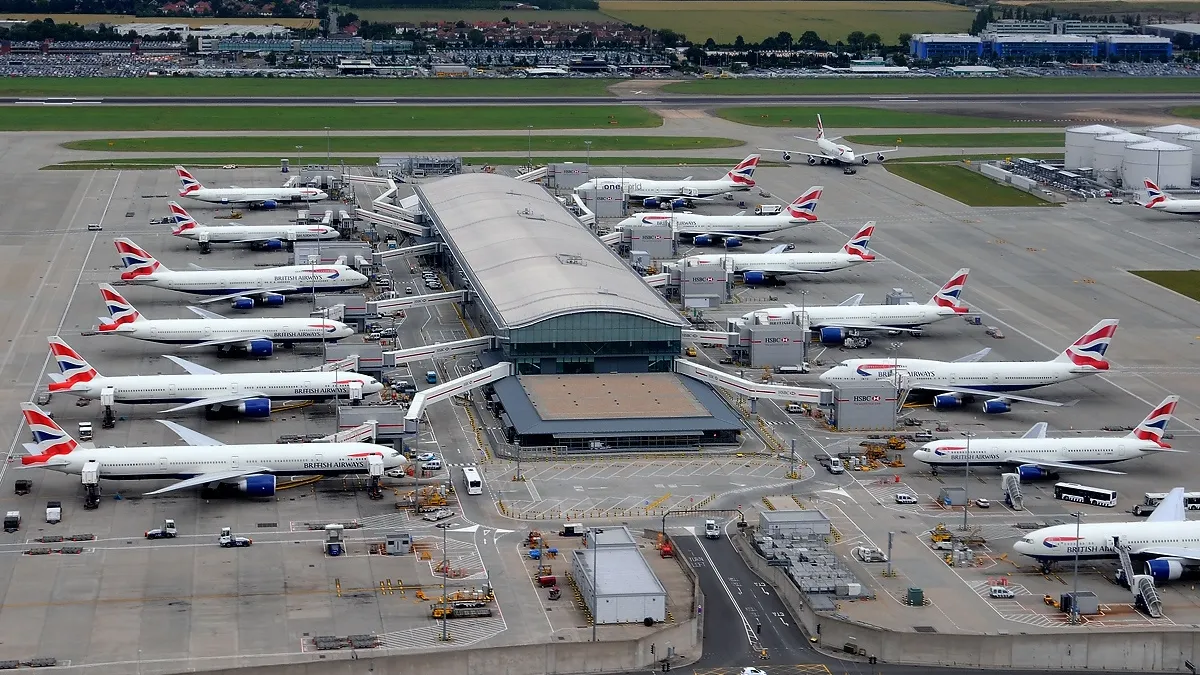
Photo: Kenneth Iwelumo | Wikimedia Commons
The network effects of Heathrow’s growth reinforce its value in UK economic strategy, tourism, and global connectivity, making infrastructure investment central to long-term competitiveness.
_17.jpg)
_AN1572653.jpg)


