Gulf Air (GF), the national carrier of the Kingdom of Bahrain, has confirmed interest in the Airbus A321LR (Long Range) as part of a broader fleet expansion and network growth strategy. CEO Martin Gauss made the remarks in an interview published June 15, 2026, by aeroTELEGRAPH, in which he also outlined plans for new European routes including Zurich and spoke candidly about how the Iran conflict forced Gulf Air to relocate its entire flight operation to King Fahd International Airport (DMM), Dammam, Saudi Arabia, for 40 days. Gauss, who took over as CEO on November 4, 2025, has spent his first seven months at the airline developing a new ten-year strategy set to be published within weeks.
Gulf Air currently serves approximately 54 destinations from Bahrain International Airport (BAH), Bahrain. In October 2025, it returned to North American skies for the first time since 1997 with three weekly flights to John F. Kennedy International Airport (JFK), New York, operated by the Boeing 787-9 Dreamliner. The airline now plans to significantly expand its network, modernize its cabin product, and reposition itself as a premium connectivity provider for the Kingdom of Bahrain and the wider Gulf region.
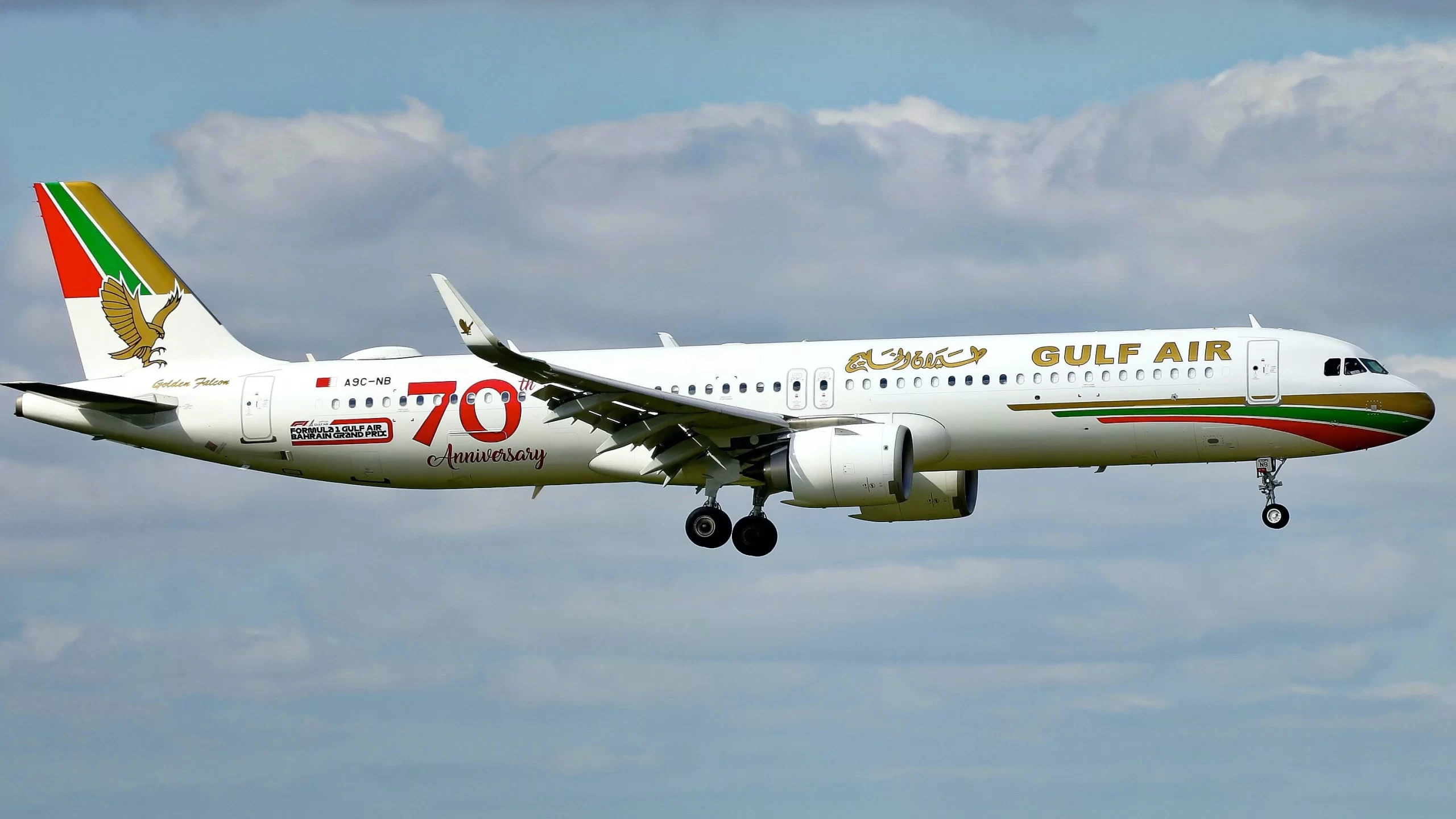
Gulf Air’s Interest in the Airbus A321LR
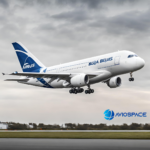
In the interview, Gauss confirmed Gulf Air’s interest in the Airbus A321LR, stating that the aircraft would give the airline greater flexibility to expand its network and serve additional routes.
When asked whether Gulf Air was also considering the extended-range Airbus A321XLR, Gauss said the airline is examining both variants. However, he indicated the LR appears sufficient for most of the network’s needs.
According to Gauss, Gulf Air is evaluating both the Airbus A321LR and A321XLR, though current assessments suggest the airline can achieve all of its planned network objectives with the A321LR. He added that Gulf Air’s network team is continuing to study both aircraft as part of the carrier’s ongoing strategic review.
According to Aviation Week, which spoke to Gauss on the sidelines of the IATA annual general assembly in Rio de Janeiro on June 6, 2026, Gulf Air is interested in operating A321LRs on lower-demand routes that are too thin for the 787 widebody. Gauss told Aviation Week that the A321XLR is not necessary, as roughly 90% of the potential markets can be served by the LR variant. Three A321s will be transferred to Beond, which is setting up a joint venture with Gulf Air.
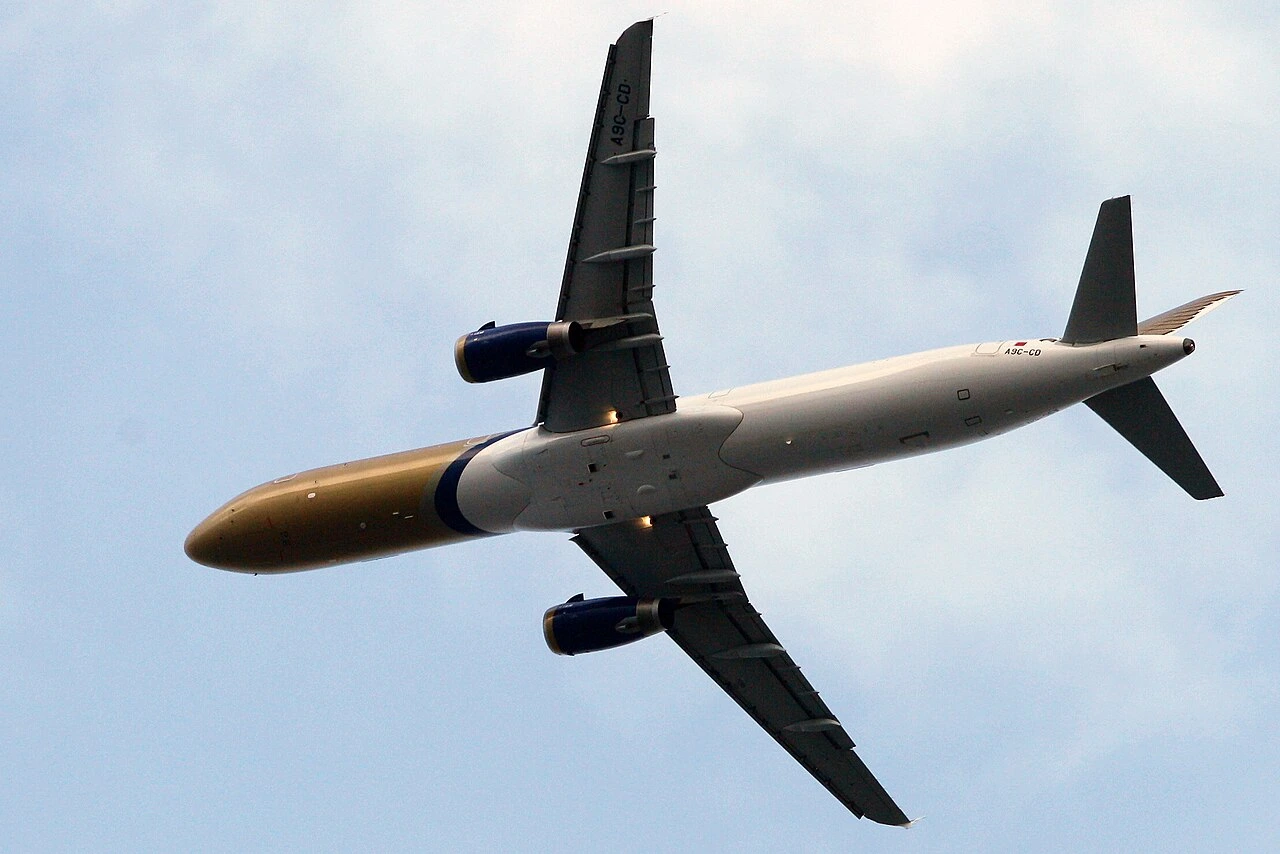
Zurich And European Expansion on Gulf Air’s Route Map
Gauss also addressed Gulf Air’s European ambitions in the interview. The airline currently serves Frankfurt International Airport (FRA), Frankfurt, Geneva International Airport (GVA), Geneva, and Munich International Airport (MUC), Munich, in the German-speaking world. When asked about expansion plans in these markets, Gauss was direct.
Speaking to aeroTELEGRAPH, Gauss said Gulf Air sees a strong business case for launching flights to Zurich, noting that both Bahrain and Zurich are major financial centers with significant economic ties.
He described Geneva as a seasonal destination, but indicated Zurich would be a more permanent commercial priority. The statement is the first public confirmation of Gulf Air’s intent to add Zurich Airport (ZRH), Zurich, to its network.
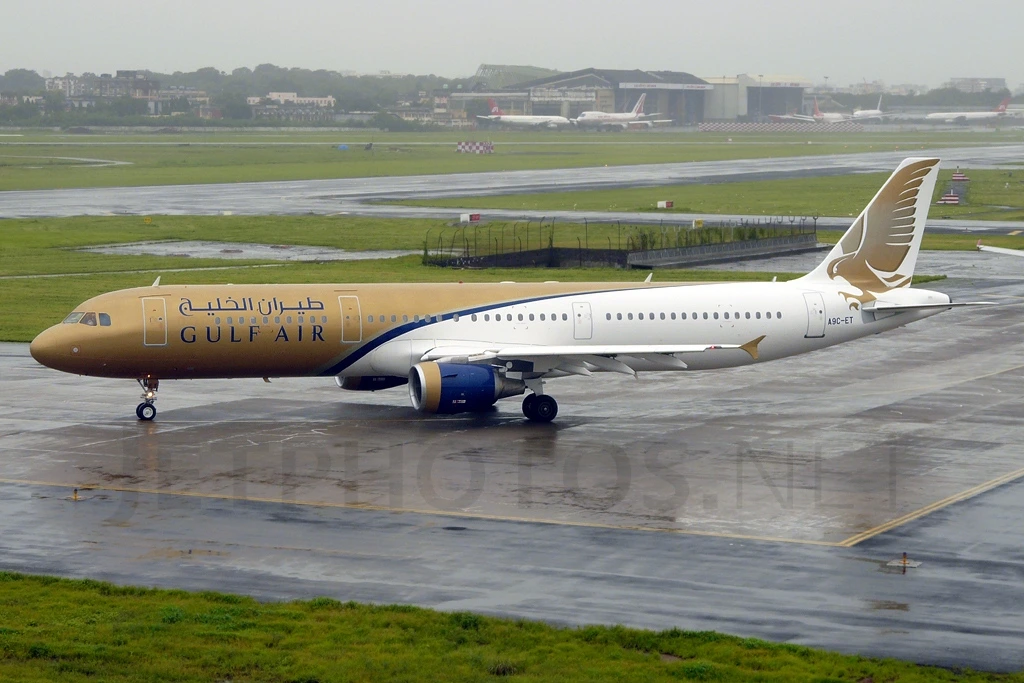
Gulf’s Premium Economy is Coming, while Economy Being Overhauled
One of the most concrete strategic announcements from Gauss concerns the cabin product. Gulf Air will expand its Business Class and introduce a new Premium Economy cabin.
Gauss was equally focused on the Economy cabin, which carries the majority of Gulf Air’s passengers. Gauss stressed that while Gulf Air plans to strengthen its premium offerings, improving the Economy Class experience remains a major priority. He noted that most of the airline’s passengers travel in Economy and said Gulf Air still has significant work to do in areas such as digitalization, customer service, and the overall passenger experience.
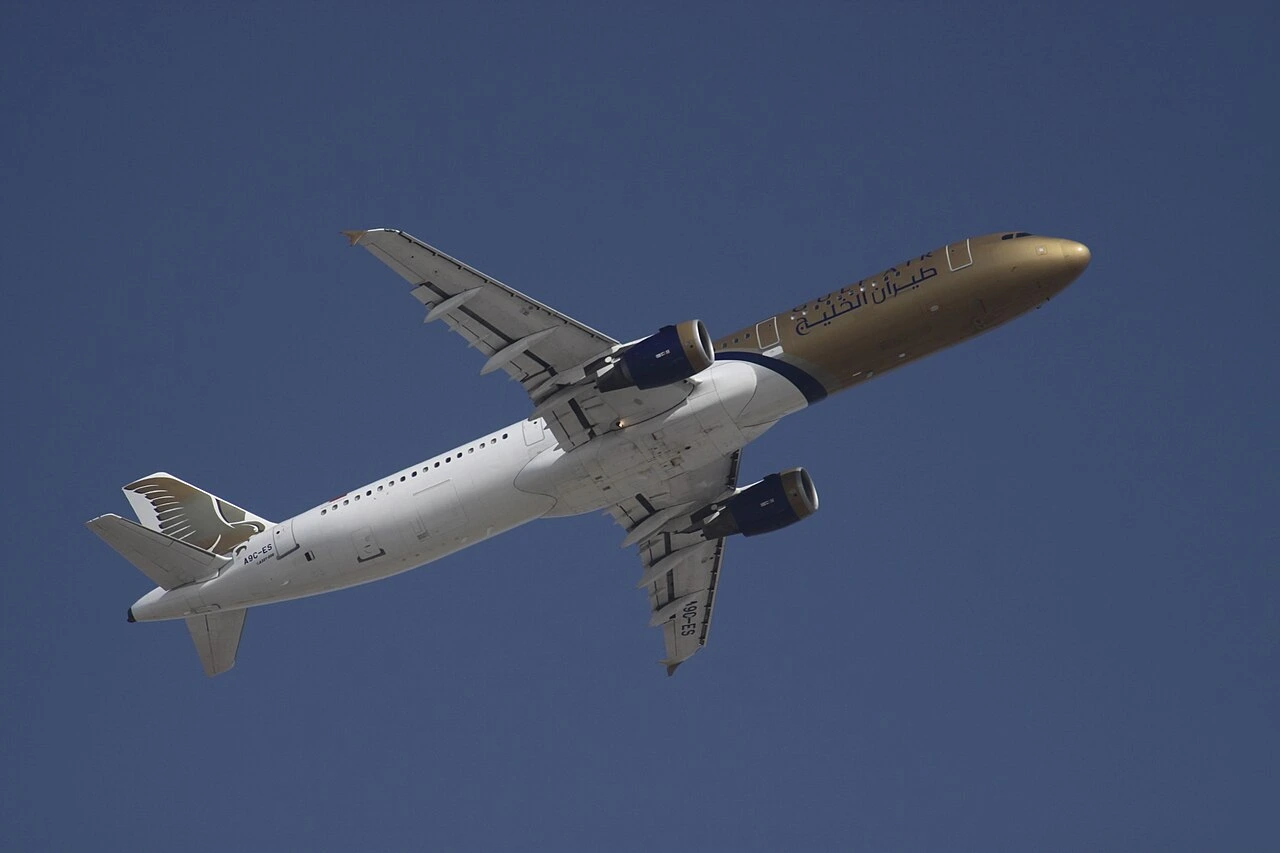
More 787s, Possible Regional Jets for Gulf Air
Gulf Air’s widebody fleet strategy was confirmed at the Dubai Airshow in November 2025, when Gauss signed a firm order for 15 Boeing 787-9 Dreamliners, with options for three more. This added to an earlier commitment from July 2025 and brings Gulf Air’s total 787 order book to 17 aircraft. The airline already operates ten 787-9s.
He also addressed the question of smaller regional aircraft. Gauss told aeroTELEGRAPH that if Gulf Air wants to increase Bahrain’s domestic and regional connectivity, it may need aircraft with lower per-flight costs. Two types are under consideration:
- The Embraer 195-E2
- The Airbus A220
However, Gauss was careful to say these would remain supplementary. The primary growth priority remains expanding the Airbus A320neo and A321neo fleets. He confirmed the last Airbus A320/321ceo aircraft are scheduled to be phased out by the end of 2026, to be replaced by A320neo family aircraft. Here’s a look at the carrier’s curernt fleet:
| Aircraft Type | In Service | Parked | Current Total | Avg. Age |
|---|---|---|---|---|
| Airbus A320 | 16 | 1 | 17 | 10.3 Years |
| Airbus A321 | 13 | 5 | 18 | 5.8 Years |
| Boeing 787 Dreamliner | 8 | 2 | 10 | 7.1 Years |
| Total | 37 | 8 | 45 | 7.8 Years |

.jpg)
.jpg)
.jpg)
.jpg)