
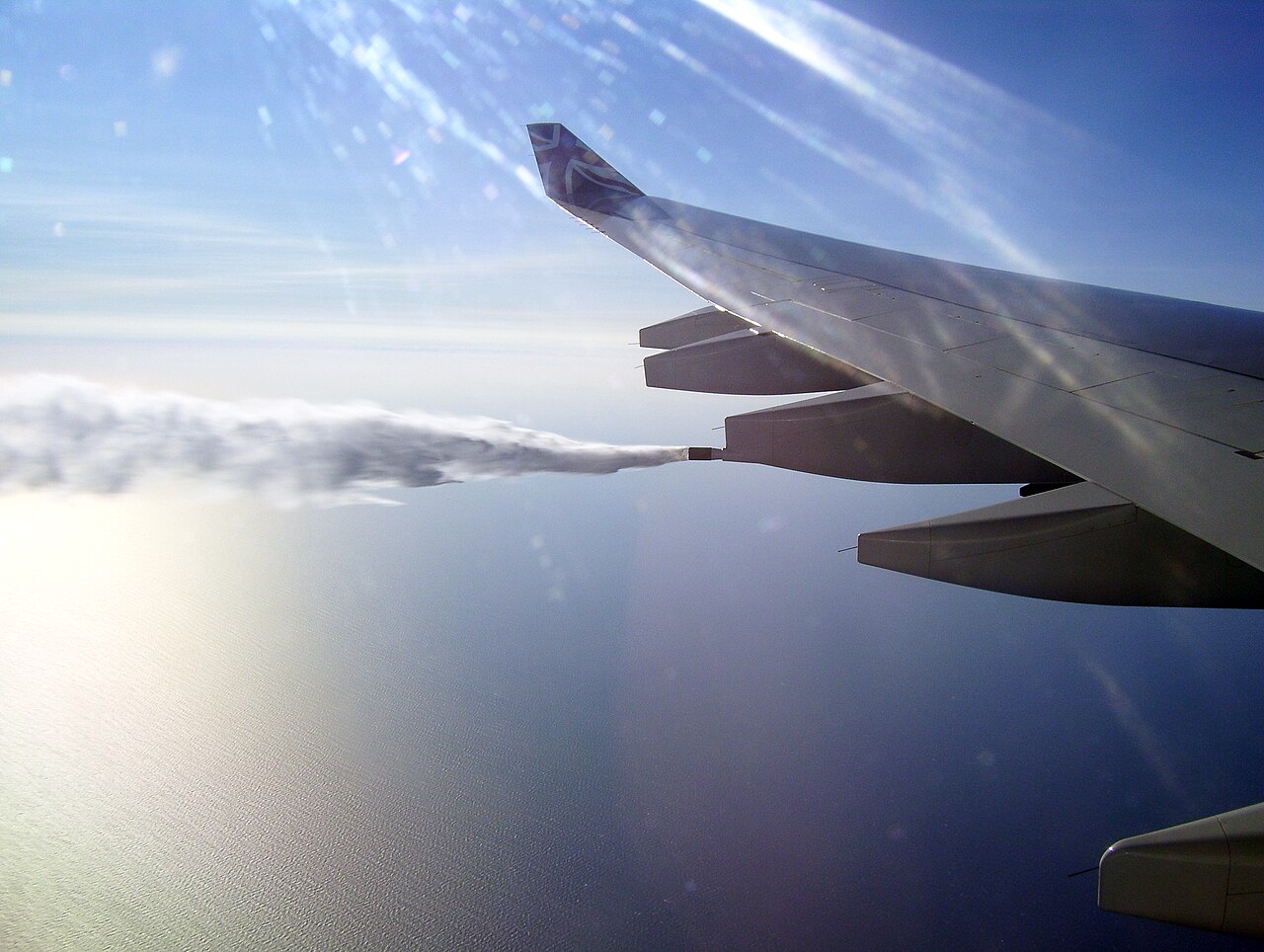
Fuel dump of an Airbus 340-600 over the Atlantic near Nova Scotia
Sometimes, the wispy white trails that follow an aircraft on its flight aren’t contrails but fuel that has been dumped by aircraft. This is also known as fuel jettison. Fuel dumping is a last-resort maneuver whereby a plane releases fuel in mid-air. This may seem environmentally unfriendly, but it is a critical safety measure in aviation. Like fuel tankering and other environmental problems associated with aviation, fuel dumping is worth looking at closely.
Why a plane dumps fuel mid-flight comes down to weight considerations. Much in the way that airplanes have a maximum takeoff weight, they also have a maximum safe landing weight. If an emergency arises, like an engine malfunction or a medical situation on board, and the plane needs to land unexpectedly. However, the plane might still have too much fuel. As airplane fuel can be as heavy as 6 pounds per gallon, it becomes pertinent for aircraft to shed off the fuel to allow for safe landings.
However, fuel dumping isn’t without consequences. The jettisoned fuel doesn’t simply disappear. At high altitudes, some of it may combust, contributing to air pollution. At lower altitudes, the unburnt kerosene can disperse and potentially contaminate water sources, soil, and ecosystems. Let’s explore the environmental consequences of fuel dumping in this article.
Shedding weight in an emergency: Why fuel dumping takes place?
Take the case of the Airbus A380, for example. This largest passenger airplane ever made, can hold around 82,000 gallons of fuel – each of its ten tanks can, individually, accommodate 8,200 gallons of fuel. Here’s how much fuel it burns, on average:
- 4,062 gallons per hour or 67 gallons per minute and close to one gallon a second [8,000 to 9,000 gallons during takeoff]
- 70,000 gallons during cruising.
- 0.012 gallons per passenger per mile
- 400 and 700 gallons during taxiing
A380 has a maximum takeoff weight of 560,000 kg (1,234,600 lbs) and a maximum landing weight of 386,000 kg (850,984 lbs). If the aircraft experiences an engine failure or a medical situation on board, the excess weight of the aircraft would render it unsafe to lnad without jettisioning fuel. If the emergency to land the aircraft doesn’t allow extra time to dump fuel, landing the plane can put immense stress on the aircraft’s landing gear and brakes.
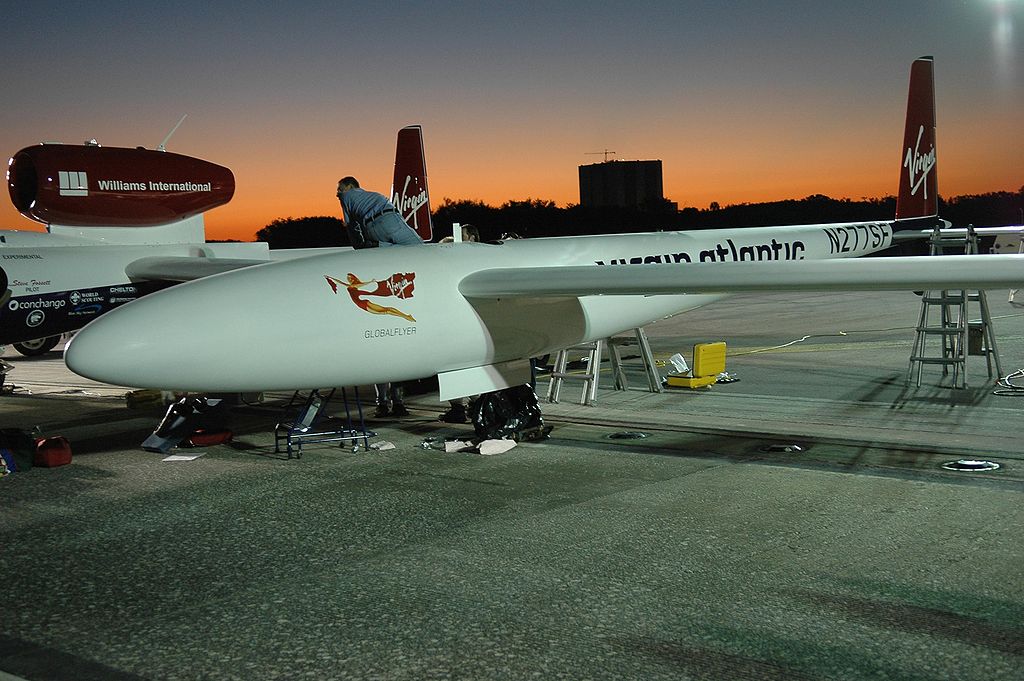
With a fuel fraction of nearly 85%, the GlobalFlyer could carry 5 times its weight in fuel.
A lighter aircraft, on the other hand, which is comparatively easier to manoeuvre and control in tense situations might not encounter the same problem, though. Regardless, there are a few criteria that aircraft should follow before dumping fuel, reports Skybrary:
“The average rate of fuel jettison must be at least 1 percent of the maximum weight per minute, except that the total time required to jettison the amount of fuel to reduce the aircraft weight from maximum takeoff to maximum landing need not be less than 10 minutes. For type certification, fuel jettisoning must be demonstrated at maximum weight with flaps and landing gear up and in a power-off glide at a speed 1.4 VS. It must also be demonstrated during climb with the critical engine inoperative and the remaining engines at maximum continuous power. Fuel jettisoning must also be demonstrated during level flight at 1.4 VS if the glide and climb tests show that this condition could be critical.”
How does fuel dumping take place?
Flight crew has access to the aircraft manufacturer’s guidance on the fuel dump system. If the aircraft is devoid of dump system making the aircraft heavier than the maximum landing weight, the pilots should take the following into account:
- minimum runway requirements
- maximum touchdown rate of descent
- use of stopping devices
Crew generally heed the advice of air traffic controllers (ATC), who generally instruct where and at what height dumping is safe to carry out. Dumping fuel at an altitude of around 5,000 ft (six times lower than the height of Mount Everest) to 6000 ft AGL makes sure that the fuel evaporates/ dissipation before reaching the ground.
Bird Strike Prevention: Technologies and Prevention Strategies
Manufacturers often don’t have regulations regarding fuel dumping for exceptional cases, such as in-flight fire, claims Skybrary: “in the event of an uncontrollable fire, crews are advised not to delay landing and subsequent evacuation in order to reduce the landing weight by dumping fuel“. The fuel dumping system of an aircraft can dump more than a thousand pounds of fuel per second.
The fuel dumping system of an aircraft comprises of pumps and valves that divert fuel to the tip of the wing’s planes. The system can be activated from the cockpit (by the pilot). After activation, the fuel is dumped from the wingtips, often appearing as a contrail. To ensure that not all fuel in the aircraft is jettisioned all at once, the pilot also has failsafe system. Pilots are privy to how much fuel has been dumped and how much remains. 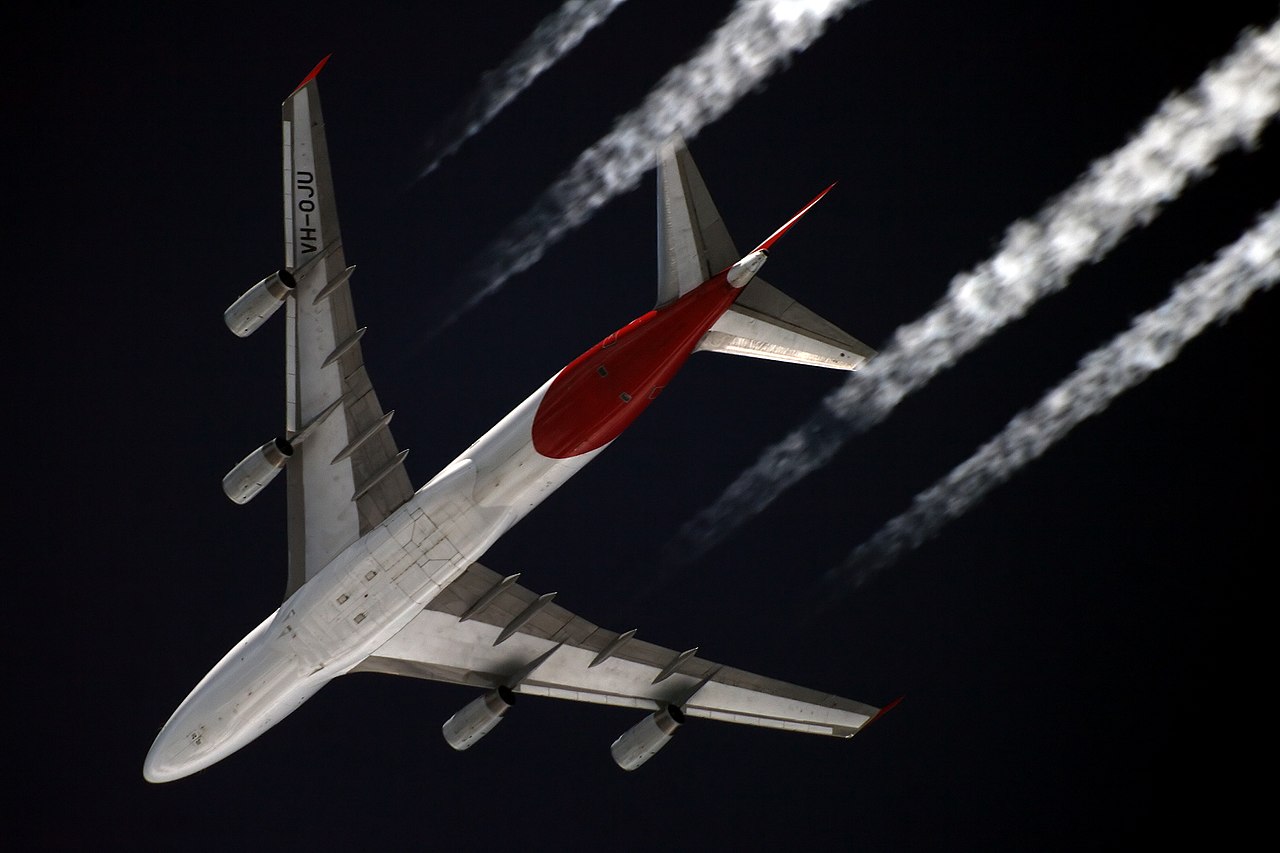
Photo via Wikimedia Commons
Contrails of a Boeing 747-438 from Qantas at 11,000 m (36,000 ft)
It is only the bigger planes that dump fuel
Not all commercial aircraft can jettison fuel. Widebody jetliners such as the Boeing 787, Boeing 777, the Airbus A350 (which is deployed on the longest non-stop flight around the world), etc., can jettison fuel. Flight Radar 24 reported that the Boeing 757 didn’t need a jettisioning system because the aircraft’s MTOW and landing weight were fairly similar. The same publication also reported that smaller planes (and sometimes even larger ones) might not even need this system:
“Many planes are not fitted with the fuel dump feature, as it happens. That’s the case across most narrowbody planes like the 737, A320 and most regional jets. That’s because they meet specific criteria laid out by aviation regulators showing they can still perform critical maneuvers like a go-around before landing near maximum takeoff weight. At the same time, many larger airplanes don’t need to have a fuel dumping system installed either, though airline customers can have it as an option. That’s true on the Boeing 777 and the Airbus A330, among others.”
Much in the same lieu, it has been said that aircraft such as the Boeing 737 “don’t need to dump fuel when they can simply burn it off within a few orbits of the airport. If the plane needs to land urgently, the fuel onboard won’t significantly hinder the landing operations“.
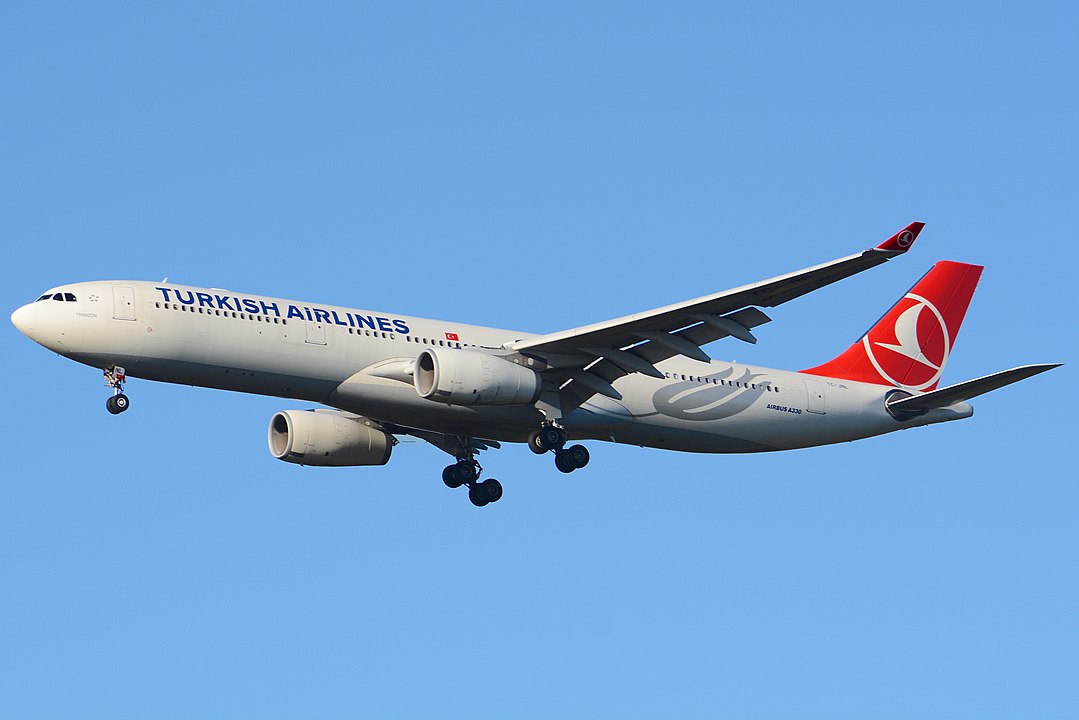
An Airbus A330-300, the first and most common variant, of Turkish Airlines
Military planes also jettison fuel
We might think that it is only the commercial airliners that are involved in fuel dumping, but that is not necessarily the case. Fighter jets such as the Su-30MKI and Mirage 2000 are also equipped with jettison systems. Wion reported that F-111 Aardvark had performed ‘dump and burn’ displays. The aircraft had done so by igniting the wake of fuel it dumped. A Russian Su-27 also had jettisoned fuel onto a US MQ-9 Reaper drone for tactical purposes. In the latter years of the 70s, almost 1000 military fuel dumpings were performed in the US.
Top 5 Must-See Aircraft At The National Museum Of The US Air Force
Citizensustainable.com’s review shows that the military jettisoning might be more common than we think:
.”.. according to one 2020 analysis of unmanned military flights, they suggest that within the design of such aircraft, fuel dumping is a standard procedure during takeoff. Similar findings in a 2022 review also seem to suggest that fuel dumping is a more regular byproduct of military aircraft activity, as they write on studies of remedial actions carried out to test how aviation fuel could be removed from polluted soil around military areas. Though, in this review, it’s worth mentioning the study in question was carried out in Poland rather than the US.”
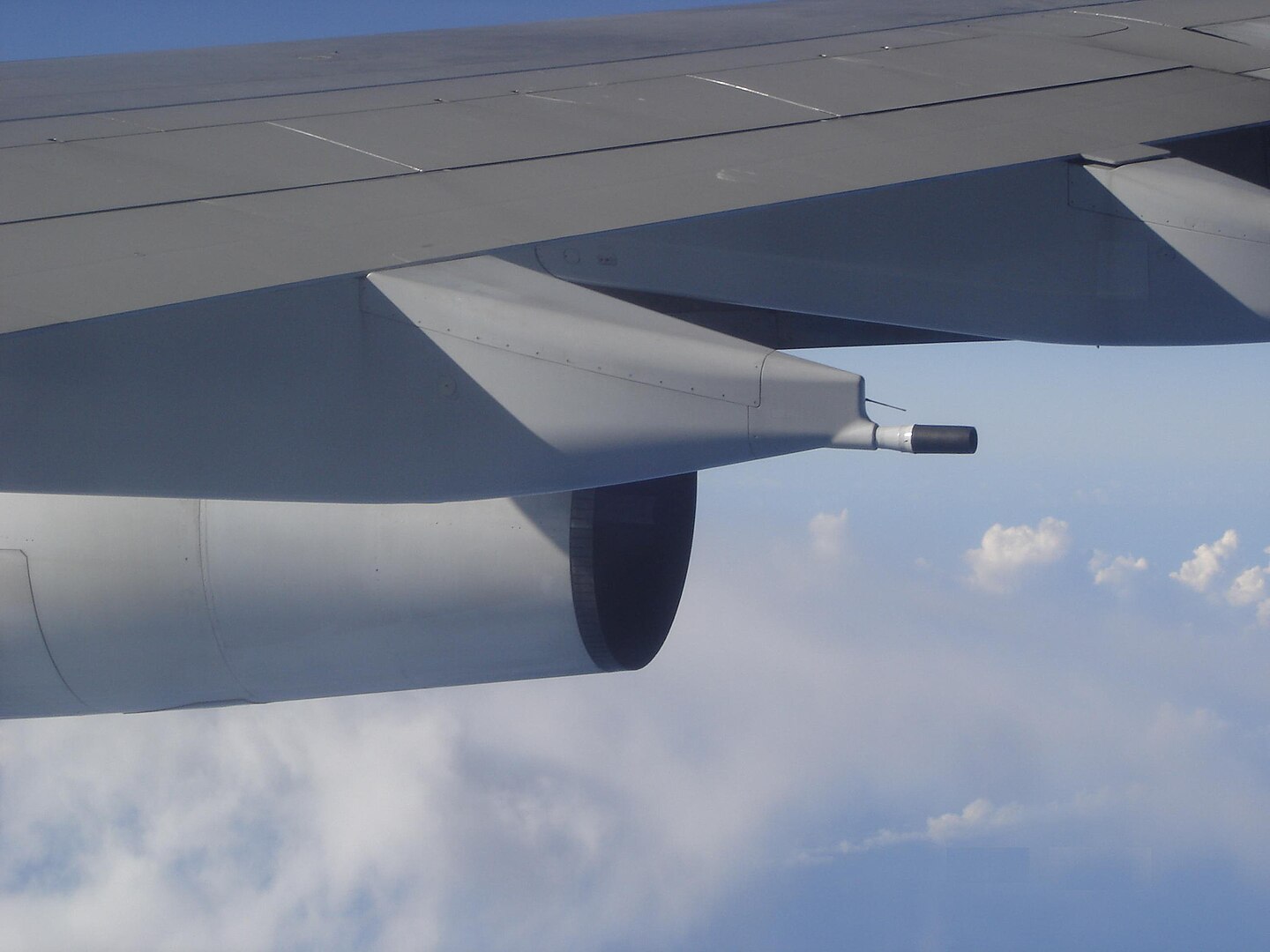
Fuel dump nozzle of an Airbus A340-300
The Murky Reality of Fuel Dumping: Unreported Events
The FAA reported less than thirty fuel dumps each year for all years between 2015 and 2020. The rate of fuel dumping was extraordinarily low- 0.00000588% of flights per year [ US experienced an average of more than 25.5 million flights in its airspace per year, with yearly average flight dumping reported being 15]. FAA did mention that it could account “only account for reported fuel dumping incidents, reported figures do not account for possible outlier instances of flights that dumped fuel during a non-emergency
situation; for example, if a pilot erroneously thought the aircraft was overweight, and was on approach to the destination airport“.
As this data is for reported fuel dumping over the US, one wonders what the scale of the dumps are worldwide.
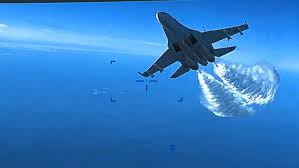
Military jet dumping fuel
Understanding the environmental impacts of fuel dumping
In 2020, a Boeing 777 operated by Delta Air Lines flying from Los Angeles International Airport (LAX) to Shanghai Pudong International Airport (PVG) was forced to return to LAX shortly after takeoff. The engine problem encountered during the flight forced the crew to dump fuel when the aircraft was at an altitude of merely 2,000 ft. The aircraft dumped almost 15,000 gallons of fuel, a portion of which found its way over the bodies of kids in an elementary school. A former Boeing 777 captain, in addition ot expressing his surprise that dumping took place at such a low altitude, also opined that almost 20,000 gallons of fuel might have been jettisoned.
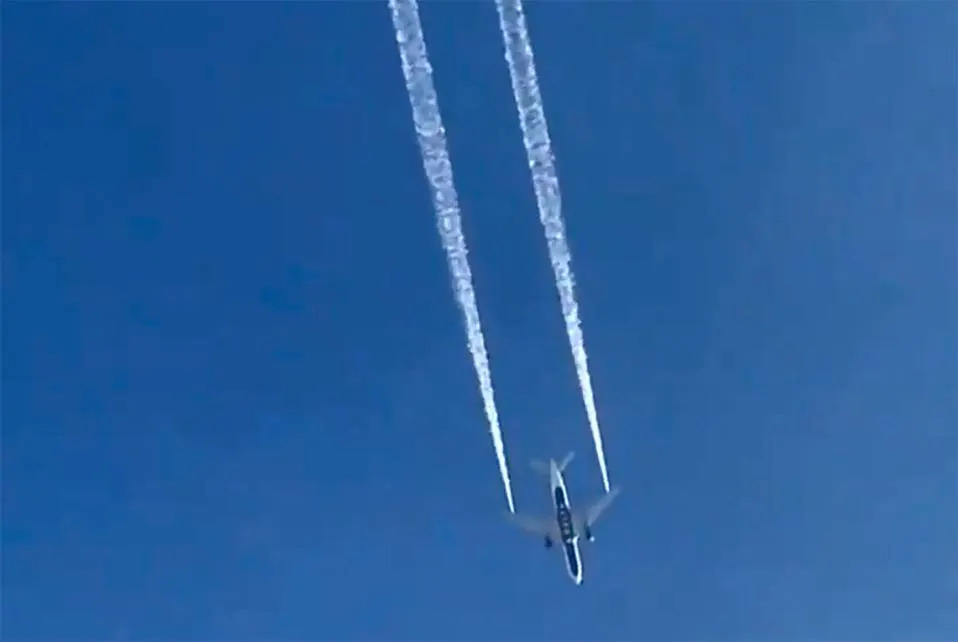
Different states in the US have different laws regarding the penalties of dumping waste, though these are not quite specific with regards to whether they exclusively refer to fuel dumped from planes: wastes dumped into public properties (into sewers, waterways) or one’s land without being licensed to do so.
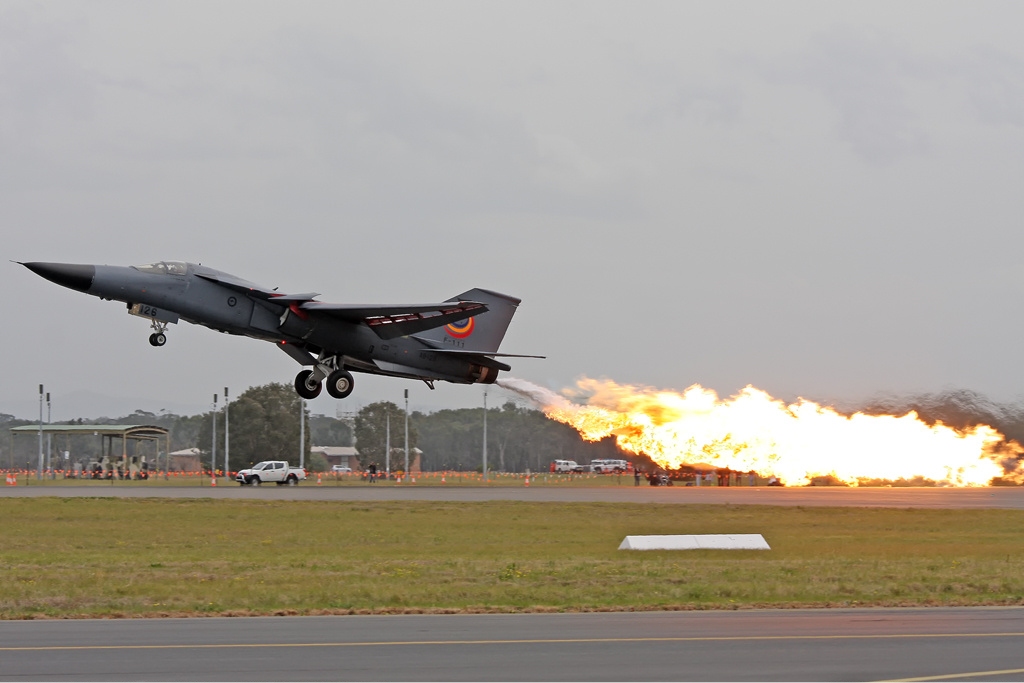
RAAF F-111 performing a dump-and-burn.
Helen Krasner, a pilot with 15 years of experience flying fixed-wing aircraft, says that there are negligible environmental impacts of fuel dumping. If the volatile aircraft fuel is dumped at a considerable height (over 5,000 ft), fuel doesn’t reach the ground and there are virtually n impacts of land pollution as a result. This is because jet fuel contains different hydrocarbons, including benzene – an exposure to which would decay plants and contaminate groundwater.
However, things aren’t as simple.
At high atitudes, the jet fuel is crystallized
Most aircraft cruise at an altitude of over 35,000 ft, almost above the clouds, though this is not the case for helicopters. The highest landing of a helicopter has been at the top of Mount Everest, an altitude of around 29,000 ft. Ordinarily, at such an altitude the temperature is below -50°C. Jet-A fuel, which powers most US aircraft, has a cloud point of -47 °C (or -52.6°F), meaning that fuel dumped at such altitudes crystallizes into solids and becomes “a mixture of the two states diffused into a cloud of vapor“. As this drops towards the Earth, temperature increases, and jet fuel evaporates.
Such water vapor has minimal direct warming impact. However, the Environmental and Energy Study Institute says:
“…its presence in the exhaust plume has an indirect impact by contributing to the formation of contrails. Water vapor in the exhaust instantly freezes when the ambient temperature is cold enough, as particulates in the exhaust form the nucleus of ice crystals. When the ambient atmosphere is sufficiently humid and cold, the small ice crystals expand as they draw water vapor from the atmosphere and are sustained as contrails that can spread horizontally and vertically to form contrail-induced cirrus clouds. These lingering contrails and contrail-induced cirrus clouds trap infrared rays, producing a warming effect up to three times the impact of CO2.“
However, the formation of contrails is not simply down to jet fuel dumping, but due to aviation, collectively:
The harmful gases released during dump and burn
Sometimes the jet fuel undergo a dump and burn process (whereby fuel is intentionally ignited using the plane’s afterburner). In regular flights, fuel is burnt slowly over time, but in the case of dump and burn, it burns in short powerful intervals (or at one go). Here are some figures that highlight the scale of pollution from commercial avaition:
- 707 million tons of CO2 emissions in 2013 [according to the International Council on Clean Transportation (ICCT)]. In 1920, this figure reached 920 million tons.
- The US accounted for 200 million tons (23 percent) of CO2 in 2017, with EPA reporting “that commercial airplanes and large business jets contribute 10 percent of U.S. transportation emissions, and account for three percent of the nation’s total greenhouse gas (GHG) production”.
- Global aviation accounted for 2.4 percent of total CO2 emissions in 2018.
- In 2018, 81 percent of global commercial aviation emissions were down to passenger flights while the remaining was due to freight transport.
The exhausts, elucidated in the table below, are associated with respiratory problems and might have different reactions on the body:
| Nitrous oxides | causes acid rain. |
| Carbon monoxide | Affects those with heart disease |
| Sulfur oxides | Can hinder plant growth |
Managing Fuel Dumping
The above figures indicate that the rising concerns of environmental sustainability are not simply down to fuel dumping but an increase in air transport in general. As the FAA report quoted above showed that jettisioning takes place in only 0.00000588% of flights per year, the effects of fuel dumping are practically non-existent. major problems associated with jettisoning comes when fuel is dropped when close to the ground, giving the jet fuel not enough altitude to evaporate. For this, an ASSIST program, as elucidated by Skybrary can help:
| A (acknowledge the emergency) | And provide information about areas where the fuel can be safely dumped |
| S – separate the aircraft from other traffic | And ensure that the dumping occurs at an altitude where the fuel will dissipate before reaching the ground |
| S ( silence) | Not attending non-urgent calls into |
| I (inform) | Letting necessary personnel (such as the supervisor, the airport emergency fire rescue services, and other departments) |
| S (support the flight) | By giving details such as:
|
| T (Time) | Giving enough time for the crew to assess the situation, and deal with it safely without pressing with non urgent matters. |