Air travel today offers more variety than at any point in aviation history. Passengers can choose between commercial airlines, business aviation, and fully private aircraft — each representing a distinct trade-off between cost, convenience, time, and comfort. The choice matters not just to the individual traveller but also to airlines, operators, and policymakers who shape how the skies are used.
This article examines all three modes of air travel in depth. It looks at who uses each option, what they pay, where they can fly, how safe each mode is, and what environmental consequences each carries. The goal is to help readers make an informed decision, whether they are booking a budget seat or chartering a jet for a board meeting halfway around the world.
What Is Commercial Aviation, And Who Uses It?
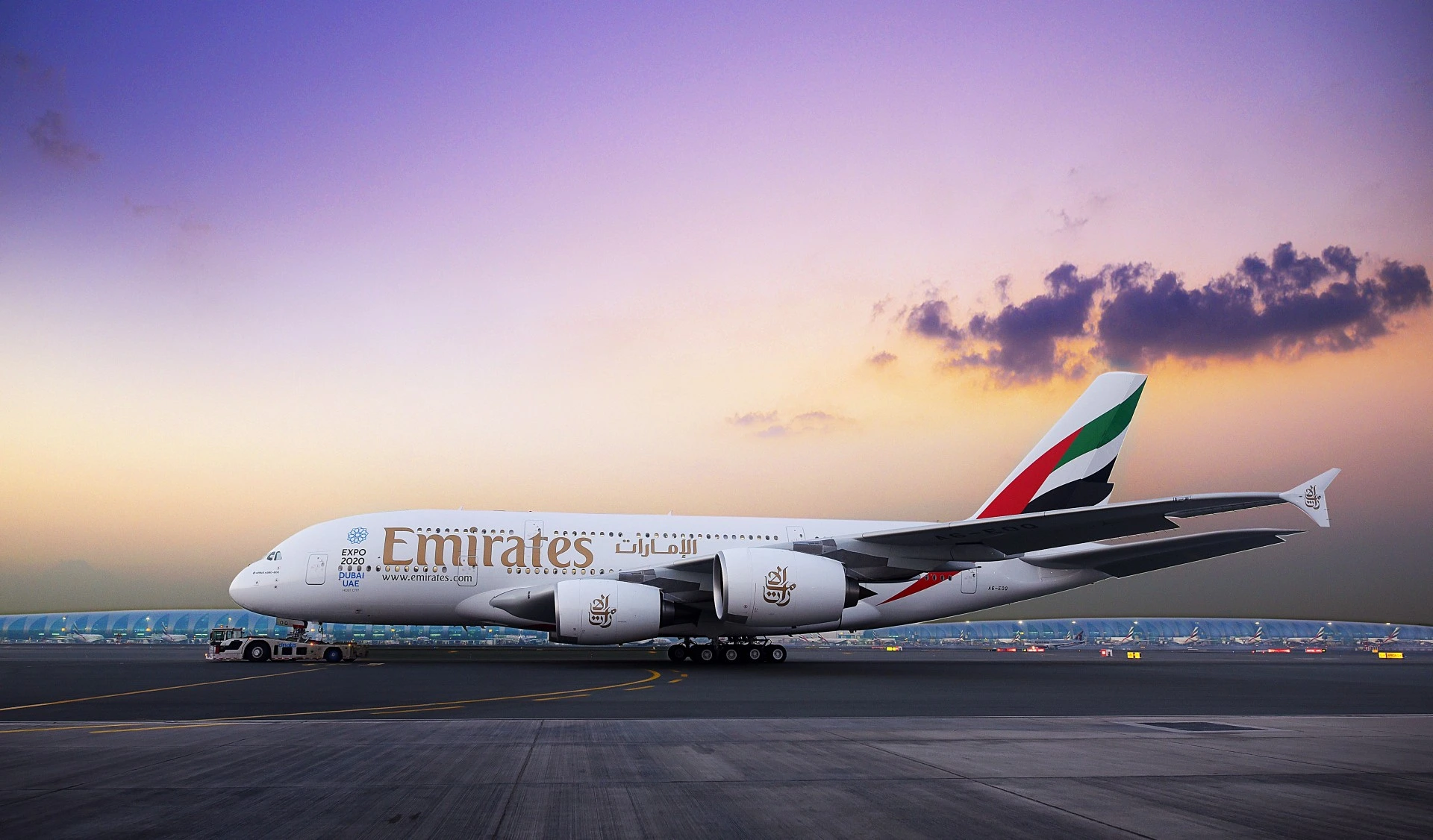
Commercial aviation refers to the scheduled transportation of passengers by certified airlines operating under strict regulatory frameworks such as those set by the International Air Transport Association (IATA) and national civil aviation authorities. Airlines sell seats on fixed routes and fixed schedules to the general public. This segment of the industry successfully transported five billion passengers on over 40 million flights in 2024, making it by far the dominant mode of air travel globally.
Commercial aviation caters to leisure travellers, business passengers, and budget-conscious flyers alike. It operates a hierarchy of cabin classes — economy, premium economy, business class, and first class — each offering a different level of service at a different price point. The J.D. Power 2025 North America Airline Satisfaction Study ranked Southwest, JetBlue, and Delta as the top performers in economy class, reflecting strong competition for the mass-market traveller.
Cabin Classes in Commercial Aviation
Commercial carriers typically offer between two and four cabin classes on any given route. Understanding each class helps travellers choose the experience that matches their budget and travel purpose.
Economy Class is Affordable and Widely Available
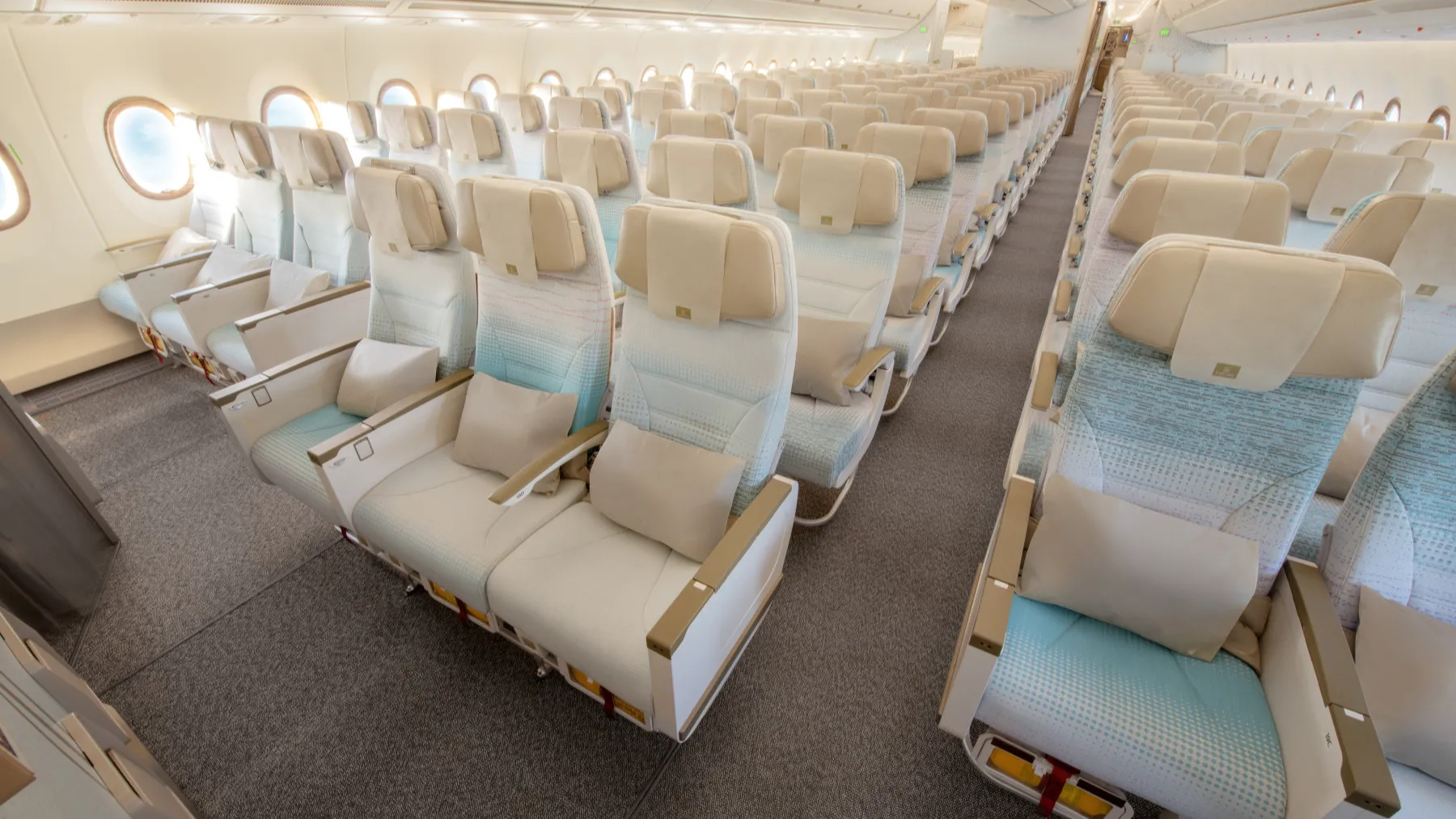
Economy class is the backbone of commercial aviation. It offers the lowest fares and accounts for the majority of seats on any commercial aircraft. The average domestic plane ticket price in the United States stood at approximately $366 in fall 2024. Economy passengers receive a standard seat, basic meals on longer flights, and access to hundreds of daily departure times across major hubs worldwide.
Economy class is best suited for short to medium-haul journeys and for travellers prioritising cost over comfort. It is the practical choice for groups, families, and those who view the flight as a means to an end rather than part of the experience itself. Airlines like Cathay are the best economy service providers on long-haul flights.
Premium Economy is a Middle Ground
Premium economy emerged as a product aimed at travellers who find standard economy too restrictive but cannot justify a full business class fare. Premium economy tickets are typically 50 to 100 percent more expensive than economy on the same flight. Passengers receive wider seats, more legroom, priority boarding, and improved meal service.
Industry analysts suggest that a premium economy upgrade at less than 70 percent above the economy fare generally represents good value. Airlines such as Virgin Atlantic and Japan Airlines have invested heavily in this cabin, and Skytrax rankings for 2025 placed them among the top performers globally.
Business Class Has Comfort Built for Productivity
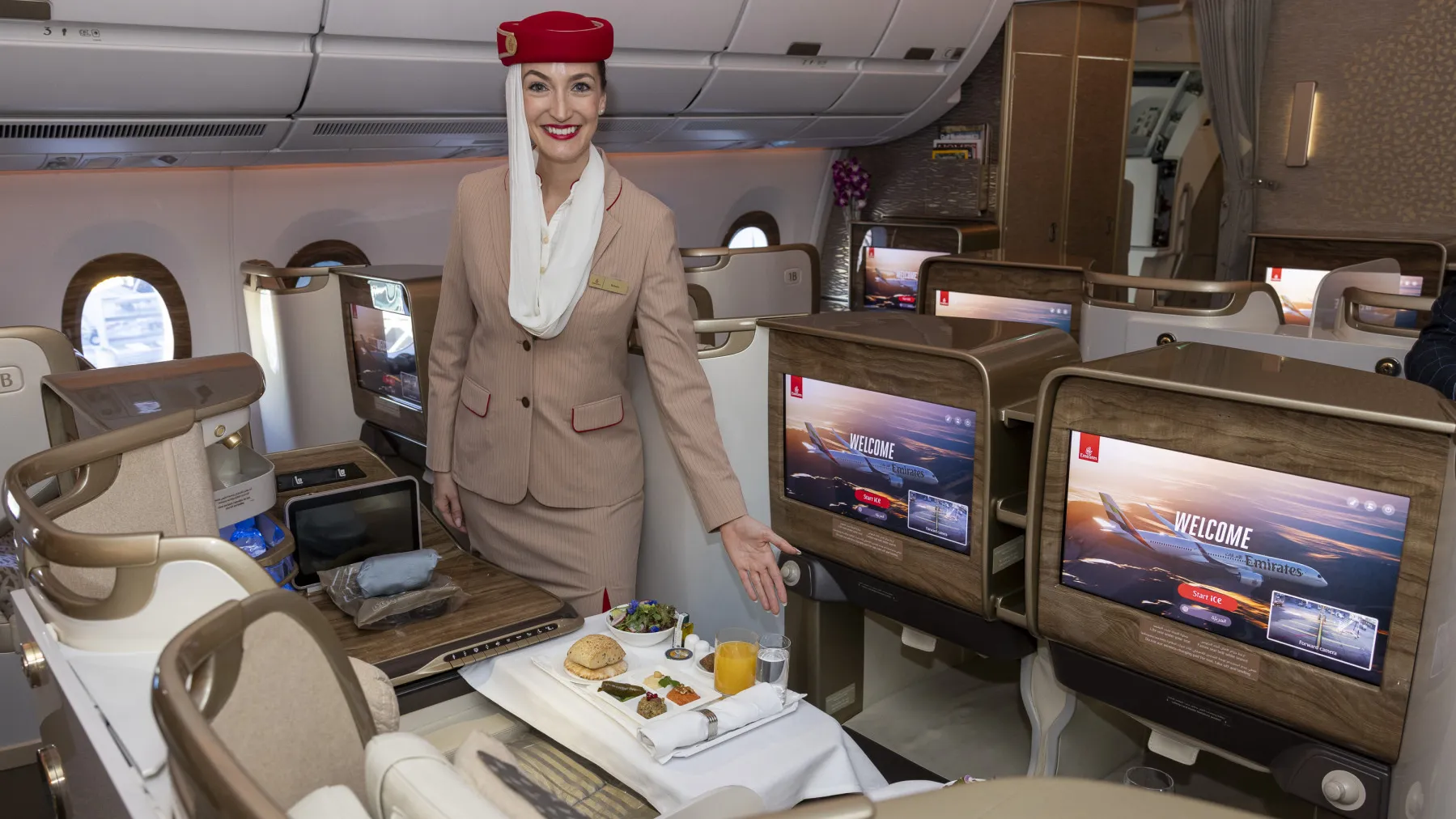
Business class represents a significant leap in comfort and amenities over economy. Business class tickets cost approximately 2.5 times the economy fare on the same route, ranging from around $1,500 to $4,000 for a return international journey. On long-haul routes, business class cabins typically include lie-flat seats, direct aisle access, priority check-in, lounge access, and chef-designed meal services.
Airlines compete fiercely in this segment. Qatar Airways’ Al Mourjan Business Lounge — known as The Garden — received the Skytrax award for the world’s best business class lounge in 2025. Business class is built primarily for productivity and rest on long journeys, making it the preferred option for corporate travellers on medium to long-haul routes.
Key features of business class include:
- Lie-flat beds on most long-haul carriers
- Priority boarding and baggage handling
- Exclusive lounge access before departure
- In-flight Wi-Fi and personal entertainment systems
- On-demand meal service with premium wine and cuisine
First Class is the Pinnacle of Commercial Travel
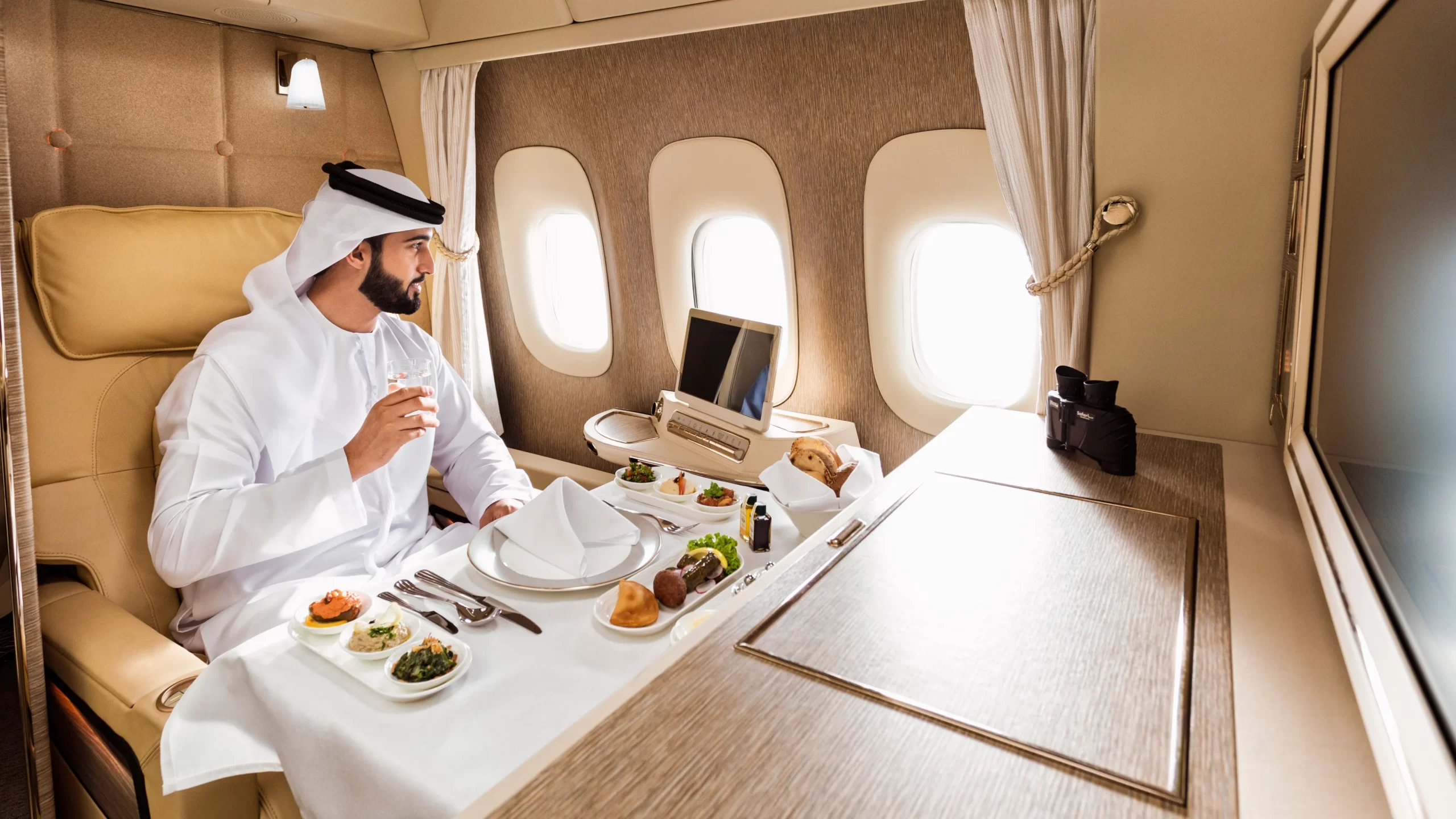
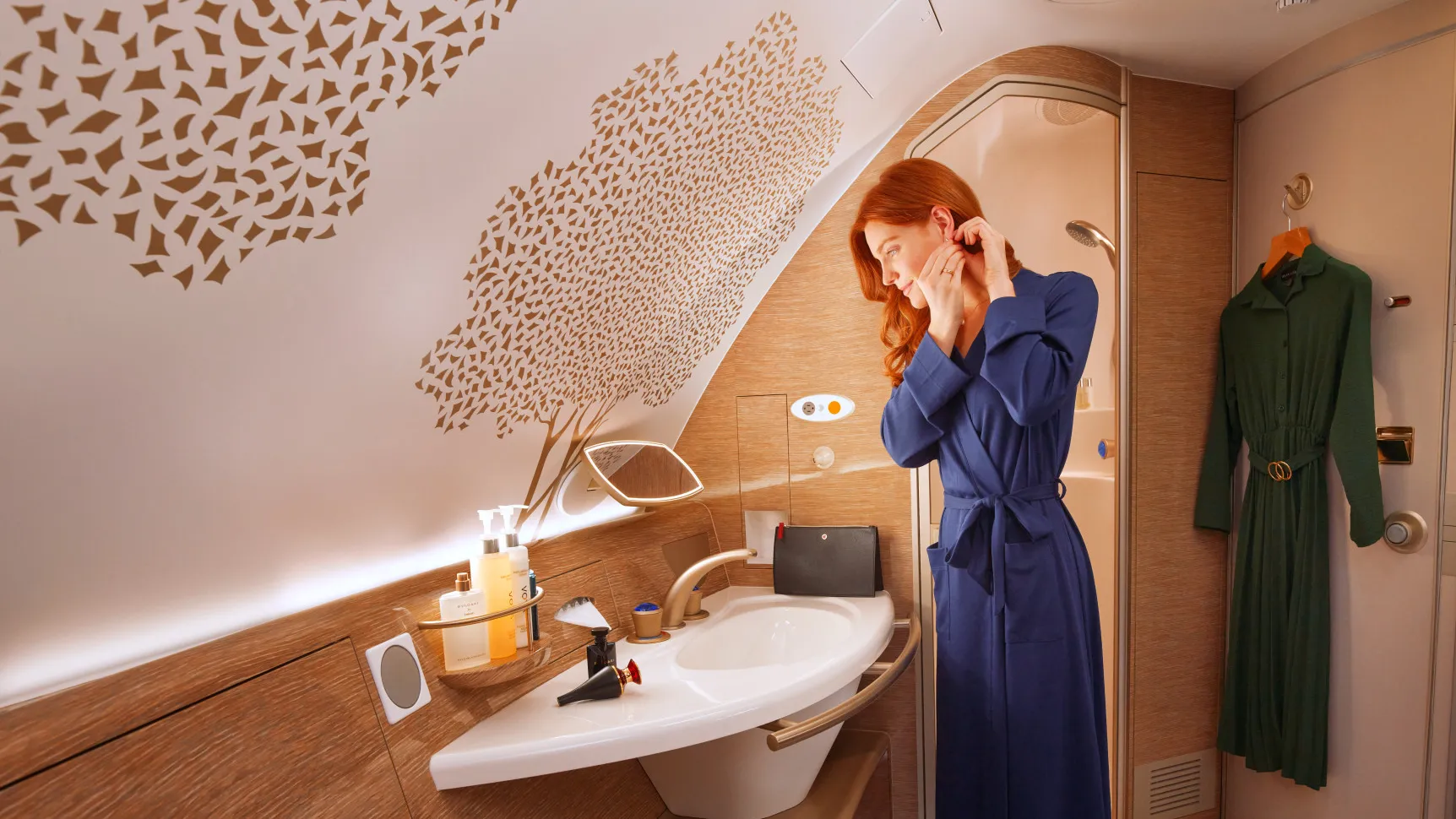
First class is the most exclusive and expensive cabin available on commercial airlines. Upgrading from business to first class on long-haul international routes typically adds $2,000 to $5,000 per person each way. Airlines such as Emirates, Etihad, and Singapore Airlines offer private suites with closing doors, shower facilities, and butler service. First class passengers enjoy à la carte dining on demand, rare spirits and champagnes, and first-class lounges with spa access.
Simple Flying notes that the difference between business and first class has grown again in 2025 as airlines invest heavily in luxury cabins. However, with modern business class products offering near-equivalent comfort on many carriers, first class is increasingly a statement of exclusivity rather than a pure practical necessity.
What Is Business Aviation?
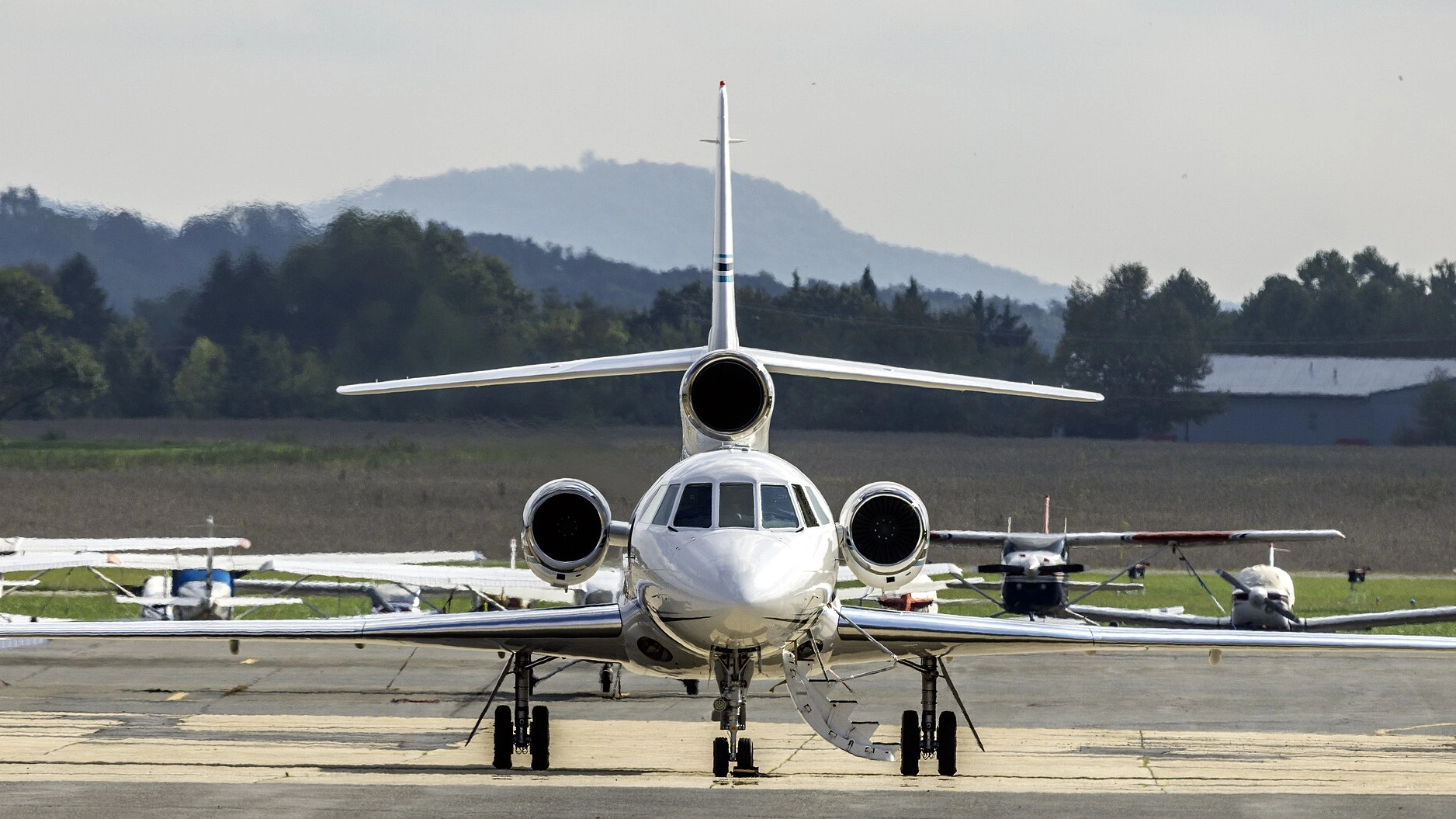
Business aviation refers to the use of private aircraft by corporations, executives, and high-net-worth individuals for work-related travel. According to AeroTime, business aviation encompasses a variety of aircraft — from light jets such as the Cessna Citation and Embraer Phenom, suitable for short trips, to mid-size jets like the Gulfstream G280 and Bombardier Challenger, and large-cabin jets such as the Dassault Falcon and Bombardier Global series for intercontinental missions. The aircraft are typically chartered, fractionally owned, or fully owned by the organisation using them.
Business aviation differs from commercial aviation in a fundamental way: the passenger controls the schedule, the route, and the experience. The average time between arriving at a business terminal and takeoff is just 15 minutes, compared to the standard two-hour check-in window at commercial airports. This time efficiency is the central argument for business aviation.
What Is Private Aviation?
Private aviation sits within the broader category of general aviation. It covers all civil aviation activity that is not commercial passenger service. As defined by the International Civil Aviation Organization (ICAO), general aviation includes all civil aircraft operations except commercial air transport or aerial work. When a flight does not involve paying the pilot or the aircraft operator, and costs are personal, it qualifies as private aviation.
The distinction between private and business aviation is primarily one of ownership and purpose. Business aviation uses charter or owned aircraft for professional ends. Private aviation is self-piloted or self-funded personal flying. In practice, many travellers use the term “flying private” to describe any non-commercial aircraft experience, including chartered flights.
How Much Does Each Option Cost?
Cost is the most visible dividing line between the three modes of travel. Commercial fares range from a few dozen dollars on budget carriers to several thousand for first class. Private aviation operates on an entirely different scale.
Commercial Aviation Pricing
- Economy class: Average US domestic ticket approximately $366 in 2024
- Premium economy: Approximately 50–100% above economy on the same route
- Business class: Typically $1,500–$4,000 return international
- First class: Typically $2,000–$5,000 more per leg than business class on long-haul routes
Private Jet Charter Pricing
Private jet charter rates in 2025 range from $2,000 to $18,000 per flight hour, depending on aircraft type, route, and operator. Very large VIP airliner configurations can exceed $30,000 per hour on specific routes. A short two-hour domestic trip on a light jet can cost from $8,000 to $37,000 in total.
Additional fees also apply to charter flights, including:
- Repositioning fees if the jet is not already at the departure airport (can add 25–50% to the base cost)
- Landing and handling fees ranging from $250 to $3,500 per landing
- Crew overnight costs of $300–$800 per crew member per night
- A 7.5% Federal Excise Tax on all domestic US charter flights under Part 135 regulations
- Winter de-icing fees from $1,000 to $10,000 per flight when applicable
A private jet becomes cost-competitive with first class when the travelling group reaches seven to nine passengers. For a group of eight executives, eight first-class tickets may cost $16,000 total, while a mid-size jet charter for the group runs approximately $20,000 — a narrower difference when privacy and flexibility are factored in.
The Environmental Dimension is A Growing Point of Scrutiny
The environmental cost of private aviation is substantial and increasingly controversial. A 2021 report by the European Federation for Transport and Environment found that private jets are five to 14 times more polluting per passenger than commercial aircraft. Some analyses place the per-passenger carbon differential even higher.
In 2023, private aviation globally emitted at least 15.6 million metric tons of CO2 — approximately 3.6 metric tons per flight on average. Between 2019 and 2023, private aviation emissions grew by 46%, far outpacing efficiency gains in the sector. Almost half of all private flights cover less than 500 kilometres — distances for which rail or road alternatives exist.
A private jet flight from New York to Washington D.C. can produce approximately 7,913 pounds of carbon emissions per passenger. This compares to far lower figures per passenger on a commercial flight covering the same route. National Geographic, citing University College London climate scientist Lynnette Dray, notes that while private aviation has lower total emissions than commercial aviation, its emissions per passenger are dramatically higher and growing faster.
Governments are beginning to respond. France banned short-haul flights with viable rail alternatives of under two and a half hours in 2023. These restrictions apply primarily to commercial services, but France’s government also publicly criticised private jet use by the wealthy during the same period. The European Union continues to debate regulatory frameworks for private aviation emissions.
Sustainable Aviation Fuel (SAF) is the primary near-term mitigation tool. Private operators can choose SAF-powered flights, and some charter companies now offer carbon offset programmes. However, researchers note that private aviation remains a high-emission sector requiring regulatory intervention to align with global climate objectives.
Who Should Fly Commercial, Business Aviation, Or Private?
The right choice depends on three factors: budget, time constraints, and travel purpose.
Commercial economy class suits leisure travellers, students, and anyone for whom cost is the primary concern. It offers the widest route network, the most departure times, and the lowest prices.
Commercial business and first class suits corporate travellers on long-haul routes who need to arrive rested and productive, and who value airline loyalty programmes and lounge access. The economics work best for individual travellers or small pairs rather than groups.
Business and private aviation suits executives whose time carries direct financial value, groups of seven or more for whom chartering becomes cost-competitive, and any traveller requiring confidentiality, flexibility, or access to airports beyond the commercial network.
For groups, private aviation becomes increasingly practical as headcount grows. Families travelling together, corporate teams, and sports delegations can all find that a private charter delivers better per-person value than multiple business or first-class commercial tickets while adding substantial flexibility.