
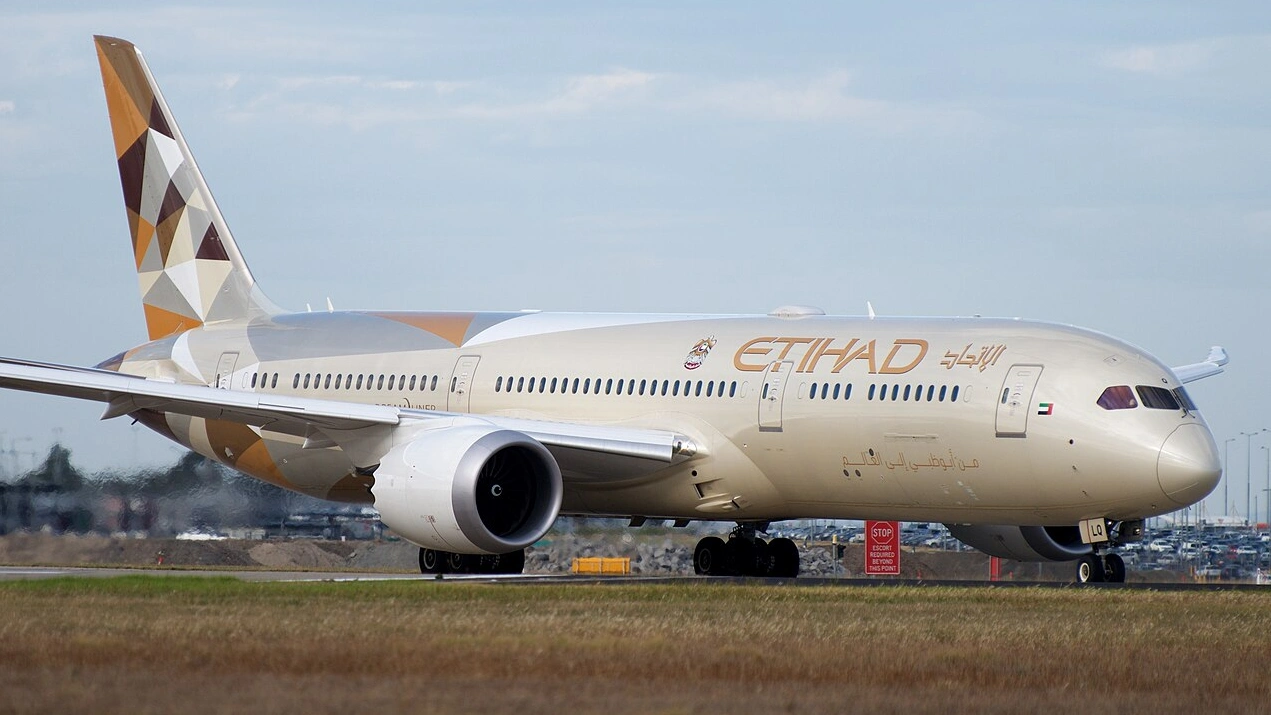
As the ongoing Middle East conflict involving the United States, Israel, and Iran (which saw the downing of the F-15 and the A-10) continues to unsettle global aviation and travel markets, Etihad Airways, the national carrier of the United Arab Emirates (UAE), has taken the unusual step of deeply discounting long‑haul airfares in an effort to stimulate demand. This move, which includes fare reductions of up to 50% on key international routes, The Times reported.
.jpg)
Etihad’s Sharp Response to Falling Passenger Demand
The conflict, which ignited in early 2026, has contributed to widespread uncertainty in air travel [with United Airlines (UA) hiking the check-in baggage fees by $10] and significant disruptions across Middle Eastern airspace, prompting airlines to adjust operations and schedules. IndiGo, for example, revised its fuel charges, increasing fuel surcharges by more than $100 on some routes.
Slump in demand has been recorded as a result and Etihad, in return, has launched a massive fare sale on long‑haul flights originating from major markets such as the United Kingdom — particularly London Heathrow. Some of these promotional prices are reportedly among the lowest Etihad has offered in years.
Unprecedented Discounts on Etihad’s Long‑Haul Routes
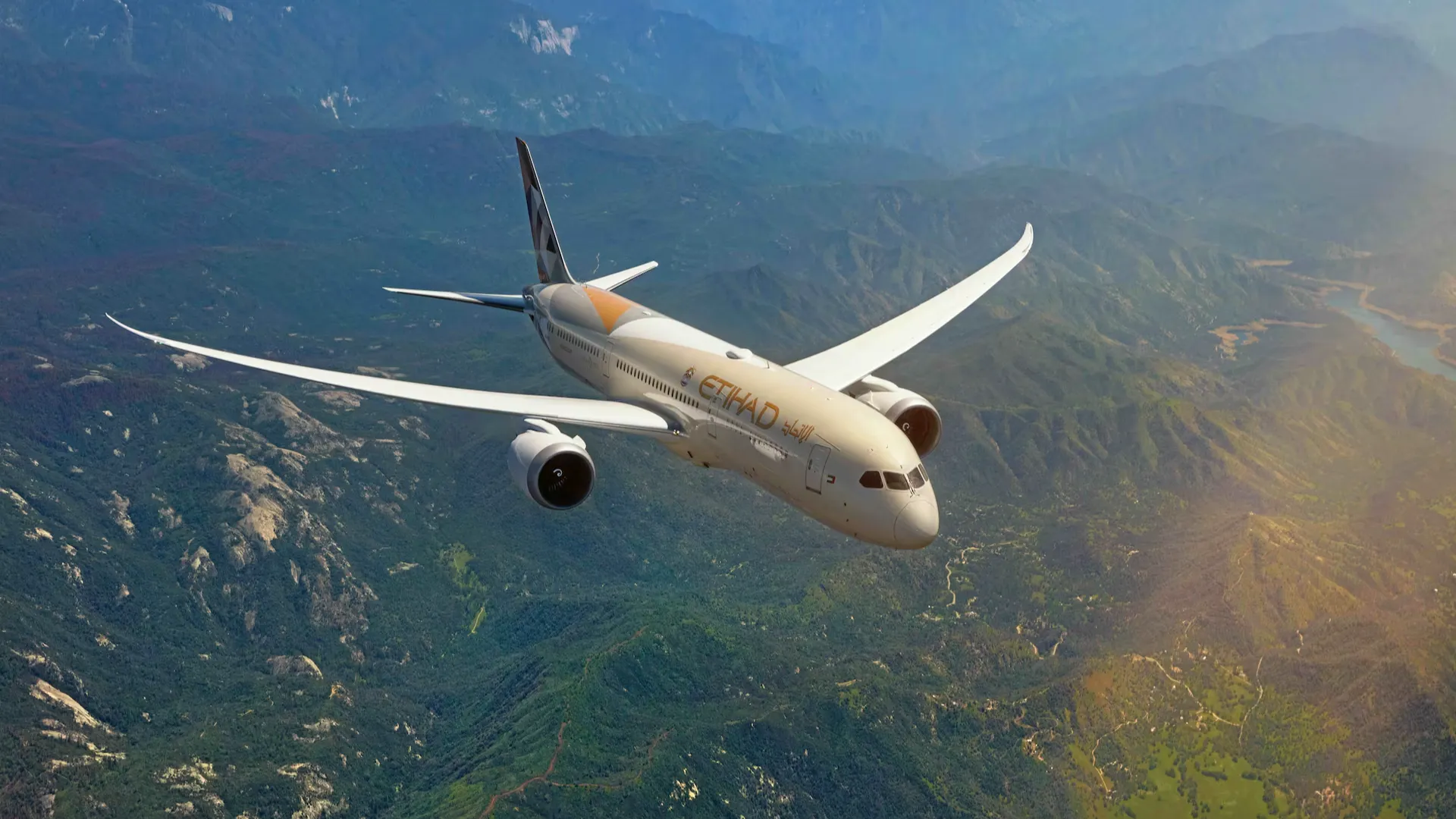
Under the fare sale, return economy tickets from London to Sydney (via Abu Dhabi) — for travel in May with June returns — are being offered from as little as £688. Business‑class return fares on the same route start at around £2,465.
These prices contrast sharply with those of established European carriers; for example, British Airways lists similar London–Sydney economy fares at approximately £1,850, with business‑class fares climbing into the £10,000‑plus range.
Etihad has also extended similar deep price cuts to other popular destinations across Asia and the Indian Ocean, including Singapore, Hong Kong, Bangkok, the Maldives, and Tokyo.
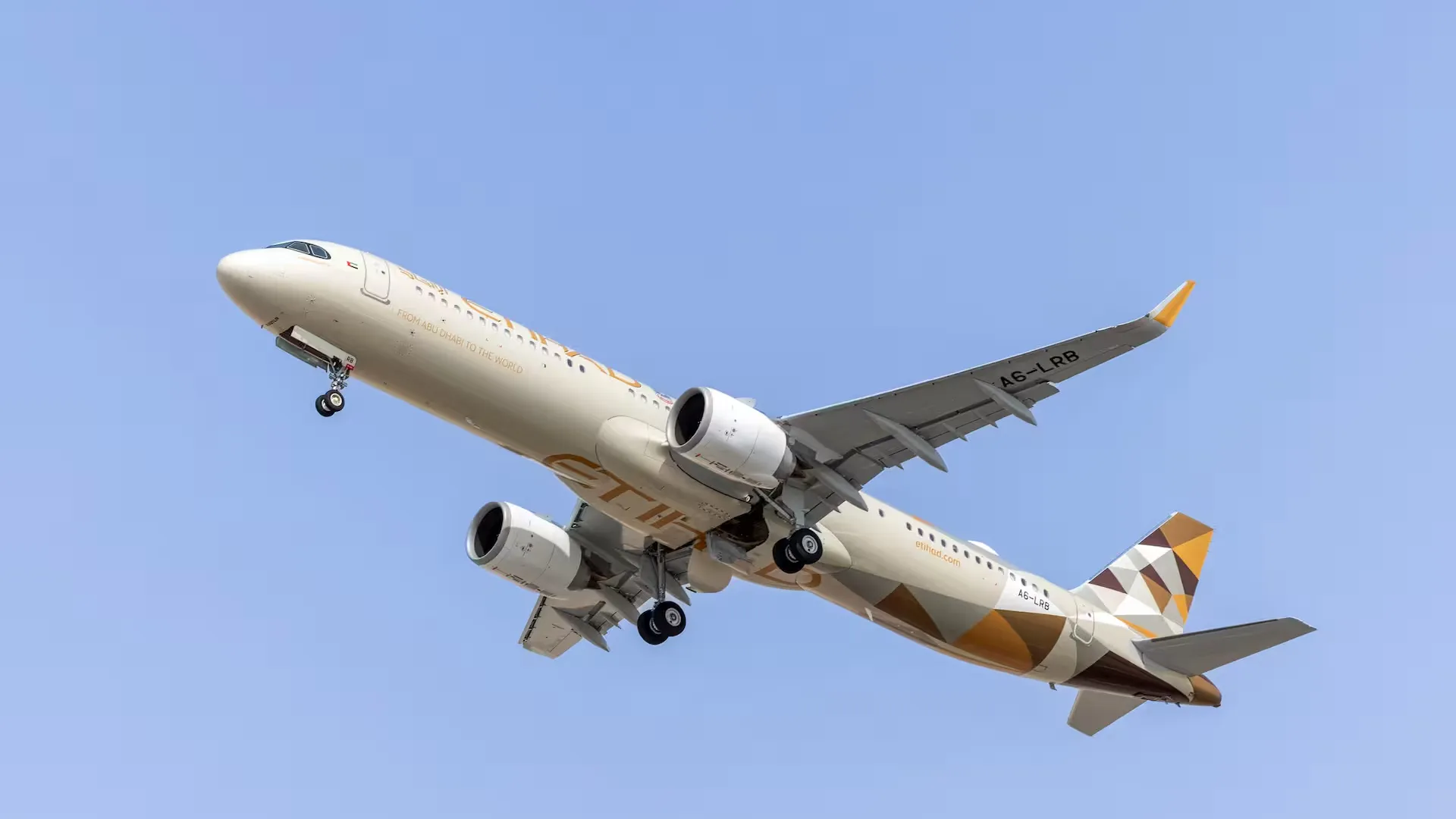
The airline’s strategy appears to be a calculated gamble: by slashing prices for travel in May and June, Etihad aims to fill aircraft that are otherwise flying below capacity due to reduced bookings linked to safety concerns and travel advisories. The carrier’s own booking system shows fares beginning to climb again from July onward, suggesting the discounts are time‑limited and tied specifically to weak short‑term demand.
One industry source, who wished to remain anonymous to The Times, said that the airline’s goal was returning to full cabin load factors, particularly across premium classes, by incentivizing bookings now while demand remains depressed.
Etihad is Also Offering Promotional Incentives and Travel Advisories in the Middle East
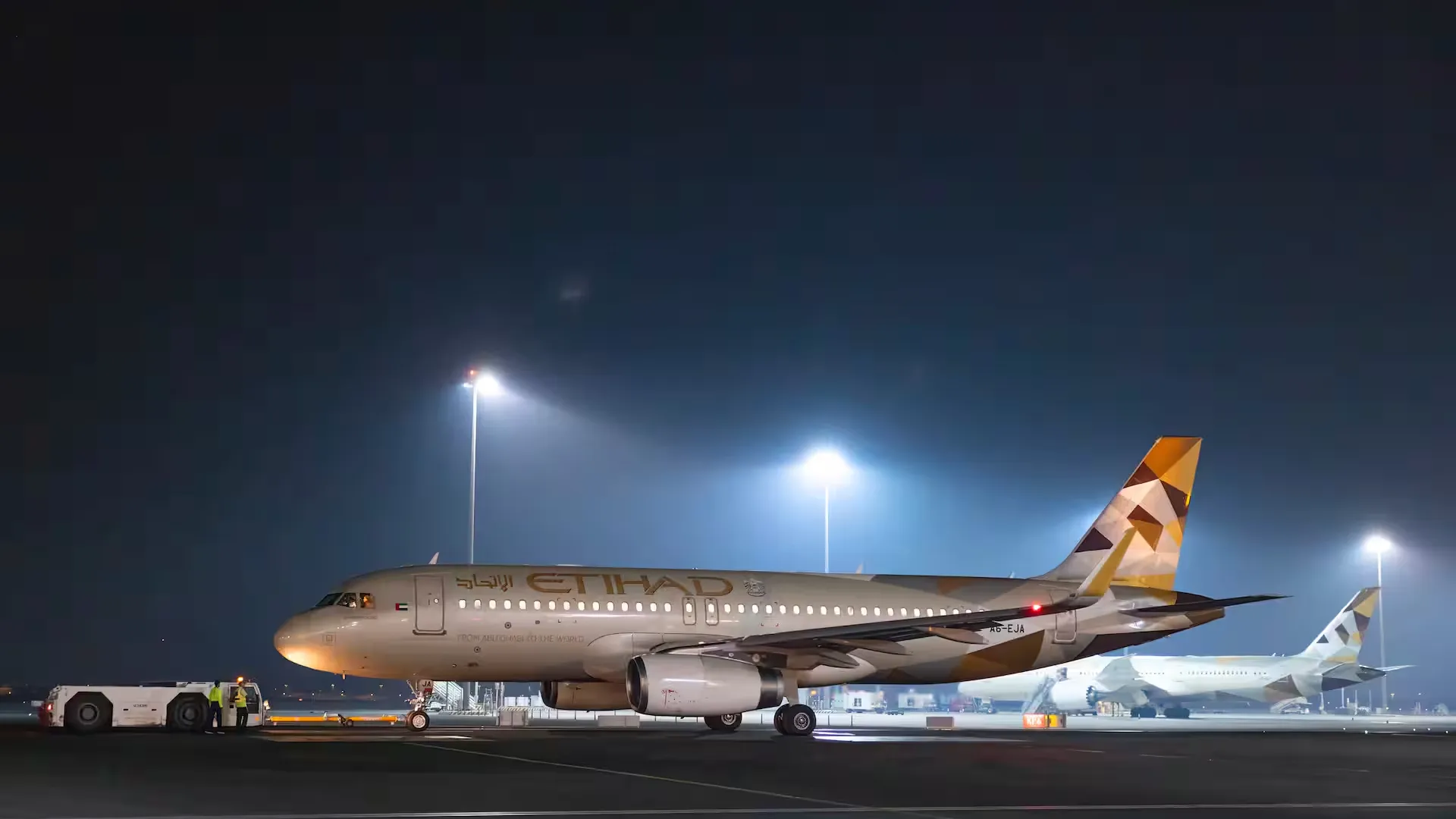
To sweeten the deal — and perhaps ease traveler hesitation — Etihad has reportedly been promoting additional perks, such as complimentary hotel nights in Abu Dhabi included in some stopover packages:
“…they can book two nights in a hotel in Abu Dhabi free of charge to make their stopover a mini-break — although executives acknowledge that few will take up this offer while Iran is attacking the UAE. The Foreign Office currently advises against all but essential travel to the UAE. The airline also hopes travellers will be impressed by Etihad’s new hub airport, Zayed International, which many frequent flyers consider the best designed, easiest and quickest to navigate, and luxurious in the world.”
Another notable aspect of the sale is that fares departing from continental European cities are reportedly around 10% cheaper than equivalent London departures. This is widely attributed to the fact that Heathrow carries some of the highest airport charges in Europe, costs that airlines frequently pass through to customers in the form of higher ticket prices. This is one of the reasons why Ryanair’s boss once said that he would never operate from Heathrow.
But Not all Gulf Carriers Have Opted Discounts
While Etihad has taken a bold pricing stance, its regional rivals — particularly Emirates and Qatar Airways — have not matched the 50% fare cuts. Instead, both carriers have maintained more traditional pricing structures, preferring to compete with greater flexibility in booking terms (such as one complimentary date change) rather than outright cutting prices by similar margins.
Some industry insiders privately criticized Etihad’s strategy as risky, suggesting that extreme discounts could dilute brand perception or attract “bargain‑hunters” who then return to legacy carriers once traditional pricing resumes.
In the aftermath of the September 11, 2001 attacks, which led to a nationwide ground stop, when deep discounts helped rebuild passenger confidence and stimulate demand. Perhaps, Etihad is looking for something similar?