Brazilian planemaker Embraer believes India could require as many as 500 of its aircraft over the next 10 years after the Directorate General of Civil Aviation (DGCA) approved its E-Jet family for operations in the country. The company expects the certification to strengthen its position as Indian airlines look to expand regional air services and connect underserved cities.
The latest approval covers the Embraer E190, E195, and next-generation E195-E2 aircraft. The smaller E175 had already secured DGCA certification and is currently operated by Star Air (S5), serving regional destinations where larger narrowbody jets and turboprops are less efficient.
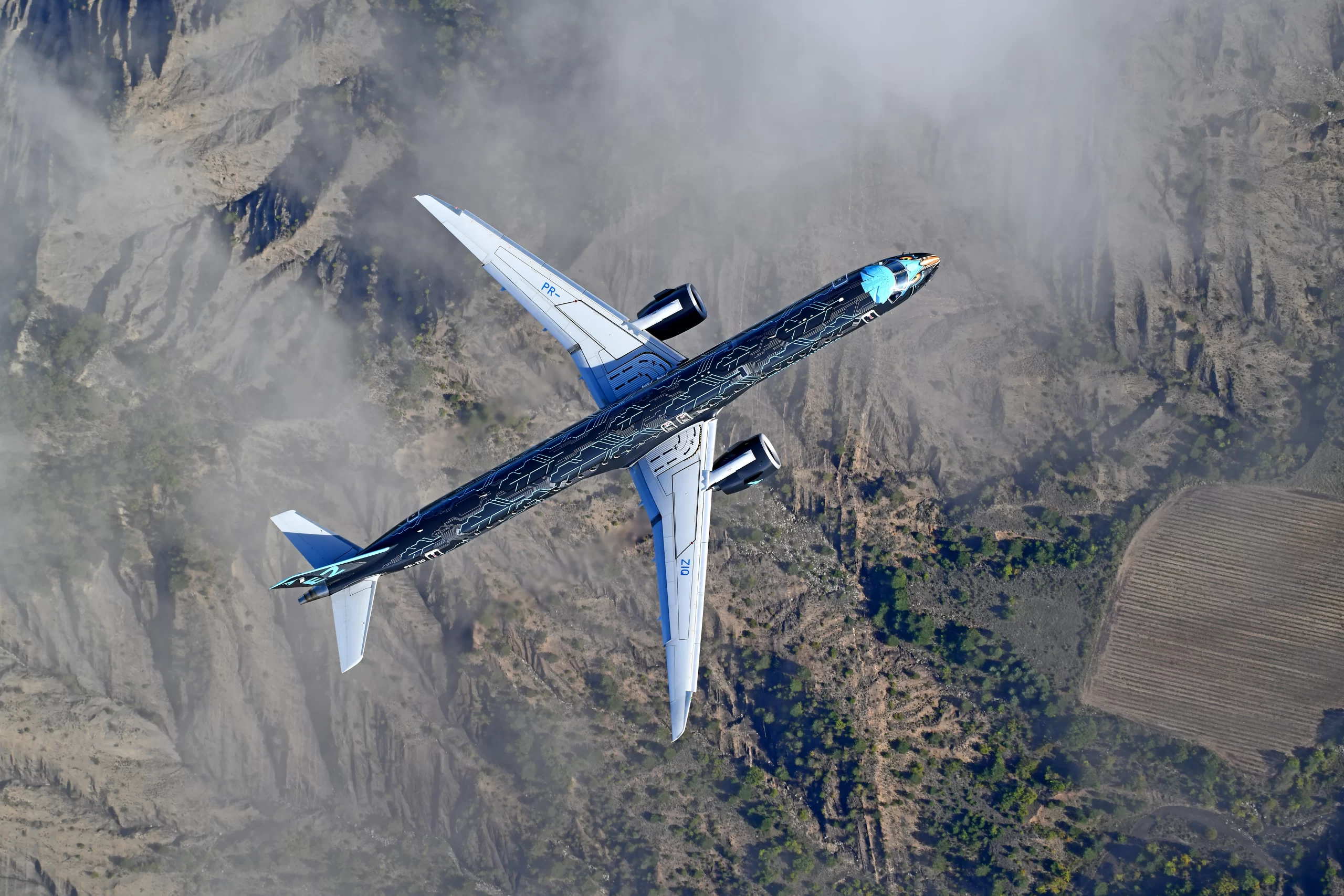
Embraer Eyes Long-Term Growth in India
With the certification now in place, Embraer says it is well positioned to compete for future fleet orders from both existing airlines and potential new carriers entering the Indian market.
Raul Villaron, Senior Vice-President of Sales and Marketing and Head of Commercial Aviation for Asia Pacific at Embraer, said the approval opens the door for airlines seeking smaller narrowbody aircraft to launch or expand operations.
Speaking to The Hindu BusinessLine, Villaron projected a sizeable opportunity for the manufacturer over the coming decade.
“We see a potential market of 500 aircraft over the next 10 years that we could bring to India. The E-Jet family certification allows us to cater to future demand from both existing airlines and possible new entrants that may look at small narrowbodies to start operations. The E175 is already flying in India, and we are hopeful of securing further E-Jet orders soon,” he said.
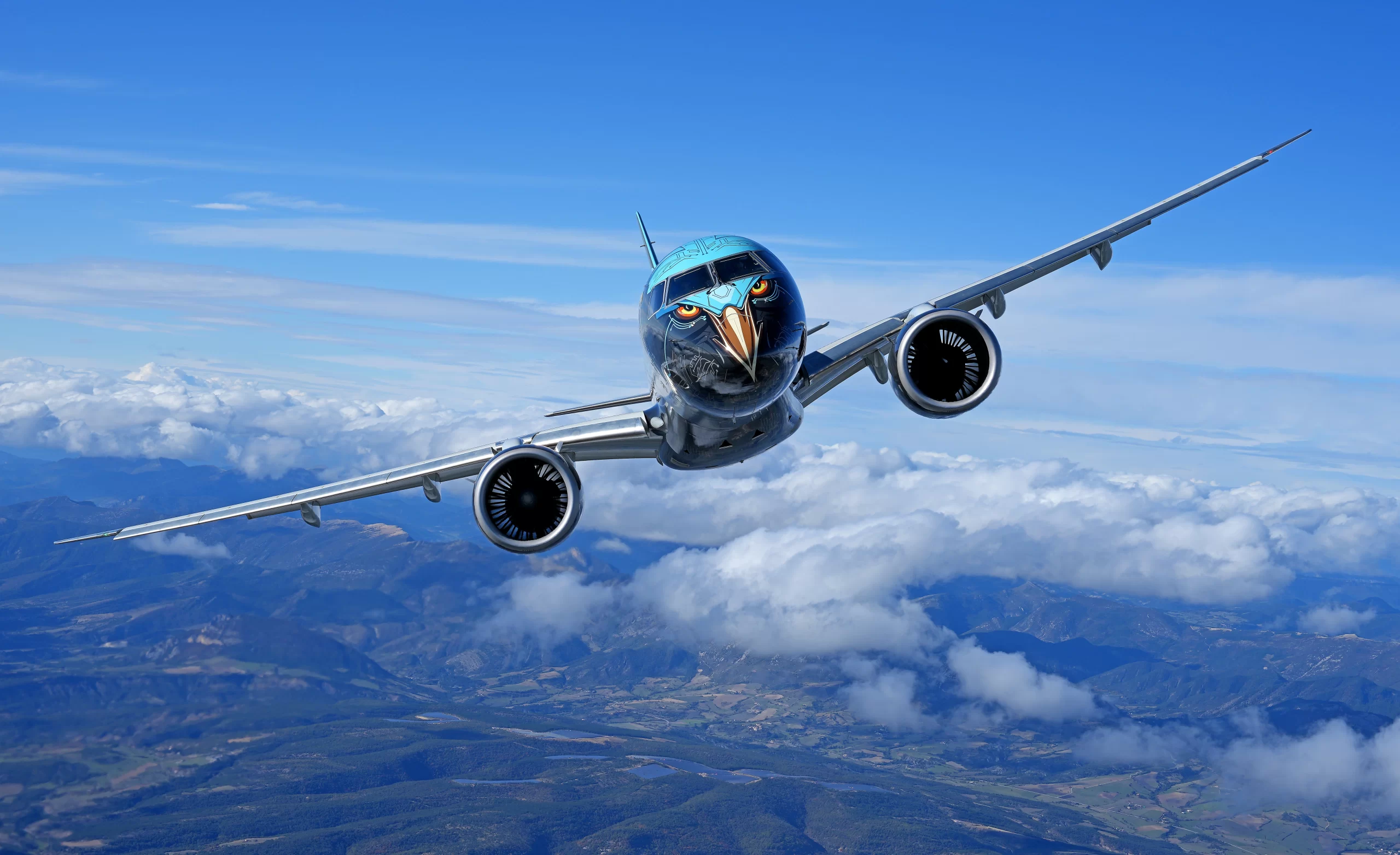
Regional Connectivity Gap Drives Opportunity
Embraer believes India’s evolving aviation market is creating demand for aircraft that bridge the gap between large narrowbody jets and turboprops. The helicopter which can touch the top of Mount Everest is also set to be manufactured in India.
Most Indian airlines currently rely on Airbus A320 and Boeing 737 family aircraft for domestic services, while turboprops operate many short-haul regional routes. According to the company, numerous markets remain commercially unsuitable for either aircraft category.
Villaron said E-Jets can help airlines develop what he described as “blue ocean” opportunities by serving routes that are too small to justify larger jets but too long for turboprops to operate economically.
More Than 800 Unserved City Pairs
The manufacturer estimates that over 800 city pairs across India still lack nonstop air services despite generating sufficient passenger demand for aircraft with fewer than 150 seats.
According to Embraer, nearly 90% of these potential routes exceed 500 kilometres in length, making them less ideal for turboprop operations. The company believes the E195-E2 is particularly suited to these markets because of its lower fuel burn and competitive operating economics.
Villaron also noted that E175 and E190-E2 aircraft could enable airlines to introduce direct links between second- and third-tier cities without routing passengers through major hubs, improving both network efficiency and travel convenience.
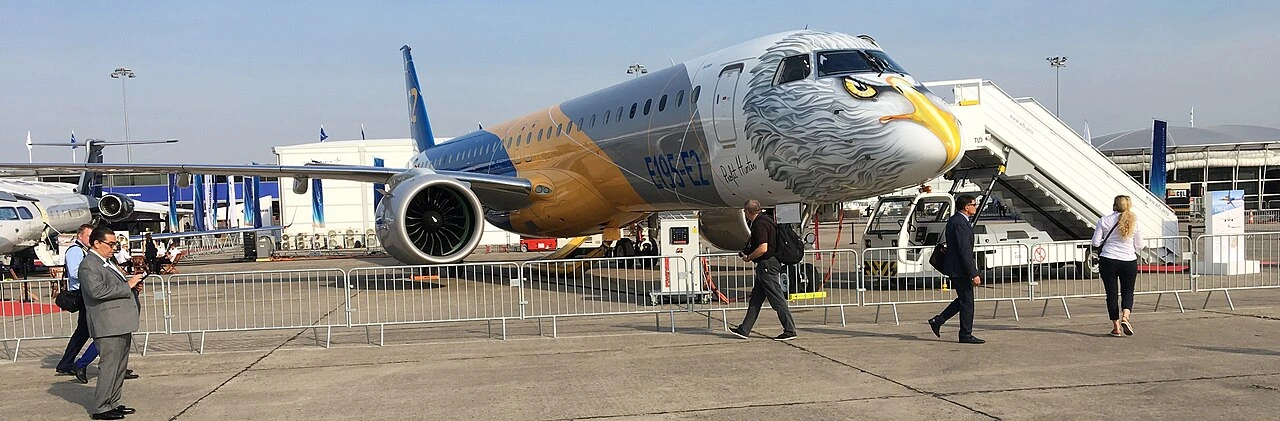
E195-E2 Highlights
Embraer continues to market the E195-E2 as the world’s most fuel-efficient small narrowbody aircraft.
The jet features a two-by-two cabin layout that eliminates middle seats, larger overhead storage bins, individual passenger service units, reduced cabin noise, and additional cargo capacity. The manufacturer says these features provide a more comfortable travel experience while delivering lower operating costs than comparable aircraft on regional routes.
Since entering service, the E-Jet programme has delivered more than 1,900 aircraft worldwide, with the family currently operated by over 80 airlines across more than 50 countries.

.jpg)