
In a decisive intervention aimed at accountability and passenger protection, India’s aviation regulator, the Directorate General of Civil Aviation (DGCA), the government body that banned the use of powerbank in flights, has imposed a Rs 22.2 crore (INR) fine on budget carrier IndiGo (6E) after a probe into massive flight disruptions in December 2025, The Economic Times reported. The DGCA has also ordered the airline to furnish a Rs 50 crore bank guarantee to ensure implementation of systemic reforms and regulatory compliance.
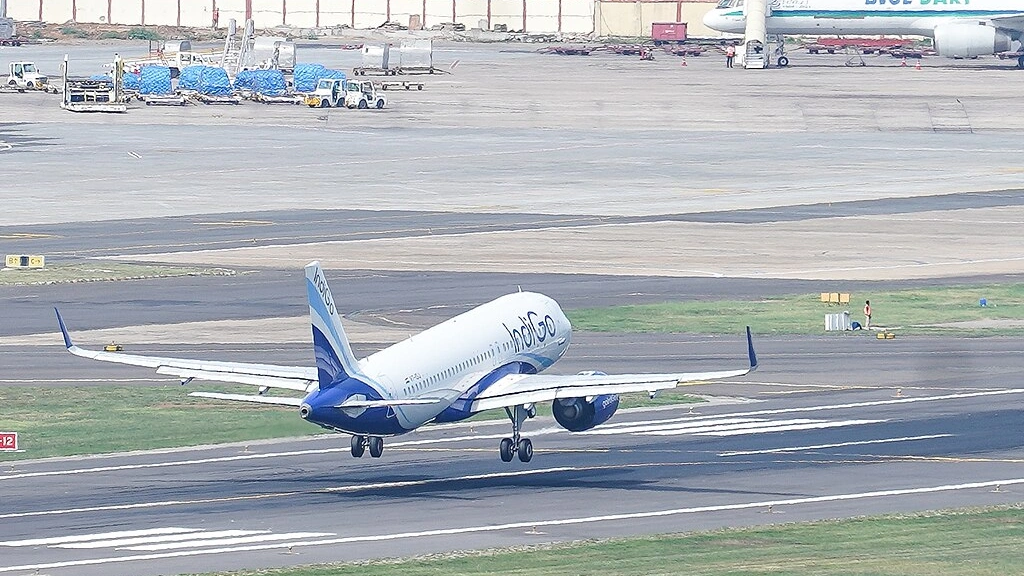

The disruptions occurred between December 3 and 5, 2025, when more than 2,500 flights were cancelled and nearly 1,850 delayed, leaving over 300,000 passengers stranded at multiple airports nationwide.
Airline Profile: IndiGo
| Attribute | Details |
|---|---|
| Airline | IndiGo (6E) |
| Country of Origin | India |
| Headquarters | Gurgaon, Haryana, India |
| Founded | 2006 |
| Major Hubs |
|
| Market Share | Largest in Indian domestic aviation |
| Fleet Size | ~350 aircraft (primarily Airbus A320 family) |
| Operational Focus | Low-cost, high frequency domestic & regional |
Air India CEO Campbell Wilson May Exit as Tata Reviews Airline Leadership

December Disruption and DGCA Findings
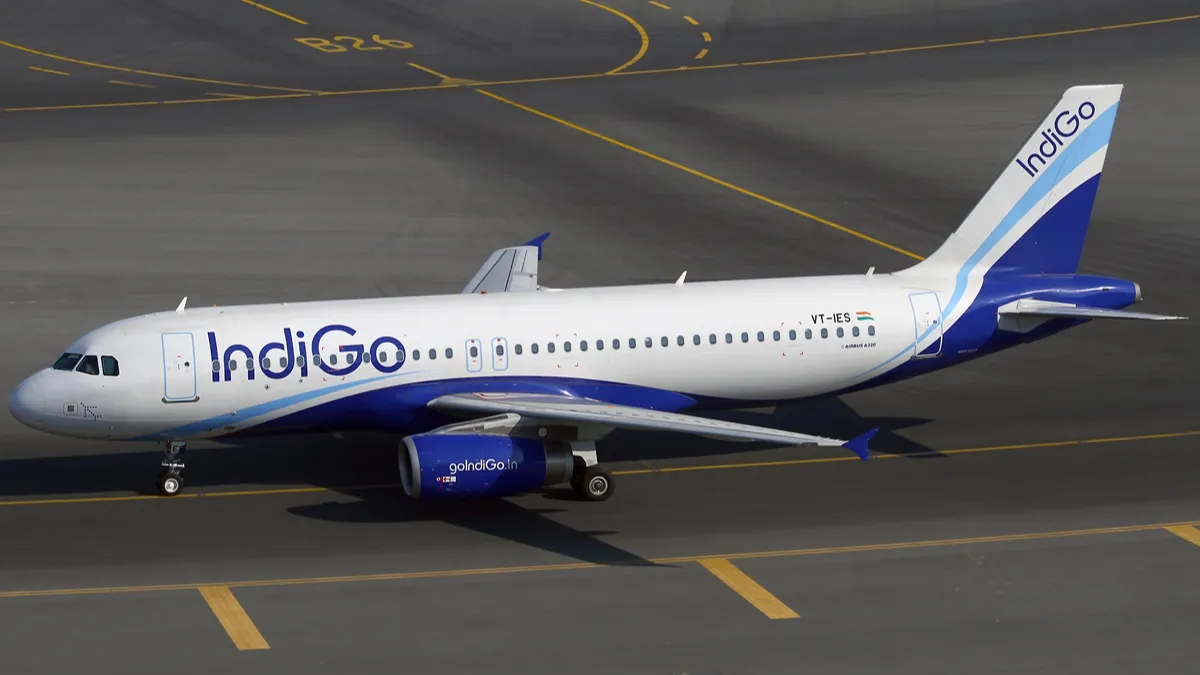
Between 3–5 December 2025, IndiGo’s operational network experienced severe breakdown due to multiple overlapping factors. DGCA’s inquiry found that the airline’s management failed to effectively implement revised Flight Duty Time Limitation (FDTL) regulations, introduced to safeguard crew rest and safety margins.
According to DGCA, IndiGo’s operational planning emphasized maximizing utilization of aircraft and crew, leaving minimal roster buffer margins for recovery when unforeseen issues arose. As a result, cancellations and delays cascaded rapidly across the airline’s dense schedule, especially during the peak holiday and wedding season.
Key aspects of the DGCA’s findings include:
-
Over-optimisation of operations with inadequate planning and operational buffers.
-
Failure to implement FDTL norms effectively, compromising roster resilience.
-
Deficiencies in planning software and management oversight that exacerbated disruptions.
A four-member inquiry committee constituted by DGCA submitted a detailed report that revealed systemic weaknesses in the airline’s operational control, crew resource planning, and fatigue-risk management.

.jpg)
DGCA’s Penalties on IndiGo
| Violation Category | Penalty (₹ lakh) | DGCA’s Exact Quoted Explanation | Editorial Description |
|---|---|---|---|
| FDTL implementation failure | 30 | “failure to establish and effectively implement a scheme for compliance with limits of Flight Time, Flight Duty Period, Duty Period and Rest Periods” | Failure to implement Flight Duty Time Limitation compliance framework |
| Roster buffer inadequacy | 30 | “inadequate buffer margins in roster planning” | Insufficient safety margins in crew rostering and manpower planning |
| Management accountability failure | 30 | “failure of accountable management to ensure overall functioning, financing, and conduct of operations to DGCA standards” | Inadequate oversight by accountable management |
| Improper operational control | 30 | “improper delegation and exercise of operational control responsibilities contrary to approved methods” | Delegation of operational control not aligned with approved procedures |
| Governance and oversight lapses | 30 | “failure of accountable management to ensure overall functioning, financing, and conduct of operations to DGCA standards” | Corporate governance and operational oversight deficiencies |
| Additional Rule 133A non-compliance | 30 | “one-time financial penalty (on six counts) is imposed on M/s Indigo Airlines for non-compliance with directions issued under Rule 133A of the Aircraft Rules, 1937” | Residual statutory non-compliance under Aircraft Rules |
| Total One-Time Penalties (Six Counts) | 180 | “one-time financial penalty (on six counts)” | Aggregate penalty imposed for systemic regulatory failures |
Source: The Business Standard

Bank Guarantee Conditions for DGCA
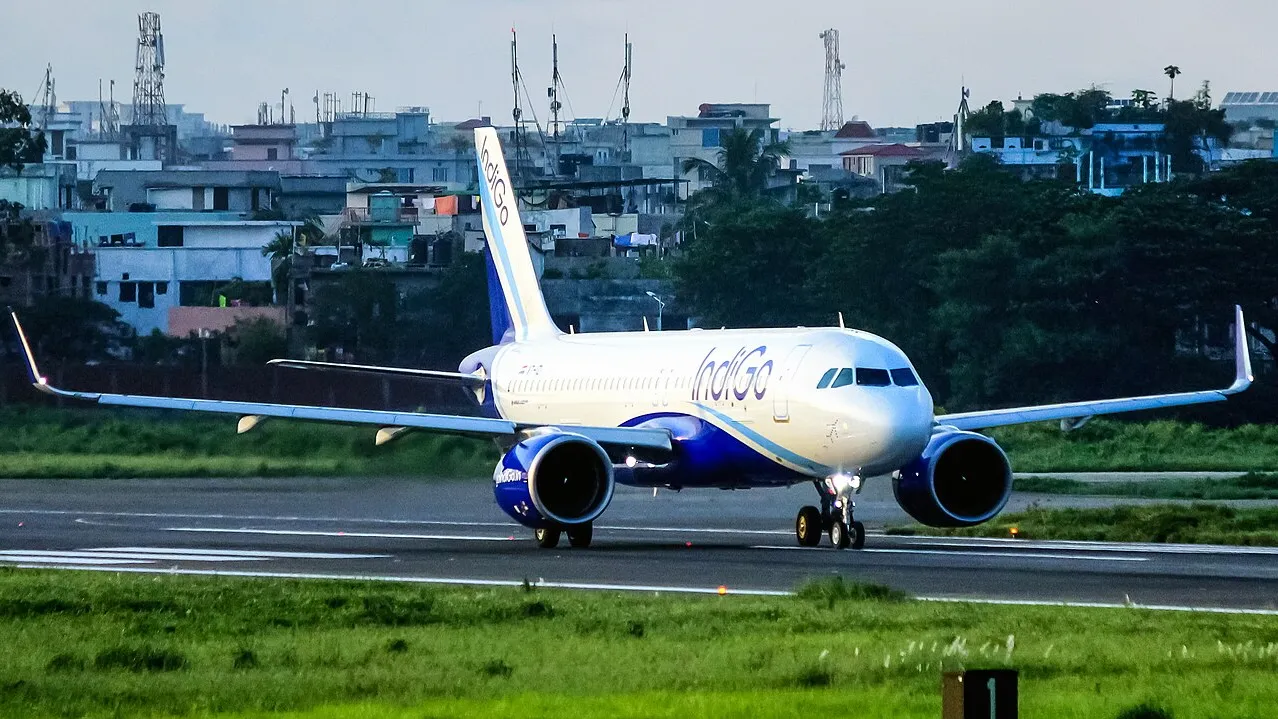
DGCA’s enforcement actions against IndiGo are multi-faceted and this includes a Rs 50 crore bank guarantee under the IndiGo Systemic Reform Assurance Scheme (ISRAS).
Under ISRAS, the bank guarantee will be released only after independent DGCA verification of improvements across:
-
Leadership and governance structure enhancements.
-
Manpower planning, rostering, and fatigue-risk management systems.
-
Digital systems and operational resilience improvements.
-
Sustained oversight at board level.
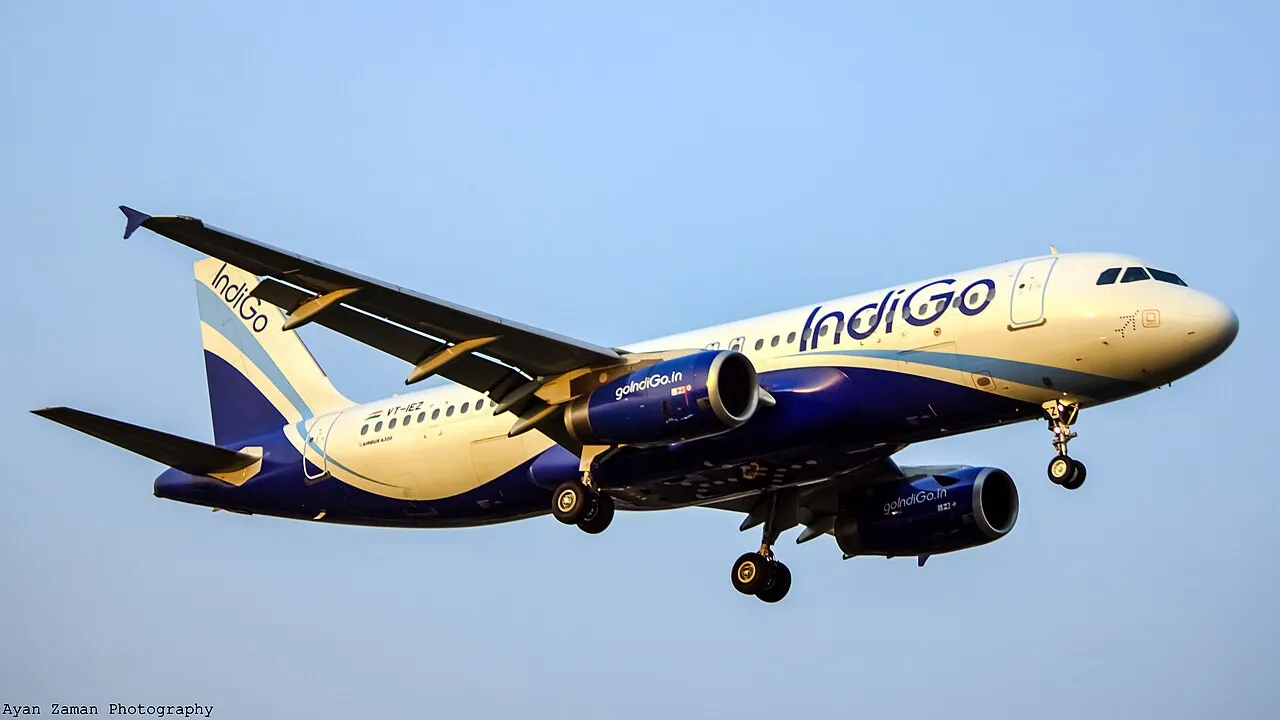

DGCA further maintained that the release of the bank guarantee will be:
“contingent upon independent verification and certification by DGCA at each stage.”
Here’s a breakdown of ₹50-Crore bank guarantee linked reforms:
| Reform Area | Amount Linked (₹ crore) | Compliance Timeline |
|---|---|---|
| Leadership and governance | 10 | Within 3 months |
| Manpower planning & fatigue risk | 15 | Initial + sustained compliance over 6 months |
| Digital systems & operational resilience | 15 | Acceptance within 9 months |
| Board-level oversight | 10 | Sustained compliance over 9–15 months |
| Total Bank Guarantee | 50 | Phased DGCA-verified release |
IndiGo Adds More Cities to Its Network With New Flights in 2025: Schedule, aircraft types and more
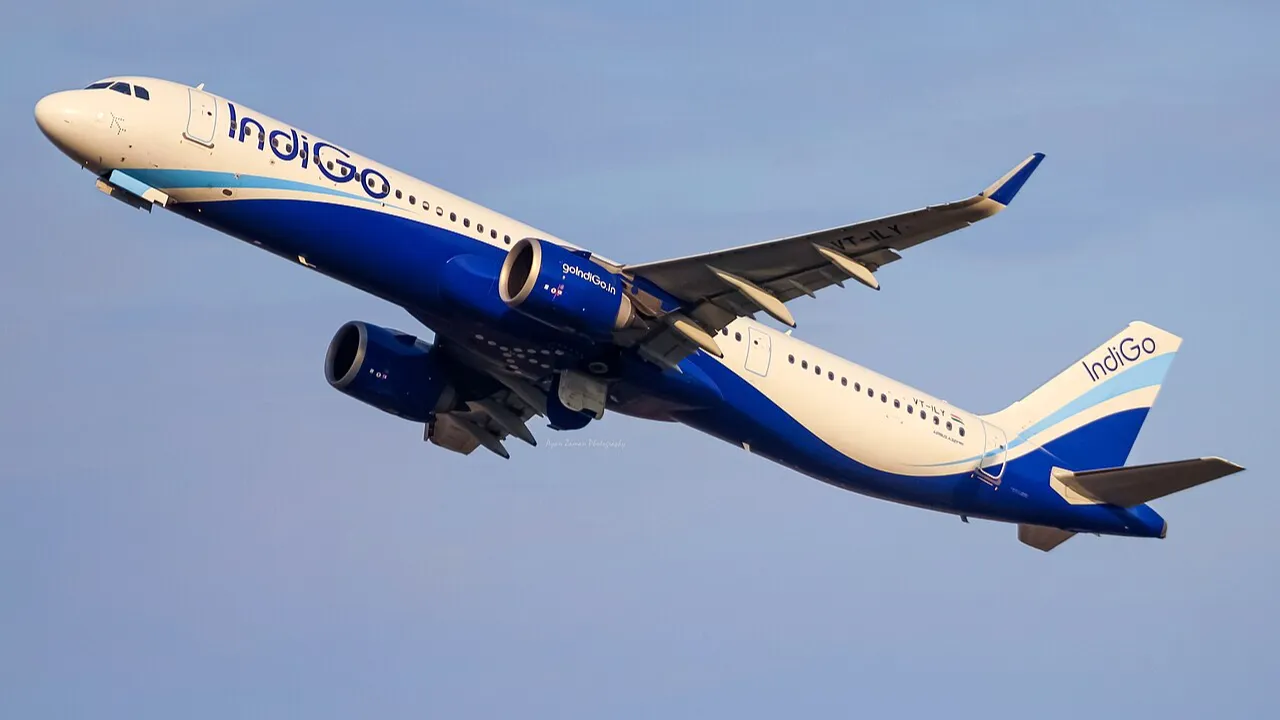

IndiGo’s Response and Passenger Measures
Telegraph India reported that IndiGo had issued an official statement acknowledging the DGCA’s directives, stating that the airline will “take full cognisance of the orders and, in a thoughtful and timely manner, take appropriate measures.” It also highlighted that a comprehensive review of internal processes is underway to ensure that IndiGo emerges from the episode with enhanced operational resilience:
“The airline also added that an in-depth review of the robustness and resilience of its internal processes has been underway since the disruption, to emerge stronger after what it described as an otherwise “pristine record of 19-plus years of operations”….IndiGo said it remained committed to serving India’s aviation needs and supporting the country’s goal of becoming a global aviation hub by 2030.”