Croatia has reached a landmark moment in its modern diplomatic and mobility history, with its passport entering the world’s top 10 strongest passports for the first time.
According to the 2026 Henley Passport Index, Croatia now ranks 8th globally, marking its highest position on record and placing it ahead of both the United States and the United Kingdom in terms of global travel access, Croatia Week reported.
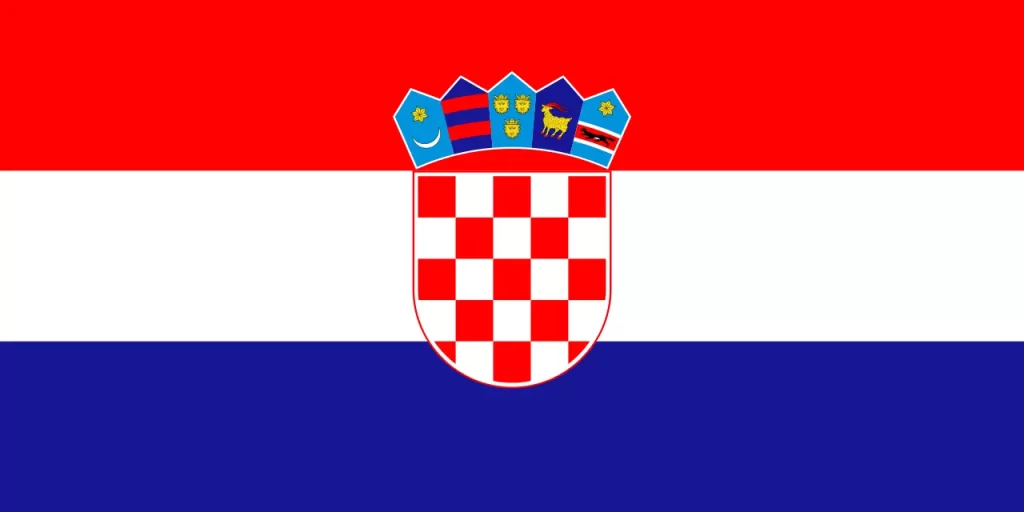
Croatia’s Entry Into the Global Top Tier
The Henley Passport Index, which ranks passports based on the number of destinations accessible without a prior visa, places Croatia alongside Estonia in 8th position, with access to 181 destinations worldwide.
This represents a significant leap compared to previous years, when Croatia remained outside the top 10 and lagged behind several Western European nations.
The 2026 ranking places Croatia ahead of major global powers including the United States and the United Kingdom, both of which have experienced gradual declines in recent years, as the table below shows:
| Rank | Country / Countries | Visa-Free Destinations |
|---|---|---|
| 1 | Singapore | 192 |
| 2 | Japan, South Korea, United Arab Emirates | 187 |
| 3 | Sweden | 186 |
| 4 | Belgium, Denmark, Finland, France, Germany, Ireland, Italy, Luxembourg, Netherlands, Norway, Spain, Switzerland | 185 |
| 5 | Austria, Greece, Malta, Portugal | 184 |
| 6 | Hungary, Malaysia, Poland, United Kingdom | 183 |
| 7 | Australia, Canada, Czechia, Latvia, New Zealand, Slovakia, Slovenia | 182 |
| 8 | Croatia, Estonia | 181 |
| 9 | Liechtenstein, Lithuania | 180 |
| 10 | Iceland, United States | 179 |
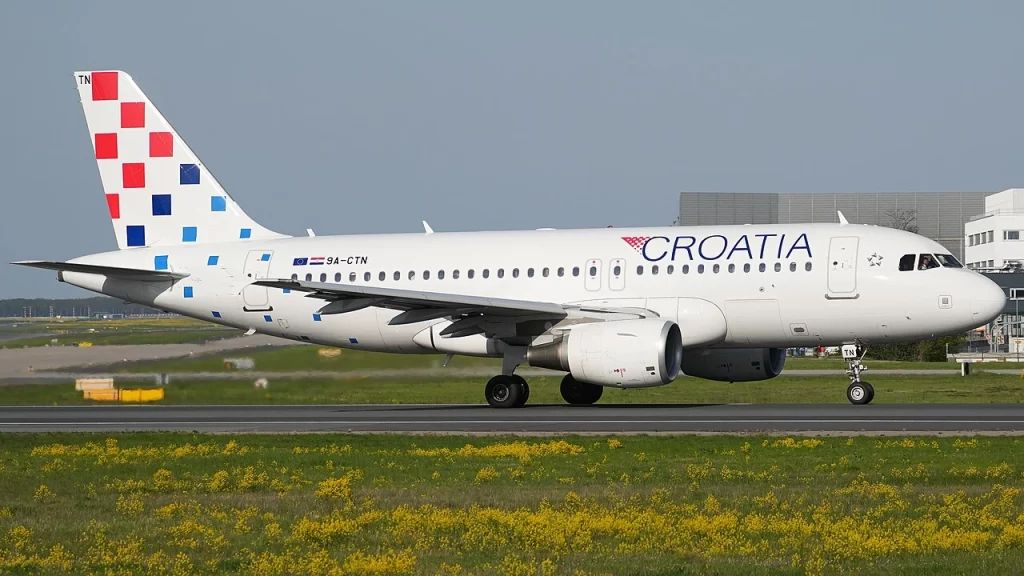
What Croatian Passport Holders Can Access
With visa-free or visa-on-arrival access to 181 destinations, Croatian citizens now enjoy one of the most travel-friendly passports in the world.
In Europe, Croatia performs strongly in the rankings, although it still trails several other European Union member states. Italy is placed 4th globally, while Hungary and Slovenia share 5th place, each with access to 184 destinations.
However, the gap compared to nearby non-EU countries remains substantial. Serbia is ranked 30th, Montenegro and North Macedonia are tied at 37th place, and Bosnia and Herzegovina sits at 40th in the global ranking, Total Croatia News reported.
Drivers Behind Croatia’s Rapid Rise in Passport Rankings
Croatia’s ascent in the 2026 Henley Passport Index is closely tied to its deeper integration into European political and economic structures.
Schengen Membership Effect
Croatia’s full entry into the Schengen Area has significantly expanded its mobility reach. The Schengen Area enables EU citizens to move freely across member states without the need for additional border formalities, as outlined by the European Commission.
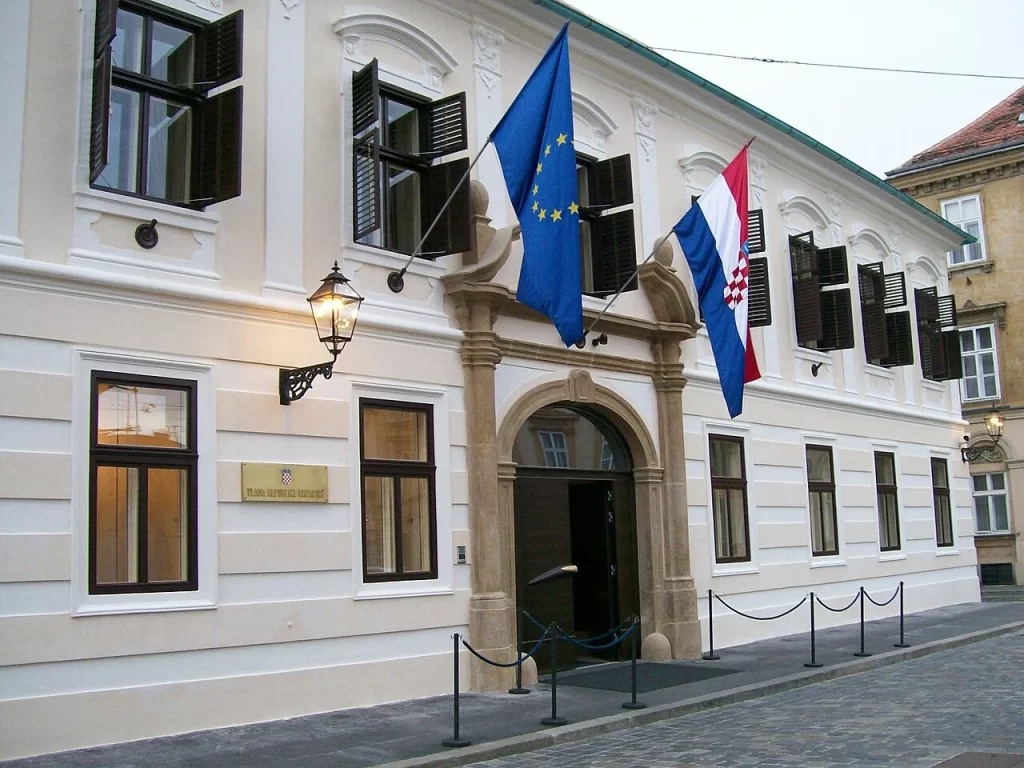
It also delivers clear economic gains for participating countries, whilst also strengthening internal security. The following table gives us a hint of the benefits of joining Schengen Area:
| Category | Benefit | Explanation |
|---|---|---|
| Free Movement | No internal border checks | Citizens can travel, work, and live across member states without special permits |
| Economic Growth | Increased trade | Removal of border barriers has boosted intra-European commerce |
| Business Expansion | Easier cross-border operations | Companies benefit from smoother logistics and mobility |
| Tourism | Reduced border congestion | Faster and more seamless travel improves visitor flow |
| Security | Stronger cooperation | Enhanced coordination between police, customs, and border agencies |
| Crime Prevention | Better enforcement | Improved ability to combat terrorism, trafficking, and organized crime |
| EU Integration | Strengthened single market | Schengen acts as a core foundation of the EU’s economic system |
Data: World Economic Forum
Expanding Global Agreements, and Diplomatic Outreach
In recent years, Croatia has expanded bilateral visa-waiver agreements with countries across:
- Asia
- Latin America
- The Middle East
These agreements have collectively contributed to its record-high ranking. Croatia has also pursued targeted diplomatic efforts to improve short-term mobility for tourism and business travel, further strengthening its global connectivity profile.
Croatia’s Bettered its Previous Rankings
News that Croatia’s passport made it to the top 10 list for the first time might not be all that true. Conflicting Croatia Week’s report is reporting from raditi.eu, which says that in the 2025 Henley Passport Index, Croatia achieved a historic breakthrough by entering the global top 10 strongest passports for the first time, securing 9th place worldwide.
According to raditi, in 2025, within Southeast Europe, Croatia stood clearly ahead of its regional neighbours. While Bulgaria followed at 13th place, Serbia ranked 33rd with access to 140 destinations. Further down the list, Montenegro and North Macedonia shared 40th place, Bosnia and Herzegovina and Albania were placed jointly at 42nd, and Kosovo remained the lowest in the region at 62nd position.
Conclusion
Nevertheless, Croatia’s historic eight-place passport rankings marks more than a statistical milestone—it signals the country’s deepening integration into Europe’s political, economic, and mobility architecture.
With 181 visa-free destinations and a rapidly strengthening diplomatic footprint, Croatia has transitioned from an emerging EU member to a significant player in global mobility rankings.
While the United States and United Kingdom continue to retain global influence in other domains, the Henley Index underscores a changing reality: in the world of travel freedom, smaller and highly integrated states are increasingly setting the pace.



.jpg)


