On 16 December 2025, Emirates Flight Training Academy (EFTA) celebrated the sixth graduation ceremony welcoming 77 newly qualified cadet pilots into the global aviation workforce at its purpose-built campus in Dubai South.
Hosted at the academy’s aviation training complex near Dubai International Airport (DXB), the graduation was attended by The Emirates Group’s senior leadership, cadets from the UAE National Pilot Cadet Programme and international cadets from 15 nations, plus family members and faculty. The graduation came only a day after the airline introduced amenity kits highlighting endangered species.

EFTA Graduation Ceremony 2025: Highlights and Significance
EFTA’s sixth graduating class reflects sustained investment in pilot talent development amid historic industry pilot shortages and heightened demand for long-haul services worldwide. During the ceremony, 77 cadets “earned their wings,” symbolizing both technical proficiency and readiness to enter professional aviation roles.
Key details of the cohort include:
-
52 cadets from the UAE National Pilot Cadet Programme (NCPP), the nation’s flagship route to developing Emirati aviation talent.
-
25 cadets hailing from 15 different countries, underscoring EFTA’s international footprint.
His Highness Sheikh Ahmed bin Saeed Al Maktoum addressed graduates, highlighting the ceremony as a foundation for global aviation leadership:
“Our graduates will now proudly wear their wings, connect the world, uphold the highest standards of safety and service, and shape the world of aviation. Each one of our graduates today is a testament to potential and perseverance. Together, they represent our commitment to building a steady stream of aviators who will carry Dubai’s vision to the skies. Congratulations, graduates – you have made us proud.”
Earlier this year, the airline had expressed its desire to “hire over 550 pilots this year, expanding its elite team of 4,600 aviators”.
Some Cadets of EFTA were Rewarded
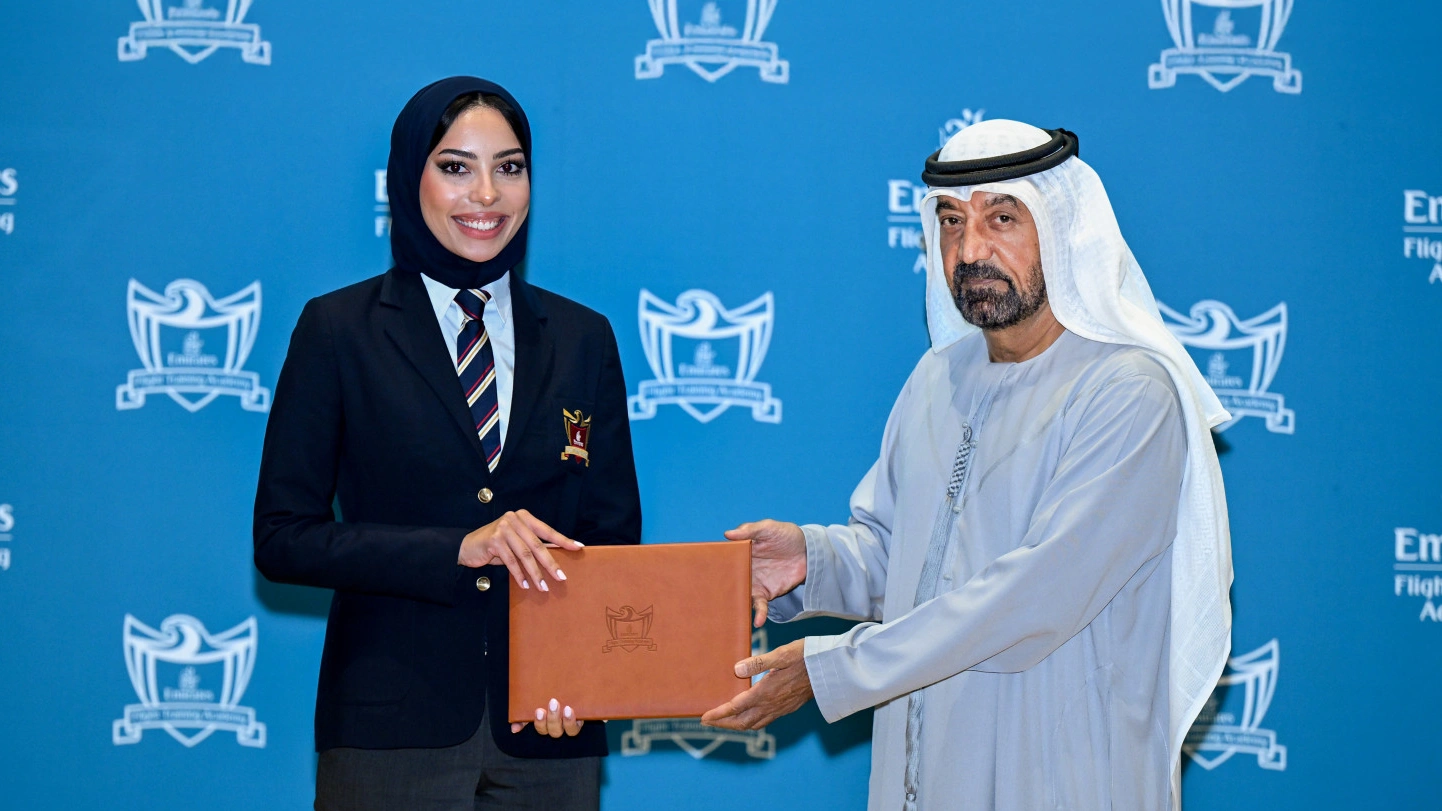
During the graduation, five cadets were honored for exceptional achievement and dedication:
-
Abdulrahman Alnuaimi
-
Falah Alhosani
-
Giada Macario
-
Shaheer Bhatti
-
Saeed Abdulla (most diligent)
These recognitions underscore high performance standards within EFTA’s rigorous curriculum, which integrates leadership development and advanced flight training. Highness Sheikh Ahmed bin Saeed Al Maktoum remarked how the graduation ceremony symbolizes “the setting of a stronger foundation for global aviation and a promise that its future rests in the hands of committed, capable, resilient leaders“.

EFTA Training Program Structure and Methodology
EFTA’s curriculum is designed to produce pilots capable of operating modern airliners at the industry’s highest standards. It combines four pillars:
-
Academic training in ground classrooms equipped with interactive technology;
-
Simulator instruction using full-motion devices that replicate real flight conditions;
-
Live flight training through a structured progression from single-engine to multi-engine aircraft;
-
Leadership and decision-making development to prepare pilots for real-world operational complexity.
EFTA cadets progress from entry with no flight experience to readiness for airline service. Upon graduation, national program cadets typically proceed toward type ratings on Emirates’ fleet, while international cadets may pursue diverse commercial aviation pathways.
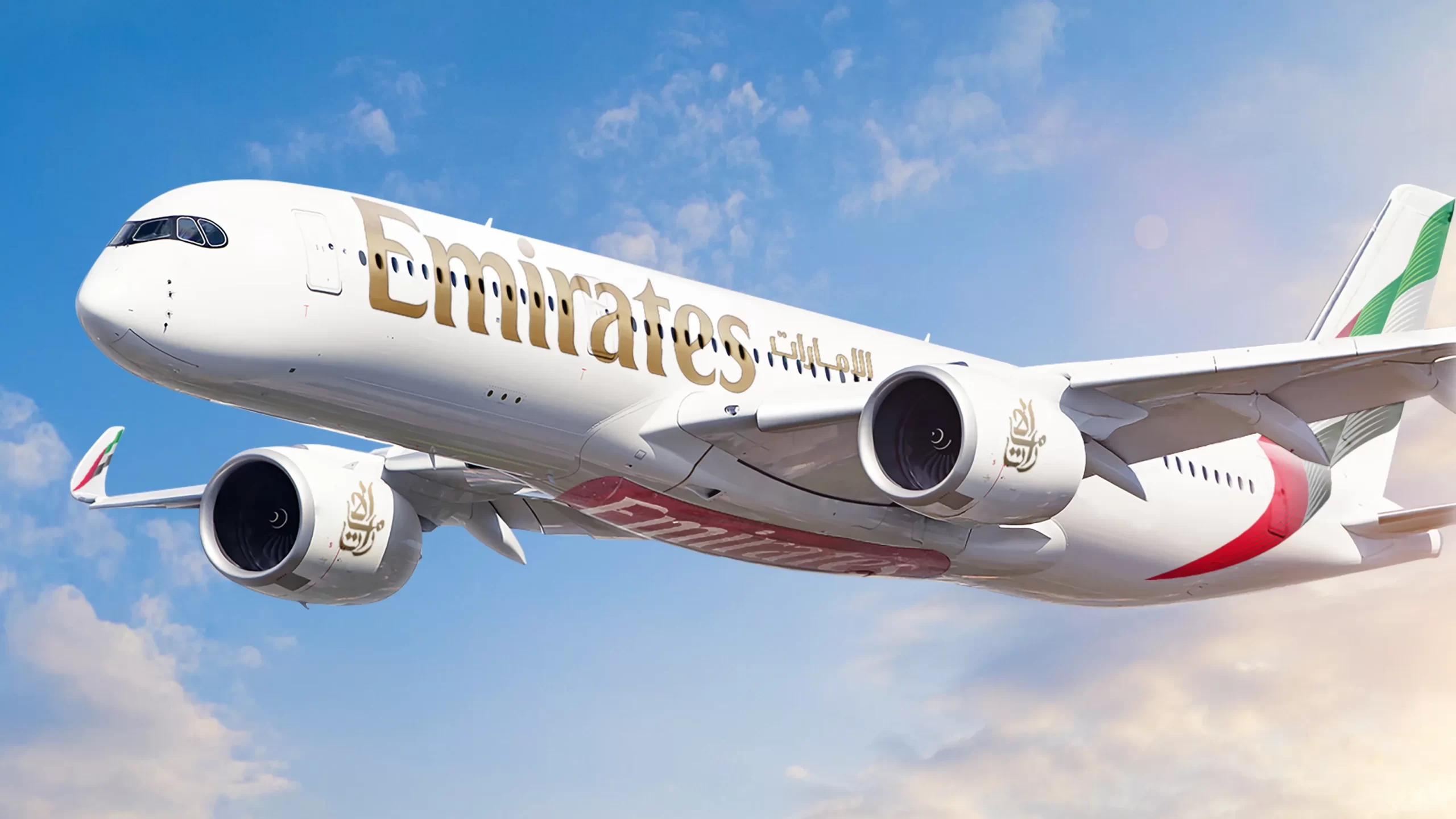
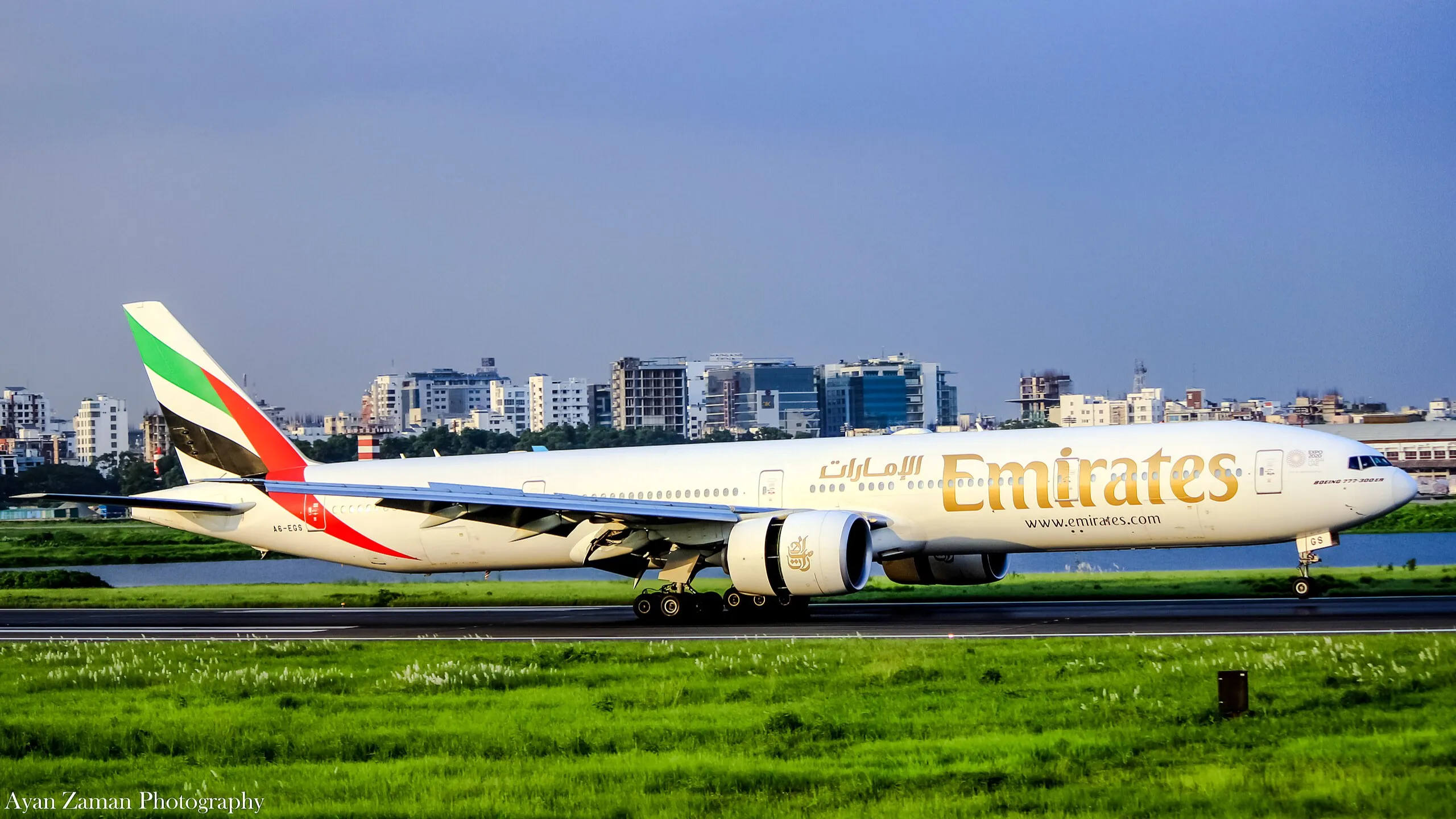
Emirates is the largest operator of the Airbus A380, the largest passenger aircraft to date, and also operates the Airbus A350 XWB, the aircraft type that is deployed in the longest non-stop flights in the world, as well as the longest one-stop flights in the world.
EFTA’s sixth graduation underscores a global trend: flight training institutions expanding to address a projected pilot shortage. Across the world, airline cadet programmes seek innovative solutions to sustain the talent pipeline.
| Training Institution | Scale / Recent Output | Key Feature | Region |
|---|---|---|---|
| Emirates Flight Training Academy | 77 graduates (Dec 2025) | Integrated ab initio to airline path | Middle East |
| Airbus Flight Academy (partner network) | 21 training locations | Modular and integrated pilot training in Europe | Europe |
| Etihad UAE Cadet Programme | ~60 graduates/year | National cadet focus with simulator and practical phases | Middle East |
Such initiatives are needed as there is a projected global need for 633,000 new pilots over the next two decades, with Europe alone needing 119,000 pilots. This is one of the reasons why manufacturers such as Airbus have also opened up flight training, with Airbus operating a network of 21 locations.
All in All
Emirates Flight Training Academy’s sixth graduation represents a pivotal addition to the global pilot pipeline, with 77 cadets poised to impact commercial aviation. The 52 NCPP graduates are expected to move toward type ratings on Emirates’ own fleet, while where the 25 international cadets ultimately fly remains open.