
World Bank muses whether tourism is a “passport to development.” One has to wonder what the markers of such purported “development” are. When Sir Edmund Hillary constructed an airport, which was to be later falsely dubbed “the world’s most dangerous airport,” it also brought about some undesired consequences, which Hillary himself explains:
“ In building Lukla airfield we were partly to blame for the tremendous increase in the number of trekkers that visit the Khumbu, now exceeding 17,000 each year. There are only 3,000 Sherpas living in the region, but probably 20,000 porters and workers from lower altitudes carry loads into the Khumbu or work in the fields. This has put tremendous pressure on the forests, both to supply timber for many hotels and firewood for cooking and heating.”
The Khumbu region, which is now an icon of global tourism and hospitality, used to be a hermetic place where only the most audacious travelers, who were once described as “hopeless romantics, and others with a shaky hold on reality”, would come. But now, in order to revive empty schools parched for students, even the government is planning to run courses such as mountaineering, hospitality management, bakery, and barista training among others.
Lukla: 5 Fast Facts About The World’s Most Dangerous Airport
Such ruminations have only been possible after the Solukhumbu region has been well-connected from the capital city of the country it is housed in. Helicopter tourism is on the rise, and with cash flowing heavily in the region, the villages there are being emptied out of young men- as children and older mums are only left behind.
The case study of the modern form of tourism in the Khumbu region has been documented well. Many of the locals who were able to cash in on money spent by extraordinary numbers of tourists who visited the region don’t live there anymore. They have found refuge in other wealthy nations and cities, leading to a loss of local culture, as is the problem with rapidly modernizing places. The case of Khumbu is a microcosm in the great macrocosm of the tourism and hospitality industry.
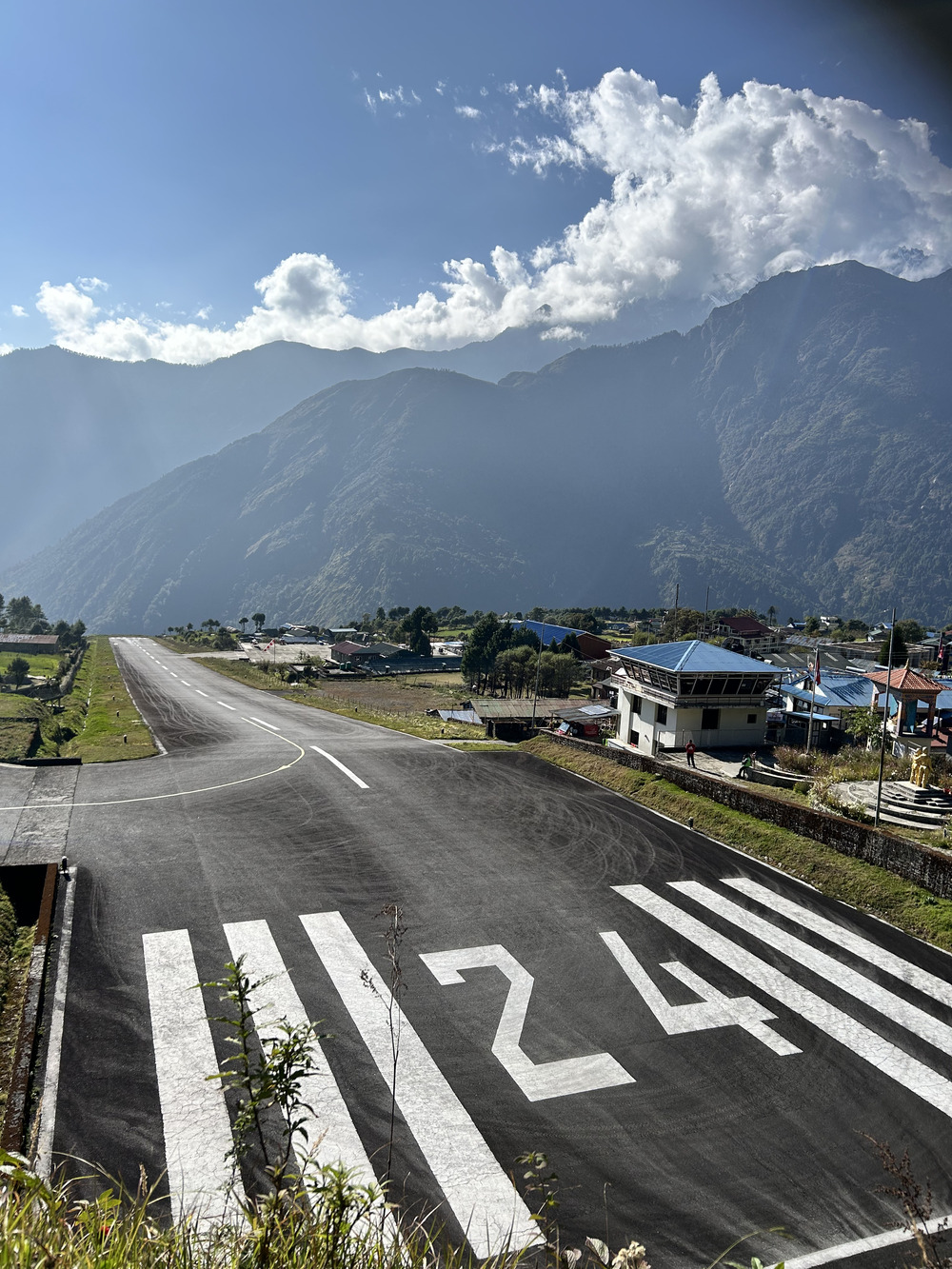
Photo: Karan Bhatta | aviospace.org
In this article, we will zoom out of isolated examples like Khumbu and examine the history, scope, and often not publicly discussed aspects of the global tourism industry by taking examples from around the world.
The first tourists?
When Sir Francis Collins completed the Human Genome Project (within time and budget), terms such as “The Great African Diaspora” entered our vocabulary. It only expressed what the Human Genome Project had confirmed- ancestors of all human beings settled in different parts of the world were born in Africa. We might not call the “migration” of the first peoples who took on voyages to different continents as reflecting “tourism” in the modern sense of the word.
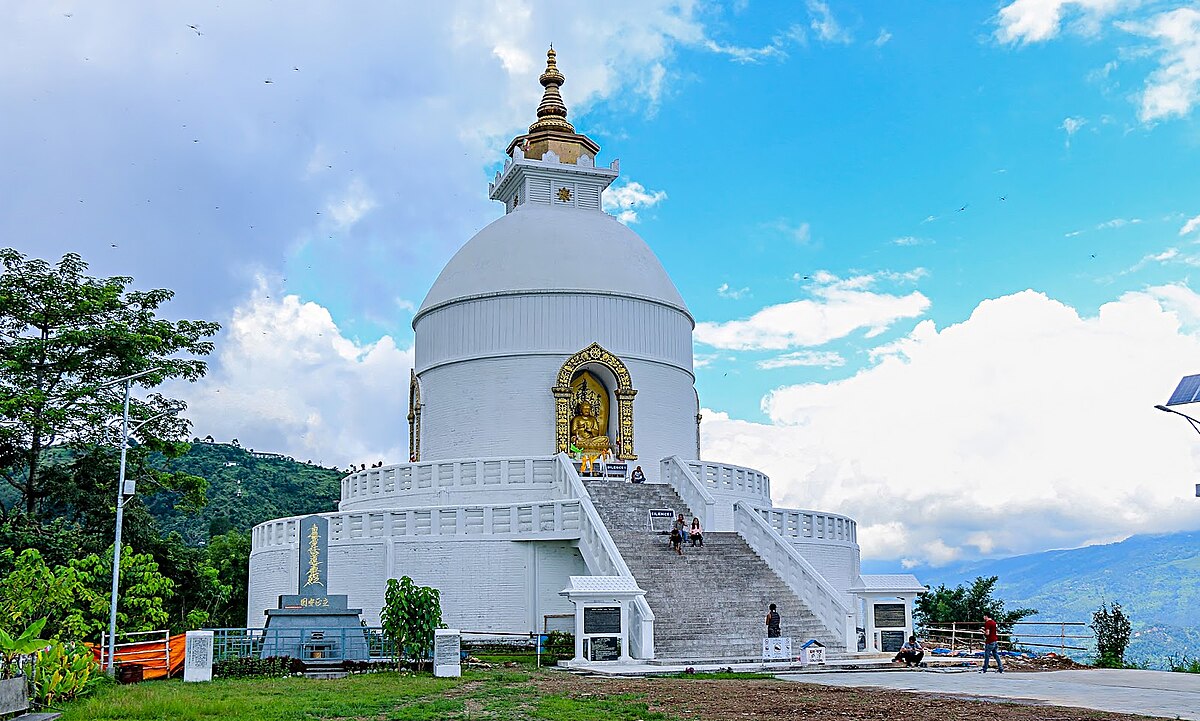

The etymology of the word reveals that “tourism” comes from Old French “tor”, or “tourn “, which in turn meant “a turn, trick, round, circuit, circumference,” giving us a sense that the first migrants didn’t really turn full-circle to come back to their origins. But the migration of the Homo Sapiens into different parts of the world, and in doing so forgetting the “homes” they had voyaged out of, allowed the possibility of the creation of different cultures, cuisines, music, adaptability- all of which are cornerstones of tourism as we know it.
Tourism as a way of colonization
One has to look at the episode of Christopher Columbus’ supposed discovery of “America” to see how limited we are in terms of verbalizing such episodes. When Columbus arrived in what he thought was “India,” the very first settlers of the region, such as the Hopi population, had already been there for centuries. So, in what sense had Christopher “discovered” America?
As people like Columbus made way for getting to exotic destinations, this also opened up possibilities for nations who had developed “guns” to take control of such lands that were wholly agrarian. Stamping over the nuances of the rich languages people had developed can also be found in how countries were named- for instance, “Venezuela” was named such because an expeditionist to the place was reminded of “Venice” when he visited the land- so he decided to call it “Venezoila” which translates as “Little Venice”. New Zealand was named so because a Dutch voyager believed that he had been to a place that was similar to “Zealand”- a place in the Netherlands.

.jpg)
Colonization was another of the crimes in humanity that became bolder as circumnavigating the world became a possibility.
The Industrial Revolution and the first seeds of modern tourism
The modern form of tourism was only possible when the Industrial Revolution was in full swing. The Industrial Revolution necessitated people/ workers to assemble at a particular place to operate machines, among other things. The fact that the synchronization of clocks, which Einstein so tirelessly thought about in his Swiss Patent office, only came after the Industrial Revolution gives us a sense of how difficult or clumsy or downright ineffective the whole travel business would have been if this problem had not been worked on. It is the congruence between time zones across nations that made way for jet travel or train travel across vast stretches of land possible and allowed for another cornerstone of the modern tourism industry, “planning”.
But there were some dissenting voices along the way. Oscar Wilde famously pronounced that “Industry was the root of all ugliness”, while George Orwell, who had been at the helms at the lower echelons of the hospitality business, had written autobiographically about his experiences working at a hotel in Paris and London:
“Is a PLONGEUR’S work really necessary to civilization? We have a feeling that it must be ‘honest’ work, because it is hard and disagreeable, and we have made a sort of fetish of manual work. We see a man cutting down a tree, and we make sure that he is filling a social need, just because he uses his muscles; it does not occur to us that he may only be cutting down a beautiful tree to make room for a hideous statue. I believe it is the same with a PLONGEUR. He earns his bread in the sweat of his brow, but it does not follow that he is doing anything useful; he may be only supplying a luxury which, very often, is no luxury at all.”


The Link between Global Tourism, Science, and Humanitarian needs
Along with the growth in tourism came a growth in science. When Sir Edmund Hillary was in Antarctica, he had dreamed of an experiment where people living in the high Himalayas, such as the Sherpas, would be biologically analyzed by a team of scientists. James S. Milledge, who was part of a group known as “Silver Hut,” in his talk at the NATO Conference on Mountain Medicine in 2006, gave glimpses of the reason why the Silver Hut experiment was carried out:
“The idea was to study the long-term effect of really high altitude on human lowland subjects. Our program of research included numerous studies in ourselves as we acclimatized. ….. The project for which I was particularly responsible was on the changes in the chemical control of breathing with acclimatization. I was also involved in a large study of the ventilation, heart rate, and cardiac output on exercise at various altitudes. This was especially Griff Pugh’s interest. I also did a project on the changes in the ECG with increasing altitude.”
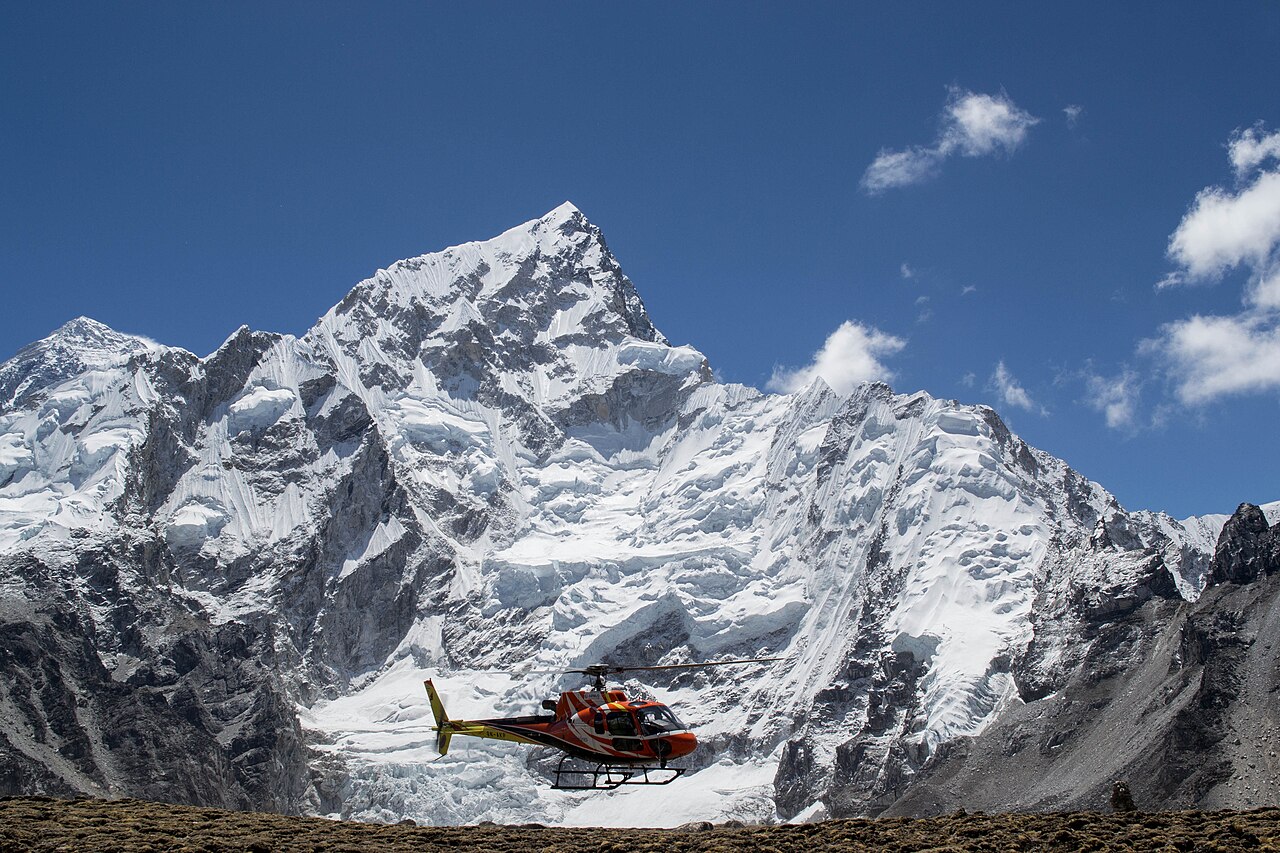

It was the people who were working on the “Silver Hut” who made the construction of an airstrip known as “Mingbo” possible. It was constructed at the height of the Chinese aggression towards Tibet; many Tibetans had flown into the Khumbu region of Nepal, and the refugees didn’t have basic necessities. So, basic necessities were flown into the Khumbu region at the behest of Sir Hillary, giving much relief to Tibetan refugees.
Digital Nomadism: where global tourism might be headed to
In the past few years, the tech industry, with its possibility of remote work, has allowed many people to live as “digital nomads”. Reports have it that quite a number of people working in cities in the US are moving to Mexico to cut down on the exorbitant housing costs of California.
Contributions of tourism to Linguistic development
It is hard to argue that the English language would have an expanded repertoire of words in its arsenal without its capacity to accommodate words from different languages. Take, for example, the work of a neologist, John Koenig, who devised the word “Fitzcarroldo” out of the travels of Carlos Fitzcarrald, who had exploited and enslaved people in the “Rubber Boom” that originated out of the resources of Peruvian jungle:
“ Pronounced “fits-kuh-rawl-doh.”: n.a random image that becomes lodged deep in your brain—may be washed there by a dream, or smuggled inside a book, or planted during a casual conversation—which then grows into a wild and impractical vision that keeps scrambling around in your head, itching for a chance to leap headlong into reality.
From the title character of the 1982 film Fitzcarraldo, directed by Werner Herzog, about a man who is overcome by the thought of hearing Caruso’s operatic tenor echoing through the Peruvian jungle; to fund this effort he hires local people to pull a steamship over a mountain, a feat that was done for real for the film’s production. “
Does global tourism lead to overtourism?
Residents in the UNESCO-listed village of Hallstatt, Marseille Provence Cruise Club, residents in Venice, and local inhabitants in Orkney, Scotland, are some who have protested against the problems that have been brought about due to over-tourism.
Various forms of Travel Accommodation
Travel accommodations in different areas where people go as tourists can be extraordinarily different. Take the example of the great biologist Jared Diamond. When he went on his voyages, as a tourist, like the scientists of the Silver Hut experiment, to a most linguistically diverse Papua New Guinea for his research and other works, he used to live in the nomadic huts of various peoples he encountered. He wasn’t charged as the modern connotations of a “tourist” would.
Travel places where accommodation as we know it doesn’t exist
There have been various accounts of travelers to one of the most isolated corners of the world- the mysterious Sentinal Island of India. The people were reported to have not evolved to the point of agriculture- let alone the luxury of modernism that is “tourism.” Often, the Sentinal Islanders were greeted by incoming tourists with coconut- a precious commodity on an island where people only ate mollusks and other naturally growing plants. So whether we can mark these gift exchanges (of coconut) as a barter to begin with is something to ponder over. [On a side note, the Sentinel Island is currently off-limits for travelers]

.jpg)
Free accommodation
In countries like Nepal, there are still places where tourists don’t have to pay for accommodation in different places. Though this culture is more or less lost and can only be encountered in some of the most remote corners of the nations, this system known as “baas” has been lost to modernity. Any traveler who was to visit a certain place only had to state his cause of travel, and villagers would be willing to accommodate incoming travelers. There are even people who claim to have traveled all 75 districts in Nepal without money. And this is as recent as 2020.
The conventional ways of accommodation
The modern form of accommodating while traveling is to pay for your stay, often in a certain room. This is the standard course of operations in motels, hotels, and places for accommodation in the modern sense. There is a different approach that some people have. Some travelers who want to stay in a place as travelers for an extended period can rent a room or an apartment for months, cutting down on the high expenses in a (m)hotel. However, with the growth of online platforms such as Airbnb, even a person who isn’t involved in the tourism business can offer rooms in their houses for incoming travelers.
How do Social Media influencers use free accommodation during global travel?
Finally, social media influencers (who specialize in promoting travel business) can also accommodate various places without having to pay for their stay. On the contrary, such influencers have been found to take charge of various hotels by promoting their brands in blogs/vlogs/travelogues. However, there have always been critics such as Christopher Hitchens, who have claimed that blogging/vlogging makes the possibility of making the dream of every unpublished/ unpublishable writer come true, as people can publish their writings without editorial standards. So a lot of blogging/vlogging can engage in mis/dis/un- information. And there have been plenty of reports of people being led astray due to such wrongful information.
How do you decide which places to accommodate?
What kind of accommodation one chooses while traveling can be dependent on a variety of factors. The biggest of these would be the purpose of travel. A working group of researchers who are traveling, for example to nomadic groups and cultures, has no choice but to adapt to the lives of people who haven’t quite developed the concept of ‘tourism’ as we understand to begin with.
There are a lot of people who travel to underdeveloped countries just to get away from the incessant tracking of their movement, even in challenging conditions. Trekkers to the Himalayas of Pakistan, India, Nepal, and countries like such have often wanted to go to places without cell phone signals or GPS tracking that comes with (smart) phones. They have even said that the inability to “get lost” in the Alps is one of the thing that is a hindrance to experiencing ‘adventure’. This is in line with the thoughts of Alan Watts, who wrote about how one could experience ‘real travel’:
“Real travel requires a maximum of unscheduled wandering, for there is no other way of discovering surprises and marvels, which, as I see it, is the only good reason for not staying at home.”
On an ironic note, it is the people in the developing nations who correlate staying in hotels/motels with a sense of adventure, for having an agrarian life with a sense of remoteness has been a norm for a lot of people as these people have just grown out of the shell of ‘agricultural life’.
Different types of food served during travel
With so much variation in the styles of accommodation comes a veritable difference in the food served along different travel routes. A prototypical motel/hotel menu comes with a menu that is extravagant, not to mention exotic, too. Many restaurants in the US serve food from Far East cultures while the nations in the Far East often serve continental food, Mediterranean diet, etc. When the book Ikigai came out, it also gave the world a wide-reaching read of the dietary patterns of the Blue-Go zones, i.e., places where there are extraordinarily high numbers of centenarians.
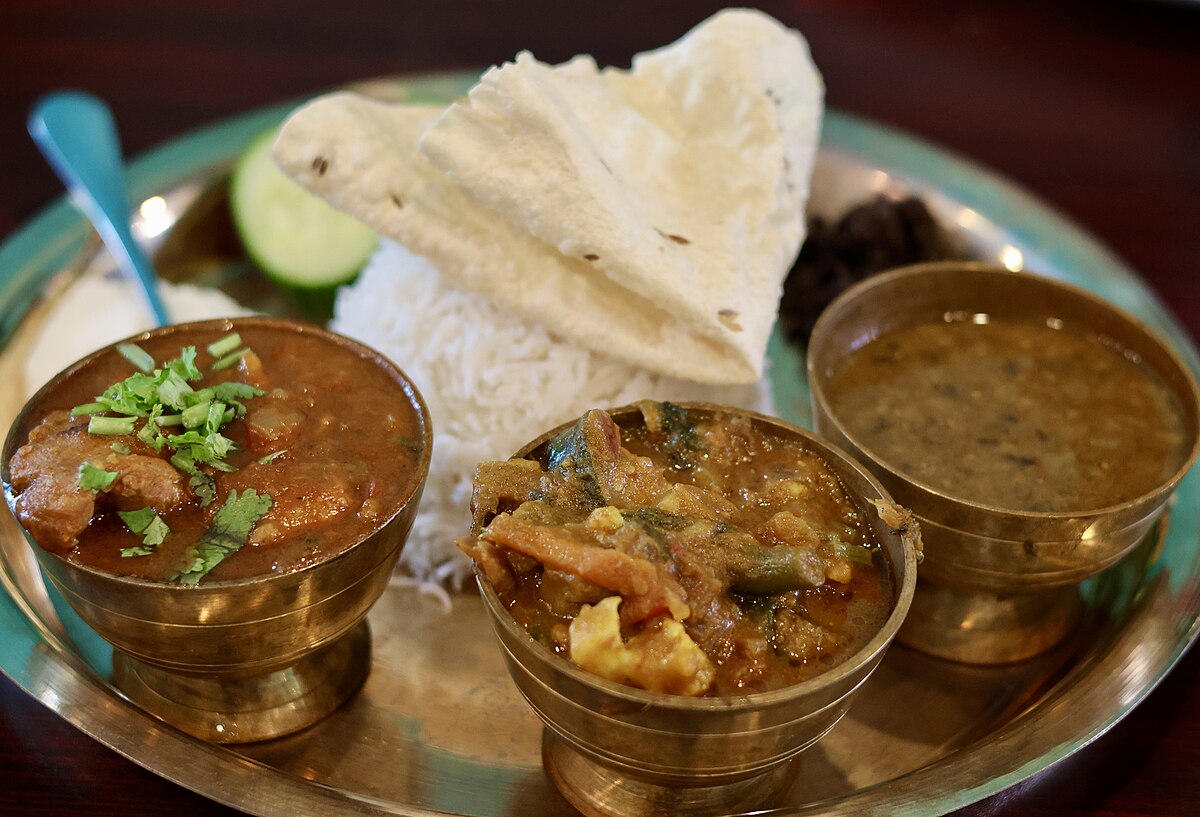
Photo: Trilok Neupane | Wikimedia Commons

Studies that have come out of tourism as such have placed a greater emphasis on the “Mediterranean Diet”, amongst other diets. This has put a strain on the supply chain to necessitate importing spices and food found exclusively in the Mediterranean to various parts of the world- which has in turn, created a greater ecological footprint of the food we eat, as such ways necessitate greater transportation, which inturn increases greenhouse gas emissions. So, the idea of naturally grown foods instead of organic food and the consumption of local food instead of imported ones, has gained traction. The availability of food in restaurants and cafes, which are an integral part of the tourism industry, has also led to chefs from one country being employed by restaurant chains in other nations.
But the cry for the availability of only naturally grown, local food also poses many risks to travelers. Local food often comes with its own microcosm of bacteria and other microorganisms that are local to the region, and travelers’ digestive tracts might not be friendly to such microbes, leading to food poisoning. The same case could be made not simply about food but also about water.
A few problems posed by modern food
One of the other rather undesired consequences of modern tourism is that it has increased the consumption of items such as coffee and chocolates a global phenomenon. And with the serving of coffee in the Italian way (through espresso machines) has also led to the loss of the multifarious ways that coffee has been served throughout the world. The same case could be made for chocolates, which are often a standard item used in desserts. But this has brought about its own consequences. One of them is the wage slavery that giant corporations involved in coffee and chocolate preparation, such as Nescafe and Cadbury, have been found to be involved in.
Transportation system while traveling
Transportation systems are often key to such problems, as well as the purported solutions to such problems. The global aviation industry accounts for 2-4% of greenhouse gas emissions, and with air transportation getting cheaper, several accounts of major airlines shifting their business to cargo have been reported. Food items make up a fair share of the cargo that transports goods in cargo. In isolated places such as the Everest Base Camp, there are airports that primarily serve cargo instead of passenger business.
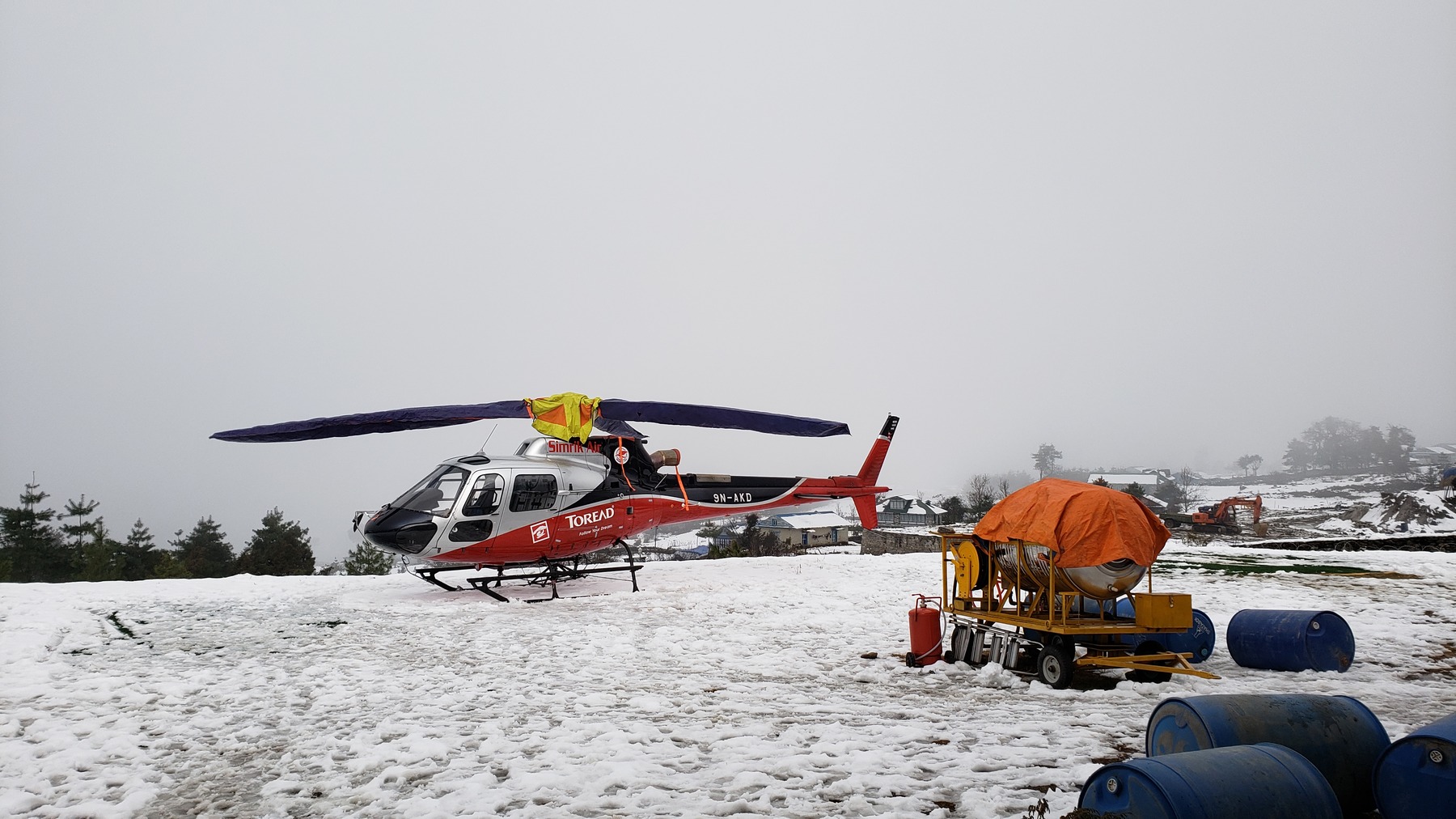
Photo: Surendra Paudel, a helicopter pilot in Simrik Air
A fair distribution of goods within a nation is quite a challenge. Every year, the number of farmers who commit suicide in extraordinarily rapidly developing nations such as India, as well as the most developed nations, such as the US is on the rise as farmers have been struggling to get their food on the local market, let alone the international one. Some isolated farmers in some corners of the world, which have yet to be modernized, have managed to find markets in the international arena as food from such places has low concentrations of pesticides, and for people who are looking to consume high-quality local food, this becomes a delightful option. However, such cases are quite rare.
Ways in which incessant urbanization is affecting travel and food
There is also a fair argument to be made that such traditional agricultural practices are dying, thanks largely to rapid urbanization. We are seeing the world get polarized into hyper-developed cities and emptying-out villages, which are thought to harbor the most natural form of practicing agriculture. So, the prices of locally made agricultural goods will only increase with time, and driving inflation rates much higher than they already are. Traveling has also allowed people from outside of one nation to get into other nations and control the resources of nations they are not natives of. For example, there have been various media outlets that have claimed that the people who live in the region where “mad honey” can be extracted get paid far less for their produce than the people who act a middlemen and take such products into the international market.
Though the transportation of food items between nations has helped better diplomatic ties between nations, it has also exposed how an unwanted natural calamity, such as a flood in Spain, is likely to affect people who consume food items made in this nation. The drying up of the water reserves in California, where large swathes of almonds are made, is likely to affect prices of this dry fruit worldwide, whereas the vast reserves of land in Brazil that are used for growing avocados are taking too much of the freshwater (to grow this fruit) of this nation that has the highest amount of freshwater in the world.