Alaska Airlines (AS), the Seattle-based U.S. carrier, has placed the largest aircraft procurement in its corporate history, committing to 105 Boeing 737-10 narrowbodies and five Boeing 787 widebodies with options for 35 additional 737-10 aircraft. The deal was publicly disclosed on 7 January 2026, locking in aircraft performance, delivery rights, and a strategic path for global expansion.
The order — spanning deliveries through 2035 and representing a significant capital investment — is designed to modernize Alaska’s fleet, support accelerated international route growth and sustain its competitive positioning as it transitions from a regional U.S. carrier toward a fourth global airline.
What Alaska’s 110-jet Order Means for Fleet Strategy
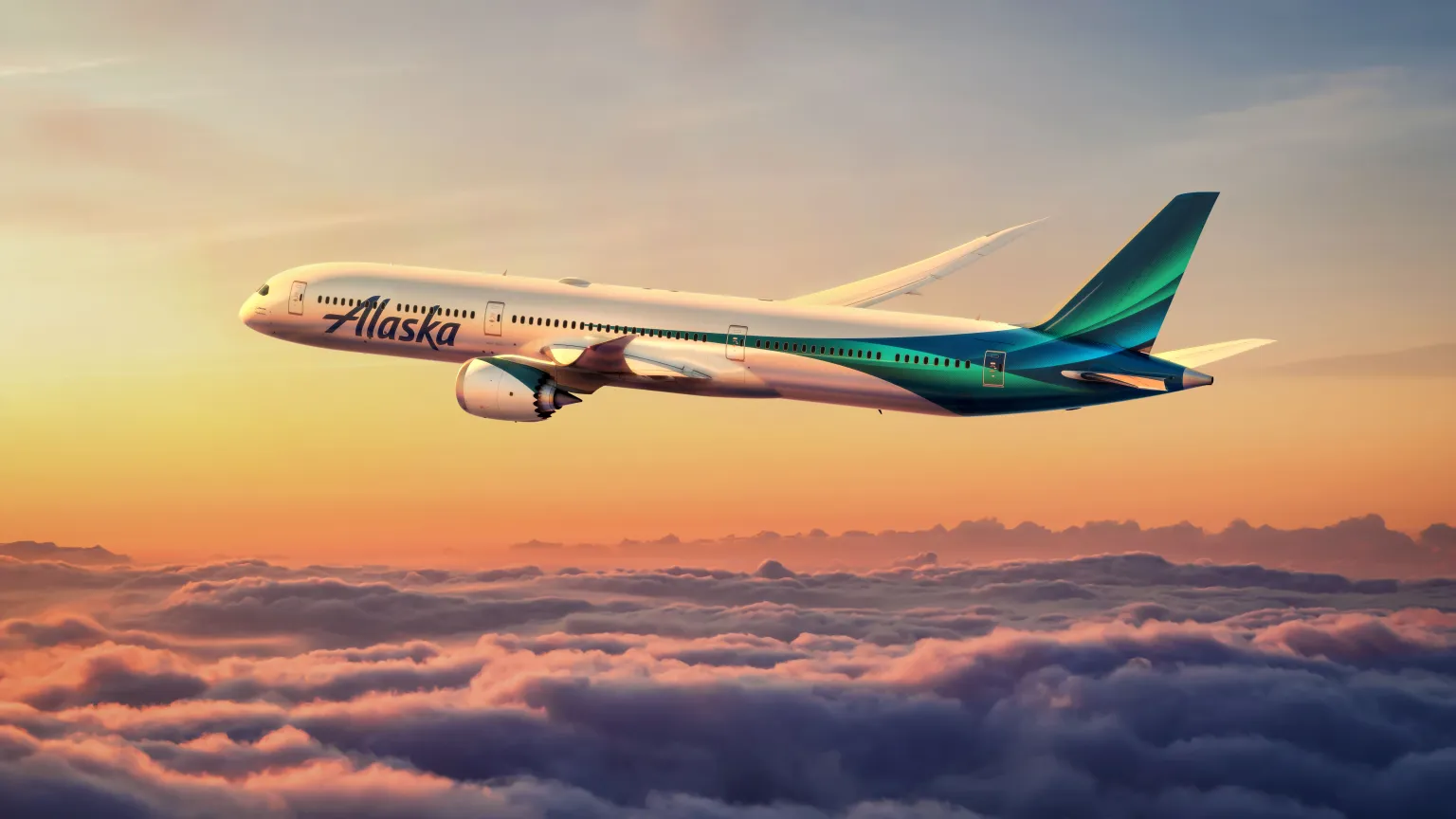
Alaska’s 110-aircraft order with Boeing — consisting of 105 firm Boeing 737-10 orders and five Boeing 787 widebodies — formalizes its intent to upgrade older aircraft and accelerate network expansion.
-
The 737-10 — the largest variant in the 737 MAX family — will replace older single-aisle jets and support dense domestic and short-medium haul markets.
-
The 787 Dreamliner family — in all likelihood the 787-10 variant — will serve as the backbone of long-haul international services, supporting destinations in Europe and Asia.
-
Alaska has secured options for 35 additional 737-10s, offering runway for further growth if market conditions warrant it.
Alaska Air Group CEO Ben Minicucci said the latest aircraft investment supports the company’s Alaska Accelerate strategic plan and its long-term growth ambitions. He said the new aircraft will give the airline greater capacity to expand to additional international destinations while continuing to modernize its fleet with newer and more fuel-efficient aircraft.
Minicucci also highlighted Alaska’s longstanding relationship with Boeing, noting the manufacturer’s importance as a Pacific Northwest-based aerospace company and major U.S. aircraft producer.
Alaska’s Aircraft Order Breakdown: Order Details vs Current Composition
The following table gives us a glimpse of Alaska Airlines Boeing 737-10 & 787 order:
| Aircraft type | Quantity ordered | Purpose |
|---|---|---|
| Boeing 737-10 | 105 firm + 35 options | Fleet renewal & growth |
| Boeing 787 (widebody) | 5 | Long-haul international expansion |
According to Boeing, this order “kicks off the 60th year of the two companies’ partnership, which started when Boeing delivered a 727 to Alaska Airlines“. The group is expected to operate a fleet of more than 475 aircraft by 2030 and more than 550 aircraft by 2035.
| Aircraft | In service | On order |
|---|---|---|
| Boeing 737 variants (mainline) | ~248 | 174 MAX on order |
| Boeing 787 (widebody family) | 5 | 12 on order (post-announcement total) |
| Horizon Air regional jets | 47 | 3 (Embraer 175) |
The 174 MAX jets on order already include the 105 newly announced 737-10s — before this deal, Alaska’s 737-10 firm orders stood at 63, Simple Flying reported.
Boeing Commercial Airplanes President and CEO Stephanie Pope described Alaska Airlines’ latest order as a historic milestone, linking the purchase to the carrier’s strong performance and plans for strategic expansion. She said the 737 and 787 aircraft would play an important role in supporting Alaska’s future growth.
How Will Alaska Configure the Aircraft it has Ordered
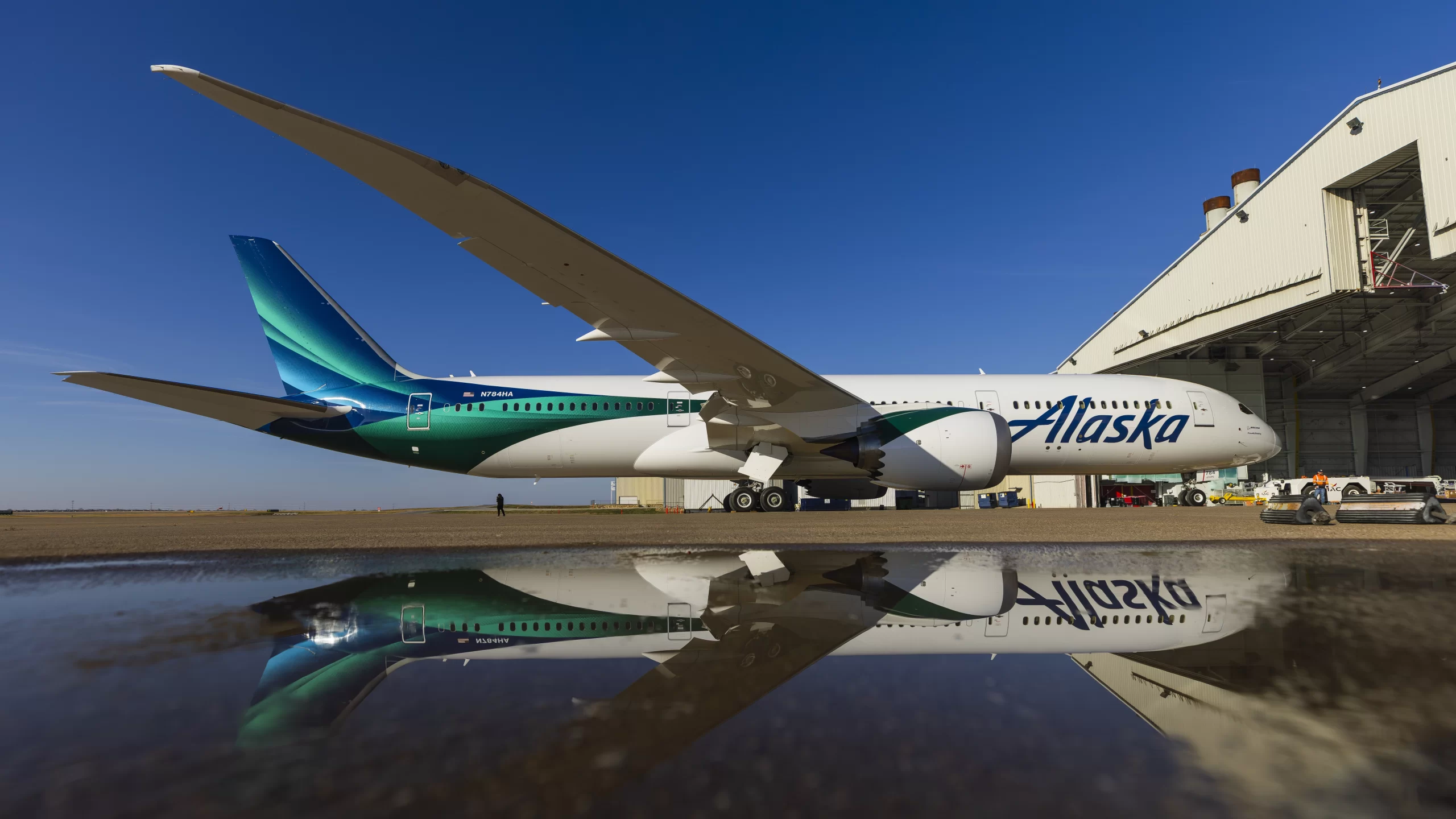
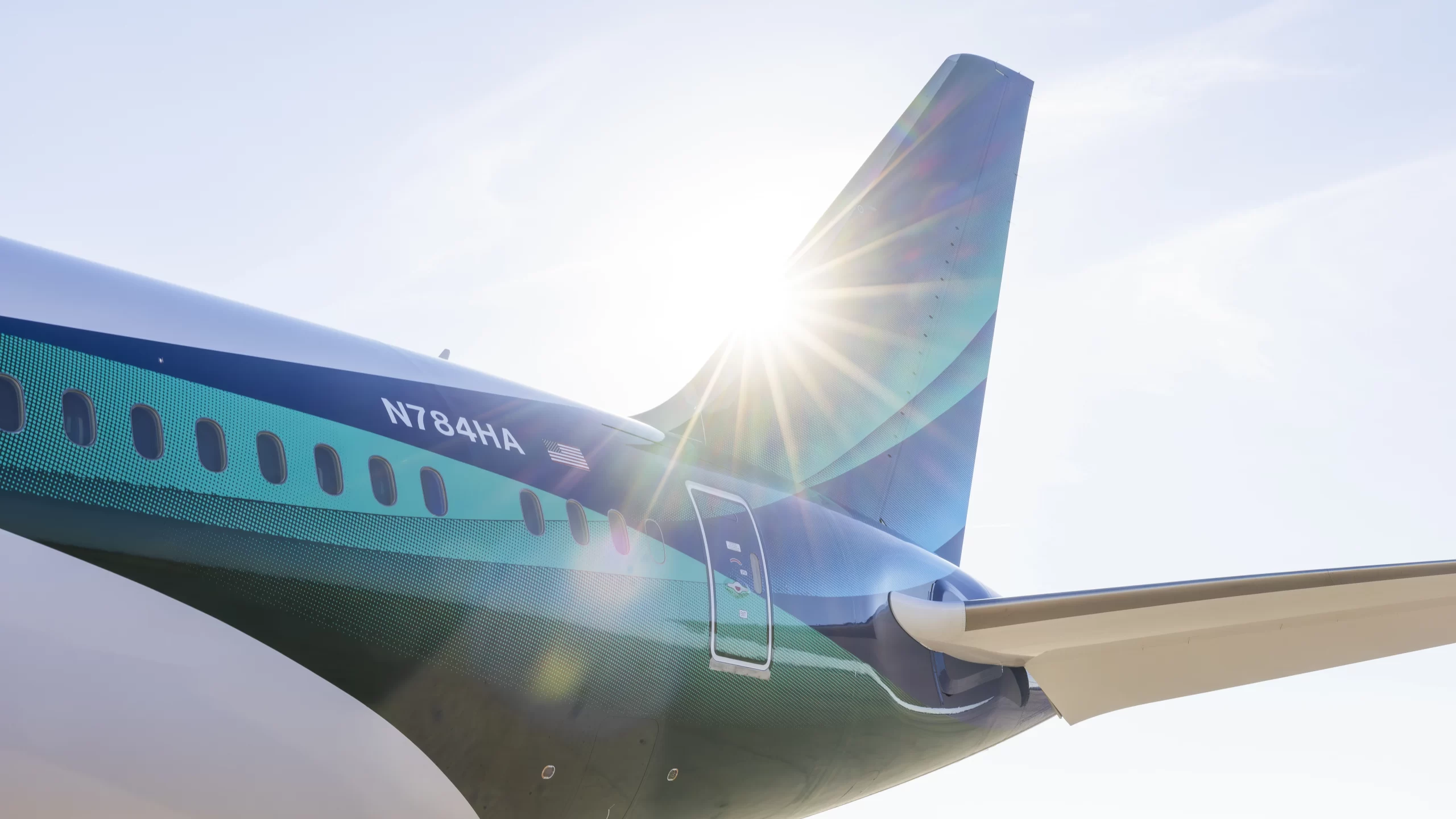
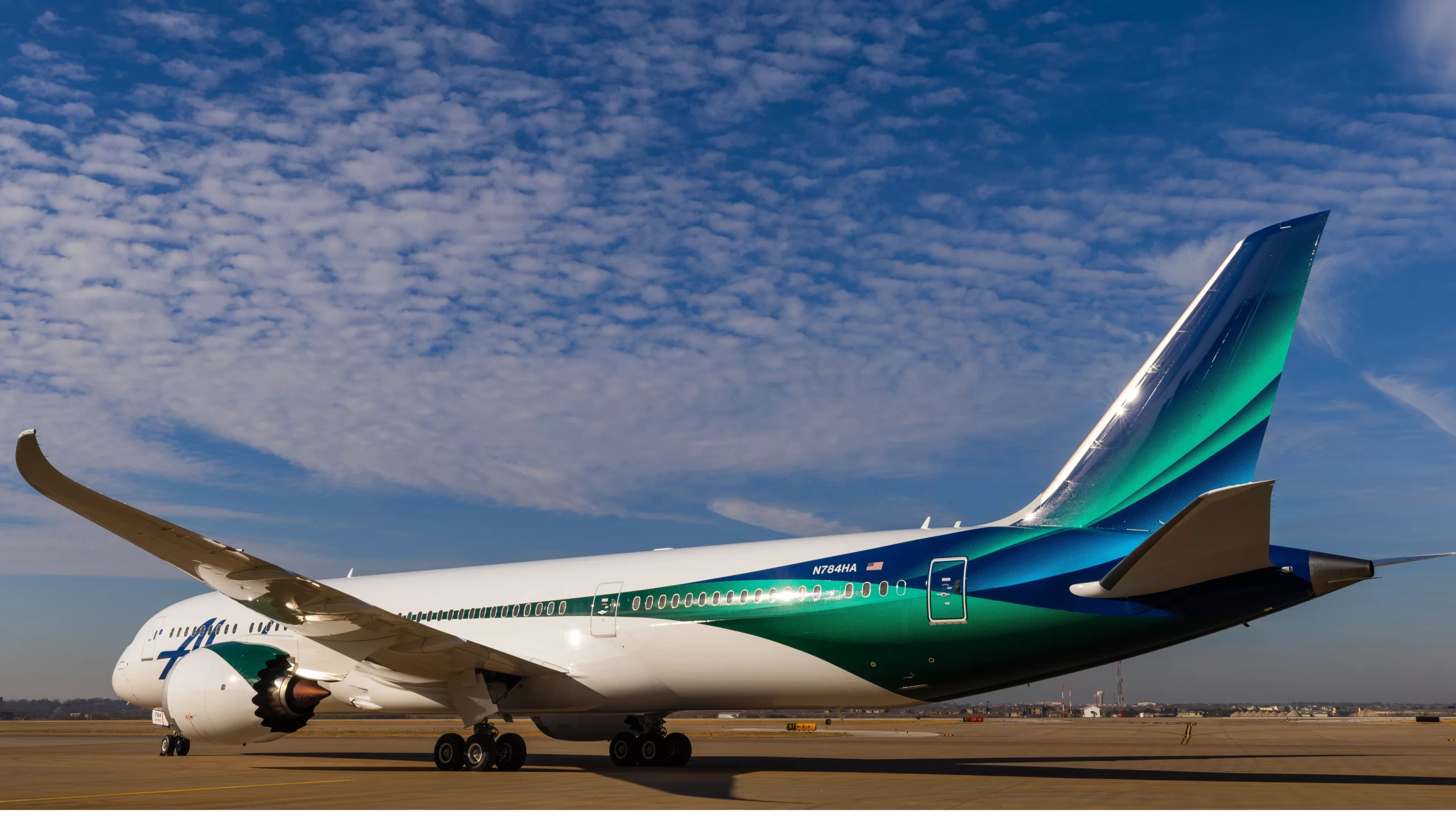
Alaska current has only one Boeing 787 that it received in December 2025. The aircraft is registered N784HA and is configured the following way (according to aerolopa):
-
Business class: Thirty-four Elevate Ascent–based suites with sliding privacy doors and retractable centre dividers, each converting into a fully flat bed, arranged with a 45-inch pitch and 21-inch seat width, complemented by 18-inch HD touchscreens, universal AC and USB-A power outlets, and integrated Qi wireless charging.
-
Economy class: A total of 266 Collins Aerospace Aspire seats in a 3-3-3 layout, offering a standard 31-inch pitch (expanded to 36 inches in selected rows), 17.1-inch seat width and 5-inch recline, paired with 12-inch HD touchscreens, USB-A and USB-C ports at every seat, and shared access to universal AC power.
Although Alaska Airlines has yet to reveal how it will configure its 737-10s, Boeing expects the aircraft to play an important role in the carrier’s single-aisle fleet modernization. The aircraft will provide additional capacity for network expansion while offering lower seat costs and greater flexibility across the airline’s route network.
The 737-10 will also complement Alaska Airlines’ existing Boeing 737 Next Generation and 737 MAX fleets, allowing the carrier to retain a high degree of fleet commonality as it introduces the larger variant.

All in All
This order modernizes Alaska’s fleet as it offers lower fuel burn per seat on 737-10 vs older models., whilst also generating greater revenue potential from international services. There are several challenges ahead, though
-
Dependence on FAA certification timelines for the 737-10.
-
Integration complexities following the acquisition of Hawaiian Airlines.