Airbus is preparing a major enhancement package for its A320 Family as it looks to keep its best-selling single-aisle aircraft competitive well into the next decade. The upgrade programme, called STEP4, will introduce a series of structural, aerodynamic and systems improvements to the A320neo, A321neo and A321XLR rather than replacing the family with an all-new design.
With the A321XLR having entered commercial service with launch customer Iberia (IB) in late 2024, Airbus is now using many of the aircraft’s technologies as the foundation for future developments across the rest of the A320 lineup.
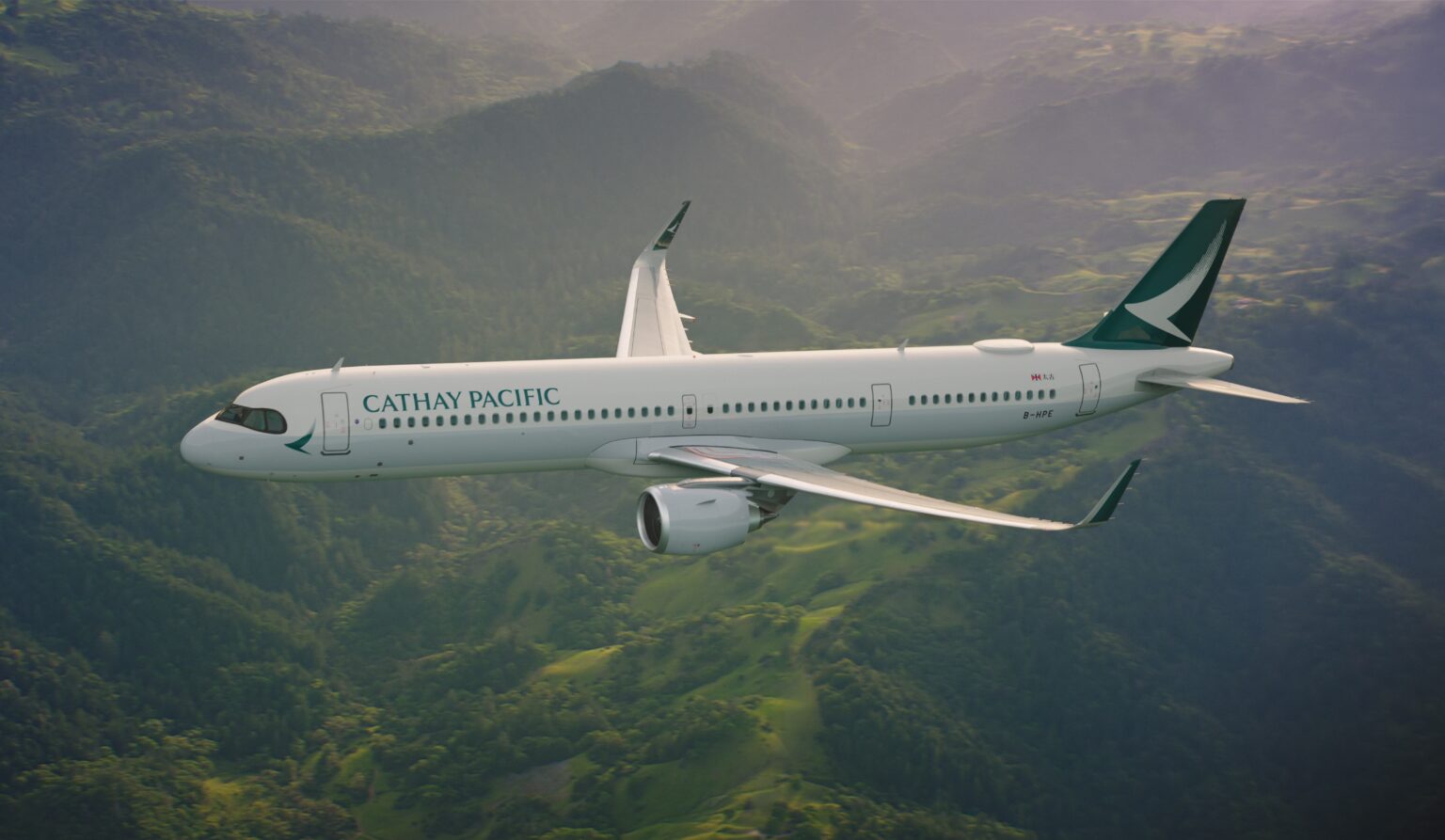
Airbus Expands A321XLR Features to Other Variants
Instead of pursuing a clean-sheet aircraft, Airbus has continued refining the A320 Family through incremental improvements since the programme’s introduction more than four decades ago.
The latest phase of that strategy is STEP4—short for Synchronized Targeted Embodiment Point—which was conceived while the A321XLR itself was still under development. The objective is to improve manufacturing efficiency, enhance aircraft capability and maintain competitiveness beyond 2030.
A key element of the programme is transferring technologies first developed for the A321XLR to the A321neo and, where applicable, the A320neo, while preserving fleet commonality for existing operators.
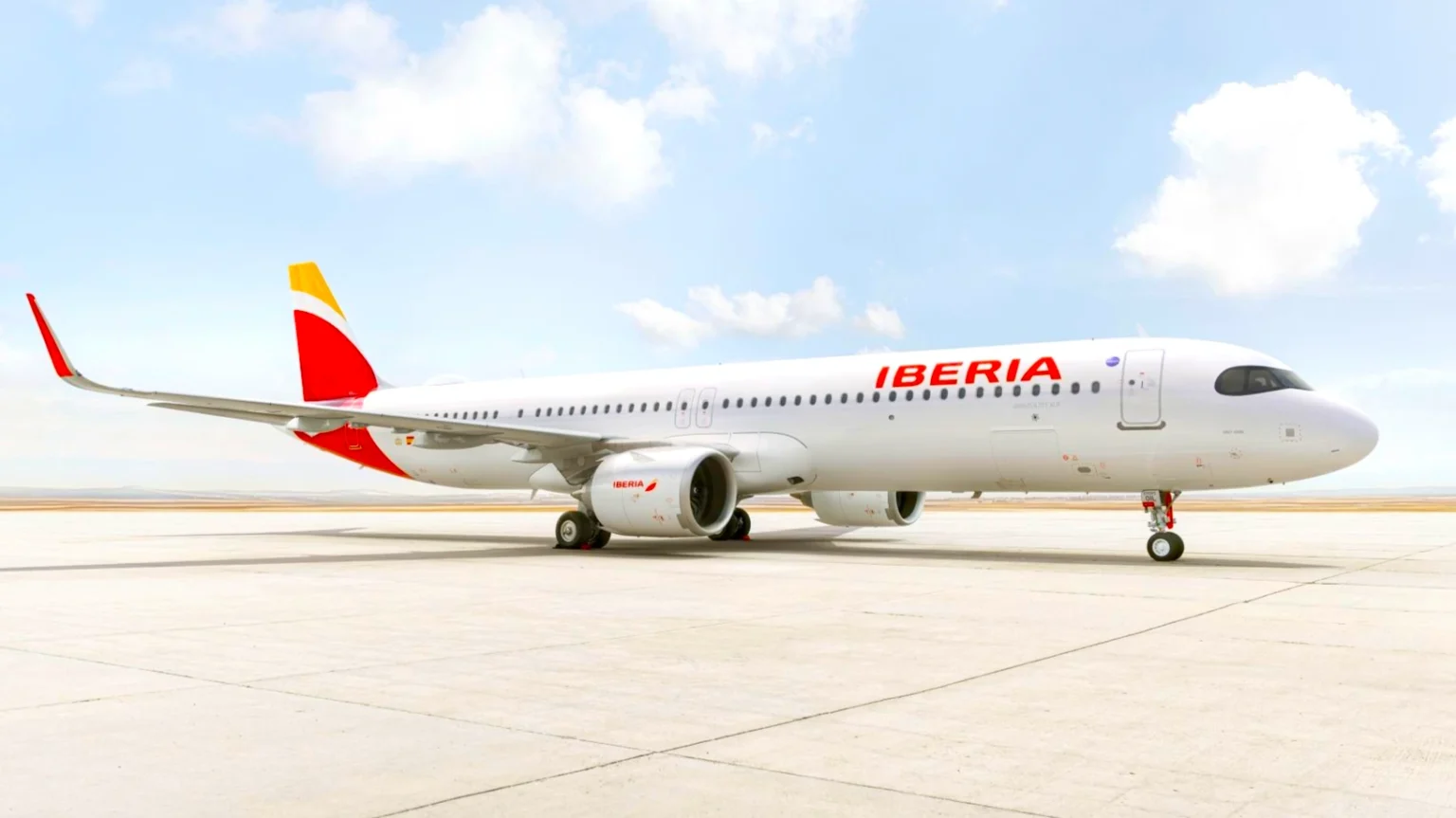
A321neo Receives Wing, Flight Control and Systems Enhancements
Among the most significant upgrades for the A321neo is adoption of the lighter wing configuration developed for the A321XLR. This includes replacing the aircraft’s double-slotted inboard flap with the XLR’s simplified single-slotted design.
Additional enhancements include:
- Forward cabin temperature zones
- e-Rudder
- New flight control laws
- Updated Flight Data Management Unit
- Enhanced Multi-Functional Runway Lights (MFRL)
According to Airbus, the e-Rudder reduces aircraft weight while improving reliability and lowering maintenance requirements.
Torsten Hartung, Head of A320 Family Development, said Airbus is incorporating technologies developed for the XLR into its highest-volume aircraft programme.
He explained that the improved wing, e-Rudder and associated flight control updates were logical additions to the established A321neo platform, allowing Airbus to improve both production and operational commonality across the family.
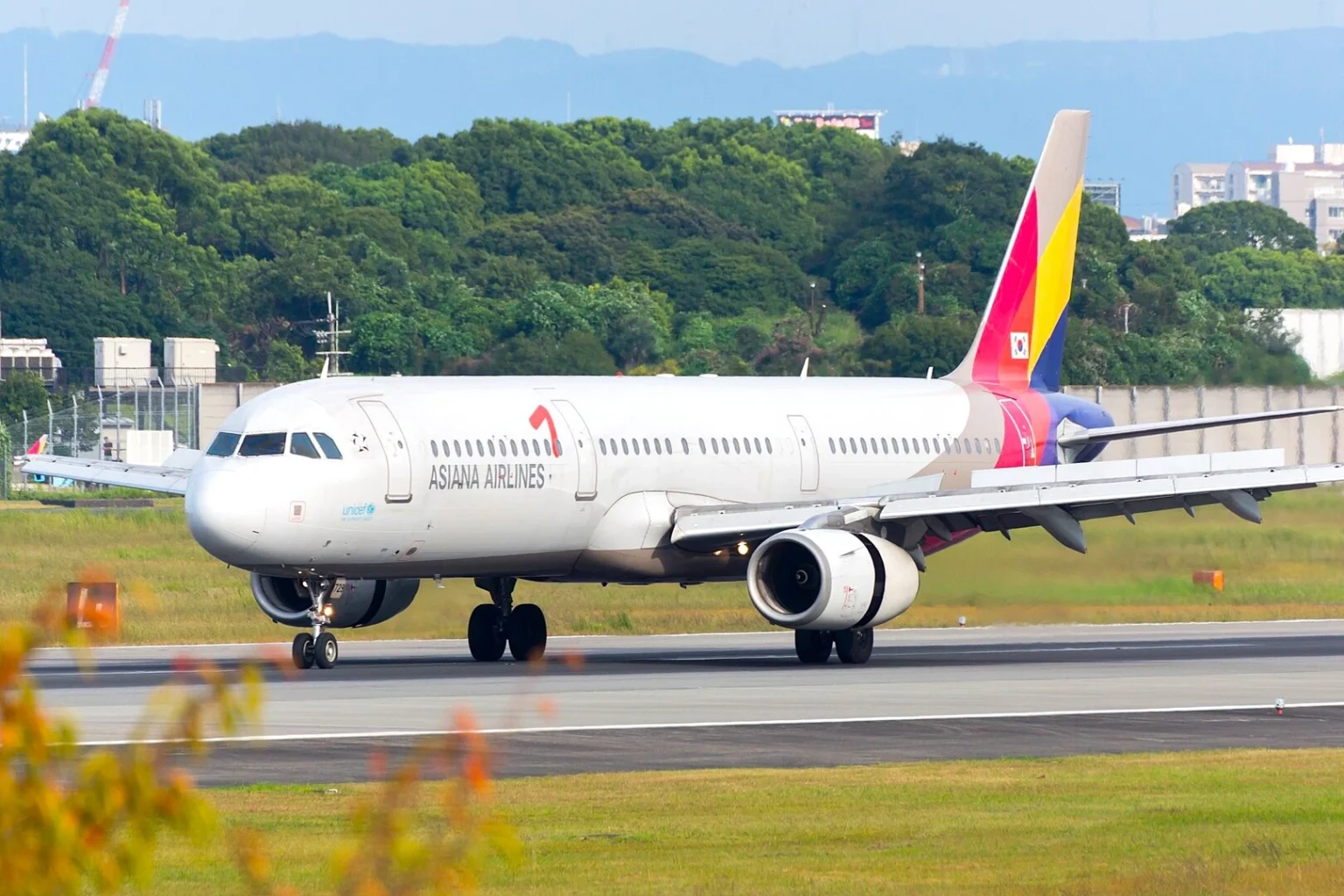
Enhanced Take-Off Capability on the A321neo
The A321neo will also gain the Enhanced Takeoff Performance Improvement (ETOC) package alongside optional forward cabin temperature zones.
Originally introduced on the A350 before being adopted on the A330neo, ETOC improves payload capability by introducing intermediate flap settings, allowing better performance from airports with operational limitations.
For the A321neo, Airbus has adapted the system to work with the aircraft’s new single-slotted inboard flap configuration.
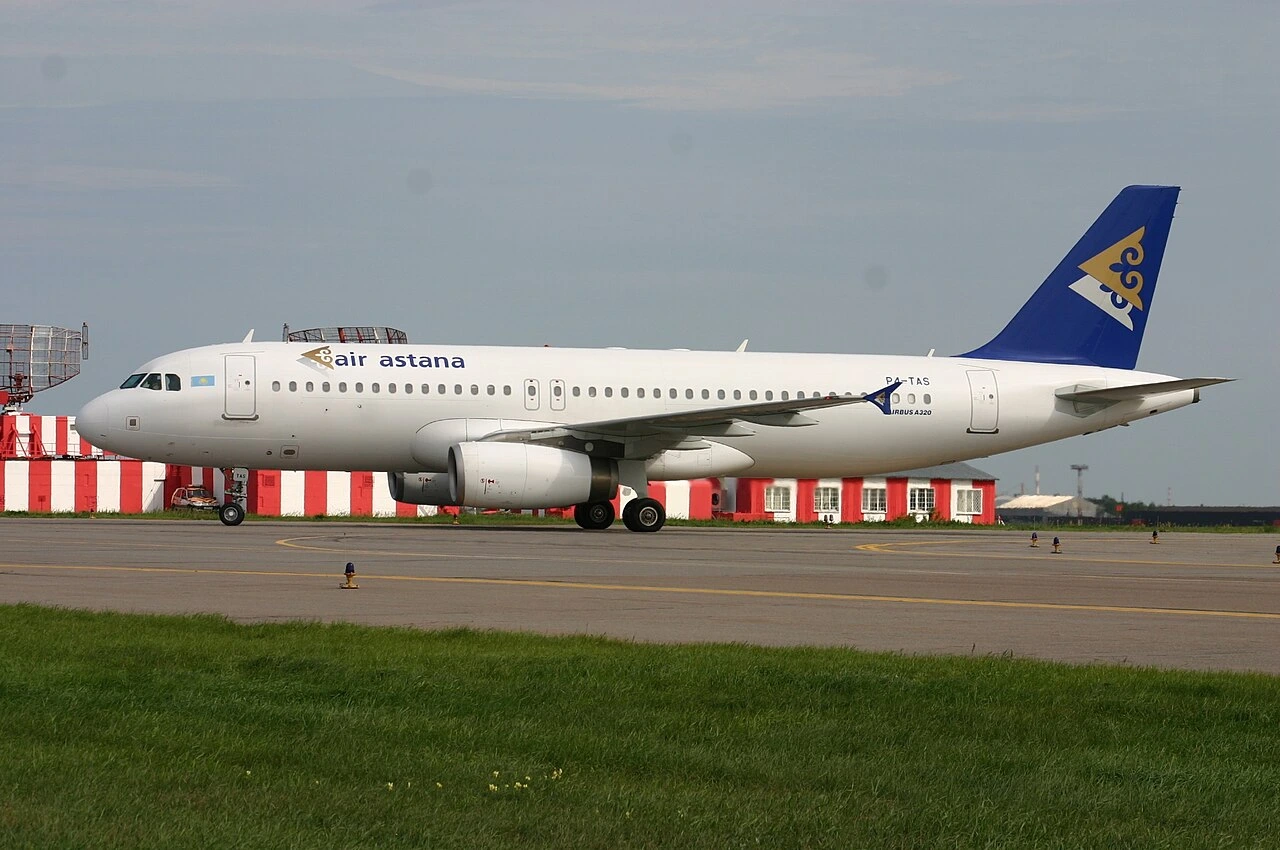
STEP4 Introduces New Structural Improvements
Beyond transferring XLR technologies, Airbus is adding several completely new modifications that will be shared by both the A321neo and A321XLR.
These include a redesigned Cobra Duct auxiliary power unit (APU) air intake positioned on the upper fuselage, intended to improve cabin air quality.
Other enhancements include:
| Upgrade | Purpose |
|---|---|
| Cobra Duct APU intake | Improved cabin air quality |
| Cabin floor reinforcement | Greater loading flexibility |
| Corrosion protection package | Better long-term durability |
| Expanded LED lighting | Wider use of modern lighting systems |
The corrosion-prevention package introduces different improvements depending on aircraft section.
Upper-deck upgrades include titanium seat rails together with titanium cover sheets fitted to aluminium lavatory and galley rails. On the lower deck, Airbus has incorporated improved drainage, upgraded sealants and revised panel sills.
The phased program introduces lighter wings, e-Rudder technology and new structural improvements while supporting Airbus’ goal of producing 1,000 aircraft annually.
Standardised Flight Data Architecture
Another major STEP4 development is introduction of a common Flight Data Interface and Management Unit (nFDIMU) throughout the A320 Family.
The new unit increases data-processing capability while improving operational flexibility and raising component commonality across all variants.
For airline operators, that translates into simplified maintenance planning and more streamlined spare-parts inventories.
A320neo Upgrades Arrive in Stages
The A320neo will also receive many STEP4 improvements, although not every feature developed for the larger A321 models.
Aircraft-specific elements—including the XLR wing, Enhanced Takeoff Performance Improvement package and forward cabin temperature zones—will remain exclusive to the A321.
Instead, Airbus plans a phased rollout for the A320neo.
The initial stage introduces common structural modifications such as the Cobra Duct and corrosion-protection enhancements. Later phases will incorporate the updated flight control system, e-Rudder and reinforced cabin floor as passenger and baggage weight requirements continue to increase.
Airbus Begins STEP4 With Pilot Aircraft
To ease the industrial transition, Airbus will introduce STEP4 modifications on selected pilot aircraft before wider production deployment.
The manufacturer has chosen the A320neo as the first platform because it is produced at lower volumes, allowing assembly teams to validate manufacturing changes before expanding them to the higher-rate A321 programme.
Once implementation is established on the A320neo, Airbus will extend the upgrades to the A321neo before finally introducing the remaining new features onto the A321XLR.
Martin Schnoor, STEP Leader for A320 Family Programme Development, said deliveries of the first STEP4-equipped A320neo aircraft have already begun. The first upgraded A321neo and A321XLR will follow approximately one year later.
He added that Airbus deliberately selected the A320neo to validate physical modifications—including titanium seat rails, the Cobra Duct and corrosion-improvement package—before applying them across the wider programme.
Supporting Future Production Growth
While STEP4 delivers operational improvements for airlines, Airbus also sees it as an important manufacturing initiative.
Increasing commonality across the A320 Family reduces production complexity and simplifies final assembly, helping support higher manufacturing rates.
The strategy aligns with Airbus’ long-term objective of delivering 1,000 aircraft annually across its product portfolio.
Rather than introducing entirely new technologies that require extensive certification, STEP4 focuses on integrating proven systems, allowing improvements to reach operators more efficiently while extending the A320 Family’s competitiveness well beyond 2030.
.jpg)
.jpg)